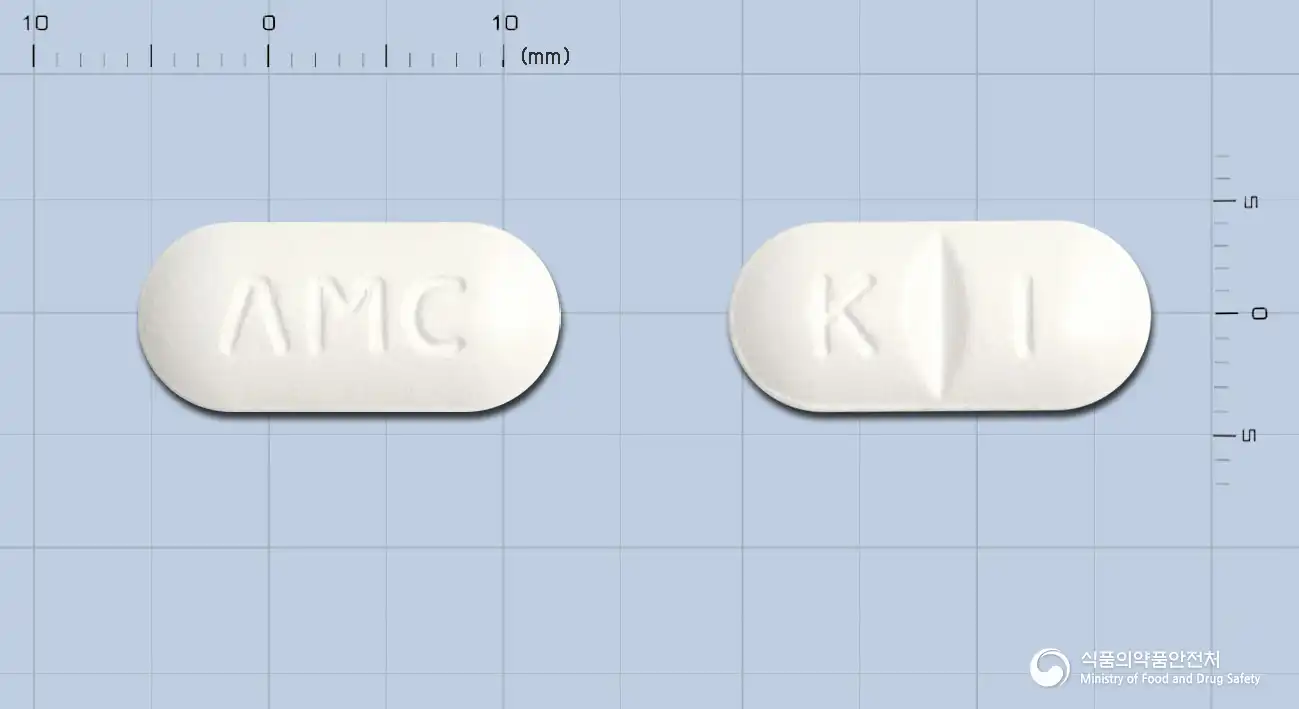
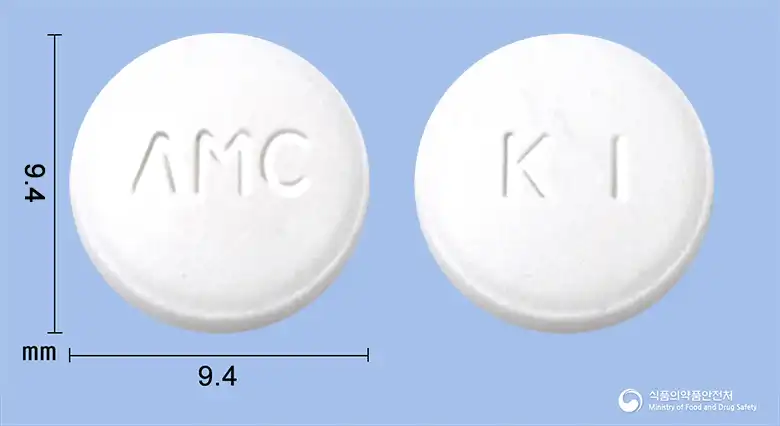
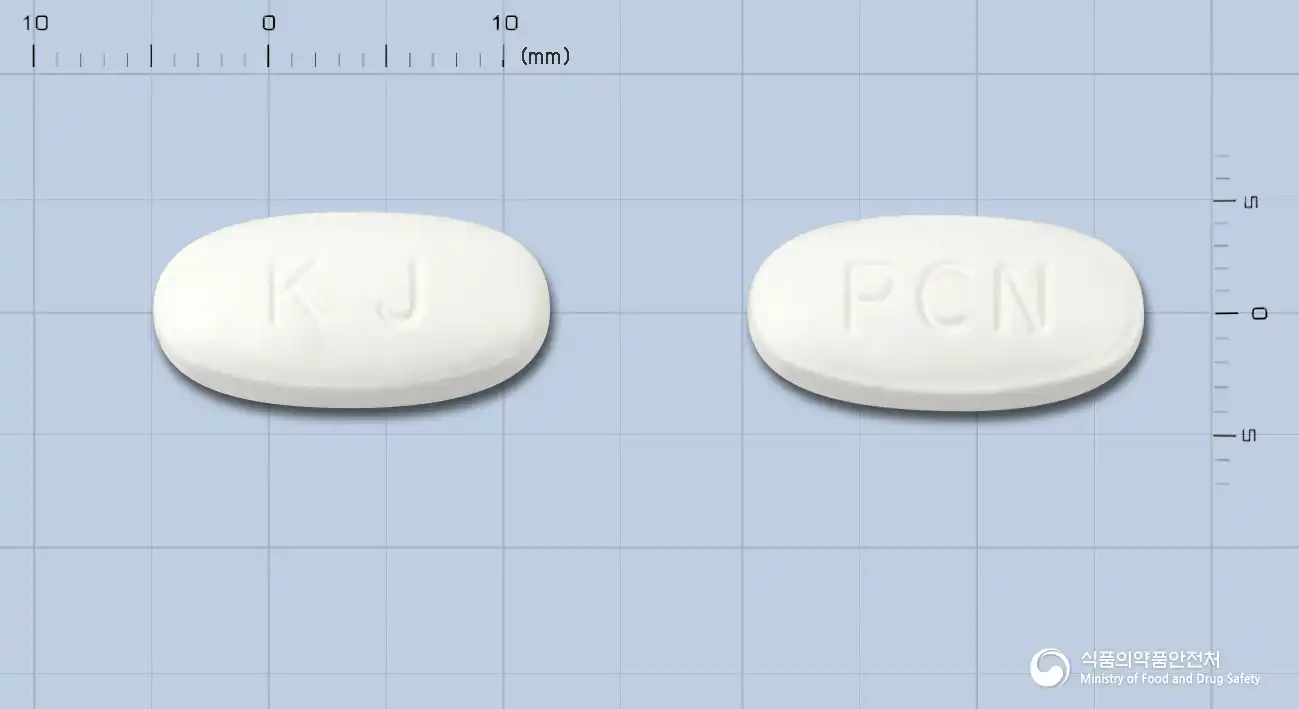
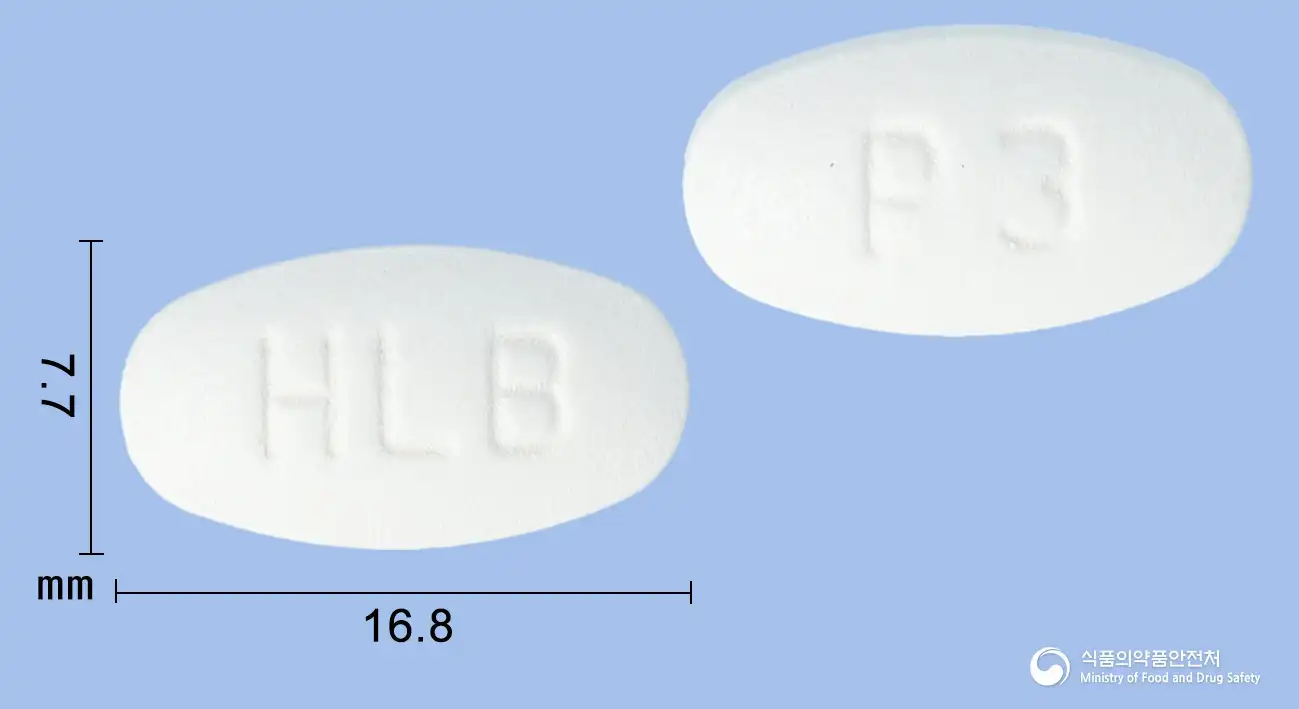
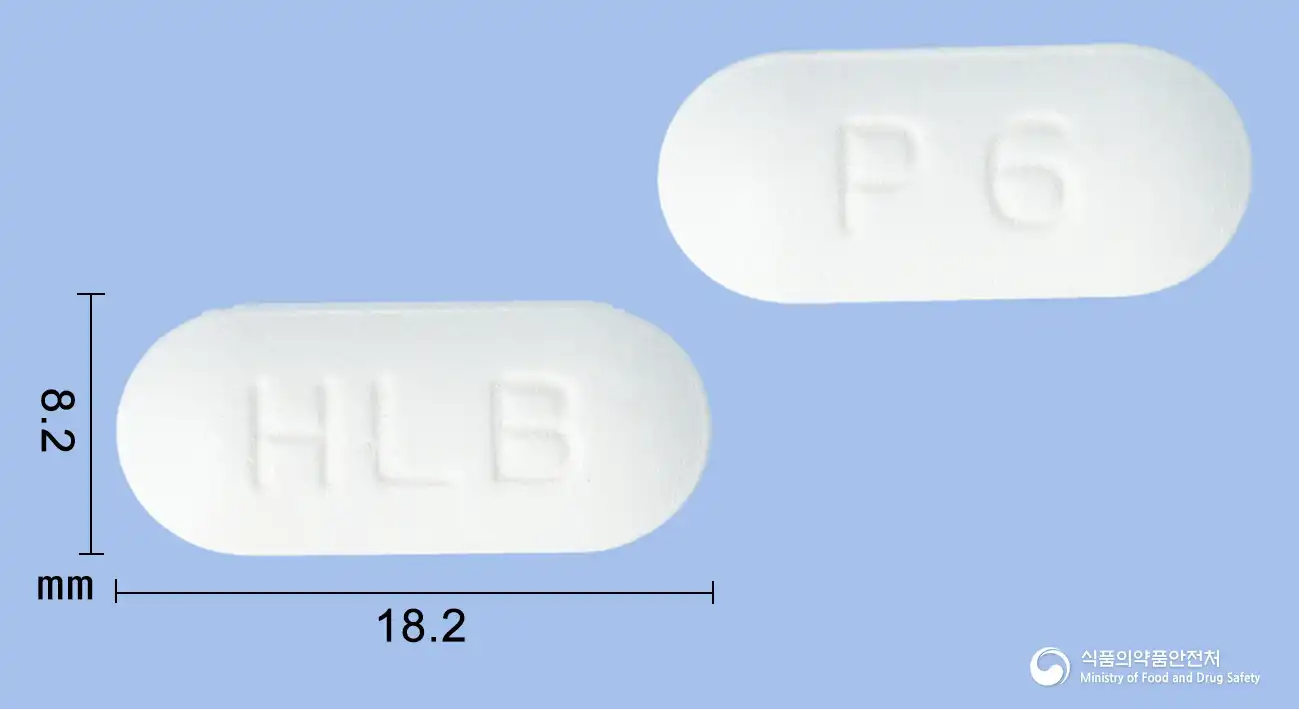
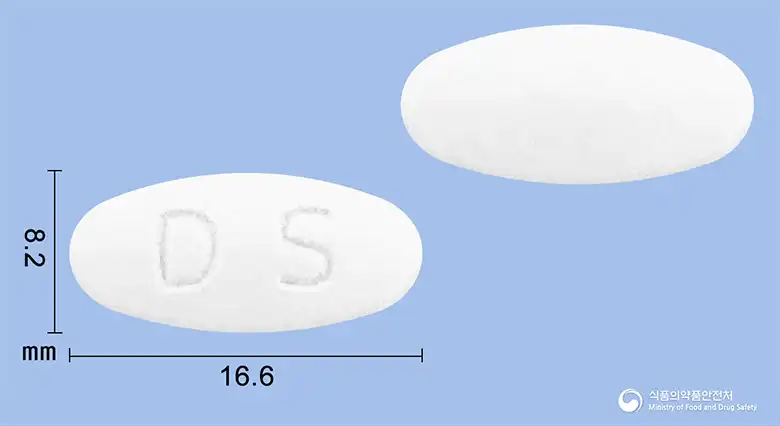
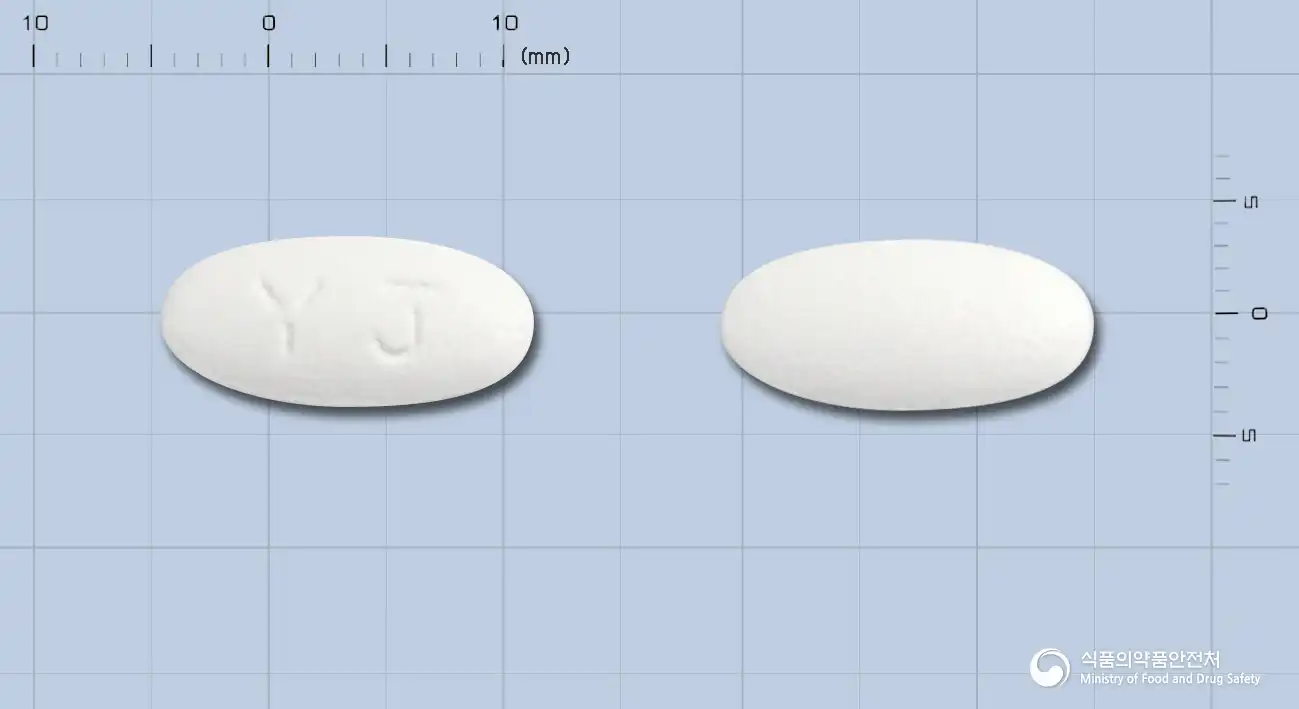
Treatment of infections in the respiratory system (bronchitis, pneumonia) and urogenital system (cystitis, gonorrhea).
Who takes it
Adults · Children
Adult dose
For recurrent tonsillitis and other upper respiratory infections, lower respiratory infections, urinary tract infections, and skin and soft tissue infections of mild to moderate severity, amoxicillin/clavulanate potassium is taken as 25 mg/3.6 mg per kg of body weight per day in two divided doses. For severe infections such as otitis media, sinusitis, and lower respiratory infections such as bronchopneumonia and urinary tract infections, amoxicillin/clavulanate potassium is taken as 45 mg/6.4 mg per kg of body weight per day in two divided doses.
Child dose
The 7:1 syrup is unsuitable for children under 2 months of age and pediatric patients with renal failure.
Treatment of infections in the respiratory system (bronchitis, pneumonia) and urogenital system (cystitis, gonorrhea).
Acute bronchitis
chronic bronchitis
lobar pneumonia
bronchopneumonia
empyema
lung abscess
tonsillitis
sinusitis
otitis media
cystitis
urethritis
pyelonephritis
View approved original textHide original text
This medication is used to treat various infections caused by bacteria. For example, it is effective against respiratory infections such as acute and chronic bronchitis, pneumonia, empyema, and lung abscesses, as well as tonsillitis, sinusitis, and otitis media. Additionally, it is used to treat urogenital infections such as cystitis, urethritis, and pyelonephritis, as well as pelvic infections and gonorrhea. It also has good therapeutic effects for skin and soft tissue infections, furuncles and abscesses, and wound infections. This medication is widely used for the treatment of osteomyelitis and dental infections as well. Thus, it is effectively used for the treatment of various bacterial infections.
How to take
Adult dose
For recurrent tonsillitis and other upper respiratory infections, lower respiratory infections, urinary tract infections, and skin and soft tissue infections of mild to moderate severity, amoxicillin/clavulanate potassium is taken as 25 mg/3.6 mg per kg of body weight per day in two divided doses. For severe infections such as otitis media, sinusitis, and lower respiratory infections such as bronchopneumonia and urinary tract infections, amoxicillin/clavulanate potassium is taken as 45 mg/6.4 mg per kg of body weight per day in two divided doses.
Child dose
The 7:1 syrup is unsuitable for children under 2 months of age and pediatric patients with renal failure.
Precautions
This medication contains the artificial sweetener aspartame and should not be used in patients with phenylketonuria, a genetic disorder.
Care should be taken not to exceed the daily allowable amount of aspartame, and there is a maximum daily dosage defined for adults.
Patients with a history of hypersensitivity to any ingredient in this medication or to beta-lactam antibiotics should not be administered this drug.
Patients with infectious mononucleosis or lymphocytic leukemia have a higher risk of rash when using this medication and should use it with caution.
Patients with a history of liver dysfunction or jaundice caused by this medication or penicillin should not use it.
This medication should not be administered to patients with lactose intolerance or congenital glucose absorption disorders.
Patients with poor liver or kidney function, allergic constitution, elderly patients, or patients with digestive symptoms should use this medication cautiously and may require adjustments in dosing intervals or dosage.
This medication can cause gastrointestinal side effects such as diarrhea, vomiting, or abdominal pain, and if severe gastrointestinal symptoms occur, use should be stopped immediately and a consultation with a physician is necessary.
Abnormal liver function or severe skin reactions and blood disorders may occur rarely, so immediate notification to healthcare personnel is required if such symptoms appear.
This medication can cause severe allergic reactions, so patients with a previous allergy to penicillin should be especially cautious.
There is a risk of resistant bacteria occurring with prolonged use, so it should be used only for the necessary minimum duration and according to the physician's instructions.
Women who are pregnant or may become pregnant should ideally avoid using this medication during the first three months of pregnancy, and nursing mothers should also monitor for adverse reactions in their infants.
The safety of this drug has not been established for premature infants or neonates, so caution is necessary.
Elderly patients may experience more noticeable side effects due to decreased body function, so careful dosing adjustments are advised.
This medication can interact with other drugs, so if other medications are being taken, patients must inform healthcare providers, especially when using blood coagulation-related drugs.
In case of overdose, gastrointestinal symptoms, allergic reactions, kidney problems, etc. may occur, so immediate medical attention is required.
This medication should be stored in a sealed container to prevent air and moisture exposure and kept in a cool place at temperatures between 1 and 25 degrees Celsius.
Storing it this way maintains the drug's effects and prevents deterioration.
Side effects and when to seek care immediately
Serious side effects
Hives, severe swelling, chest tightness, difficulty breathing, cold sweat, pallor, severe allergic reactions, high fever with severe rash, blisters, skin peeling, pain in mucous membranes of mouth/eyes, severe skin abnormal reactions, shortness of breath or breathing difficulties, asthma attacks, respiratory disturbances accompanying cough and fever, respiratory problems, yellowing of skin or eyes, severe malaise, liver abnormalities (jaundice), sudden and severe headaches.
Not everyone experiences these, and they can vary from person to person.
Storage
This medication should be stored in a sealed container to prevent air and moisture entry, at a cool place ideally between 1 degree and 25 degrees Celsius.
Storing it this way ensures the effectiveness of the medication and prevents degradation.
Appearance and packaging
Appearance
White powder with a peculiar smell, for use as a syrup after dissolving.
Package unit
50 milliliters/bottle [(5.5 g/50 mL x 1 bottle)]
Same-ingredient medicines
Even with the same ingredient, strength, dosage form and how it is taken can differ.
Even with the same ingredient, the dose and directions can differ by strength and dosage form. Talk to a doctor or pharmacist before switching from a medication you are already taking.
Questions about this medicine
No questions yet.
For anything that needs medical judgment, consult a doctor or pharmacist.
This drug information is based on data provided by the Korea Ministry of Food and Drug Safety. Consult a doctor or pharmacist for accurate dosage, administration, and usage instructions.

 한국어
한국어 English
 日本語
日本語 中文(简体)