
 한국어
 English
 日本語
 中文(简体)
 Viewing now
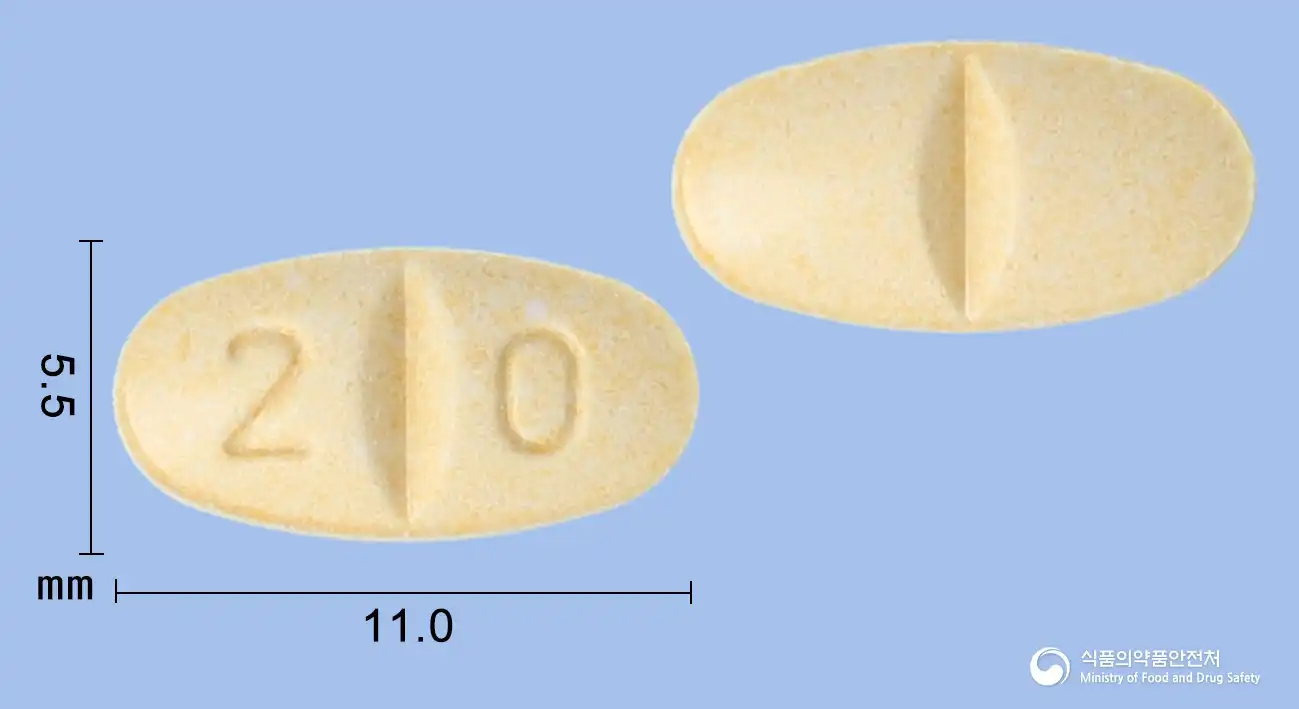
Mevalochin Tablet 20 milligrams (Pravastatin Sodium)
Pravastatin Sodium 20mg
Tablet · Prescription medication
HK inno.N Co., Ltd.
MFDS item code 200200143 · Notified 2002.09.04 · Insurance code 640003800
Treatment of primary hyperlipidemia and prevention of cardiovascular and cerebrovascular diseases (such as myocardial infarction and ischemic stroke)
This medication is used for primary hyperlipidemia, which presents as a combination of hypercholesterolemia and hypertriglyceridemia. It also helps reduce the risk of myocardial infarction or mortality due to coronary heart disease in high-risk patients with hypercholesterolemia that is not controlled by diet alone, such as those with a history of vascular disease, diabetes, smokers, and certain age groups. It is effective in reducing the risk of myocardial infarction recurrence, the need for cardiovascular revascularization, ischemic stroke, and transient ischemic attacks in patients with a history of myocardial infarction or unstable angina. It is used to prevent the occurrence and worsening of cardiovascular diseases through these efficacies.
The usual starting dose is 10 mg, 20 mg, or 40 mg as a single dose once daily. The dose may be increased to a maximum of 40 mg, depending on the patient's response. The maintenance dose is 10–40 mg once daily. 1) In patients with a history of myocardial infarction or unstable angina, the treatment goal of reducing the risk of myocardial infarction, the need for cardiovascular revascularization, ischemic stroke, or transient ischemic attack can be achieved with pravastatin sodium 40 mg/day. The effect of lower doses has not been studied. 2) Patients receiving immunosuppressants such as cyclosporine: The initial dose is 5–10 mg, and extreme caution should be exercised when increasing the dose. The maximum daily dose is 20 mg. However, in kidney transplant patients, the daily dose should not exceed 10 mg.
This medication should not be used in patients with hypersensitivity or severe liver disease. It should not be administered to pregnant women or women who may become pregnant, as well as nursing mothers. It is not recommended for use in children due to lack of established safety and efficacy. Patients with severely impaired liver or kidney function should use this medication with caution, and caution is warranted in cases of liver dysfunction, as liver function may deteriorate. Patients with muscle disorders or cholestasis should also avoid using this medication. Since this medication is primarily metabolized in the liver, regular liver function tests should be conducted, and if liver enzyme levels rise, consultation with a physician is necessary. If symptoms such as muscle pain, muscle weakness, or muscle cramps occur, the physician should be notified immediately, as severe muscle damage known as rhabdomyolysis may occur. During the course of taking this medication, blood lipid levels should be monitored regularly to confirm treatment efficacy. The risk of muscle-related side effects may increase when combined with other medications, particularly fibrates, cyclosporine, niacin, and colchicine; thus, caution is necessary. It should also be administered with caution in patients who consume alcohol excessively or have severe myasthenia. Patients should be instructed to immediately inform healthcare personnel if they experience unexplained muscle pain, weakness, or fever while taking this medication. Older adults may have decreased physiological functions, requiring special attention such as dosage adjustment. Pregnant or nursing women should not take this medication and should discontinue it immediately if pregnancy is confirmed during use. In case of overdose, appropriate tests, including liver function tests, may be necessary. This medication is most effective when taken after dinner, and timing adjustments may be necessary when taken with other medications. It should be kept out of the reach of children, and it is advisable not to transfer it to another container.
Not everyone experiences these, and they can vary from person to person.
This medication should be stored in a tightly closed container, protected from air and moisture, and maintained at room temperature. Proper storage can help preserve the medication's effects for a longer period.
Yellowish, oval-shaped tablet with a bisect on both sides
100 tablets (10 tablets/PTP packaging x 10)
Even with the same ingredient, strength, dosage form and how it is taken can differ.
Viewing nowPravastatin Sodium 20mg
Tablet · Prescription medication
HK inno.N Co., Ltd.
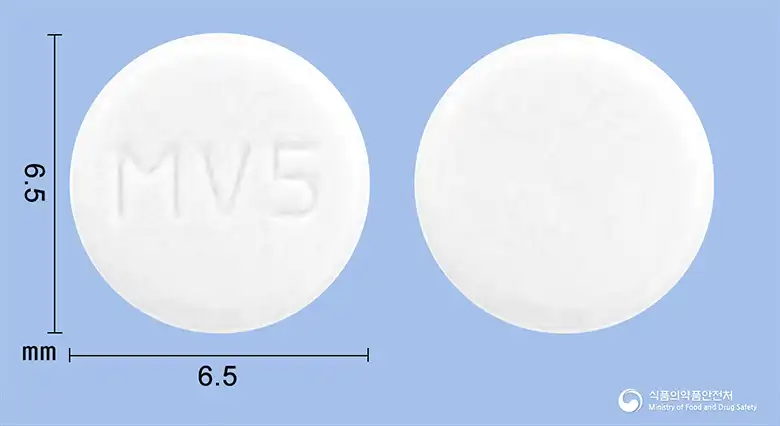
Pravastatin Sodium 5mg
Tablet · Prescription medication
HK inno.N Co., Ltd.
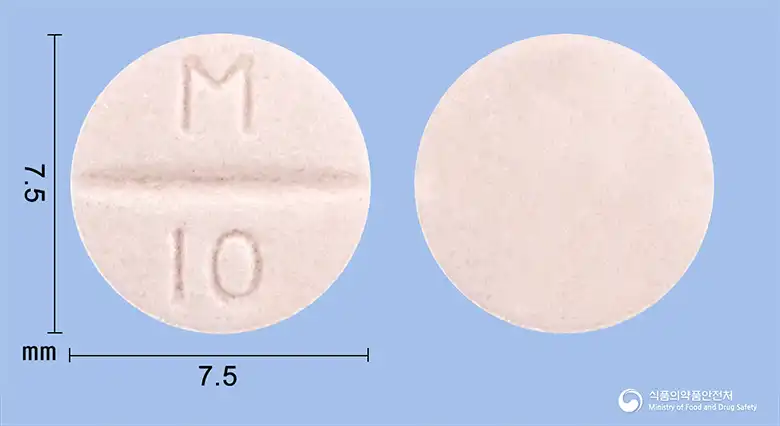
Pravastatin Sodium 10mg
Tablet · Prescription medication
HK inno.N Co., Ltd.
Pravastatin Sodium 5mg
Tablet · Prescription medication
Youngjin Pharmaceutical Co., Ltd.
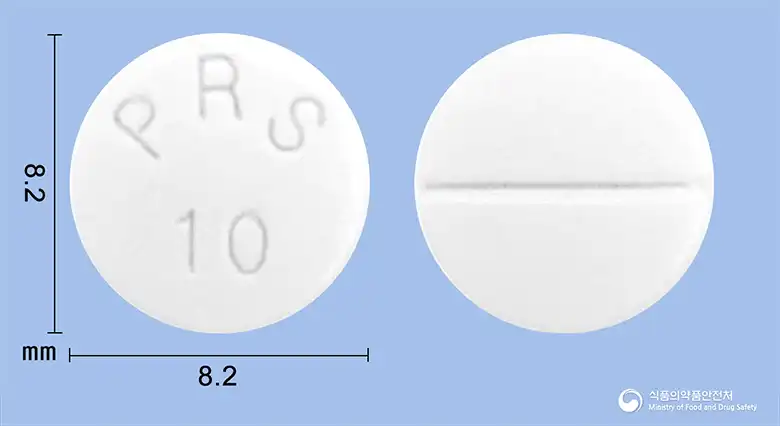
Pravastatin Sodium 10mg
Tablet · Prescription medication
Youngjin Pharmaceutical Co., Ltd.
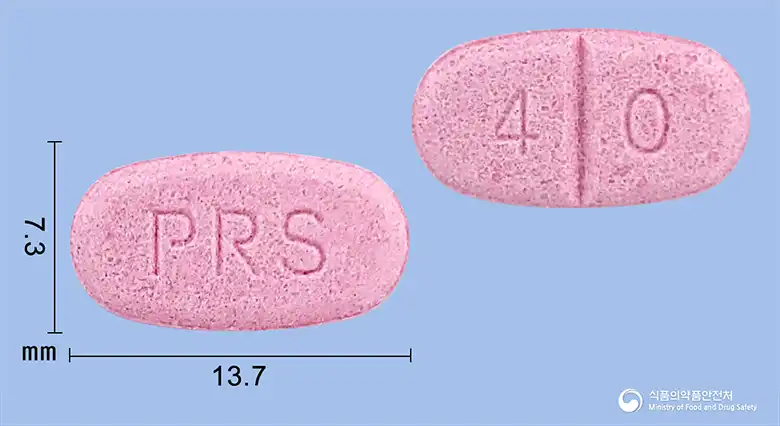
Pravastatin Sodium 40mg
Tablet · Prescription medication
Youngjin Pharmaceutical Co., Ltd.
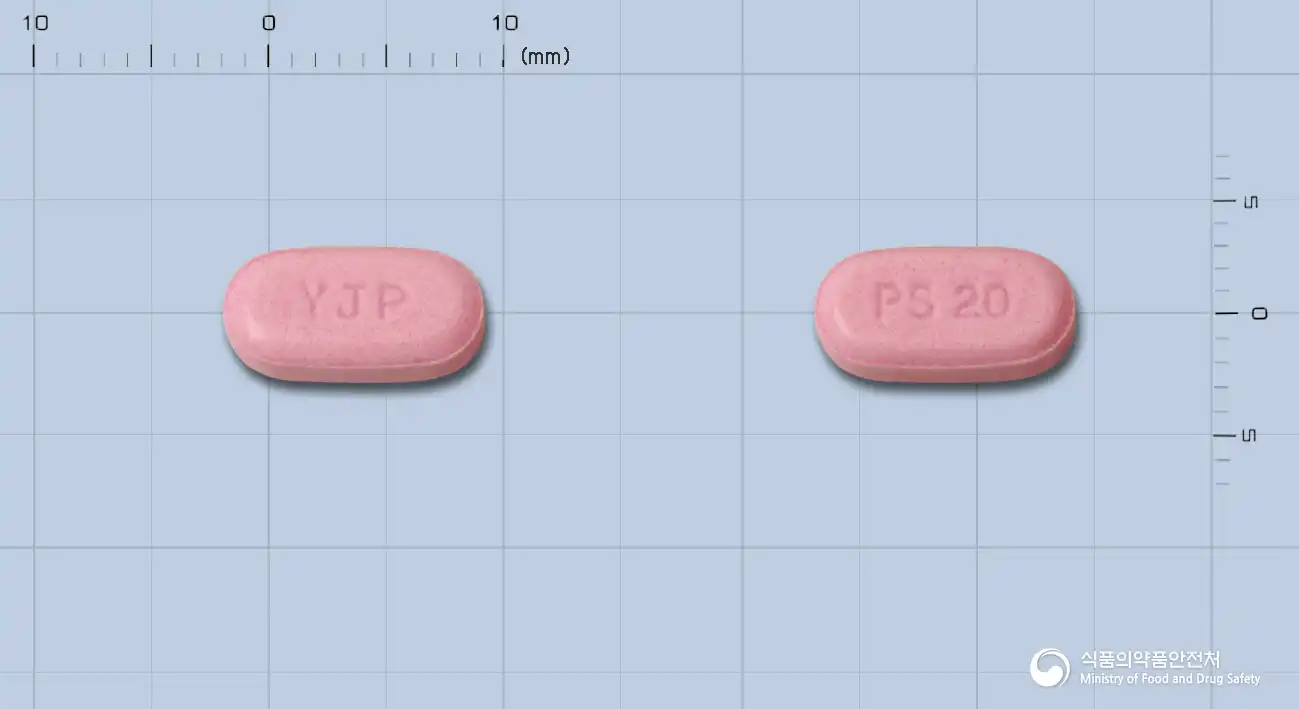
Pravastatin Sodium 20mg
Tablet · Prescription medication
Youngjin Pharmaceutical Co., Ltd.
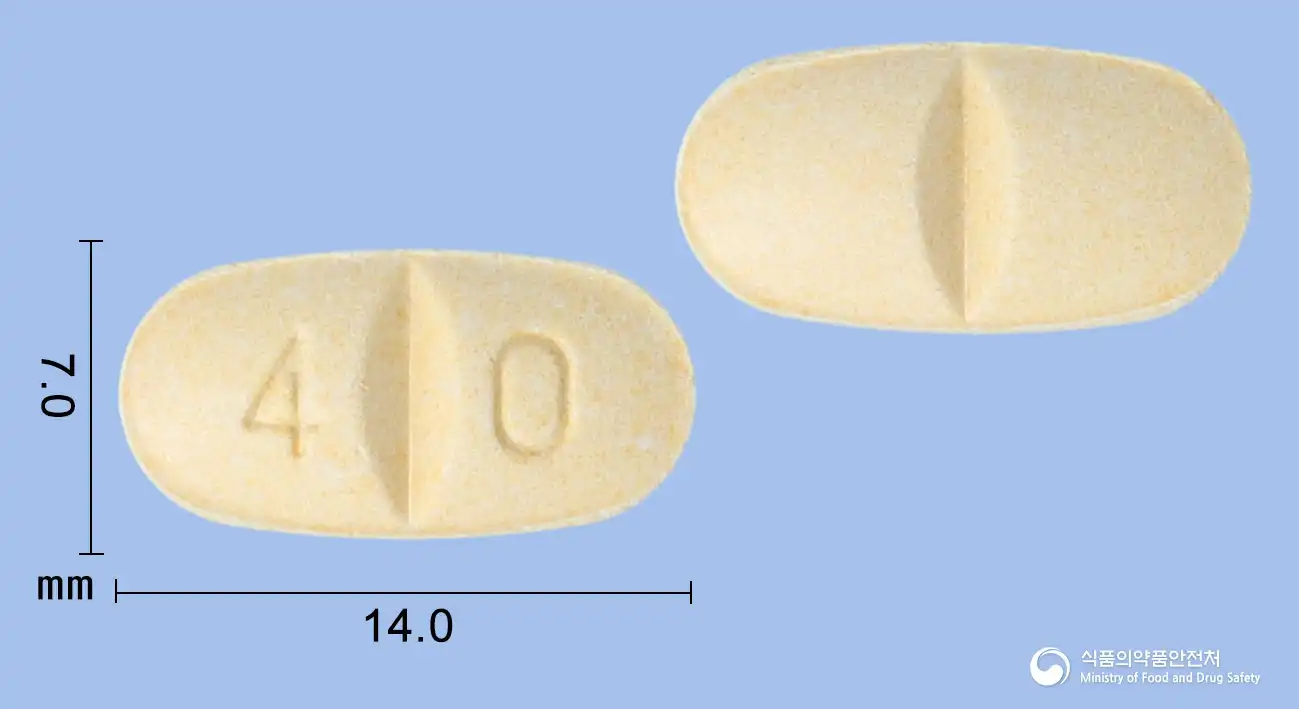
Pravastatin Sodium 40mg
Tablet · Prescription medication
HK inno.N Co., Ltd.
Even with the same ingredient, the dose and directions can differ by strength and dosage form. Talk to a doctor or pharmacist before switching from a medication you are already taking.
No questions yet.
For anything that needs medical judgment, consult a doctor or pharmacist.
This drug information is based on data provided by the Korea Ministry of Food and Drug Safety.
Consult a doctor or pharmacist for accurate dosage, administration, and usage instructions.