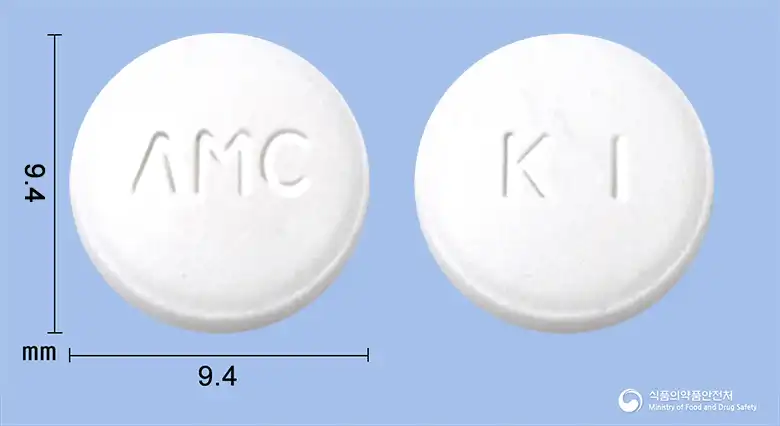
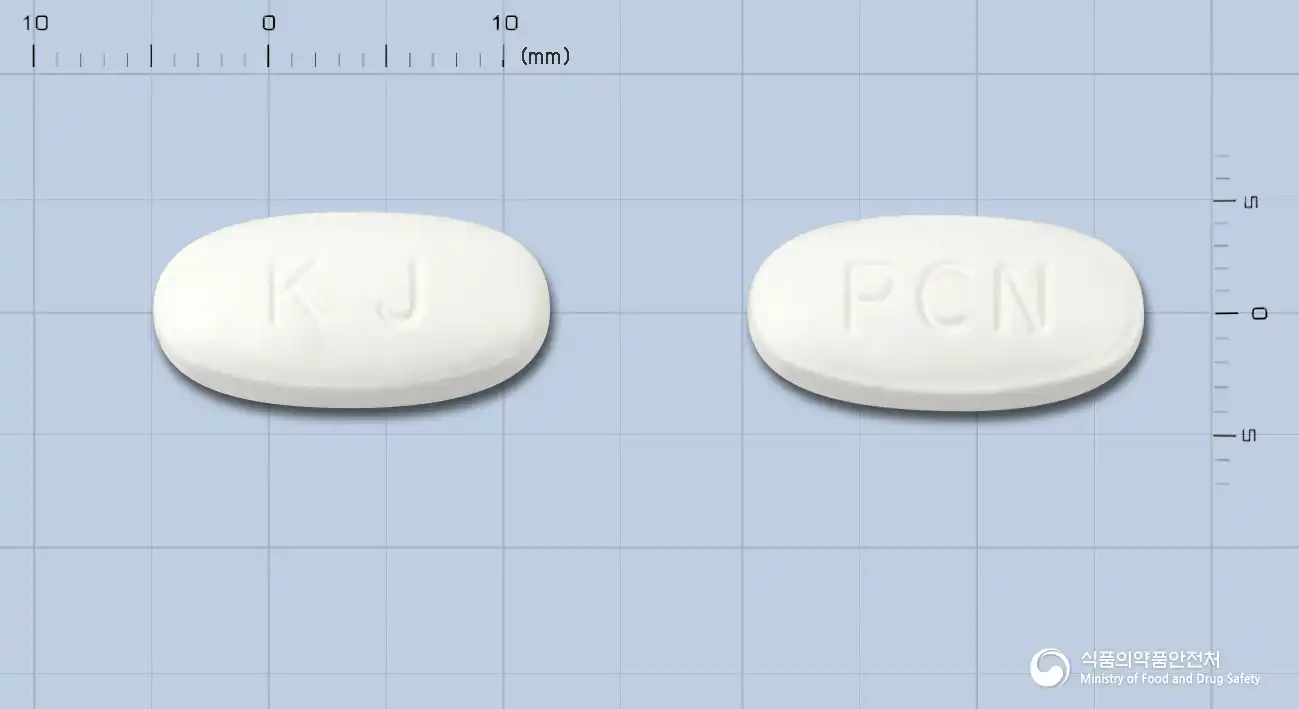
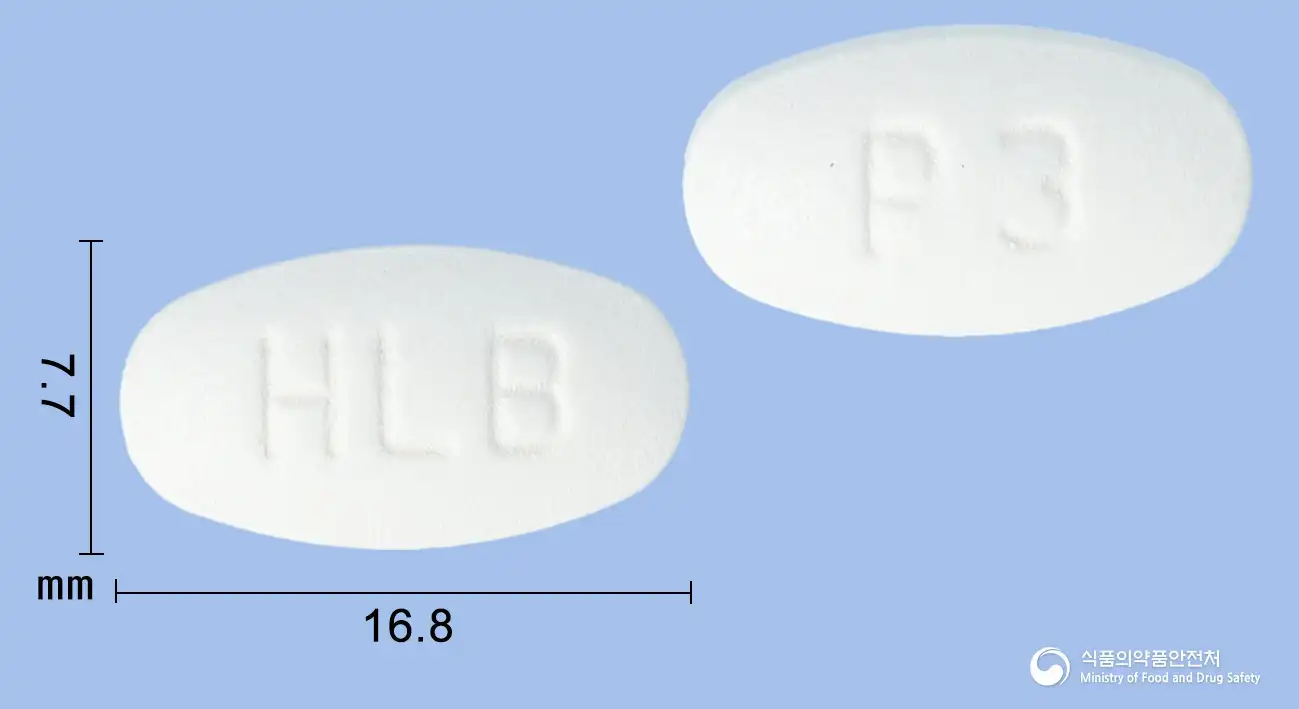
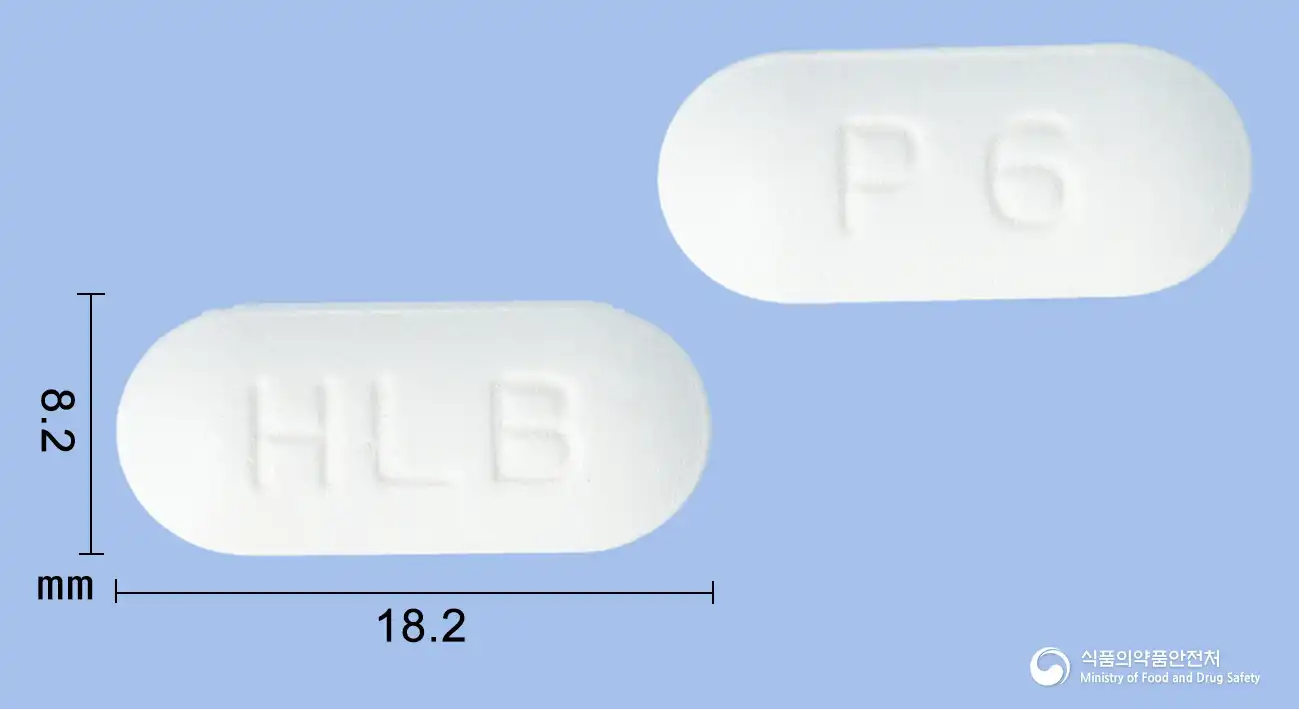
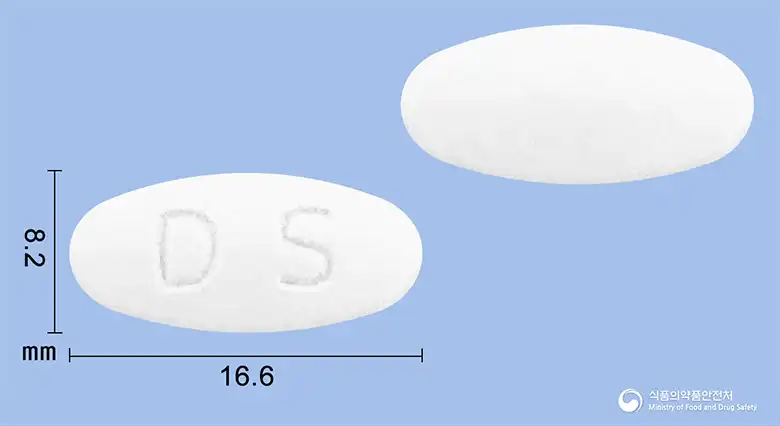
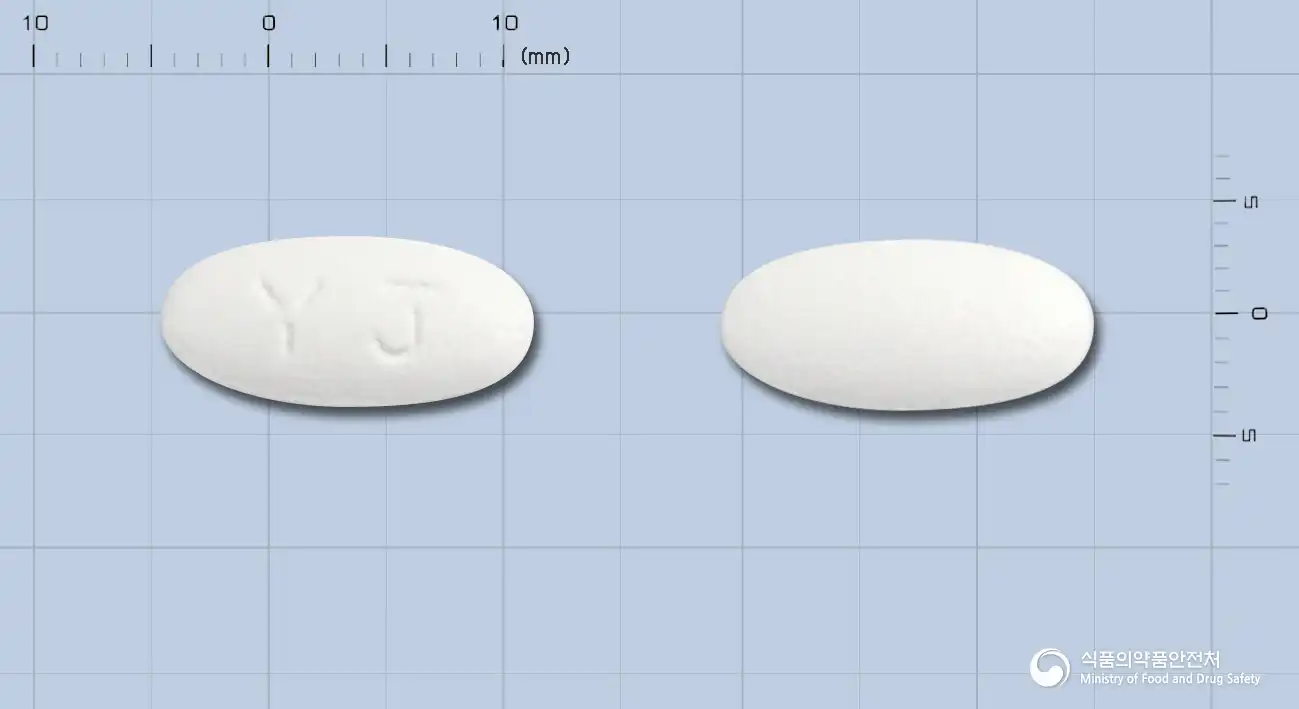
Treatment of respiratory and urogenital infections (bronchitis, pneumonia, cystitis, etc.)
Who takes it
Adults · Children
Adult dose
For recurrent tonsillitis and upper respiratory infections, lower respiratory infections, urinary tract infections, and mild to moderate skin and soft tissue infections, the usual dose is amoxicillin/clavulanate potassium 25 mg/3.6 mg per kg of body weight divided into two doses per day. For more severe infections such as otitis media, sinusitis, lower respiratory infections such as bronchopneumonia, and urinary tract infections, the usual dose is amoxicillin/clavulanate potassium 45 mg/6 per kg of body weight divided into two doses per day.
Child dose
The 7:1 syrup is not suitable for children under 2 months of age. 7:1 syrup is not suitable for pediatric patients with renal failure.
Treatment of respiratory and urogenital infections (bronchitis, pneumonia, cystitis, etc.)
Acute and chronic bronchitis
lobar pneumonia
bronchopneumonia
empyema
pulmonary abscess
tonsillitis
sinusitis
otitis media
cystitis
urethritis
pyelonephritis
pelvic infection
View approved original textHide original text
This medication is effective against a variety of bacteria including Staphylococcus aureus, Streptococcus pneumoniae, Escherichia coli, and Neisseria gonorrhoeae. It is used for respiratory infections such as acute and chronic bronchitis and pneumonia, as well as urogenital infections such as cystitis and urethritis. It is also effective in treating skin and soft tissue infections such as pelvic infections, gonorrhea, abscesses, cellulitis, and wound infections. It is applied for osteomyelitis and dental infections to improve infections. This medication acts broadly against several bacteria and is used for the treatment of various infectious diseases.
How to take
Adult dose
For recurrent tonsillitis and upper respiratory infections, lower respiratory infections, urinary tract infections, and mild to moderate skin and soft tissue infections, the usual dose is amoxicillin/clavulanate potassium 25 mg/3.6 mg per kg of body weight divided into two doses per day. For more severe infections such as otitis media, sinusitis, lower respiratory infections such as bronchopneumonia, and urinary tract infections, the usual dose is amoxicillin/clavulanate potassium 45 mg/6 per kg of body weight divided into two doses per day.
Child dose
The 7:1 syrup is not suitable for children under 2 months of age. 7:1 syrup is not suitable for pediatric patients with renal failure.
Precautions
This medication contains the artificial sweetener aspartame, so patients with the hereditary condition phenylketonuria should not take it. The daily intake of aspartame is limited according to body weight, so the minimum amount should be used. Patients who have had hypersensitivity reactions to any of the ingredients or beta-lactam antibiotics should not use this medication. Patients with infectious mononucleosis or lymphocytic leukemia should be cautious as the risk of rash is higher when taking this medication. Patients who experienced jaundice or hepatic dysfunction due to this medication or penicillin in the past should not be administered this drug. This medication contains lactose and is not suitable for patients with lactose intolerance or related genetic conditions. Patients with liver or kidney function issues should use this medication cautiously, and especially in cases of severe renal impairment, the dosing interval must be adjusted. Individuals with allergic tendencies, the elderly, or patients in poor overall condition may experience symptoms such as vitamin K deficiency when taking this medication, so caution is advised. Patients with gastrointestinal diseases or experiencing vomiting or diarrhea may not absorb the medication sufficiently and should be cautious. Symptoms such as diarrhea, abdominal pain, and blood in the stool may occur during use of this medication, so if any abnormal symptoms appear, it is necessary to stop the medication immediately and consult a physician. Symptoms of hepatic dysfunction may also occur, so liver function tests may be needed during treatment. Rarely, skin rash, itching, and severe allergic reactions may appear, and if symptoms develop, discontinuation of the medication should occur immediately. Blood tests may show changes such as leukopenia or thrombocytopenia, so regular testing is necessary for long-term use. Severe side effects such as central nervous system symptoms or acute renal failure have also been reported, so if any abnormal symptoms occur, it is necessary to inform a physician immediately. It is important to take this medication only for the necessary minimum duration to prevent the development of resistant bacteria, and a history of past allergies must be confirmed before administration. After administration, serious allergic reactions such as anaphylactic shock may occur, so monitoring for a period is required. Regular tests of liver and kidney function, as well as hematopoietic function, should be conducted for long-term use, and after preparation, the medication should be stored in the refrigerator and consumed within 7 days. It is recommended that women in early pregnancy or those who could become pregnant avoid taking this medication, and those who are breastfeeding should also exercise caution as side effects may occur in the infant. Safety has not been established for premature infants or neonates, and use is not recommended. The elderly should take this medication cautiously, adjusting the dose and dosing interval due to decreased physiological functions, which may increase the risk of side effects. Taking this medication may influence some clinical test results, so it is necessary to inform healthcare providers about the use of the medication before tests. In case of overdose, gastrointestinal symptoms, renal failure, and seizures may occur, and in such cases, discontinuation of the medication and appropriate treatment should be sought immediately. Since this medication may interact with other drugs, it is essential to inform the physician or pharmacist of any other medications being taken.
Side effects and when to seek care immediately
Serious side effects
Hives, severe swelling (edema), chest tightness, difficulty breathing, cold sweat, paleness, anaphylaxis, Stevens-Johnson syndrome, shock, severe rash with high fever, blisters, skin peeling, pain in mouth/eyes mucous membranes, shortness of breath or difficulty breathing, asthma attacks, respiratory distress with cough and fever, yellowing of the skin or eyes (jaundice), profound lethargy, hepatitis, cholestatic jaundice.
Mild side effects
Diarrhea
pseudomembranous colitis
indigestion
stomatitis
gastritis
glossitis
black hairy tongue
nausea
vomiting
loss of appetite
Show 23 moreCollapse
abdominal pain
abdominal bloating
constipation
colonic pain
hyperacidity
soft stools
dry mouth
blood in stool
candidiasis
colitis
itching
erythema multiforme
drug reaction (DRESS)
thrombocytopenia
leukopenia
anemia
thrombocytopenic purpura
eosinophilia
lymphopenia
thrombocytosis
bone marrow suppression
vaginal itching
discharge.
Not everyone experiences these, and they can vary from person to person.
Storage
This medication should be stored in a tightly sealed container to protect it from air and moisture. The appropriate storage temperature is in a cool place between 1 degree to 25 degrees.
Appearance and packaging
Appearance
A syrup preparation in the form of a whitish powder with a peculiar smell that is dissolved when used.
Package unit
5.5g/50ml/bottle, 500mL/bottle
Same-ingredient medicines
Even with the same ingredient, strength, dosage form and how it is taken can differ.
Even with the same ingredient, the dose and directions can differ by strength and dosage form. Talk to a doctor or pharmacist before switching from a medication you are already taking.
Questions about this medicine
No questions yet.
For anything that needs medical judgment, consult a doctor or pharmacist.
This drug information is based on data provided by the Korea Ministry of Food and Drug Safety. Consult a doctor or pharmacist for accurate dosage, administration, and usage instructions.

 한국어
한국어 English
 日本語
日本語 中文(简体)