
 한국어
 English
 日本語
 中文(简体)
 Viewing now
Femara Tablets (Letrozole)
Letrozole 2.5mg
Tablet · Prescription medication
Novartis Korea Co., Ltd.
MFDS item code 200108765 · Approved 2001.12.11 · Insurance code 653601250
Treatment of early and advanced breast cancer in postmenopausal women
This medication is primarily used for the treatment of hormone receptor-positive breast cancer occurring in postmenopausal women. It is effective as an adjuvant therapy after 5 years of tamoxifen treatment for early invasive breast cancer, and is applicable as first-line treatment for locally advanced or metastatic breast cancer. It also serves as a good treatment option in cases where there has been a recurrence after anti-estrogen therapy. This drug helps inhibit the growth of hormone receptor-positive breast cancer cells, thereby preventing cancer progression. As such, it is utilized in the treatment of invasive and progressive breast cancer in postmenopausal women, improving the treatment prognosis for patients.
○ Adults and older adults : The recommended dose is 2.5 mg of letrozole orally once daily, regardless of meals. If a dose is missed, take it as soon as remembered. However, if it is close to the time for the next dose, skip the missed dose and take the next dose at the scheduled time. Do not take a double dose to make up for a missed dose, and do not exceed the recommended dose of 2.5 mg. In patients with metastatic disease, treatment should be continued until progression of the cancer is confirmed. For adjuvant therapy and extended adjuvant therapy following adjuvant tamoxifen therapy, treatment may be continued for 5 years. If cancer recurs during treatment, discontinue the medicine (for extended adjuvant therapy following adjuvant tamoxifen therapy, the optimal treatment duration associated with long-term use has not been established.). ○ Patients with hepatic impairment : The blood concentration of this medicine is slightly increased in patients with moderate hepatic impairment due to cirrhosis, but no dosage adjustment is necessary in patients with mild to moderate hepatic impairment. However, if this medicine is used in patients with severe hepatic impairment (Child-Pugh score C), continuous and careful supervision is required. ○ Patients with renal impairment : No dosage adjustment is necessary in patients with renal impairment and creatinine clearance of 10 mL/min or greater.
This medication should not be used in certain patients. Individuals allergic to this drug or its components, premenopausal women, women who are pregnant or may become pregnant, and nursing mothers should not take this medication. Caution must be exercised when prescribing this medication to patients with severely impaired kidney function or severe liver dysfunction. Additionally, patients with a history of osteoporosis or high fracture risk, as well as women whose menopausal status is uncertain should consult a specialist before taking this medication. Various side effects may occur while taking this medication. Common symptoms often manifest due to decreased estrogen levels, including facial flushing, arthralgia, fatigue, nausea, etc. Adverse reactions such as hypercholesterolemia, hair loss, dry skin, thrombosis, and osteoporosis have also been reported. This drug is primarily metabolized in the liver, so patients with compromised liver function need to exercise caution and should promptly notify healthcare professionals if symptoms of liver dysfunction appear. While driving or operating machinery, one must be cautious as there may be fatigue or dizziness. Furthermore, this medication may interact with other drugs, so if currently taking any medications, it is essential to inform the physician or pharmacist. Women who are pregnant or breastfeeding should not take this medication, and women who may become pregnant should use sufficient contraception. The safety and efficacy of this drug in children under 17 years of age have not been established. There is no special dose adjustment needed for the elderly, but caution is required as there may be a higher risk of fractures. In the case of overdose, as there is no specific antidote, proper treatment and monitoring based on symptoms are necessary. This medication should be kept out of the reach of children and stored in its original container for safety.
Not everyone experiences these, and they can vary from person to person.
This medication should be stored in a tightly sealed container that is well-ventilated and kept in a cool place below 30 degrees Celsius. It is also important to store it in an environment free from excessive moisture.
Dark yellow round film-coated tablets
30 tablets (10 tablets/PTP packaging × 3)
Even with the same ingredient, strength, dosage form and how it is taken can differ.
Viewing nowLetrozole 2.5mg
Tablet · Prescription medication
Novartis Korea Co., Ltd.
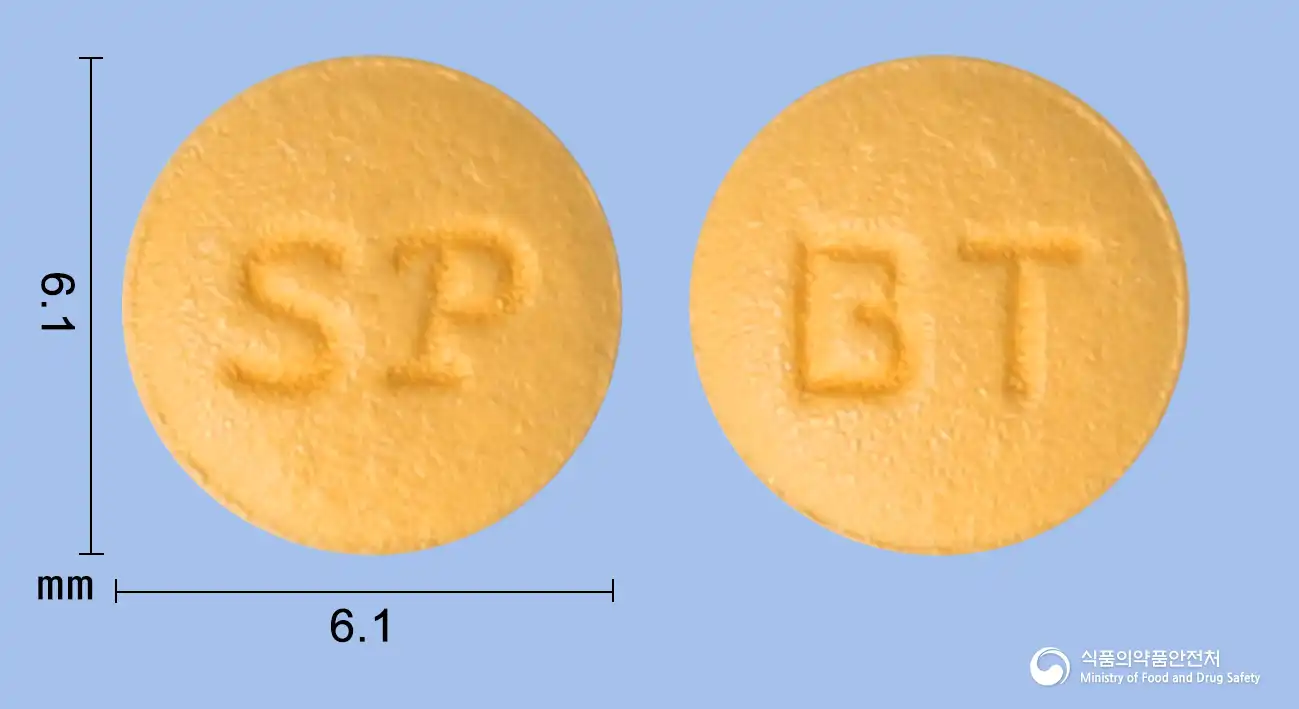
Letrozole 2.5mg
Tablet · Prescription medication
Shinpoong Pharmaceutical Co., Ltd.
Letrozole
Prescription medication
Dongkuk Pharmaceutical Co., Ltd.
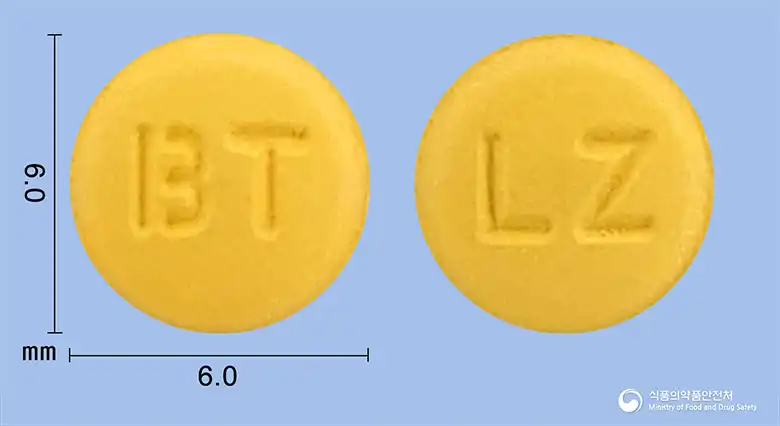
Letrozole 2.5mg
Tablet · Prescription medication
Huons Life Science Co., Ltd.
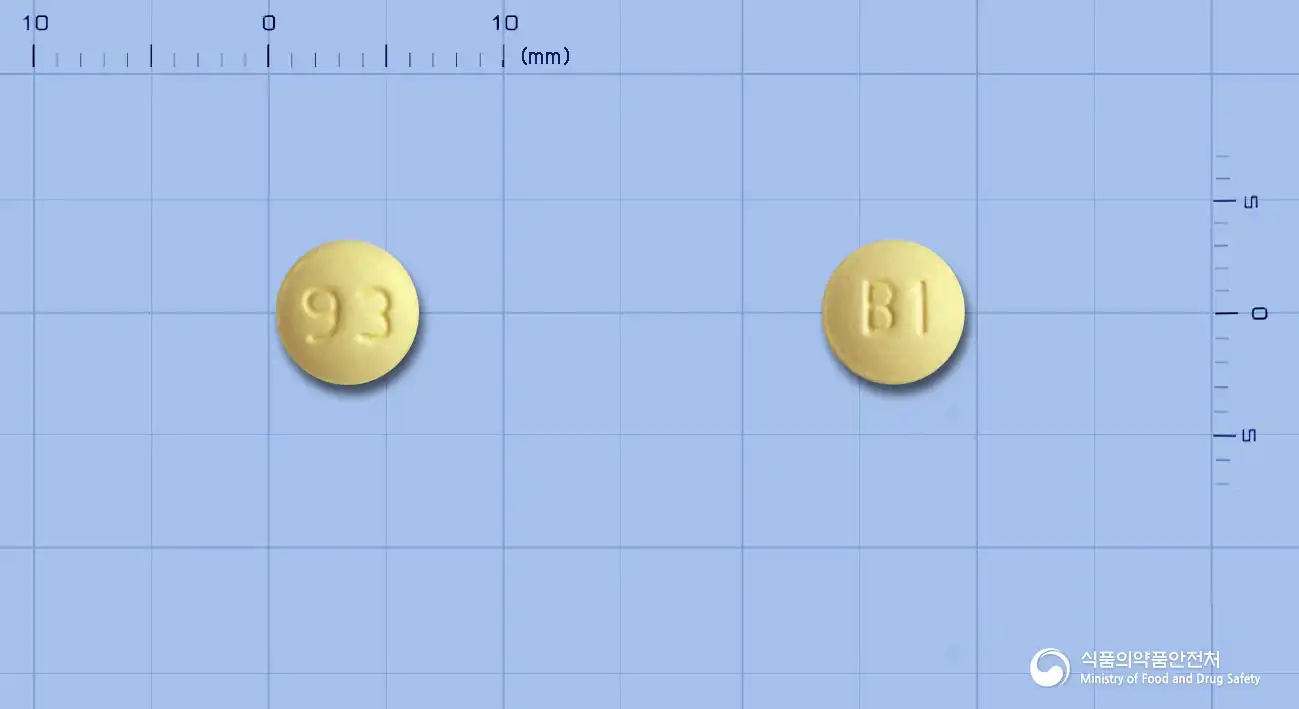
Letrozole 2.5mg
Tablet · Prescription medication
Handok Teva Co., Ltd.
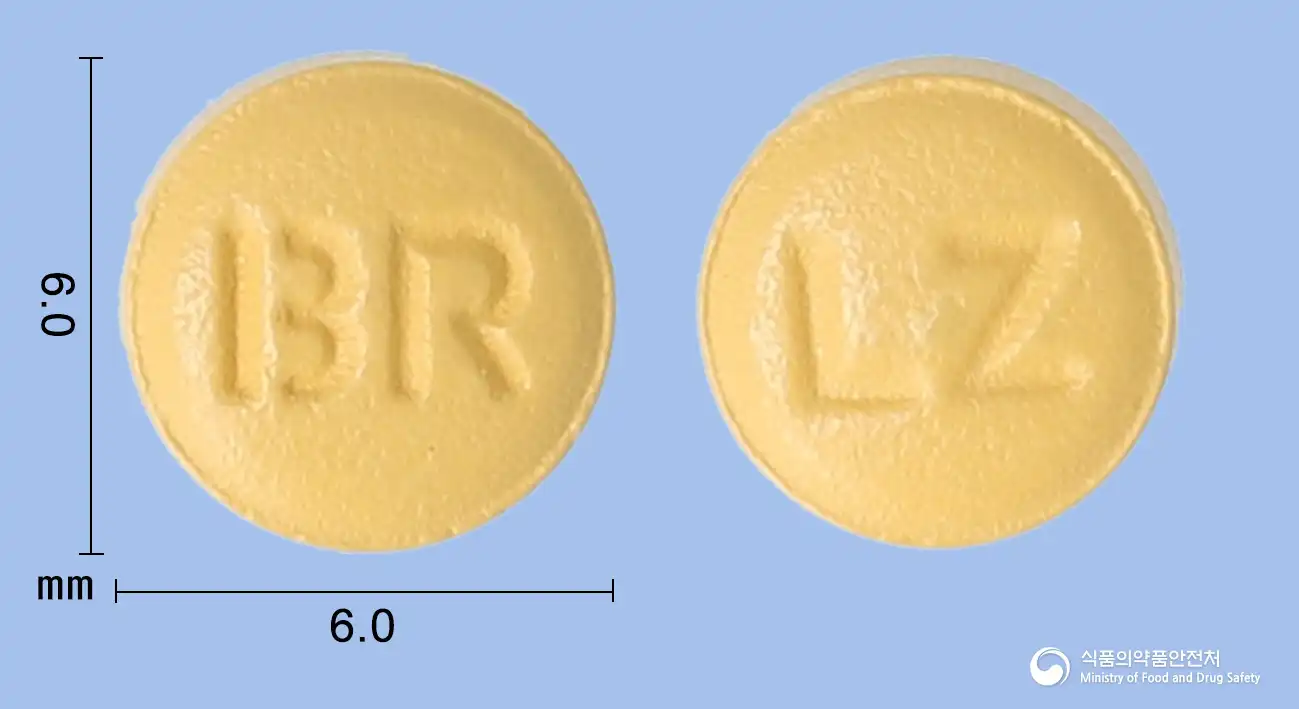
Letrozole 2.5mg
Tablet · Prescription medication
Boryung Pharmaceutical Co., Ltd.
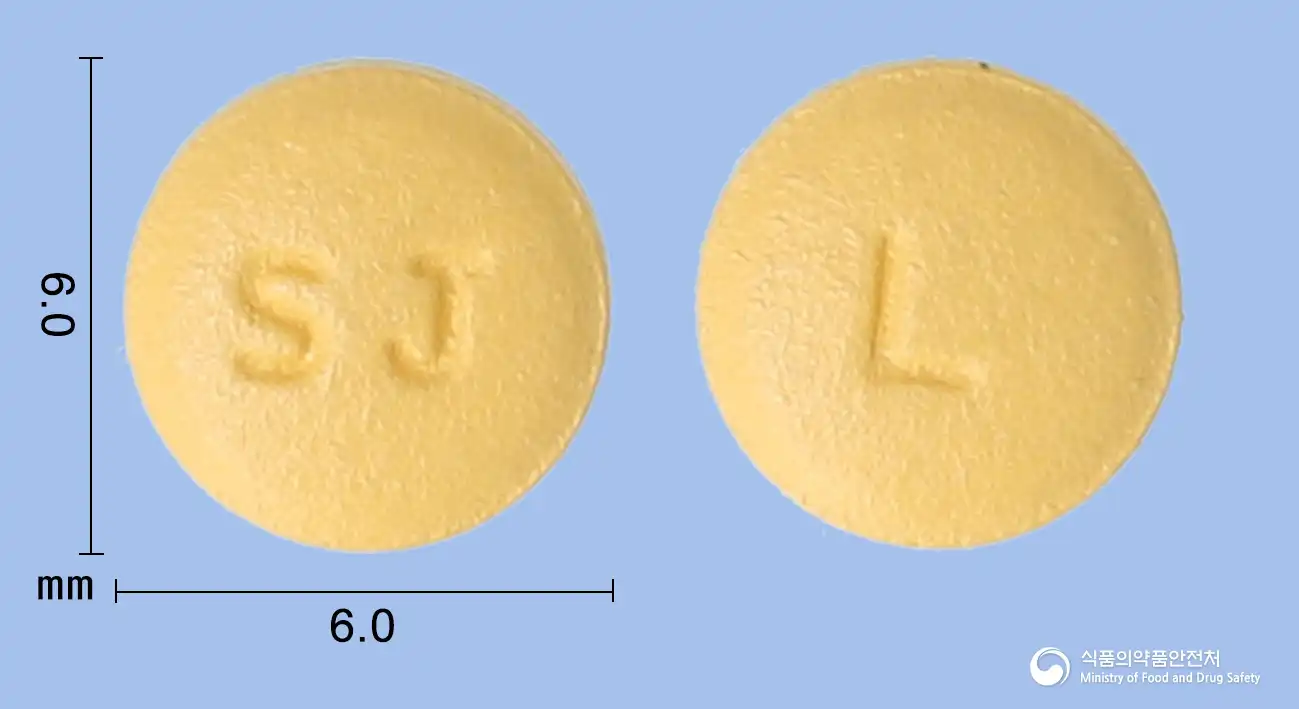
Letrozole 2.5mg
Tablet · Prescription medication
Samjin Pharmaceutical Co., Ltd.
Even with the same ingredient, the dose and directions can differ by strength and dosage form. Talk to a doctor or pharmacist before switching from a medication you are already taking.
No questions yet.
For anything that needs medical judgment, consult a doctor or pharmacist.
This drug information is based on data provided by the Korea Ministry of Food and Drug Safety.
Consult a doctor or pharmacist for accurate dosage, administration, and usage instructions.