
 한국어
한국어 English
 日本語
日本語 中文(简体)
 Viewing now
Concor 2.5 mg Tablets (Bisoprolol Fumarate)
Bisoprolol Fumarate 2.5mg
Tablet · Prescription medication
Merck Co., Ltd.
MFDS item code 200108739 · Notified 2001.05.18 · Insurance code 661700390
Treatment of stable chronic heart failure with reduced left ventricular contractility
This medication is used for the treatment of patients with stable chronic heart failure and reduced left ventricular contractility. It is usually administered in combination with ACE inhibitors and diuretics, and, if necessary, cardiac glycosides may also be used. This medication helps to support heart function, alleviate symptoms, and improve the patient's condition. When taken regularly and according to a doctor's instructions, it is effective in treating heart failure.
Take the medication without chewing with a beverage either on an empty stomach in the morning or during breakfast. Start taking this medication in a stable state without acute heart failure symptoms. The initial dose is 1.25mg once daily, and after observing tolerance, gradually increase the dose to 2.5mg, 3.75mg, 5mg, 7.5mg, and 10mg in 2-week intervals. The maintenance dose is 10mg once a day, and the maximum recommended dose is also 10mg once a day.
There is no experience with use in children, so administration is not recommended.
This medication has not been used in patients with certain heart conditions, so caution is required. In particular, it should be used carefully in patients with insulin-dependent diabetes, severe renal or liver dysfunction, restrictive cardiomyopathy, severe valvular disease, or those who have recently had a myocardial infarction. Patients with bronchial asthma or chronic obstructive pulmonary disease should use it in conjunction with bronchodilators, and asthma patients may experience increased airway resistance. This medication may trigger allergic reactions more easily, so individuals with a history of allergies should use caution. Patients with psoriasis or a history of psoriasis should carefully consider the risks and benefits of this medication before use. Patients with certain hormone-related tumors should only use this medication after other drug treatments. This medication can mask symptoms of hyperthyroidism, so patients with thyroid disease should exercise caution. Regular monitoring is required at the beginning of treatment, and it should never be suddenly stopped, as this could worsen heart conditions. Patients with diabetic ketoacidosis, severe bradycardia, cardiogenic shock, acute heart failure, severe hypotension, severe peripheral circulation disorders, and pregnant women should not take this medication. Patients with severe bronchial asthma or untreated certain tumors should also avoid this medication. Caution should be exercised in patients with bronchial asthma or obstructive pulmonary disease, those at risk of heart failure, uncontrolled diabetes, or those with severe liver or kidney dysfunction. During the course of treatment, side effects such as bradycardia, hypotension, dizziness, fatigue, indigestion may occur, so consult a doctor if symptoms arise. Long-term use requires regular monitoring of cardiac function and blood pressure and pulse; if symptoms become severe, the dose may need to be reduced or stopped. Many drug interactions are possible, so inform your doctor about any other medications you are taking, especially if you are using calcium channel blockers, central nervous system agents, antiarrhythmics, or hypoglycemic agents. Pregnant women or those who may become pregnant should avoid this medication, and if breastfeeding, should either avoid it or discontinue breastfeeding. Safety has not been established in pediatric patients, so it should not be used in children. Older adults should start with lower doses and use it cautiously, and dosage adjustment may be necessary if there is impaired liver or kidney function. This medication may affect driving or machine operation ability, so caution is advised at the beginning of treatment or when the dosage is adjusted. In cases of overdose, severe symptoms such as bradycardia, hypotension, or bronchial spasms may occur, so immediate medical attention is necessary. Keep this medication out of reach of children, and store it in its original container to prevent loss of quality. Be careful when opening the packaging to avoid injury.
Hives, severe swelling (edema), chest tightness, difficulty breathing, cold sweat, pallor, severe allergic reactions, severe rash with fever, blisters, peeling skin, mucosal pain in the mouth/eyes, severe skin reactions, shortness of breath or difficulty breathing, asthma attacks, respiratory issues accompanied by cough + fever, yellowing of the skin or eyes (jaundice), extreme lethargy, liver abnormalities (jaundice), sudden and severe headache.
Bradycardia, worsening heart failure, coldness or numbness in the limbs, hypotension, dizziness, headache, nausea, vomiting, diarrhea, constipation, weakness, fatigue, atrioventricular block, orthostatic hypotension, sleep disturbances, depression, bronchospasm, muscle atrophy and cramps, nightmares, hallucinations, reduced tear production, hearing impairment, allergic rhinitis, hypersensitivity (itching, redness, rash, angioedema), hepatitis, erectile dysfunction, conjunctivitis, exacerbation or psoriasis.
Not everyone experiences these, and they can vary from person to person.
This medication should be stored in a tightly closed container to protect it from air and moisture. It is also important to store it in a cool place at or below 25 degrees Celsius to maintain its effectiveness.
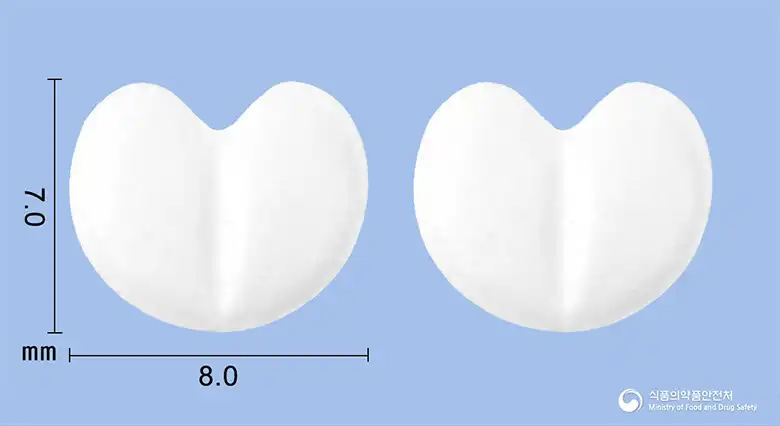
Convex, heart-shaped, pure white film-coated tablets with a score line on both sides
30 tablets (10 tablets/PTP packaging x 3)
Even with the same ingredient, strength, dosage form and how it is taken can differ.
Viewing nowBisoprolol Fumarate 2.5mg
Tablet · Prescription medication
Merck Co., Ltd.
Bisoprolol Fumarate 5mg
Tablet · Prescription medication
Merck Co., Ltd.
Bisoprolol Fumarate 5mg
Tablet · Prescription medication
Celix Co., Ltd.
Bisoprolol Fumarate 5mg
Tablet · Prescription medication
Ilhwa Co., Ltd.
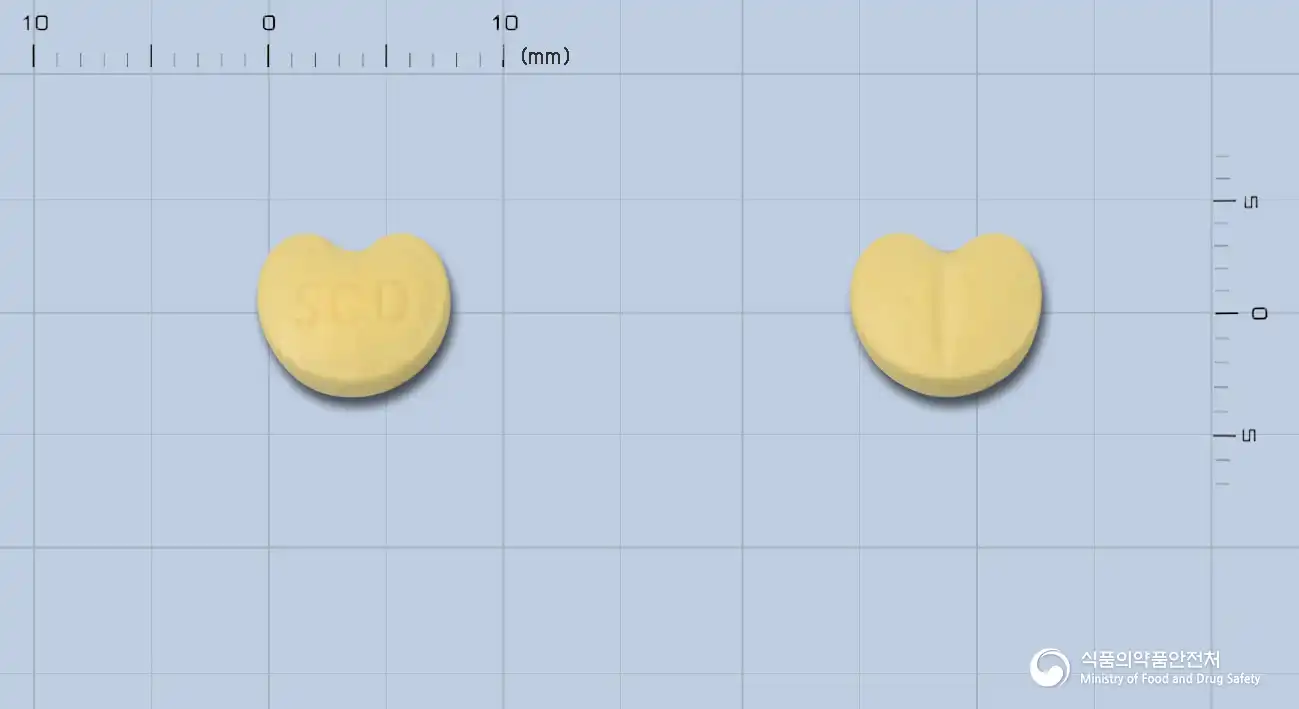
Bisoprolol Fumarate 5mg
Tablet · Prescription medication
Samchundang Pharmaceutical Co., Ltd.
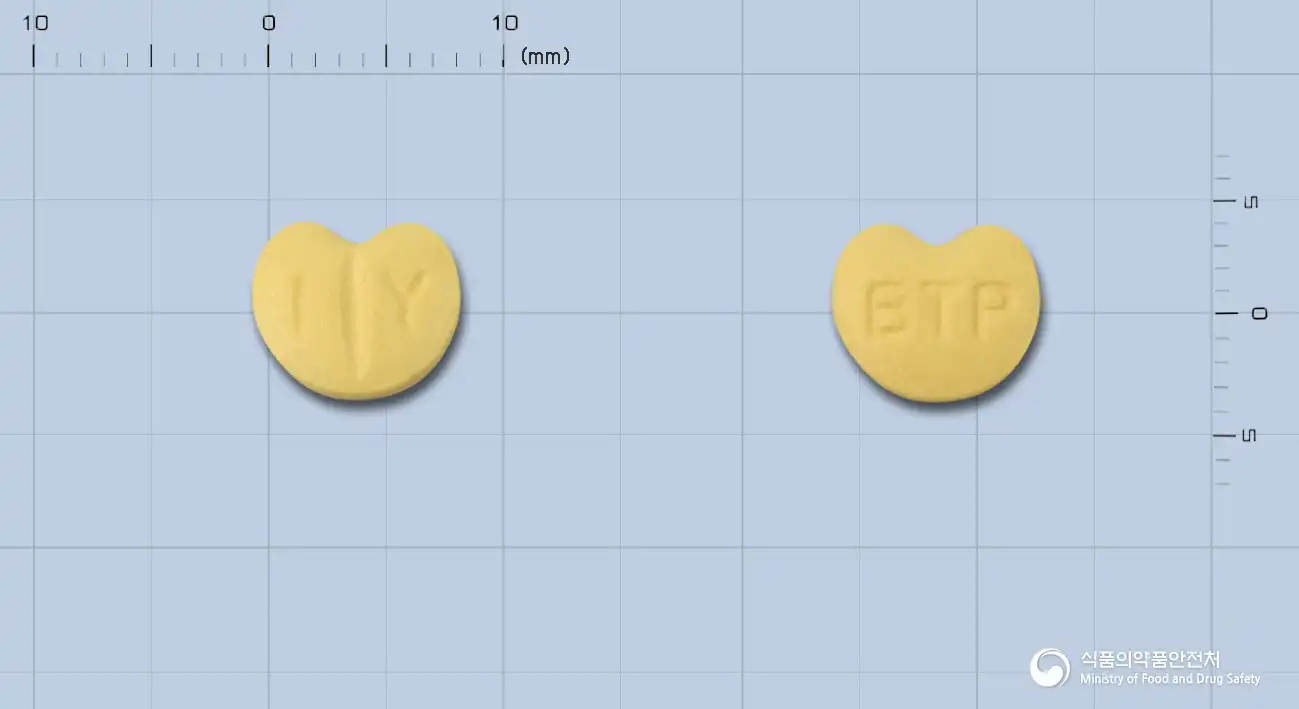
Bisoprolol Fumarate 5mg
Tablet · Prescription medication
Il Yang Pharmaceutical Co., Ltd.
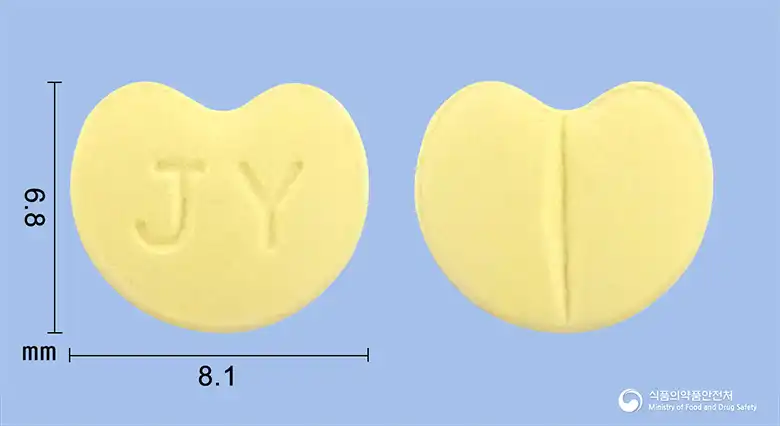
Bisoprolol Fumarate 5mg
Tablet · Prescription medication
Jinyang Pharmaceutical Co., Ltd.
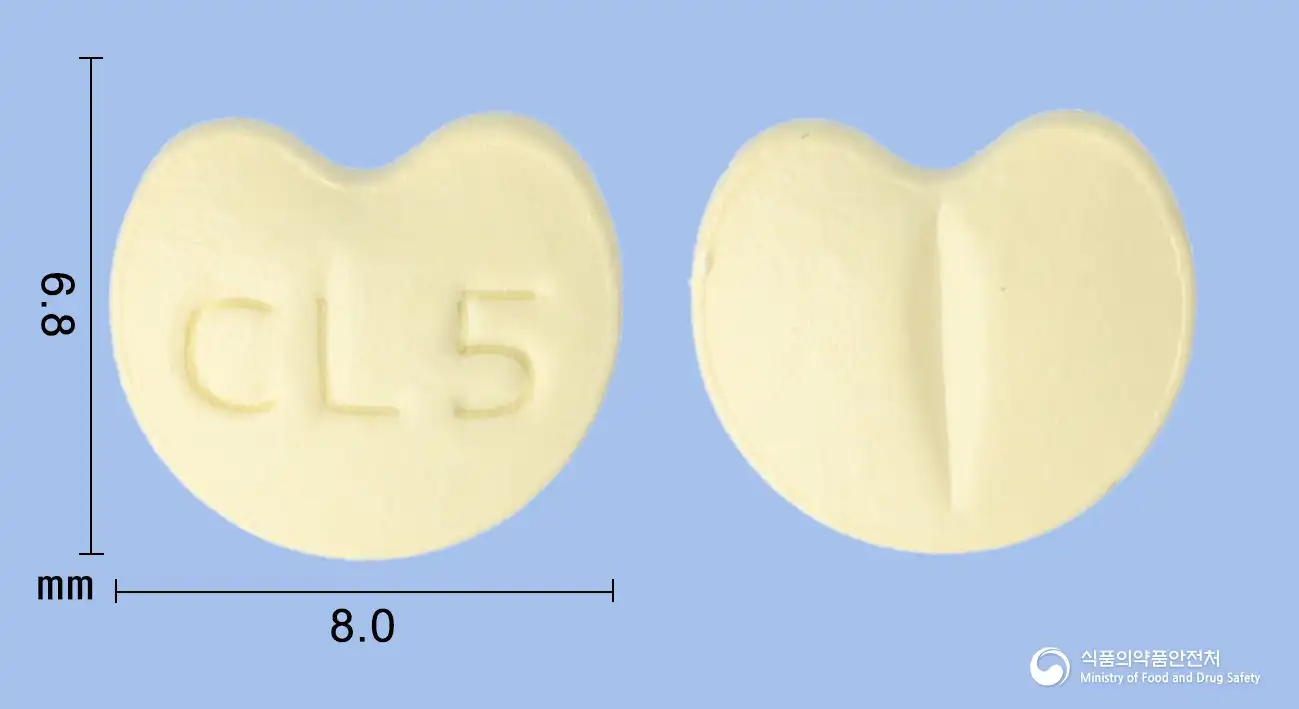
Bisoprolol Fumarate 5mg
Tablet · Prescription medication
Ellison Pharmaceuticals Co., Ltd.
Even with the same ingredient, the dose and directions can differ by strength and dosage form. Talk to a doctor or pharmacist before switching from a medication you are already taking.
No questions yet.
For anything that needs medical judgment, consult a doctor or pharmacist.
This drug information is based on data provided by the Korea Ministry of Food and Drug Safety.
Consult a doctor or pharmacist for accurate dosage, administration, and usage instructions.