
 한국어
한국어 English
 日本語
日本語 中文(简体)
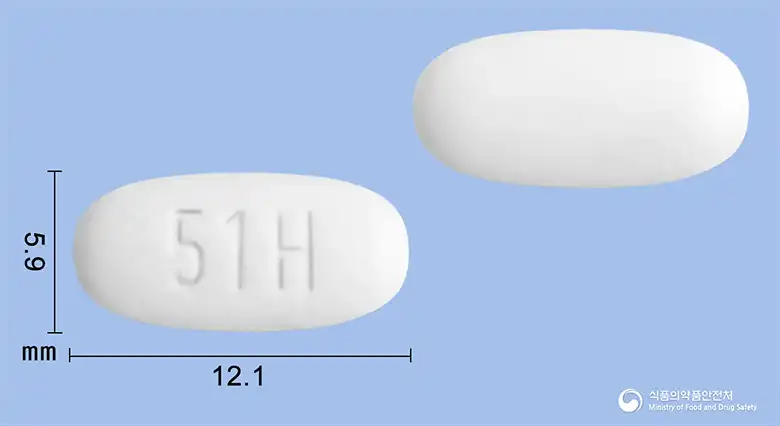 Viewing now
Fritozeng 40 mg (Telmisartan)
Telmisartan 40mg
Tablet · Prescription medication
Kwangdong Pharmaceutical Co., Ltd.
MFDS item code 200108691 · Approved 2001.04.20 · Insurance code 641806570
Treatment of essential hypertension and reduction of cardiovascular disease risk
This medication effectively lowers blood pressure in patients with essential hypertension. Additionally, it is used in patients aged 55 and older who are at high risk of cardiovascular diseases such as coronary artery disease or stroke, to reduce the risk of myocardial infarction, stroke, and death due to cardiovascular diseases. This drug serves as a good alternative for patients intolerant to ACE inhibitors and protects cardiovascular health. Therefore, it is used effectively for essential hypertension and reducing the risk of cardiovascular diseases.
Telmisartan should be taken orally as a single daily dose of 40 mg with water, regardless of meals. For some patients, a dose of 20 mg once daily may be effective, and if necessary, it can be increased up to 80 mg once daily. Maximum blood pressure-lowering effect is usually achieved 4 to 8 weeks after starting therapy. For reducing the risk of cardiovascular diseases, an oral dose of 80 mg once daily is recommended, regardless of meals.
This medication can cause serious harm to the fetus and newborn, especially during pregnancy, so it must be discontinued immediately if pregnancy is confirmed. Patients who are allergic to this medication, pregnant or breastfeeding women, patients with severe liver disease or cholestasis, patients with hereditary angioedema, and patients with diabetes or severe renal impairment should not take it. Elderly patients, those with hyperkalemia, patients with mild to moderate liver impairment, heart valve disease, cardiovascular disease, gastrointestinal disease, renal artery hypertension, and severe renal impairment should use this medication with caution. While taking this medication, various adverse reactions such as blood pressure drop, hyperkalemia, renal function impairment, angioedema, liver dysfunction, interstitial pneumonia, and rhabdomyolysis may occur, so patients should consult healthcare professionals immediately if symptoms appear. Particular caution is needed if blood pressure drops too low or if dizziness or fainting occurs, and regular monitoring of renal function and electrolyte levels is required. This medication can increase the blood pressure-lowering effect when used with other antihypertensive agents, so patients should inform their healthcare provider about any concomitant medications. Caution is needed when used with lithium, certain diuretics, potassium supplements, NSAIDs, etc., as the risk of side effects may increase. It is advisable not to take this medication within 24 hours before surgery, and caution should be exercised while driving or operating machinery due to risks of dizziness or fainting. This medication contains sorbitol, so it is advisable not to take it if you have fructose intolerance. Women who are pregnant or planning to become pregnant should not take this medication, and breastfeeding women should also avoid using it or discontinue breastfeeding. Safety and efficacy in patients under 18 years of age have not been established, so it is not recommended. In case of overdose, symptoms like hypotension, dizziness, acute renal failure may occur, so appropriate medical treatment should be sought immediately.
Hives, severe swelling (including angioedema), chest tightness, difficulty breathing, cold sweat, paleness, severe allergic reaction, severe rash with fever, blisters, skin peeling, pain in the mucous membranes of the mouth/eyes, severe skin reactions, difficulty breathing or shortness of breath, asthma attack, respiratory issues accompanied by cough and fever, jaundice (yellowing of the skin or eyes), general malaise, liver dysfunction (jaundice)
Not everyone experiences these, and they can vary from person to person.
This medication may be sensitive to air and moisture, so it should be stored in a tightly sealed container. The storage temperature should be maintained at room temperature between 1 degree and 30 degrees. This ensures that the medication's effectiveness is maintained for a longer time.
White or whitish, biconvex oval tablet
30 tablets/box [(10 tablets/PTP X 3)]
Even with the same ingredient, strength, dosage form and how it is taken can differ.
Viewing nowTelmisartan 40mg
Tablet · Prescription medication
Kwangdong Pharmaceutical Co., Ltd.
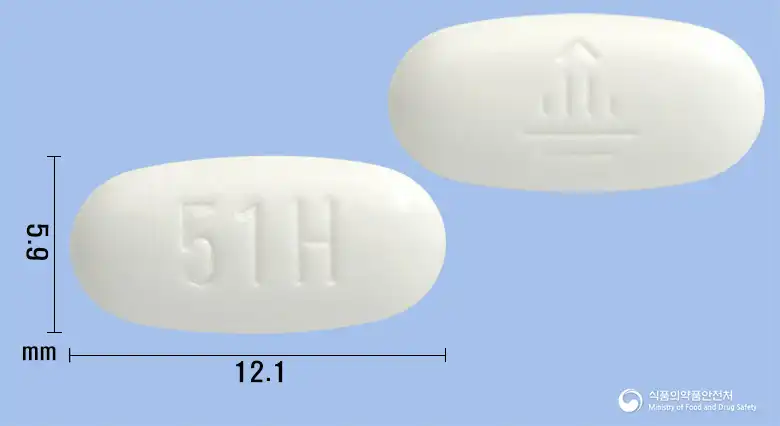
Telmisartan 40mg
Tablet · Prescription medication
Boehringer Ingelheim Korea Co., Ltd.
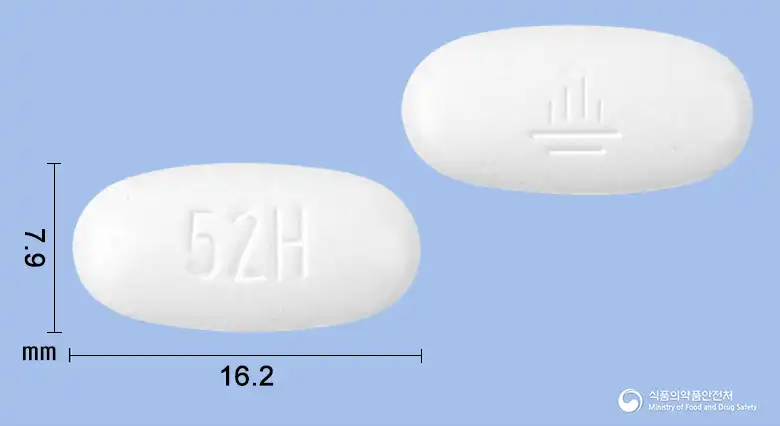
Telmisartan 80mg
Tablet · Prescription medication
Boehringer Ingelheim Korea Co., Ltd.
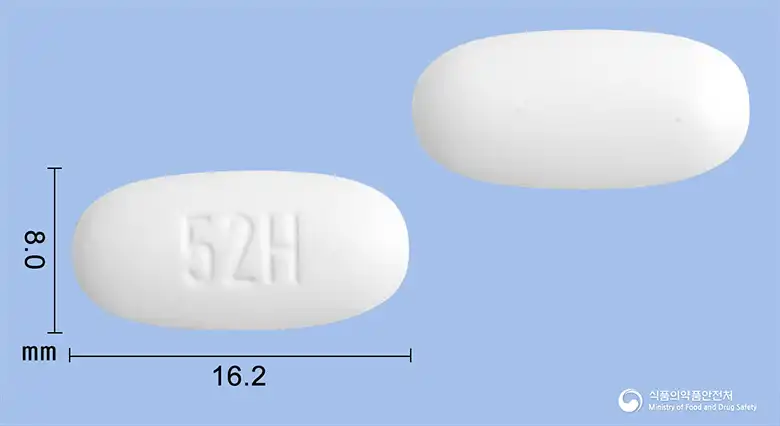
Telmisartan 80mg
Tablet · Prescription medication
Kwangdong Pharmaceutical Co., Ltd.
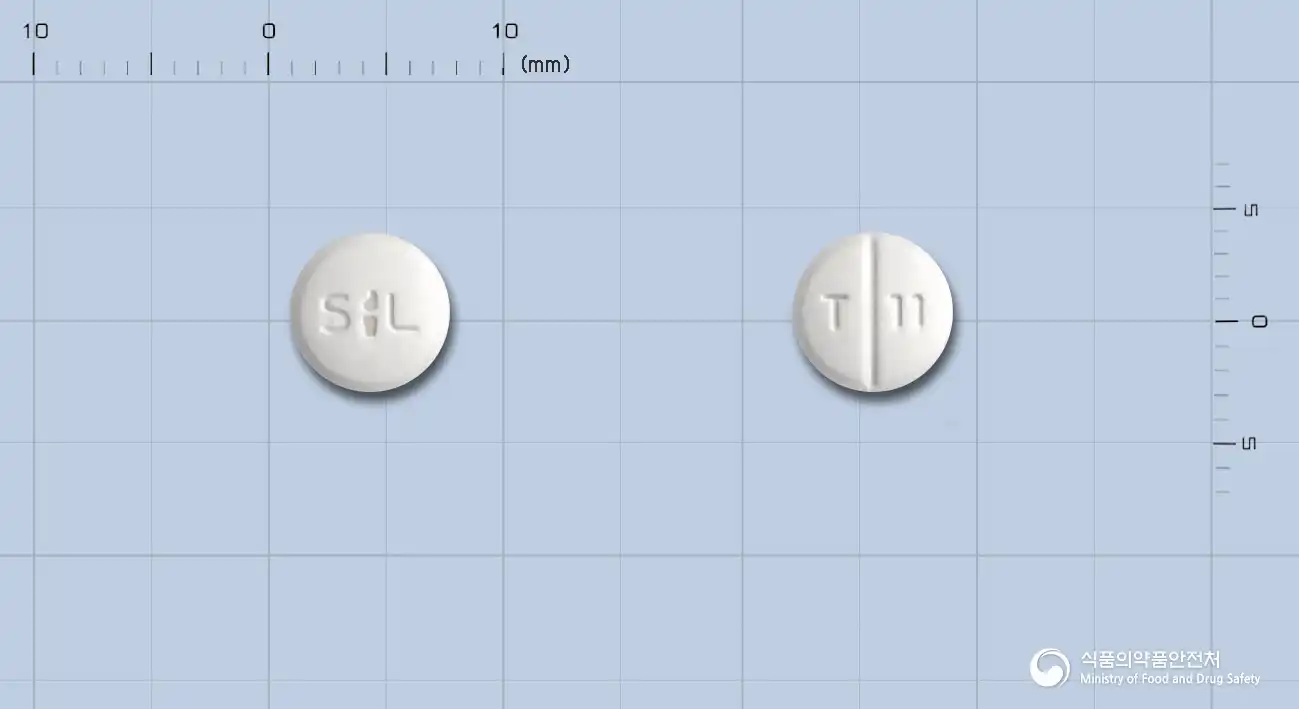
Telmisartan 40mg
Tablet · Prescription medication
Sam-il Pharmaceutical Co., Ltd.
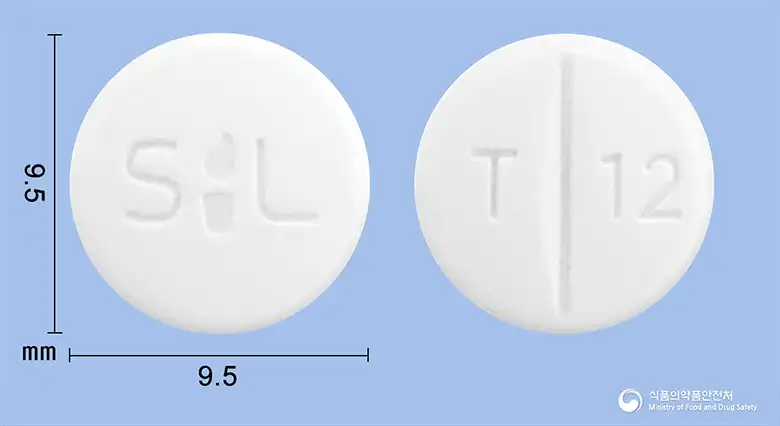
Telmisartan 80mg
Tablet · Prescription medication
Samil Pharmaceutical Co., Ltd.
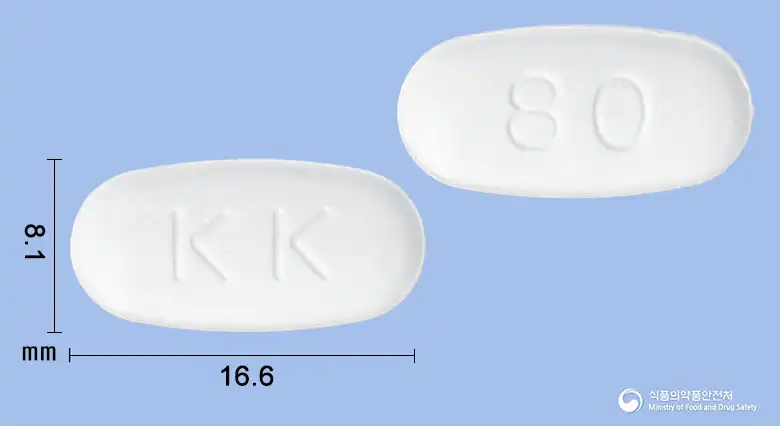
Telmisartan 80mg
Tablet · Prescription medication
Genewon Science Co., Ltd.
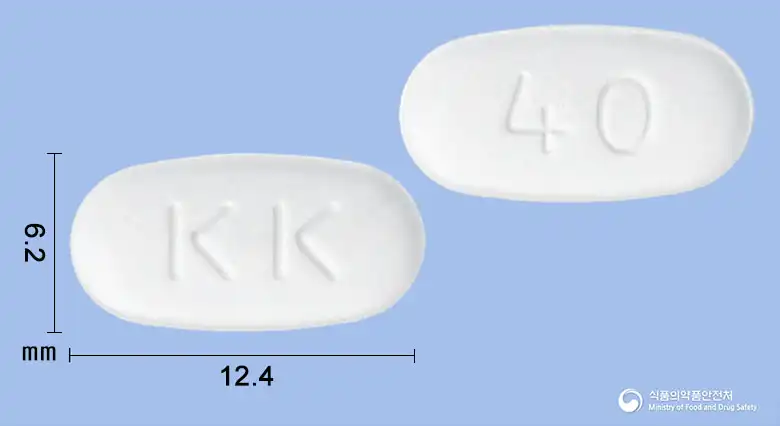
Telmisartan 40mg
Tablet · Prescription medication
Genuwon Science Co., Ltd.
Even with the same ingredient, the dose and directions can differ by strength and dosage form. Talk to a doctor or pharmacist before switching from a medication you are already taking.
No questions yet.
For anything that needs medical judgment, consult a doctor or pharmacist.
This drug information is based on data provided by the Korea Ministry of Food and Drug Safety.
Consult a doctor or pharmacist for accurate dosage, administration, and usage instructions.