한국어
 English
 日本語
 中文(简体)
 Viewing now
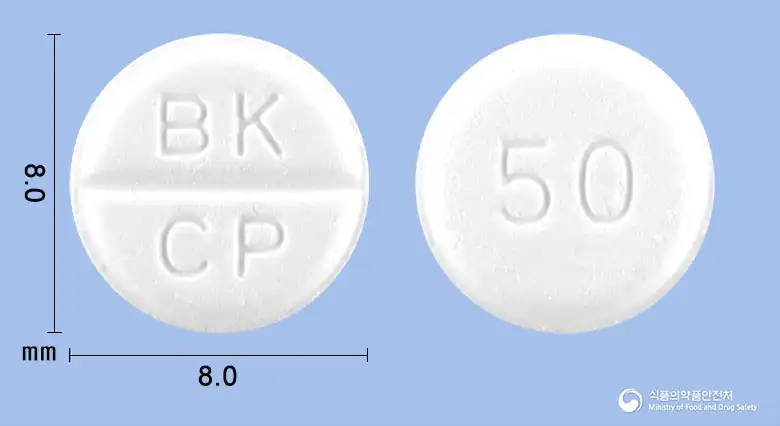
Cetapril Tablet 50 mg (Alacepril)
Alacepril 50mg
Tablet · Prescription medication
Bukwang Pharmaceutical Co., Ltd.
MFDS item code 200101731 · Notified 2001.10.08 · Insurance code 642201150
Treatment of essential hypertension
Essential hypertension refers to a condition in which blood pressure persistently rises. This medication helps to control blood pressure, thereby reducing the burden on the heart and blood vessels. By managing hypertension, it can lower the risk of severe complications such as stroke and myocardial infarction. Regular use can stabilize blood pressure and improve overall health. Therefore, it is used for the treatment of essential hypertension.
Adults: Administer 25–75 mg of alacepril per day orally in 1–2 divided doses. For severe cases, the dose may be increased to 100 mg per day. In patients with severe renal impairment, blood levels of the active metabolite may increase, potentially causing an excessive decrease in blood pressure. Therefore, if serum creatinine exceeds 3 mg/dL, administer with caution by reducing the dose or extending the dosing interval.
This medication can seriously harm the fetus during pregnancy, so it must be discontinued immediately if pregnancy is confirmed. Patients with allergies to this drug or its ingredients or with a history of angioedema should not use it; women who are pregnant or may become pregnant should also avoid taking it. Patients undergoing specific blood component collection or hemodialysis, as well as diabetic patients on certain medications, may face risks when using this medication, so caution is required. Patients with severely impaired kidney function or renal artery stenosis should adjust the dosage of this medication or avoid its use. In patients with hyperkalemia, this medication can further increase potassium levels in the blood, so it should be administered cautiously. Blood pressure may drop significantly when starting this medication, so a low dose should be initiated, and the patient's condition should be carefully monitored. Elderly individuals or patients with severe hypertension or heart failure should take this medication with particular caution, and when combined with other antihypertensive drugs, more meticulous management is necessary. This medication can cause various side effects such as cough, dizziness, rash, and nausea, and in rare cases, severe adverse reactions like serious angioedema or renal failure may occur; therefore, immediate consultation with medical professionals is necessary if any unusual symptoms arise. Patients undergoing surgery or anesthesia should inform their healthcare provider, as this medication may interact with anesthetics and cause a drop in blood pressure. The risk of side effects may increase when taken with potassium-sparing diuretics, lithium, or certain anti-inflammatory pain relievers, so it is crucial to check for interactions with other medications. Women who are pregnant or breastfeeding should avoid taking this medication, and if it is absolutely necessary to take it, breastfeeding should be discontinued. The safety of this medication in children has not been adequately established, so it is advisable not to use it in children. This medication should be kept out of the reach of children and stored in its original container to prevent quality deterioration or misuse.
Not everyone experiences these, and they can vary from person to person.
This medication should be stored in a tightly closed container to protect it from air and moisture. It is advisable to maintain storage temperatures between 1 and 30 degrees Celsius at room temperature.
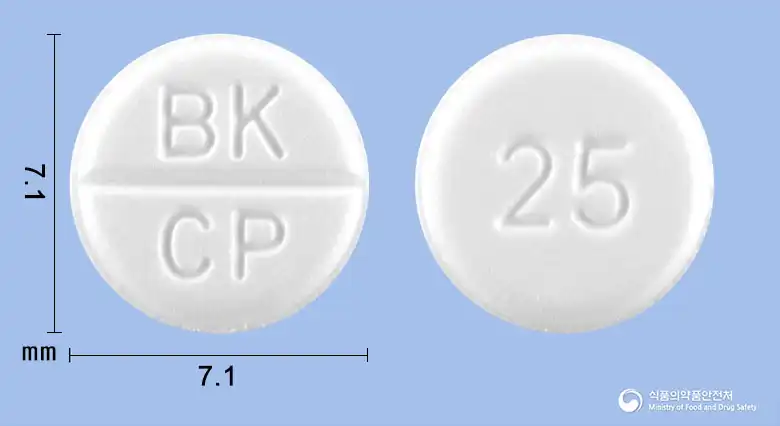
White tablet
30 tablets/bottle, 100 tablets/bottle
Even with the same ingredient, strength, dosage form and how it is taken can differ.
Even with the same ingredient, the dose and directions can differ by strength and dosage form. Talk to a doctor or pharmacist before switching from a medication you are already taking.
No questions yet.
For anything that needs medical judgment, consult a doctor or pharmacist.
This drug information is based on data provided by the Korea Ministry of Food and Drug Safety.
Consult a doctor or pharmacist for accurate dosage, administration, and usage instructions.