
 한국어
한국어 English
 日本語
日本語 中文(简体)
Dosage form image
Viewing nowUnitra 250 mg (Tranexamic Acid)
Tranexamic Acid 50mg
Prescription medication
Korea Union Pharmaceutical Co., Ltd.
MFDS item code 200101424 · Notified 2001.09.21
Improvement of bleeding tendency due to systemic and local fibrinolysis
This medication is used for bleeding tendencies associated with systemic fibrinolysis, such as leukemia, aplastic anemia, purpura, cancer, and abnormal bleeding that occurs during or after surgery. It is also effective for abnormal bleeding caused by local fibrinolysis, such as pulmonary bleeding, genital bleeding, renal bleeding, and abnormal bleeding during prostate surgery. In other words, this drug helps improve various systemic and local bleeding symptoms.
(Capsule form) The usual adult dose is 750–2000 mg of tranexamic acid daily, divided into 3–4 oral doses. Dosage may be adjusted according to age and symptoms. (Injection form) The usual adult dose is 250–500 mg of tranexamic acid daily, divided into 1–2 intravenous or intramuscular injections. For bleeding during or after surgery, a single dose of 500–1000 mg can be administered intravenously or 500–2500 mg via drip intravenous injection.
This medication is an ampoule injection, and when opening the container, glass fragments may enter, so extra caution should be taken when cutting the container, especially for children or the elderly, to prevent the glass from getting mixed in. This medication should not be used in patients receiving thrombin or in patients with a history of thromboembolism. Additionally, individuals with allergic reactions to this drug or its components should not take it, and it must not be used via epidural or intrathecal routes as it is dangerous. Caution should be taken when using this medication in patients with thrombosis or a high risk of thrombosis, patients on bed rest post-surgery, patients with impaired renal function, and those with specific bleeding disorders. This medication may occasionally cause shock, allergic reactions, skin rashes, itching, temporary visual disturbances, gastrointestinal symptoms (nausea, vomiting, diarrhea), dizziness, and headache, so if any unusual symptoms occur, administration should be stopped immediately, and appropriate treatment sought. Particular care is needed as convulsions may occur in patients who receive this medication during cardiovascular surgery. This medication can promote thrombus formation; thus, when used in conjunction with other drugs that affect blood coagulation, the risk of thrombosis may increase, so it should be used with caution as directed by a professional. In pregnant women, it should be administered with caution as it can cross the placenta, and during breastfeeding, small amounts may be secreted in breast milk with little expected effect on infants. Elderly patients may have decreased bodily functions, so doses should be adjusted and used with caution. In cases of overdose, symptoms such as nausea, vomiting, and hypotension may occur, so if overdose is suspected, adequate hydration and immediate medical help should be sought. Administer slowly via intravenous injection; injecting too quickly may cause nausea, chest discomfort, palpitations, and dizziness. Finally, when using this medication with certain other injectable agents or hemostatic agents, drug interactions may elevate thrombus formation risks, so it is essential to consult with a specialist.
Not everyone experiences these, and they can vary from person to person.
This medication should be stored in a sealed container to prevent air and moisture from entering, and it is best to maintain a storage temperature between 1°C and 30°C room temperature. Storing it this way will help maintain the drug's effectiveness for a longer period.
For domestic use and export 1: colorless ampoule containing a colorless, transparent liquid Export 2: ampoule containing a clear, colorless liquid
5 mL × 10 ampoules
Even with the same ingredient, strength, dosage form and how it is taken can differ.
Tranexamic Acid 50mg
Prescription medication
Korea Union Pharmaceutical Co., Ltd.
Tranexamic Acid 50mg
Prescription medication
Jeil Pharmaceutical Co., Ltd.
Tranexamic Acid 100mg
Prescription medication
Jeil Pharmaceutical Co., Ltd.
Tranexamic Acid 500mg
Injections · Prescription medication
Shinpoong Pharmaceutical Co., Ltd.
Tranexamic Acid 100mg
Prescription medication
Korea Union Pharma Co., Ltd.
Tranexamic Acid 250mg
Hard capsule · Prescription medication
Genupharm Co., Ltd.
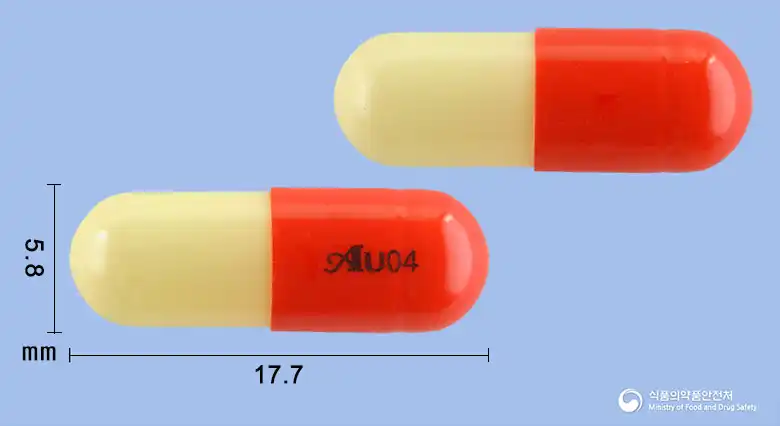
Tranexamic Acid 250mg
Hard capsule · Prescription medication
Austin Pharmaceutical Co., Ltd.
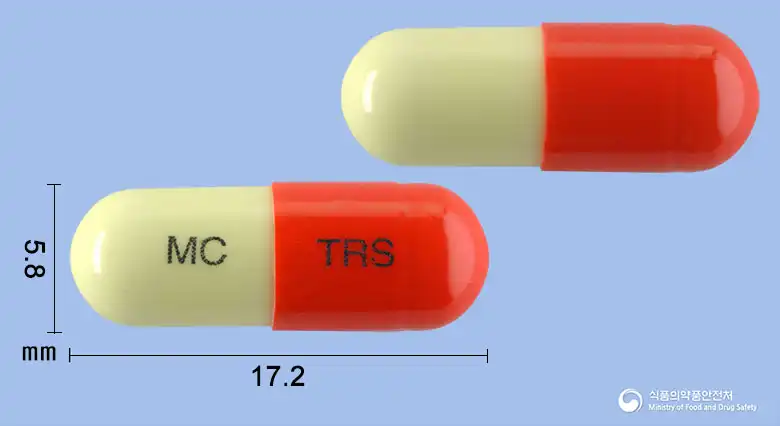
Tranexamic Acid 250mg
Hard capsule · Prescription medication
Macnulty Pharmaceutical Co., Ltd.
Even with the same ingredient, the dose and directions can differ by strength and dosage form. Talk to a doctor or pharmacist before switching from a medication you are already taking.
No questions yet.
For anything that needs medical judgment, consult a doctor or pharmacist.
This drug information is based on data provided by the Korea Ministry of Food and Drug Safety.
Consult a doctor or pharmacist for accurate dosage, administration, and usage instructions.