
 한국어
한국어 English
 日本語
日本語 中文(简体)
 Viewing now
Glupa Tablets 1,000 mg (Metformin Hydrochloride)
Metformin Hydrochloride 1000mg
Tablet · Prescription medication
(Darim Biotech Co., Ltd.)
MFDS item code 200101317 · Notified 2001.12.03 · Insurance code 664600070
Improvement of Type 2 Diabetes (blood sugar control)
This medication is used to treat patients with Type 2 diabetes who have insufficient blood sugar control through diet and exercise alone. It is particularly effective in overweight adult patients and can be used alone or in combination with other oral hypoglycemic agents or insulin. Additionally, it can be used in children aged 10 years and older, either as monotherapy or in combination with insulin. Therefore, this medication is employed to assist in blood sugar control and improve treatment in patients with diabetes across a variety of ages and conditions.
For adults, the dosage is determined based on individual drug efficacy and tolerability without exceeding the maximum recommended daily dose. Start with a low dose, administered 500mg 2 to 3 times daily with meals. Increase the dose gradually by 500mg weekly, usually dividing up to 2000mg into two doses taken in the morning and evening. If exceeding 2000mg, administer in three doses with meals.
For children aged 10 years and older and adolescents, the dosing is 500mg once daily during or after meals. After one week, measure blood glucose levels to adjust the dose, and increase gradually if necessary.
This medication can cause severe lactic acidosis or hypoglycemia, thus caution is necessary. It should not be administered to patients with moderate to severe renal impairment, dehydration, or serious infections and cardiovascular problems. Patients with acute heart failure or those receiving iodine-based contrast agents used for specific radiological exams should also avoid this medication. It should not be given to patients with allergic reactions to this drug or similar classes of medications, to Type 1 diabetes patients, or to patients with acute or chronic metabolic acidosis. Patients with severe infections or traumatic systemic disorders may need to temporarily discontinue this medication, and patients scheduled for surgery should stop 48 hours prior. Those with poor nutritional status, liver dysfunction, or excessive drinking should use this medication with caution. Irregular eating or intense exercise, as well as interactions with other medications, may lead to lactic acidosis or hypoglycemia during treatment with this drug. Lactic acidosis, though rare, is a very serious side effect; symptoms such as fatigue, muscle pain, breathing difficulties, or abdominal pain require immediate consultation with a physician. Gastrointestinal symptoms can be common during initial treatment but are usually temporary and can be alleviated by taking the medication with meals or gradually increasing the dose. This medication is primarily excreted through the kidneys, so regular kidney function tests are necessary, and the medication should be discontinued if kidney function significantly declines. Alcohol can increase the risk of side effects from this medication, so excessive consumption should be avoided. During pregnancy, it may affect the fetus, so it is essential to consult a physician, and if breastfeeding, the decision to use it should also be made after consulting with a specialist. Elderly patients and children require careful dosing adjustments and monitoring. When used in combination with other medications, it may alter blood sugar control, so any ongoing medications should be disclosed to healthcare providers. In cases of overdose, blood dialysis may be required, so immediate emergency care should be sought if overdose is suspected. This medication does not cause weight gain and may actually aid in weight management, but regular monitoring of blood glucose and blood tests is necessary to confirm treatment efficacy and safety.
Severe lactic acidosis, hypoglycemia, rashes, dermatological reactions, liver dysfunction (jaundice), hypoglycemia, symptoms associated with lactic acidosis (fatigue, muscle pain, breathing difficulties, weakness, abdominal pain, decreased body temperature, hypotension, bradyarrhythmia), severe allergic reactions (such as rashes), severe diarrhea and vomiting that can cause azotemia.
Gastrointestinal symptoms (diarrhea, nausea, vomiting, abdominal distension, loss of appetite, dyspepsia, constipation, abdominal pain), metallic taste, rash, anemia, leukopenia, thrombocytopenia, vitamin B12 deficiency, liver dysfunction, severe delayed hypoglycemia.
Not everyone experiences these, and they can vary from person to person.
This medication is sensitive to air and moisture, so it must be stored in a tightly sealed container. It is advisable to maintain a storage temperature between 1 to 30 degrees Celsius. Proper storage will help preserve the medication's efficacy.
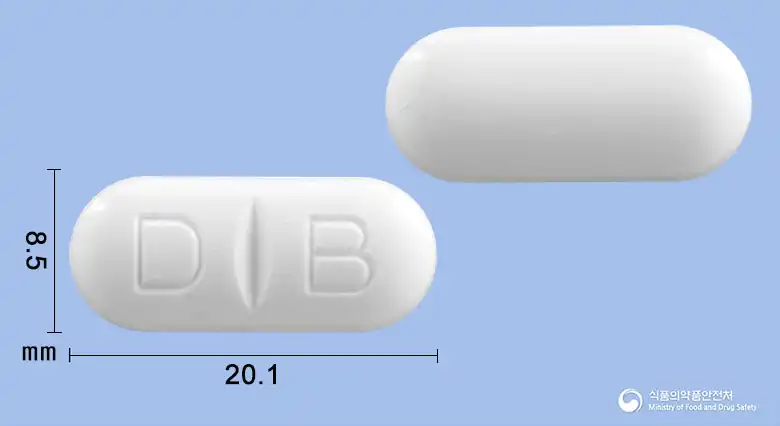
White rectangular film-coated tablet
Domestic: 500 tablets/bottle, 100 tablets/bottle, 30 tablets/bottle, Export: 500 tablets/bottle, 60 tablets/bottle, 60 tablets (10 tablets/PTPX6)
Even with the same ingredient, strength, dosage form and how it is taken can differ.
Viewing nowMetformin Hydrochloride 1000mg
Tablet · Prescription medication
(Darim Biotech Co., Ltd.)
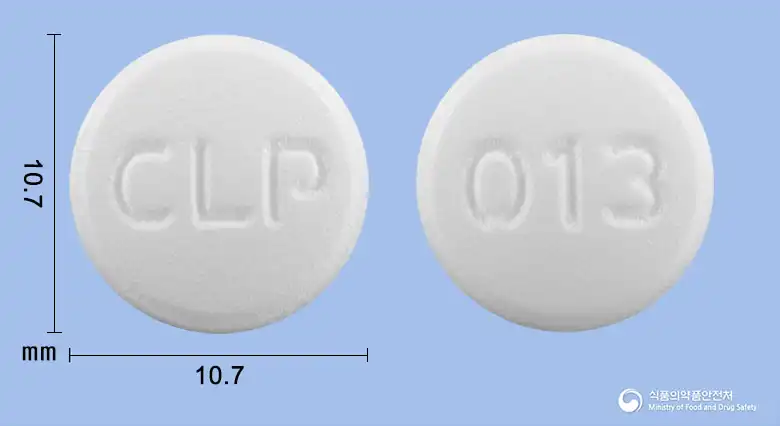
Metformin Hydrochloride 500mg
Tablet · Prescription medication
(Celltrion Pharmaceuticals)

Metformin Hydrochloride 500mg
Tablet · Prescription medication
(Daewoong Pharmaceutical)
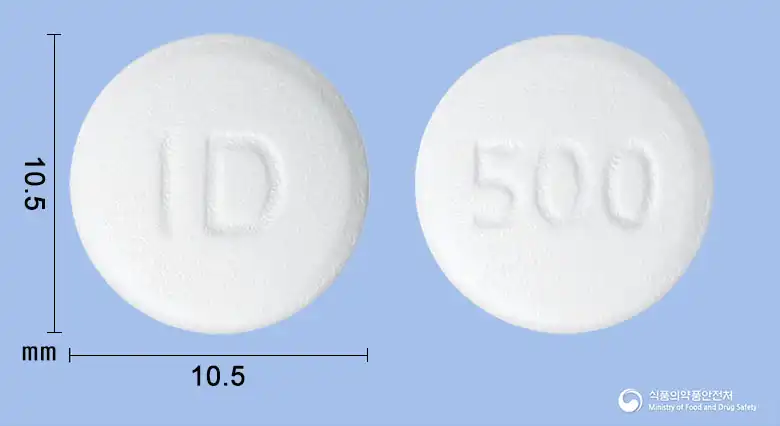
Metformin Hydrochloride 500mg
Tablet · Prescription medication
(Ildong Pharmaceutical Co., Ltd.)

Metformin Hydrochloride 500mg
Tablet · Prescription medication
(Ilseong IS Co., Ltd.)
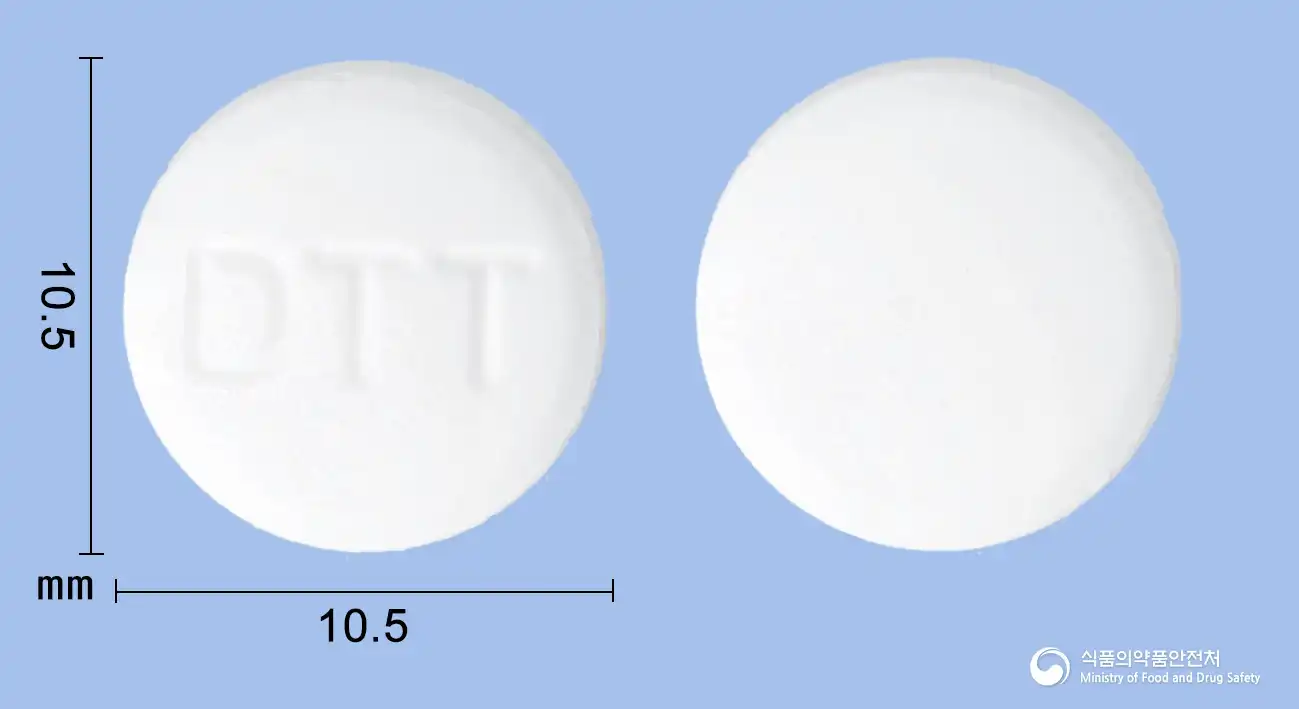
Metformin Hydrochloride 500mg
Tablet · Prescription medication
(Kyungdong Pharmaceutical Co., Ltd.)

Metformin Hydrochloride 250mg
Tablet · Prescription medication
(Daewoong Pharmaceutical)

Metformin Hydrochloride 500mg
Tablet · Prescription medication
(Youngpoong Pharmaceutical Co., Ltd.)
Even with the same ingredient, the dose and directions can differ by strength and dosage form. Talk to a doctor or pharmacist before switching from a medication you are already taking.
No questions yet.
For anything that needs medical judgment, consult a doctor or pharmacist.
This drug information is based on data provided by the Korea Ministry of Food and Drug Safety.
Consult a doctor or pharmacist for accurate dosage, administration, and usage instructions.