
 한국어
한국어 English
 日本語
日本語 中文(简体)
 Viewing now
Allegra Tablet 30 mg (Fexofenadine Hydrochloride)
Fexofenadine Hydrochloride 30mg
Tablet · Prescription medication
Handok Co., Ltd.
MFDS item code 200100865 · Notified 2001.04.24 · Insurance code 652100980
Relief of symptoms of seasonal allergic rhinitis and allergic skin diseases
This medication helps relieve symptoms such as nasal congestion, sneezing, and runny nose caused by seasonal allergic rhinitis. It also reduces symptoms of allergic skin diseases such as rashes or itching associated with chronic idiopathic urticaria. Thus, it is used to effectively improve symptoms of allergic rhinitis and skin allergies.
Take 30 mg orally, twice daily before meals with water.
Children aged 6 to 11 years: Fexofenadine Hydrochloride 30 mg orally, twice daily before meals with water. Children with renal failure should start with a dose of 30 mg orally, once daily before meals.
This medication should not be used in patients who have had allergic reactions to this drug or any of its ingredients. Caution should be exercised when using this medication in children with impaired kidney function, children with liver dysfunction, and patients with heart disease or a history of heart disease. Side effects such as headache, cough, fever, pain, otitis media, and upper respiratory tract infections may occur while taking this medication, particularly in children. Symptoms such as drowsiness, dizziness, and nausea may also occur, so caution is needed when driving or operating machinery. Severe allergic reactions leading to shock can occur, so if symptoms such as difficulty breathing, low blood pressure, skin swelling, or chest pain appear, stop taking the medication immediately and consult a healthcare professional. Liver function abnormalities may develop, so if liver function test results are abnormal, stop taking this medication and seek appropriate treatment. This medication is primarily excreted by the kidneys, so elderly patients or those with renal failure may require dosage adjustments and careful monitoring. This medication can interact with other drugs, so caution is necessary, especially when taken with medications such as erythromycin or ketoconazole. Taking antacids containing aluminum and magnesium can reduce the absorption of this medication, so it is recommended to take them with an interval of more than 2 hours. Taking this medication with fruit juices, especially grapefruit juice, orange juice, or apple juice, may reduce its effectiveness; therefore, it is recommended to take it with water. Women who are pregnant or may become pregnant should consult a doctor before taking this medication to consider the risks to the fetus, and breastfeeding women should avoid breastfeeding if taking this medication due to the possibility of drug transmission through breast milk. The safety for children under 6 years old and low-weight neonates has not been established, so caution is needed in their use. In case of overdose, symptoms such as dizziness, drowsiness, and dry mouth may occur, and appropriate treatment should be received based on the symptoms. This medication should be kept out of reach of children, and transferring it to another container may lead to deterioration in quality, so caution is required.
Not everyone experiences these, and they can vary from person to person.
This medication may be sensitive to air or moisture, so it must be stored in a tightly sealed container. Additionally, it is best to store the medication at room temperature between 1°C and 30°C to maintain its effectiveness for as long as possible.
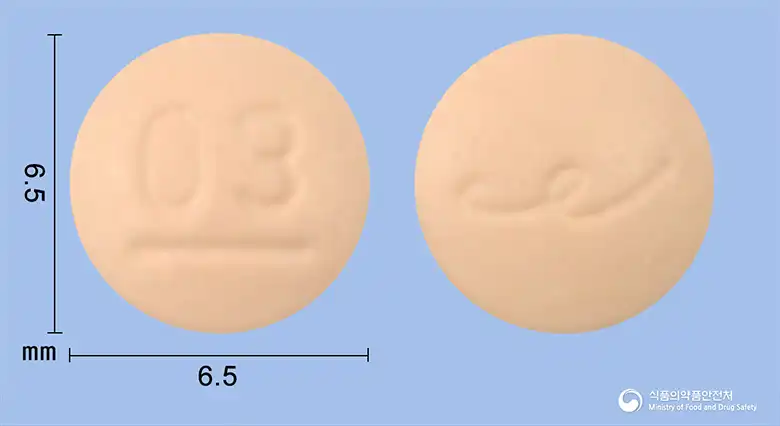
A round, pink, biconvex film-coated tablet with '03' engraved on one side and 'e' on the other side.
30 tablets/bottle, 100 tablets/bottle, 100 tablets (10 tablets/PTP*10)
Even with the same ingredient, strength, dosage form and how it is taken can differ.
Viewing nowFexofenadine Hydrochloride 30mg
Tablet · Prescription medication
Handok Co., Ltd.
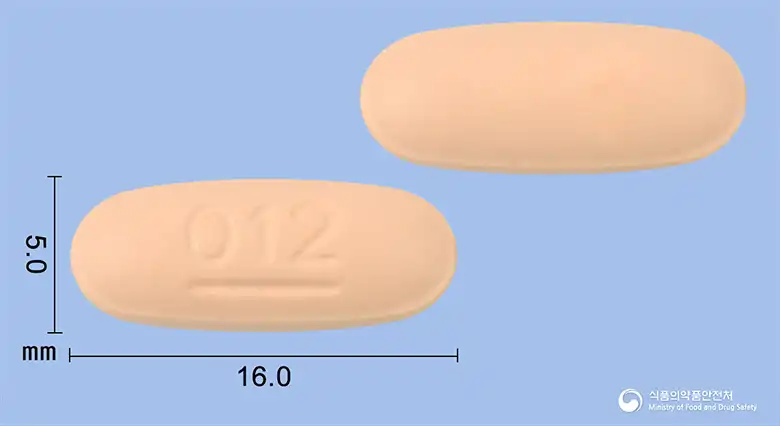
Fexofenadine Hydrochloride 120mg
Tablet · OTC medication
HanDoc Co., Ltd.
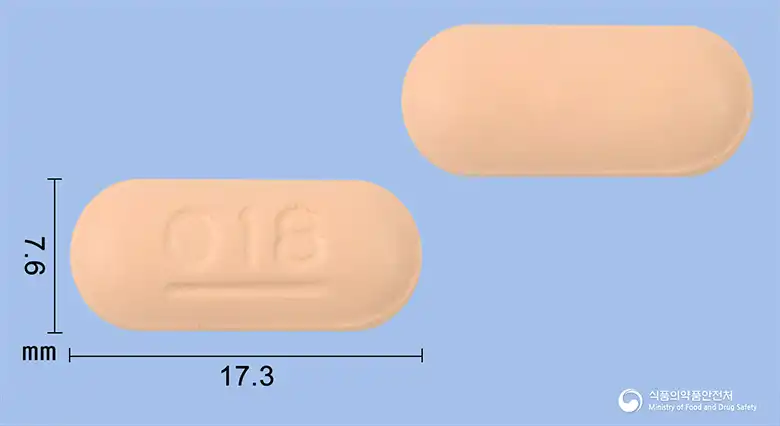
Fexofenadine Hydrochloride 180mg
Tablet · Prescription medication
Handok Co., Ltd.
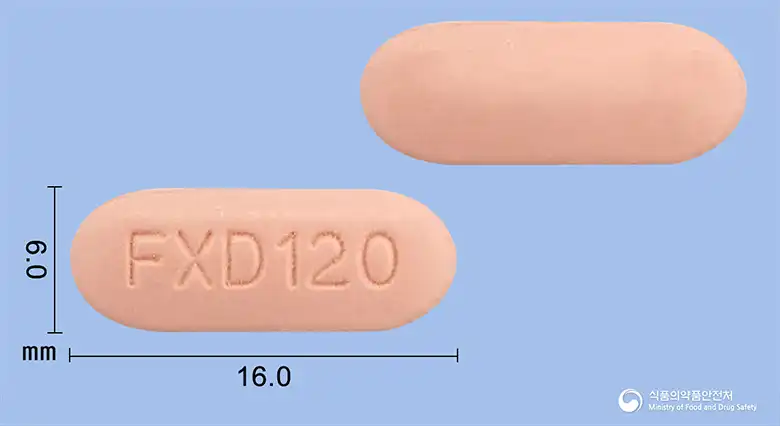
Fexofenadine Hydrochloride 120mg
Tablet · OTC medication
Jongkundang Co., Ltd.
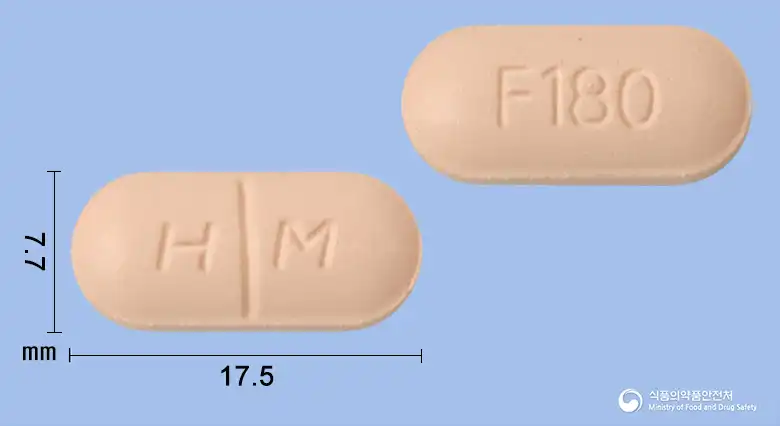
Fexofenadine Hydrochloride 180mg
Tablet · Prescription medication
Hanmi Pharmaceutical Co., Ltd.
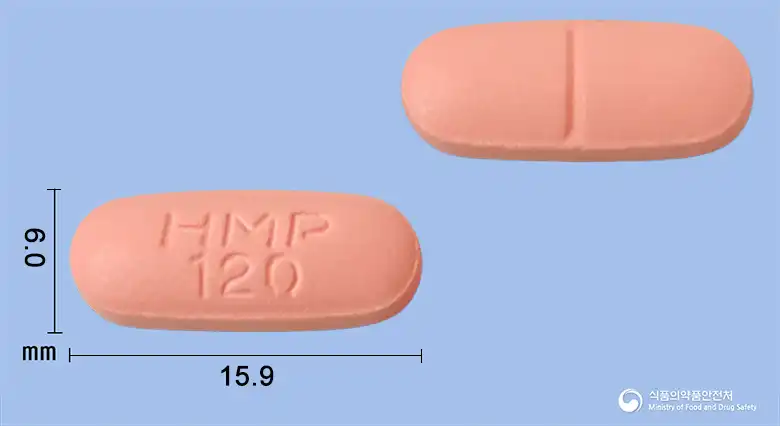
Fexofenadine Hydrochloride 120mg
Tablet · OTC medication
Hanmi Pharmaceutical Co., Ltd.
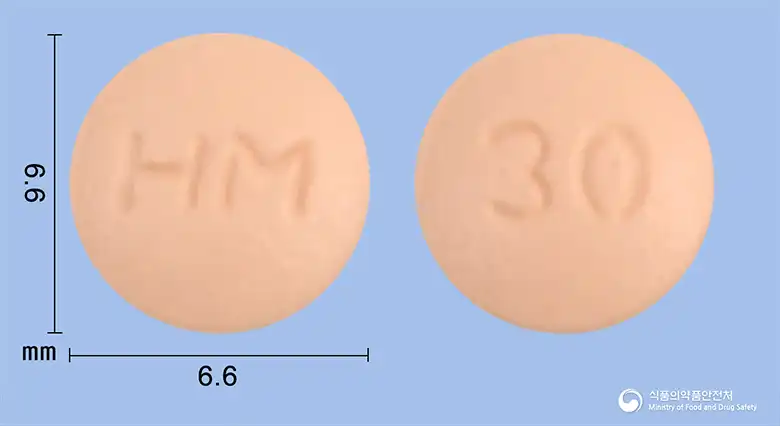
Fexofenadine Hydrochloride 30mg
Tablet · Prescription medication
Hanmi Pharmaceutical Co., Ltd.
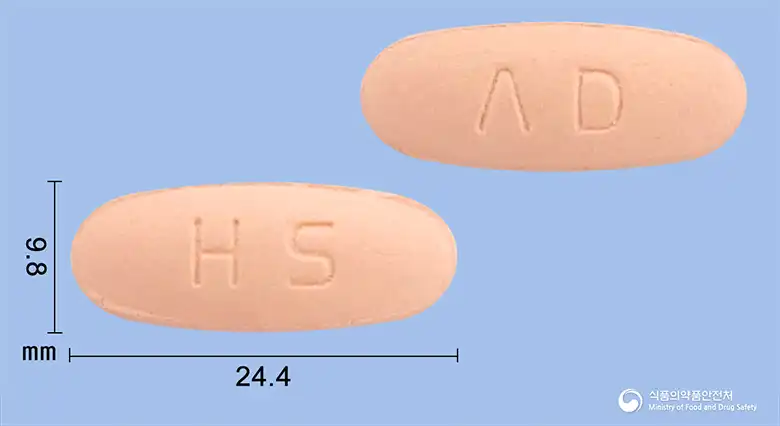
Fexofenadine Hydrochloride 120mg
Tablet · OTC medication
Hugens Co., Ltd.
Even with the same ingredient, the dose and directions can differ by strength and dosage form. Talk to a doctor or pharmacist before switching from a medication you are already taking.
No questions yet.
For anything that needs medical judgment, consult a doctor or pharmacist.
This drug information is based on data provided by the Korea Ministry of Food and Drug Safety.
Consult a doctor or pharmacist for accurate dosage, administration, and usage instructions.