
 한국어
한국어 English
 日本語
日本語 中文(简体)
 Viewing nowCombination
Colmin-A Tablets
Chlorpheniramine Maleate 4mg · Phenylephrine Hydrochloride 10mg
Tablet · OTC medication · Combination
Youngjin Pharmaceutical Co., Ltd.
MFDS item code 200100837 · Notified 2001.06.01
Relief of nasal congestion caused by cold and allergic rhinitis (sneezing, runny nose, etc.) and sinusitis.
This medication helps relieve symptoms such as sneezing, runny nose, nasal congestion, and tearing caused by colds or allergic and vasomotor rhinitis. It is also used to temporarily relieve nasal congestion caused by sinusitis.
Children aged 12 years and older and adults should take 1 tablet every 4 hours. Do not exceed 6 tablets in 24 hours and follow a doctor's instructions.
Children aged 6 to under 12 years should take 1/2 tablet every 4 hours. Do not exceed 3 tablets in 24 hours and follow a doctor's instructions. For children under 6 years, follow a doctor's instructions.
This medication contains amine-based sympathomimetics and antihistamines, so it should not be used by those who are sensitive to its ingredients. It is advisable for individuals with special constitutions not to take this medication. Nursing women should not use this drug. Patients with severe hypertension or coronary heart disease, as well as those undergoing MAO inhibitor therapy, should not take this medication. It should also be avoided by individuals with glaucoma, urinary retention, peptic ulcer, asthma, emphysema, chronic respiratory diseases, or those experiencing shortness of breath or respiratory distress. Patients taking sedatives or tranquilizers are also advised not to use this drug for safety reasons. Individuals with chronic bronchitis, heart disease, hypertension, thyroid dysfunction, diabetes, urinary difficulties due to prostatic hyperplasia should use this medication cautiously and only under a doctor's guidance. Various side effects, such as anxiety, restlessness, tremors, weakness, paleness, shortness of breath, urinary retention, insomnia, hallucinations, seizures, central nervous system depression, arrhythmias, dizziness, and hypotension, may occur. People sensitive to phenylephrine may experience an increase in heart rate or symptoms such as headache, dizziness, and nausea, but it is safe if the proper dosage is followed. Individuals sensitive to antihistamines may experience drowsiness, dry mouth, dizziness, weakness, loss of appetite, vomiting, headache, nervousness, frequent urination, chest pain, visual disturbances, urinary difficulties, and rarely dermatitis. This medication may cause drowsiness; therefore, when taken with alcohol, sedatives, or tranquilizers, drowsiness may be intensified. Caution is required as children may exhibit increased excitation symptoms. If symptoms do not improve within 7 days or if high fever occurs, consult a physician promptly. It is advisable to avoid alcoholic beverages while taking this medication. It is safest to refrain from activities requiring concentration, such as driving or operating dangerous machinery, during treatment. Do not exceed the prescribed dosage, and if an overdose occurs, consult a physician immediately. If symptoms such as dizziness, insomnia, or nervousness occur, discontinue use and consult a doctor. This drug should be kept out of reach of children.
Paleness, shortness of breath.
Not everyone experiences these, and they can vary from person to person.
Patients undergoing MAO inhibitor therapy, or receiving sedatives or tranquilizers, should not take this medication.
Avoid alcoholic beverages while taking this medication.
This medication should be stored in an air-tight, closed container and kept at a temperature between 1°C and 30°C. Proper storage helps maintain the medication's effectiveness for a longer period.
This medication is a white, round tablet.
500 tablets/bottle
Even with the same ingredient, strength, dosage form and how it is taken can differ.
Viewing nowCombinationChlorpheniramine Maleate 4mg · Phenylephrine Hydrochloride 10mg
Tablet · OTC medication · Combination
Youngjin Pharmaceutical Co., Ltd.
Phenylephrine Hydrochloride 100mg · Chlorpheniramine Maleate 40mg
Syrup · OTC medication · Combination
Kolon Pharmaceutical Co., Ltd.
Phenylephrine Hydrochloride 100mg · Chlorpheniramine Maleate 40mg
Syrup · OTC medication · Combination
Daewoo Pharmaceutical Co., Ltd.
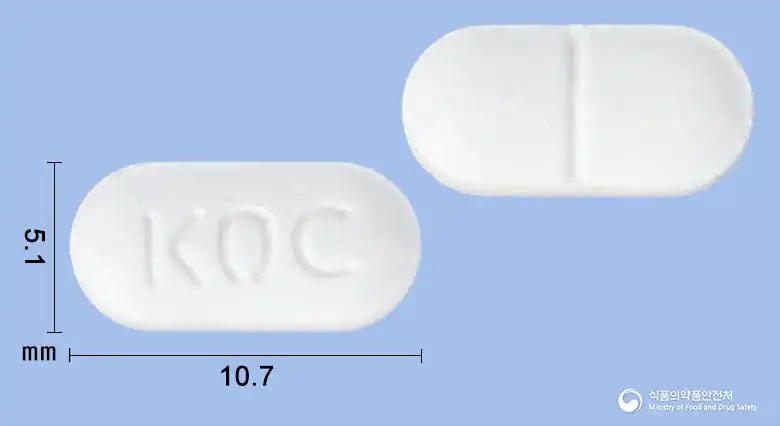 Combination
Phenylephrine Hydrochloride 10mg · Chlorpheniramine Maleate 4mg
Tablet · OTC medication · Combination
Kolon Pharmaceutical Co., Ltd.
Chlorpheniramine Maleate 40mg · Phenylephrine Hydrochloride 100mg
Syrup · OTC medication · Combination
Sama Pharmaceutical Co., Ltd.
 Combination
Chlorpheniramine Maleate 4mg · Phenylephrine Hydrochloride 10mg
Tablet · OTC medication · Combination
Sama Pharmaceutical Co., Ltd.
Phenylephrine Hydrochloride 100mg · Chlorpheniramine Maleate 40mg
Syrup · OTC medication · Combination
Daewon Pharmaceutical Co., Ltd.
Phenylephrine Hydrochloride 100mg · Chlorpheniramine Maleate 40mg
Syrup · OTC medication · Combination
Sinil Pharmaceutical Co., Ltd.
Even with the same ingredient, the dose and directions can differ by strength and dosage form. Talk to a doctor or pharmacist before switching from a medication you are already taking.
No questions yet.
For anything that needs medical judgment, consult a doctor or pharmacist.
This drug information is based on data provided by the Korea Ministry of Food and Drug Safety.
Consult a doctor or pharmacist for accurate dosage, administration, and usage instructions.