
 한국어
한국어 English
 日本語
日本語 中文(简体)
Dosage form image
Viewing nowCombinationOgosillin Duo Syrup (Amoxicillin·Clavulanate Potassium)
Amoxicillin Hydrate 36.3143g · Dilute Potassium Clavulanate 5.1878g
Syrup · Prescription medication · Combination
Samsung Pharmaceutical Co., Ltd.
MFDS item code 200100313 · Notified 2001.08.23
This product's status changed to Approval withdrawn on 2025.02.11. It may no longer be sold, so consult a doctor or pharmacist before taking it.
Treatment of infections in the respiratory system (bronchitis, pneumonia) and the genitourinary system (cystitis, gonorrhea).
This medication is effective for various bacterial infection symptoms. It helps with respiratory tract infections such as acute and chronic bronchitis, lobar pneumonia, empyema, lung abscesses, tonsillitis, sinusitis, and otitis media, as well as genitourinary infections like cystitis, urethritis, and pyelonephritis. Additionally, it is used for skin and soft tissue infections such as pelvic infections, gonorrhea, boil and abscess, cellulitis, and wound infections. It is also effective in treating osteomyelitis and dental infections. This drug can respond to various types of bacteria, making it useful for a wide range of infection treatments. Therefore, it is used for the improvement of various infectious diseases.
For moderate to severe infections such as recurrent tonsillitis, upper respiratory infections, lower respiratory infections, urinary tract infections, and skin/soft tissue infections, the dosage is typically 25 mg/3.6 mg per kg of body weight per day, divided into two doses. In cases of moderate to severe infections such as middle ear infections, sinusitis, lower respiratory infections like bronchopneumonia, and urinary tract infections, the dosage is typically 45 mg/6.4 mg per kg of body weight per day, divided into two doses.
The 7:1 syrup is not suitable for infants under 2 months. Pediatric patients with renal failure should not use the 7:1 syrup.
This medication should not be administered to patients with allergies to certain components or those who have had hypersensitivity reactions to beta-lactam antibiotics. Particularly, patients with viral diseases such as infectious mononucleosis or lymphocytic leukemia may face an increased risk of rash, so use should be avoided. Patients with a history of liver dysfunction or jaundice are at risk of recurrence and should be monitored closely. Patients with a genetic problem that prevents digestion of lactose should not take this medication. Patients with impaired liver or kidney function may experience increased drug concentration, thus dosing intervals should be adjusted or used with caution. Patients with an allergic constitution or digestive symptoms such as vomiting or diarrhea should also be careful and consult with a physician if necessary. Gastrointestinal symptoms such as diarrhea, abdominal pain, and vomiting may occur during the course of this medication, and in severe cases, administration should be discontinued immediately and treatment sought. Serious allergic reactions such as liver dysfunction, skin rash, hives, and anaphylaxis may occur, so report any symptoms immediately to healthcare professionals. Blood-related abnormal symptoms have also been rarely reported, and regular testing may be required. Pregnant or breastfeeding women should use this drug cautiously and consult their physician beforehand, especially during early pregnancy. Children and the elderly may have reduced body function, so they require extra caution during administration. As there may be drug interactions, inform healthcare professionals if taking other medications. Overdose may present gastrointestinal symptoms, kidney dysfunction, or central nervous system abnormalities, so prescribed dosages must be followed. This medication should be stored in the refrigerator and used within 7 days after preparation. During administration, liver and kidney function, as well as blood test results, should be regularly checked for any adverse reactions.
Hives, severe swelling (edema), chest tightness, shortness of breath, cold sweat, pallor, severe rash with high fever, blisters, peeling skin, mouth/eye mucosal pain, difficulty breathing, asthma attacks, respiratory distress with cough and fever, yellowing of skin or eyes (jaundice), extreme lethargy, sudden and severe headaches, thunderclap headache, seizures, altered consciousness, visual disturbances, paralysis, urination abnormalities.
Diarrhea, pseudomembranous colitis, dyspepsia, stomatitis, gastritis, glossitis, black hairy tongue, nausea, vomiting, loss of appetite, abdominal pain, abdominal bloating, constipation, colonic pain, hyperacidity, dry mouth, candidiasis, antibiotic-associated colitis, blood in stool, itching, erythema multiforme, skin reactions that can be controlled by antihistamines or systemic corticosteroids, drug reactions with eosinophilia and systemic symptoms, thrombocytopenic purpura, anemia, thrombocytopenia.
Not everyone experiences these, and they can vary from person to person.
This medication can deteriorate due to air or light, so it should be stored in a tightly sealed container. This helps to maintain the effectiveness of the drug over time.
A white powder with a peculiar smell that is used to prepare a syrup.
50mL x 10 bottles
Even with the same ingredient, strength, dosage form and how it is taken can differ.
Amoxicillin Hydrate 36.3143g · Dilute Potassium Clavulanate 5.1878g
Syrup · Prescription medication · Combination
Samsung Pharmaceutical Co., Ltd.
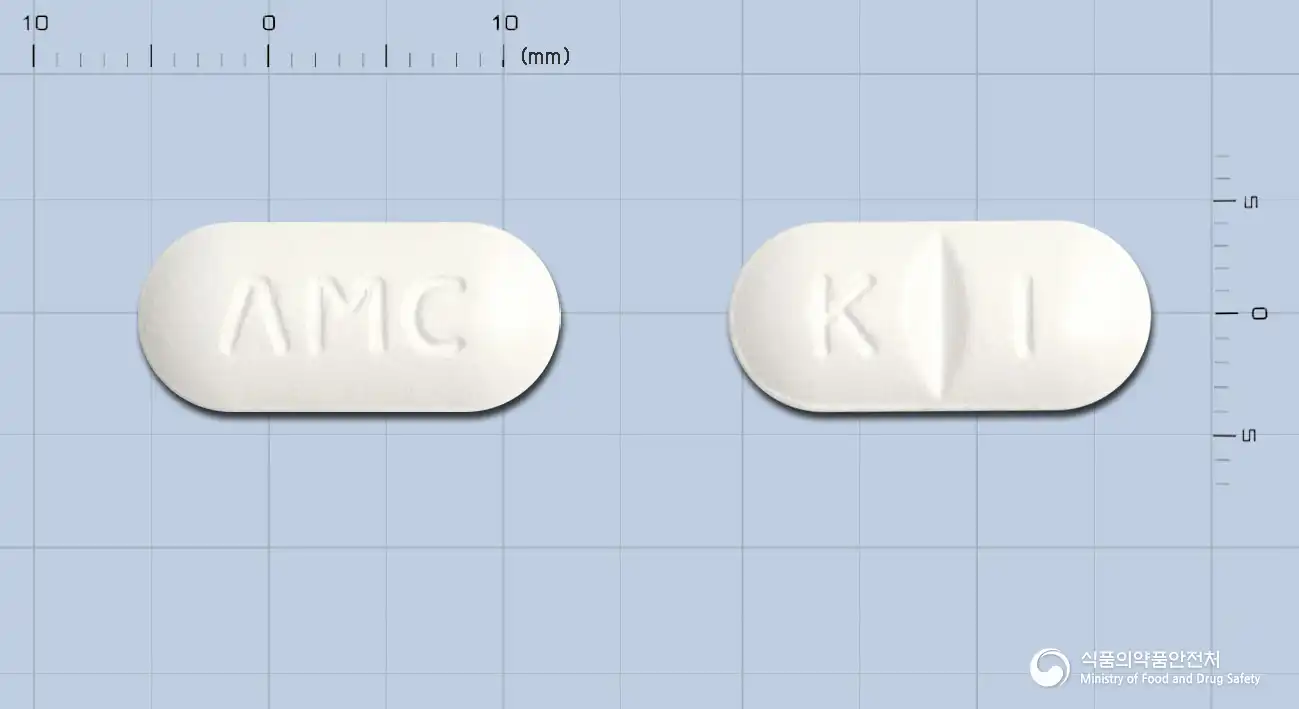 Combination
Amoxicillin Hydrate 500mg · Dilute Potassium Clavulanate 215.52mg
Tablet · Prescription medication · Combination
Geonil Pharmaceutical Co., Ltd.
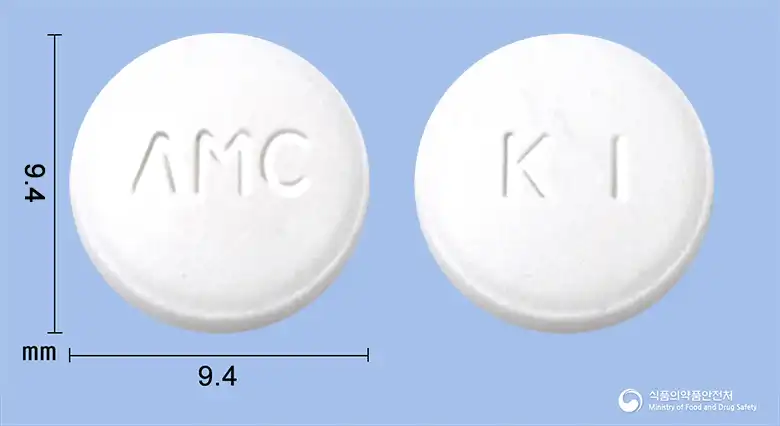 Combination
Amoxicillin Hydrate 125mg · Dilute Potassium Clavulanate 107.76mg
Tablet · Prescription medication · Combination
Geonil Pharmaceutical Co., Ltd.
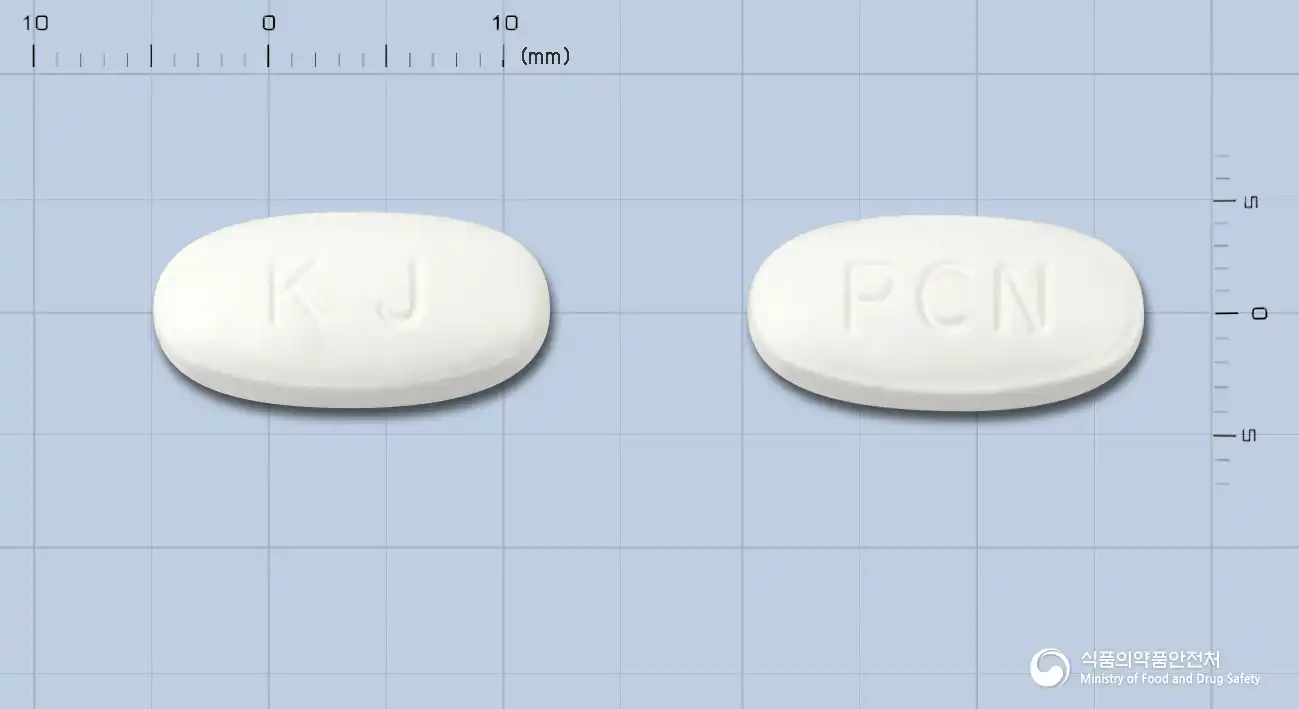 Combination
Amoxicillin Hydrate 250mg · Dilute Potassium Clavulanate 212.73mg
Tablet · Prescription medication · Combination
International Pharmaceutical Co., Ltd.
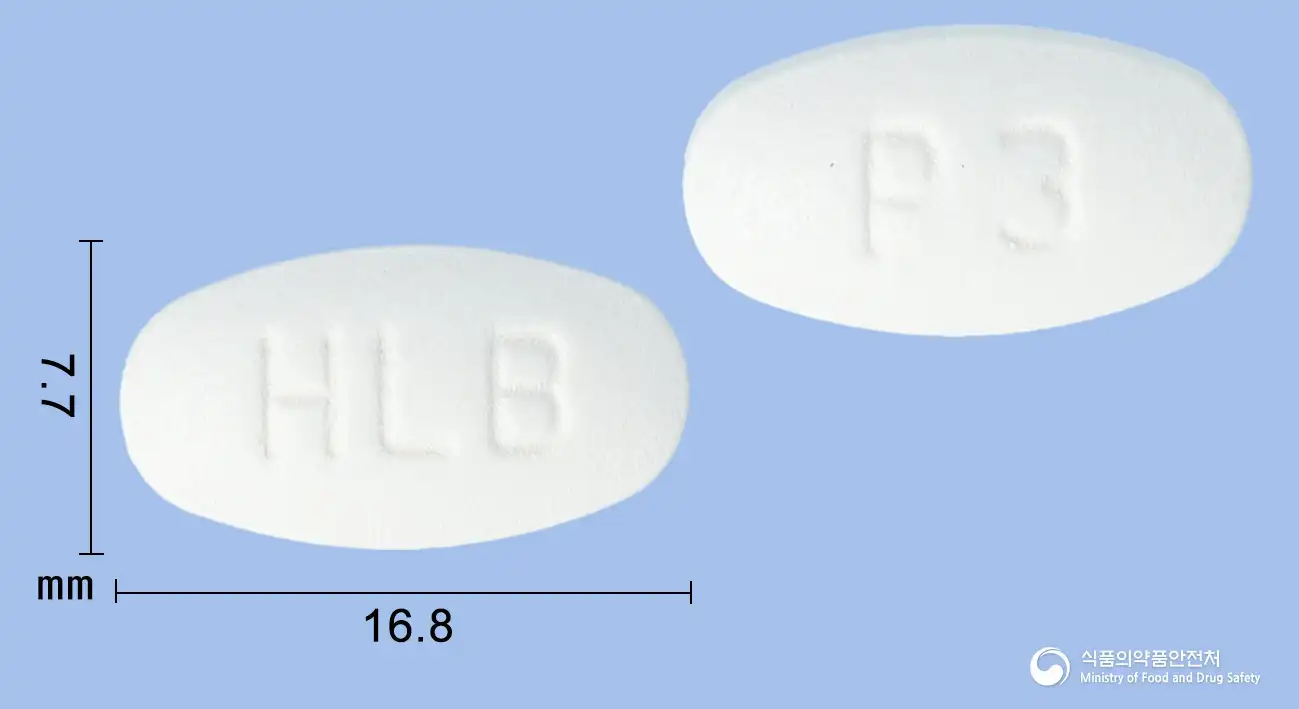 Combination
Amoxicillin Hydrate 250mg · Dilute Potassium Clavulanate 215.52mg
Tablet · Prescription medication · Combination
HLB Pharmaceutical Co., Ltd.
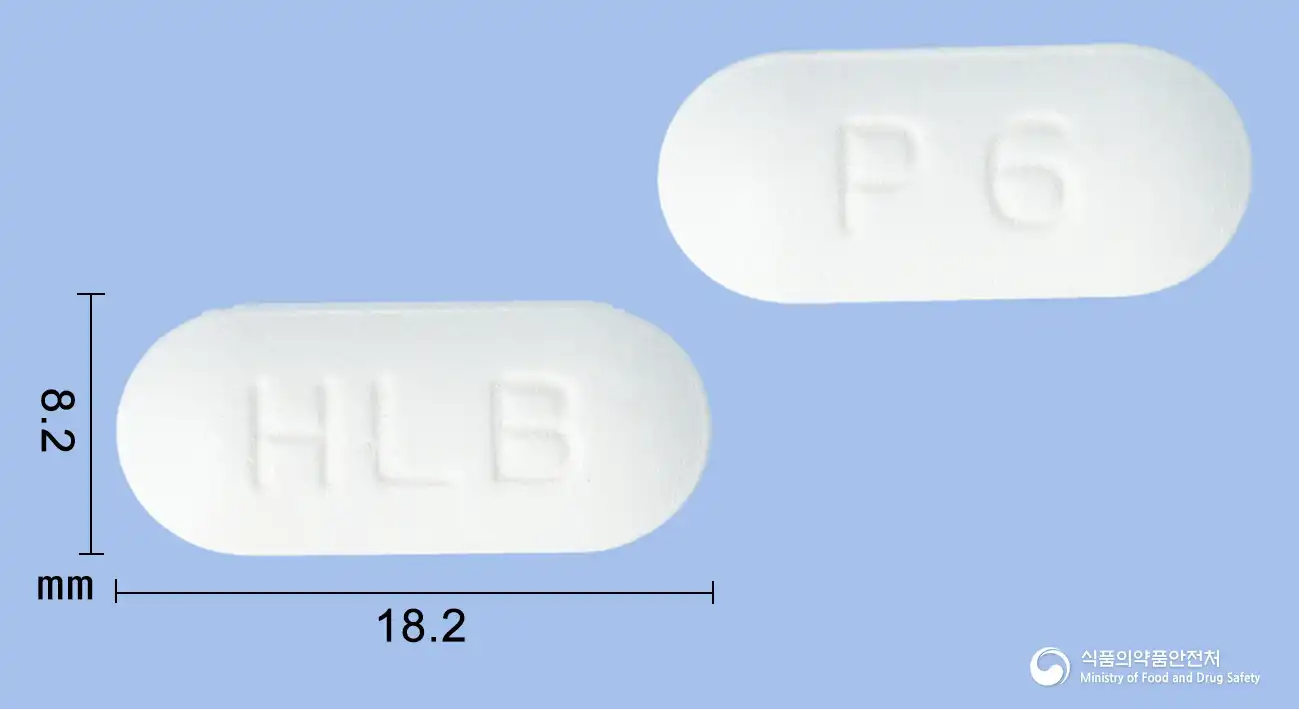 Combination
Amoxicillin Hydrate 500mg · Dilute Potassium Clavulanate 215.52mg
Tablet · Prescription medication · Combination
HLB Pharmaceuticals Co., Ltd.
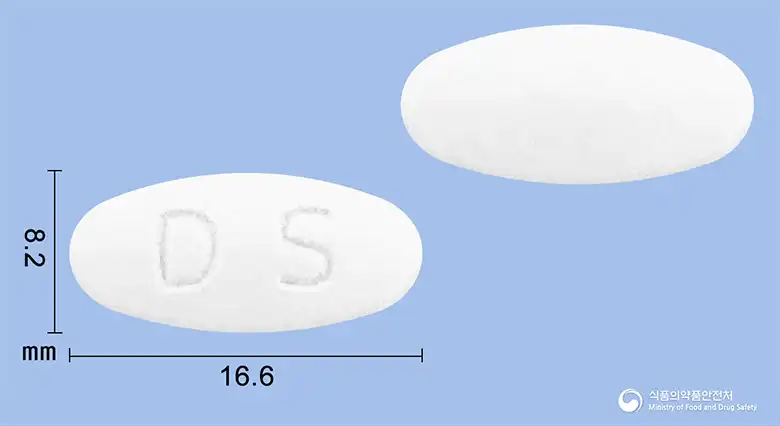 Combination
Amoxicillin Hydrate 250mg · Dilute Potassium Clavulanate 215.52mg
Tablet · Prescription medication · Combination
Dong Sung Pharmaceutical Co., Ltd.
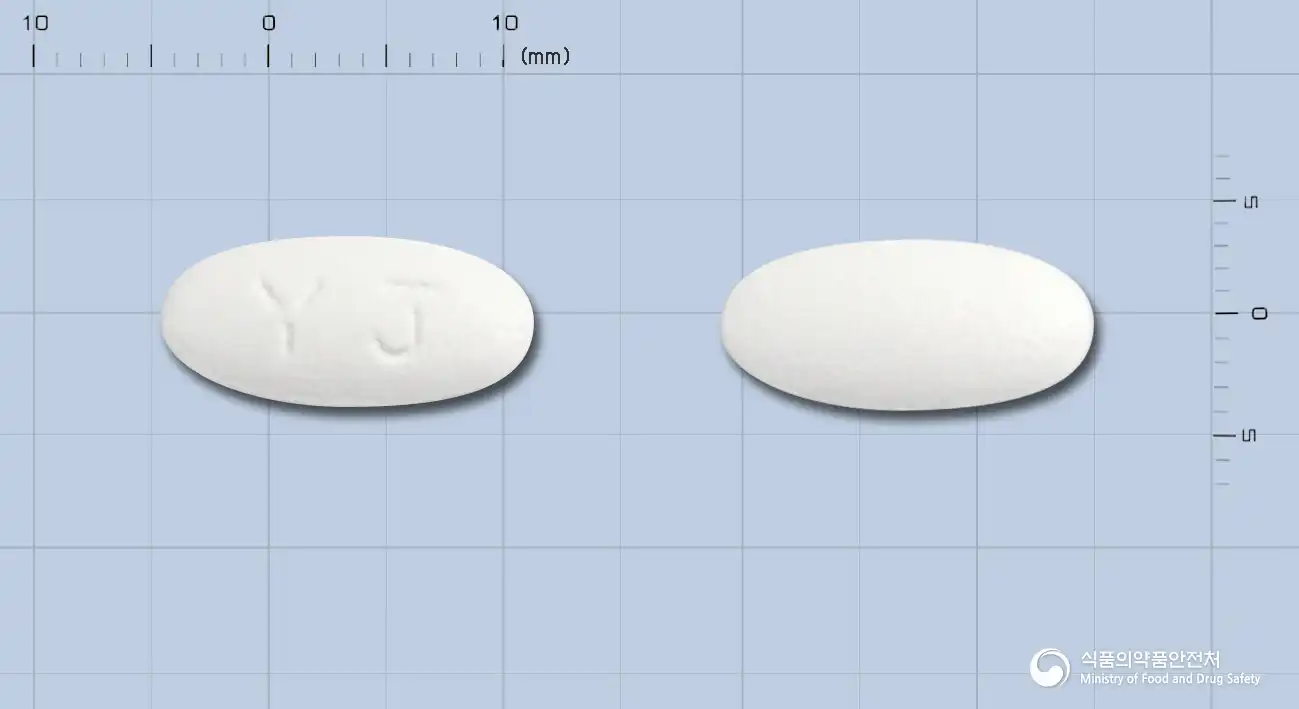 Combination
Amoxicillin Hydrate 250mg · Dilute Potassium Clavulanate 212.73mg
Tablet · Prescription medication · Combination
Youngjin Pharmaceutical Co., Ltd.
Even with the same ingredient, the dose and directions can differ by strength and dosage form. Talk to a doctor or pharmacist before switching from a medication you are already taking.
No questions yet.
For anything that needs medical judgment, consult a doctor or pharmacist.
This drug information is based on data provided by the Korea Ministry of Food and Drug Safety.
Consult a doctor or pharmacist for accurate dosage, administration, and usage instructions.