
 한국어
 English
 日本語
 中文(简体)
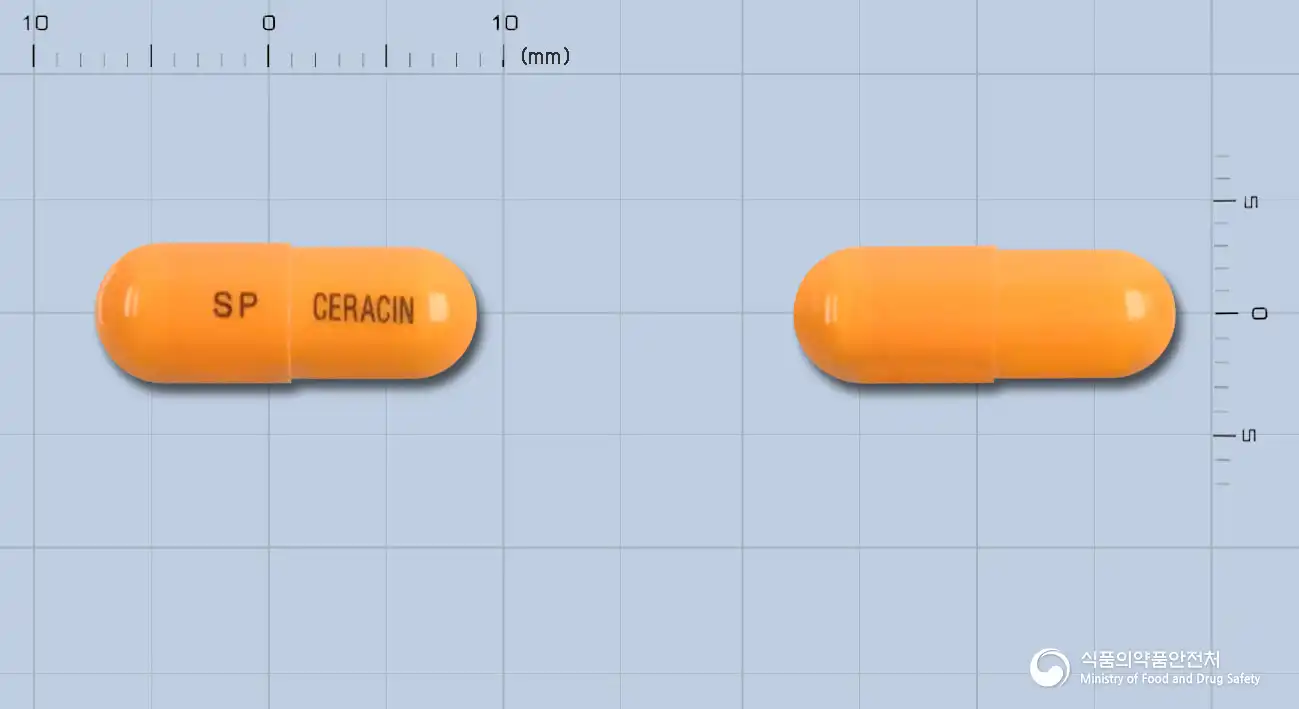 Viewing now
Cerazine Capsule (Cefixime Hydrate)
Cefixime Hydrate 100mg
Hard capsule · Prescription medication
Sinpoong Pharmaceutical Co., Ltd.
MFDS item code 200100037 · Notified 2001.01.18 · Insurance code 648501500
Treatment of respiratory and ear, nose, and throat infections, scarlet fever, urinary tract infections, and biliary tract infections
This medication is used as an antibiotic effective against various bacteria, for the treatment of respiratory infections such as bronchitis, secondary infections of chronic respiratory diseases, and pneumonia. It is also effective for urinary infections such as pyelonephritis and cystitis, as well as for treating gonococcal urethritis. Additionally, it is used for biliary tract infections like cholecystitis and cholangitis, and for treating scarlet fever. Furthermore, it is helpful in treating inflammation of the ear and facial areas, such as otitis media and sinusitis. By being widely used for various bacterial infections, it alleviates patients' symptoms.
(Capsules) Adults: Administer cefixime 50~100mg (potency) per dose orally 2 times daily. For severe cases or when the response is inadequate, administer 200mg (potency) per dose 2 times daily. (Powder) Adjust the dose as appropriate according to age and symptoms.
(Capsules) Children weighing 30 Kg or more: Administer cefixime 50~100mg (potency) per dose orally 2 times daily. For severe cases or when the response is inadequate, administer 200mg (potency) per dose 2 times daily. (Powder) Children: Administer cefixime 1.5~3mg (potency) per Kg of body weight per dose orally 2 times daily. For severe cases or when the response is inadequate, administer 6mg (potency) per Kg of body weight per dose 2 times daily. Adjust the dose as appropriate according to age and symptoms.
This medication should not be administered to certain patients. For instance, patients who have previously experienced severe allergic reactions or shock due to this medication or those allergic to cephalosporin antibiotics should not use it. Additionally, patients with a history of allergies to this medication or similar classes of antibiotics should exercise extreme caution when using it. Caution is also required for patients allergic to penicillin antibiotics or those with a family history of asthma, rashes, or urticaria. Patients with severely impaired renal function may have increased concentrations of this medication, thus requiring dosage adjustment and extended intervals between doses. Elderly individuals who find it difficult to take orally or have poor nutritional status may show symptoms of vitamin K deficiency and should be closely monitored. This medication contains a dye called Yellow No. 5, which necessitates caution in patients allergic to it. Rarely, when using this medication, side effects such as shock, anaphylaxis, skin rash, severe diarrhea, pneumonia, blood abnormalities, liver dysfunction, and kidney impairment may occur; if such symptoms arise, administration should be stopped immediately, and consultation with medical personnel should take place. Furthermore, this medication may affect the production of vitamin K, thus caution is warranted when concomitantly used with anticoagulants like warfarin, as the risk of bleeding may increase. Women who are pregnant or may become pregnant should carefully consider the risks and benefits of using this medication, and it is advisable to avoid breastfeeding during the treatment period. Safety in neonates or infants under 6 months has not been established, so caution is necessary in their use. In older adults, the likelihood of side effects may increase due to decreased physical function; hence monitoring the condition closely while adjusting dosage and intervals is essential. This medication may affect certain test results; thus, inform medical personnel during testing, and if in powder form, do not mix with milk or juice and leave it for a long time, and do not store the suspension for more than 2 weeks after preparation.
Not everyone experiences these, and they can vary from person to person.
This medication should be stored in a tightly closed container to prevent air from entering and kept at a temperature between 1 and 30 degrees Celsius. By storing it this way, the efficacy of the medication can be maintained and degradation can be prevented.
A hard capsule with a light orange upper and lower part containing a crystalline powder that is white to pale yellow.
30 capsules/bottle, 100 capsules/bottle
Even with the same ingredient, strength, dosage form and how it is taken can differ.
Viewing nowCefixime Hydrate 100mg
Hard capsule · Prescription medication
Sinpoong Pharmaceutical Co., Ltd.
Cefixime Hydrate 50mg
Prescription medication
Dong-A ST Co., Ltd.
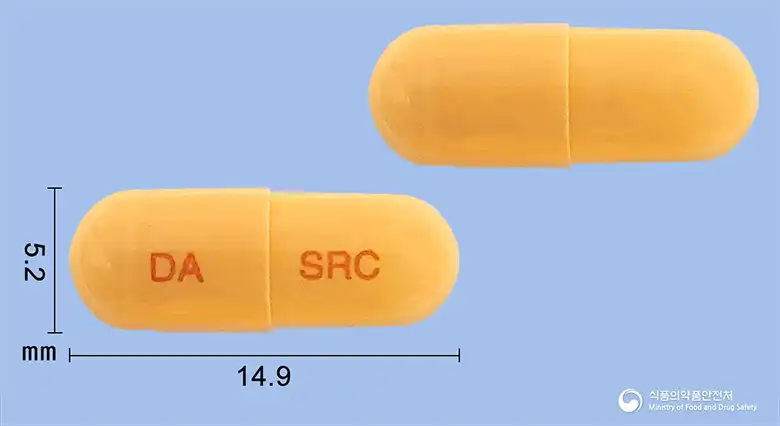
Cefixime Hydrate 100mg
Hard capsule · Prescription medication
Dong-A ST Co., Ltd.
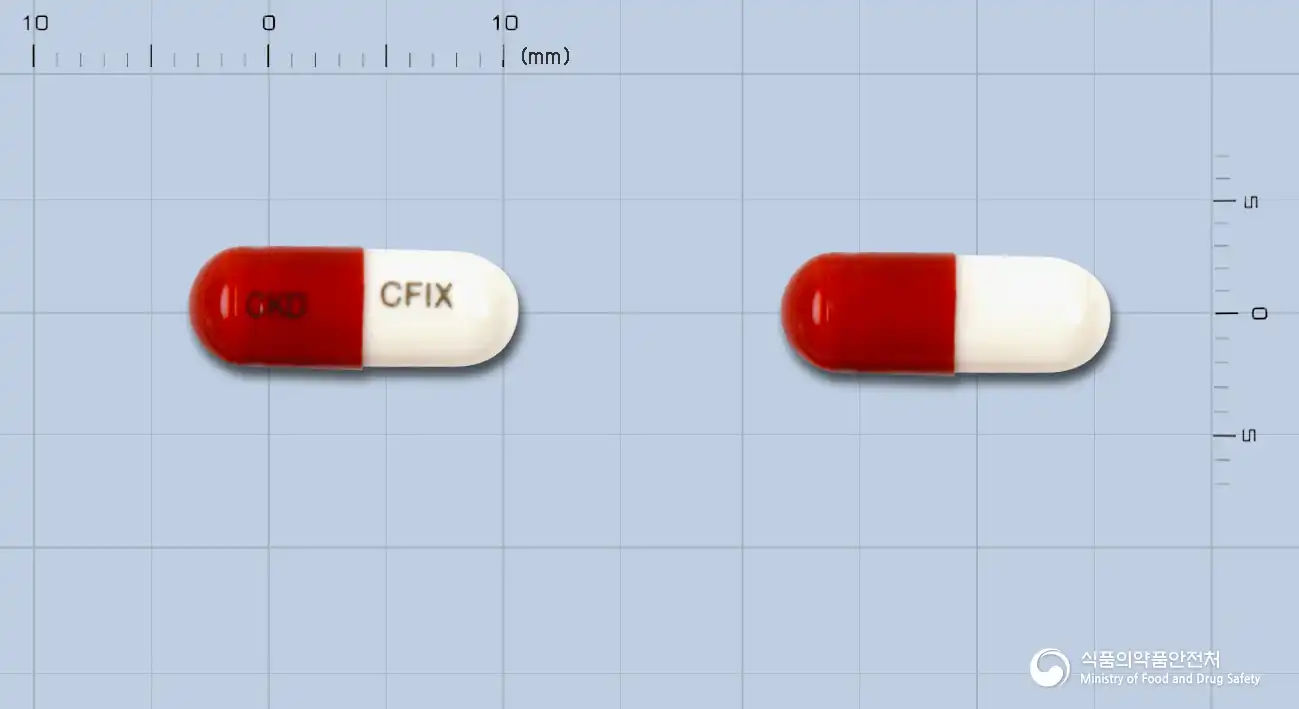
Cefixime Hydrate 100mg
Hard capsule · Prescription medication
Jongkundang Co., Ltd.
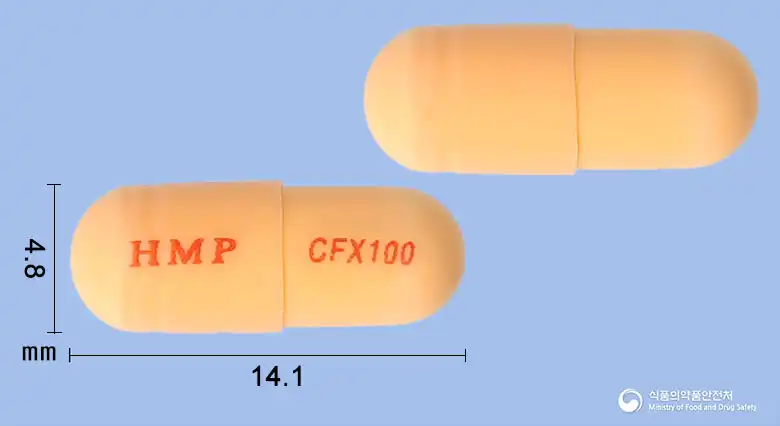
Cefixime Hydrate 100mg
Hard capsule · Prescription medication
Hanmi Pharmaceutical Co., Ltd.
Cefixime Hydrate 50mg
Prescription medication
Hanmi Pharmaceutical Co., Ltd.
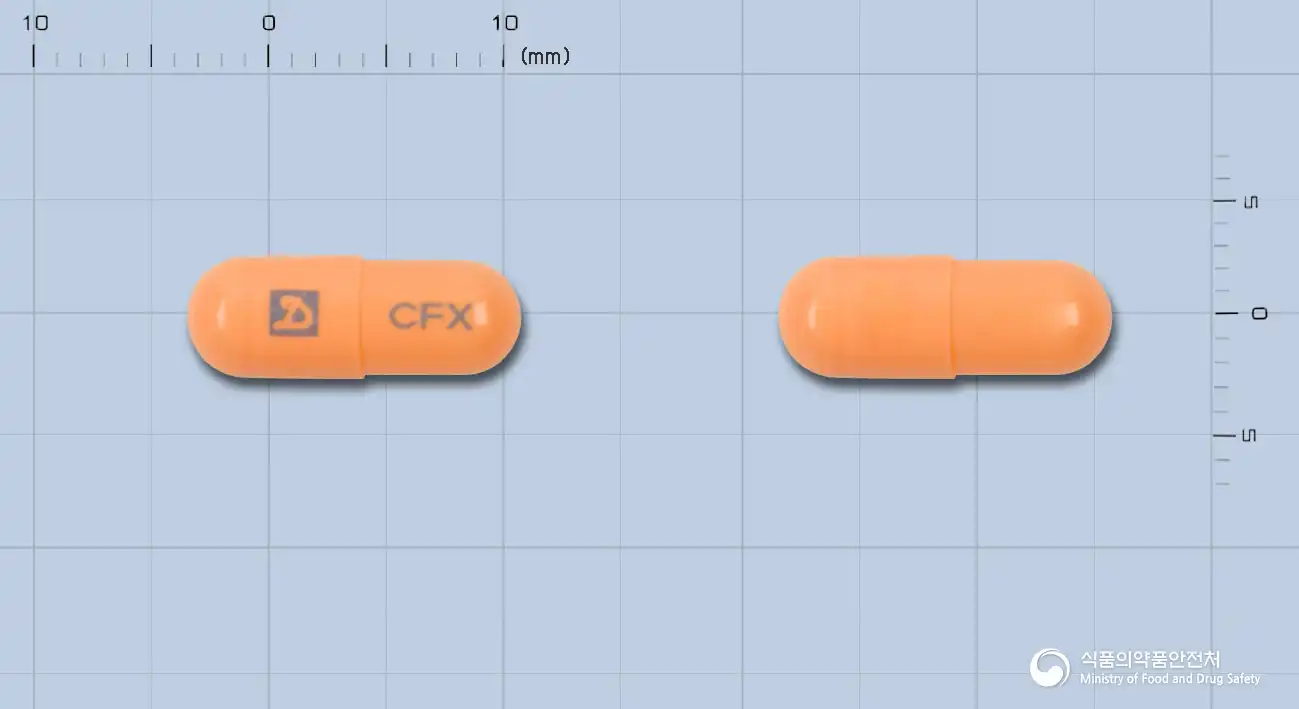
Cefixime Hydrate 100mg
Hard capsule · Prescription medication
Donggu Biopharmaceutical Co., Ltd.
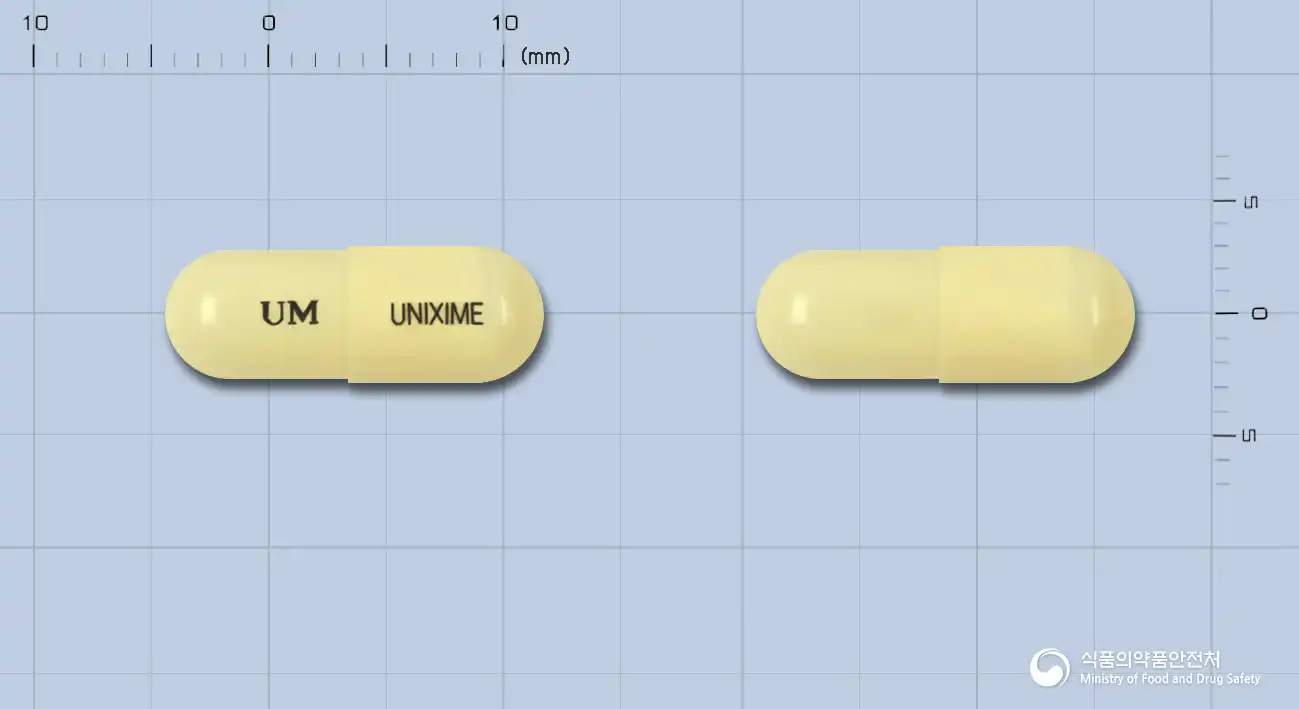
Cefixime Hydrate 100mg
Hard capsule · Prescription medication
Unimed Pharmaceutical Co., Ltd.
Even with the same ingredient, the dose and directions can differ by strength and dosage form. Talk to a doctor or pharmacist before switching from a medication you are already taking.
No questions yet.
For anything that needs medical judgment, consult a doctor or pharmacist.
This drug information is based on data provided by the Korea Ministry of Food and Drug Safety.
Consult a doctor or pharmacist for accurate dosage, administration, and usage instructions.