
 한국어
한국어 English
 日本語
日本語 中文(简体)
 Viewing nowCombination
Sultamox 500mg (Amoxicillin Hydrate · Sulbactam Coated Tablets)
Amoxicillin Hydrate 250mg · Sulbactam Pivoxil 250mg
Tablet · Prescription medication · Combination
Albogenz Korea Co., Ltd.
MFDS item code 200009496 · Notified 2000.11.25 · Insurance code 652601000
Treatment of upper and lower respiratory tract infections, urinary tract infections, and skin infections
This medication is effective against a variety of bacteria including Staphylococcus aureus, Staphylococcus epidermidis, Streptococcus pyogenes, Streptococcus pneumoniae, Haemophilus influenzae, Escherichia coli, and more. It can be used for respiratory infections such as otitis media, sinusitis, tonsillitis, pharyngitis, and laryngitis. It is also helpful in lower respiratory infections such as bronchitis and pneumonia. It is applicable for the treatment of upper and lower urinary tract infections, skin and wound infections, gynecological infections, and abdominal infections. This is a broadly used antibiotic for various types of infectious diseases.
Adults and children over 12 years: 500 - 1000mg (potency) of amoxicillin and sulbactam as a single dose, taken orally three times a day.
This drug is a penicillin-type antibiotic and should not be used in patients with a history of allergy to this drug or penicillin-type antibiotics. Patients with hypersensitivity to cephalosporins should be cautious, particularly those with viral infections such as infectious mononucleosis as there is a higher risk of rash, and caution should be exercised in their administration. Patients with a history of gastrointestinal disease, allergic constitution, severe renal impairment, the elderly, etc. may have a risk of side effects when taking this drug, so strict monitoring by healthcare personnel is required. This drug may cause gastrointestinal symptoms such as nausea, vomiting, diarrhea, and abdominal pain, and in severe cases, it may lead to severe colitis such as pseudomembranous colitis, so administration should be stopped immediately if symptoms occur. Serious allergic reactions such as skin rash, hives, and anaphylactic shock may occur, so immediate medical attention is required if there are any abnormal symptoms. As this may affect renal function, regular testing is necessary for patients with kidney diseases, and there have been reports of blood anomalies, hence regular blood tests and monitoring are recommended. Long-term use may lead to fungal or resistant bacteria overgrowth, so drug discontinuation and appropriate treatment are necessary if dysbiosis occurs. Liver function abnormalities, neurological symptoms (headaches, seizures, etc.), and bleeding tendencies due to vitamin K deficiency should also be monitored, and immediate consultation with healthcare personnel is necessary if symptoms arise. Additionally, as there may be interactions with other medications, patients should inform their physician or pharmacist about any medications they are currently taking. Pregnant or nursing mothers should consult their physician before taking this medication as it may affect the fetus or infant. Children or the elderly may have compromised renal function, necessitating adjustments to dosage and intervals, and they should inform healthcare personnel immediately if any abnormal symptoms develop. Overdosage may cause neurological toxicity or renal failure, so prescribed usage and dosage must be strictly followed. Lastly, it is crucial to immediately discontinue medication and seek medical attention if persistent diarrhea, abdominal pain, or allergic symptoms occur while taking this drug.
Hives, severe swelling (edema), chest tightness, difficulty breathing, cold sweat, pallor, severe allergic reactions, severe rash accompanied by high fever, blisters, skin peeling, pain in oral/ocular mucosa, severe skin reactions, shortness of breath or breathing difficulties, asthma attacks, respiratory irregularities accompanied by cough and fever, breathing problems, jaundice (yellowing of skin or eyes), profound lethargy, liver abnormalities (jaundice), sudden and
Not everyone experiences these, and they can vary from person to person.
This drug should be stored in a tightly sealed container to prevent air or moisture from entering, ideally at room temperature between 1°C and 30°C. Storing it this way helps maintain the effectiveness of the drug over time.
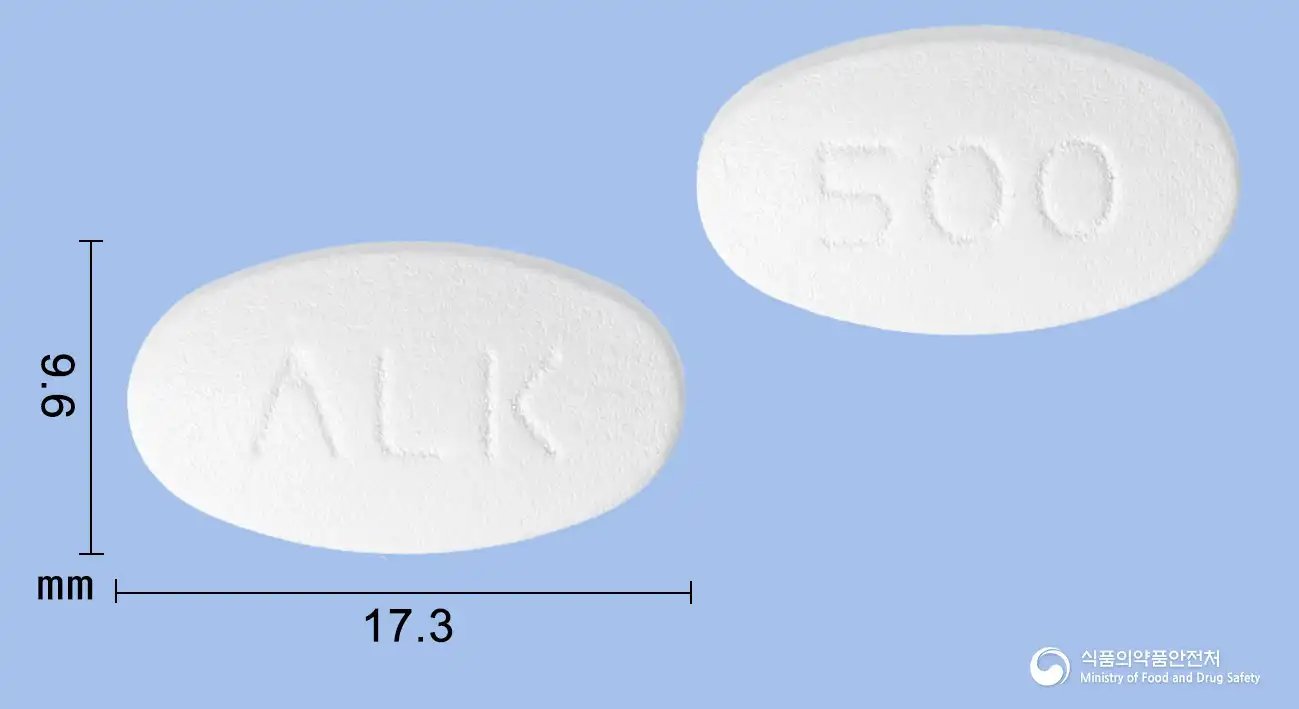
White oval film-coated tablets
30 tablets/bottle, 100 tablets/bottle, 300 tablets/bottle
Even with the same ingredient, strength, dosage form and how it is taken can differ.
Viewing nowCombinationAmoxicillin Hydrate 250mg · Sulbactam Pivoxil 250mg
Tablet · Prescription medication · Combination
Albogenz Korea Co., Ltd.
Amoxicillin Hydrate · Sulbactam Pivoxil
Prescription medication · Combination
Nexpam Korea Co., Ltd.
Amoxicillin Hydrate · Sulbactam Pivoxil
Prescription medication · Combination
Boryung Pharmaceutical Co., Ltd.
Amoxicillin Hydrate · Sulbactam Pivoxil
Prescription medication · Combination
Daehan Pharmaceutical Co., Ltd.
Amoxicillin Hydrate · Sulbactam Pivoxil
Prescription medication · Combination
Daewoong Bio Co., Ltd.
Amoxicillin Hydrate · Sulbactam Pivoxil
Prescription medication · Combination
Korea Union Pharmaceutical Co., Ltd.
Amoxicillin · Sulbactam Pivoxil
Prescription medication · Combination
Kujoo Pharmaceutical Co., Ltd.
Amoxicillin Hydrate · Sulbactam Pivoxil
Prescription medication · Combination
Seoul Pharmaceutical Co., Ltd.
Even with the same ingredient, the dose and directions can differ by strength and dosage form. Talk to a doctor or pharmacist before switching from a medication you are already taking.
No questions yet.
For anything that needs medical judgment, consult a doctor or pharmacist.
This drug information is based on data provided by the Korea Ministry of Food and Drug Safety.
Consult a doctor or pharmacist for accurate dosage, administration, and usage instructions.