
 한국어
 English
 日本語
 中文(简体)
 Viewing now
Concor 5 mg (Bisoprolol Fumarate)
Bisoprolol Fumarate 5mg
Tablet · Prescription medication
Merck Co., Ltd.
MFDS item code 200008764 · Notified 2000.11.28 · Insurance code 661700400
Treatment of hypertension, stable chronic heart failure with left ventricular systolic dysfunction, and angina
1. This medication is used to treat hypertension and angina. 2. It improves symptoms when used in conjunction with ACE inhibitors and diuretics for the treatment of stable chronic heart failure with reduced left ventricular function, if needed, along with cardiac glycosides.
Take in the morning on an empty stomach or with breakfast, with a drink, without chewing. Hypertension, angina pectoris Adults Administer bisoprolol fumarate orally at a dose of 5-10mg once daily. A dose of 5mg is sufficient for mild cases, and 10mg should be administered for severe cases. In special cases, a maximum of 20mg daily may be administered. Adjust the dose appropriately according to age and symptoms. Patients with hepatic or renal impairment Dose adjustment is generally not necessary in patients with hypertension or angina pectoris who have mild or moderate impairment. Do not administer more than 10mg daily to patients with severe hepatic impairment or renal impairment (creatinine clearance < 20ml/min). Stable chronic heart failure Adults Administer bisoprolol fumarate orally once daily, increasing the dose as follows. Treatment with this drug should be initiated when the patient is stable and has no acute symptoms of heart failure. Dose titration schedule The initial dose of this drug is 1.25mg once daily. Monitor tolerability and gradually increase the dose to 2.5mg, 3.75mg, 5mg, 7.5mg, and 10mg, allowing an interval of at least 2 weeks at each step. The maintenance dose is 10mg once daily. The recommended maximum dose is 10mg once daily. During dose titration, closely monitor the patient's condition, including blood pressure and heart rate, and whether symptoms of heart failure worsen. Dose adjustment during treatment If the maximum recommended dose is not well tolerated, consider gradually reducing the dose. If transient worsening of heart failure symptoms, hypotension, or bradycardia occurs, dose adjustment of concomitant medications is recommended. Temporary dose reduction or discontinuation of this drug may be necessary. Once symptoms of heart failure have stabilized, consider restarting this drug or increasing the dose. Abrupt discontinuation of this drug may cause acute worsening of heart failure symptoms; therefore, gradual dose reduction is recommended. Treatment of stable chronic heart failure with this drug is generally long term. Patients with hepatic or renal impairment Pharmacokinetic information is unavailable for patients with chronic heart failure who have these conditions; therefore, use particular caution when increasing the dose in these patients. Elderly patients Dose adjustment of this drug is not necessary.
Pediatrics: Use of this drug is not recommended in children because there is no experience with its use in this population.
This medication has limited experience in patients with specific heart diseases or severely impaired renal and liver function and should be used with caution. Patients with bronchial asthma or chronic obstructive pulmonary disease should use this medication with bronchodilators, and at times may need to increase the dose of the bronchodilator. This medicine may increase the risk of allergic reactions; caution should be exercised in cases of hypersensitivity. Patients with psoriasis or a history of psoriasis should use this drug carefully. Certain tumor patients should receive other medications prior to using this drug. Hyperthyroidism symptoms may be masked by this medication, so caution is needed. Regular monitoring and examination are required during the initial treatment phase. This medicine should not be stopped abruptly as it may worsen heart conditions; it should be tapered off according to the physician's instructions. Patients with diabetic ketoacidosis, severe bradycardia, cardiogenic shock, and acute heart failure should not use this medication. Women who are pregnant or may become pregnant should not take this medication as it may harm the fetus and newborn. Patients with severe bronchial asthma or chronic obstructive pulmonary disease should not use this medication. Safety in children has not been established, so it should not be used. Elderly patients should start with a low dose and be observed closely. This medication may interact with other drugs, and all medications being taken should be disclosed to the physician. Particular caution is needed when used with calcium channel blockers, certain antiarrhythmic agents, and antihypertensives. Before undergoing surgery or anesthesia, healthcare providers should be informed of this medication usage, and it may need to be stopped if necessary. Caution is needed when driving or operating machinery, as individual effects may vary. In cases of overdose, severe bradycardia, hypotension, and bronchospasm may occur, necessitating immediate medical treatment. This medication should be stored out of reach of children and kept in its original container to maintain quality.
Bradycardia, exacerbation of heart failure, coldness or paralysis of the limbs, hypotension, dizziness, headache, nausea, vomiting, diarrhea, constipation, weakness, fatigue, atrioventricular conduction disorder, orthostatic hypotension, sleep disorders, depression, bronchospasm, muscle atrophy and spasms, nightmares, hallucinations, decreased tear production, hearing impairment, allergic rhinitis, hypersensitivity reactions (itching, redness, rash, angioedema), hepatitis, erectile dysfunction, conjunctivitis, exacerbation of psoriasis or induction of psoriatic rash, hair loss, syncope
Not everyone experiences these, and they can vary from person to person.
This medication should be stored in a tightly closed container to avoid contact with air or moisture. Additionally, it should be kept in a place that avoids extreme heat or cold, ideally at room temperature between approximately 15 degrees and 25 degrees Celsius.
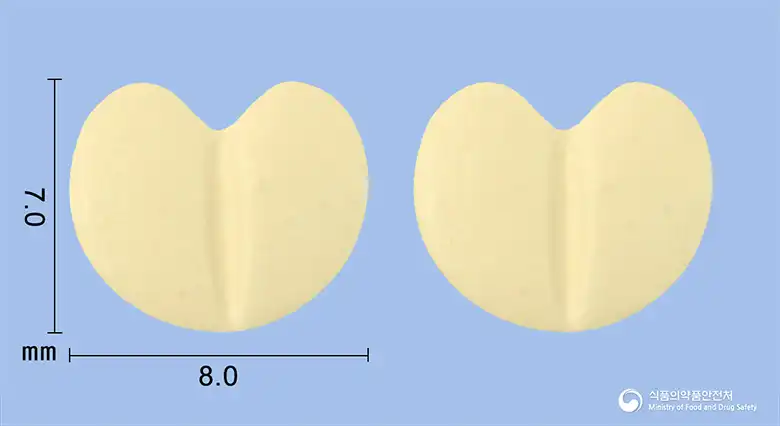
A convex heart-shaped pale yellow film-coated tablet with score lines on both sides.
100 tablets (10 tablets in PTP packaging x 10)
Even with the same ingredient, strength, dosage form and how it is taken can differ.
Viewing nowBisoprolol Fumarate 5mg
Tablet · Prescription medication
Merck Co., Ltd.
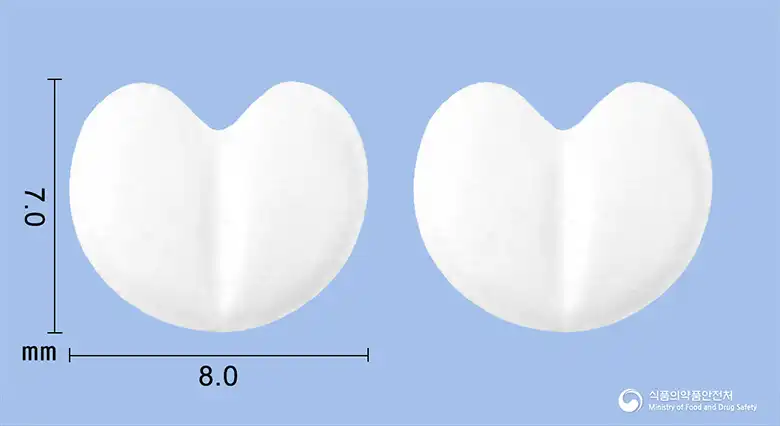
Bisoprolol Fumarate 2.5mg
Tablet · Prescription medication
Merck Co., Ltd.
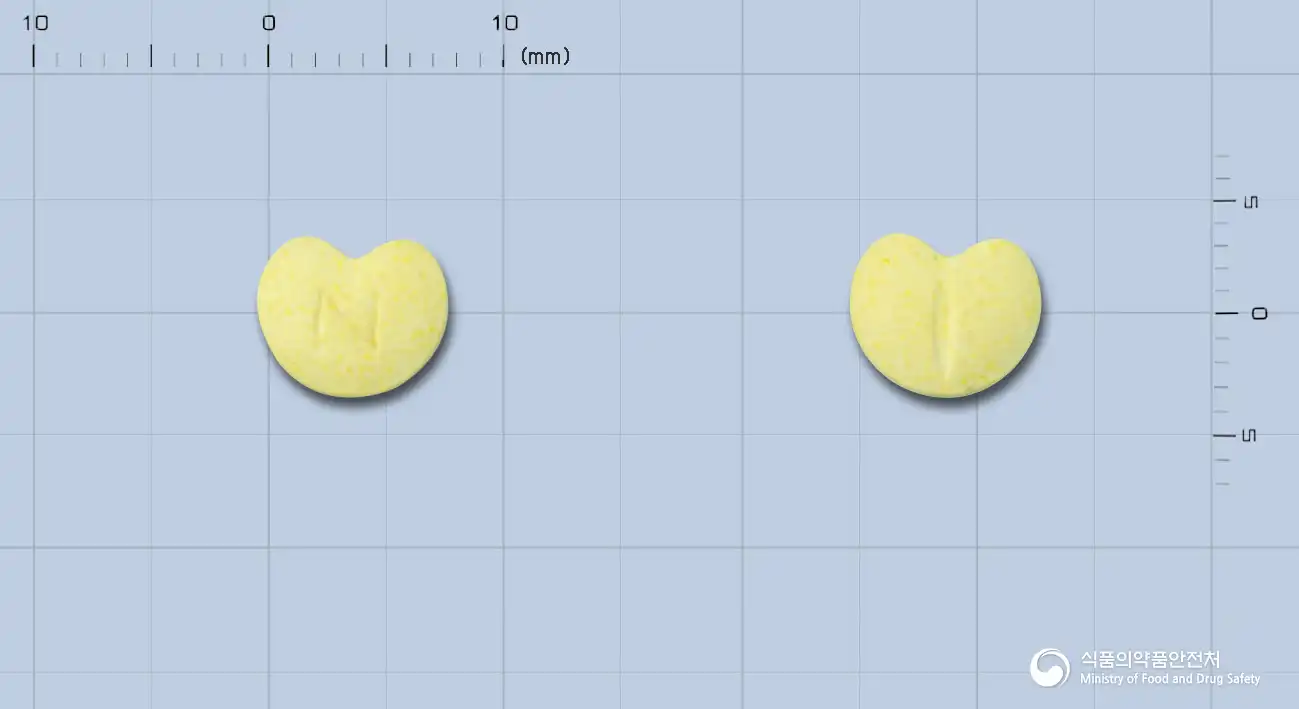
Bisoprolol Fumarate 5mg
Tablet · Prescription medication
Celix Co., Ltd.
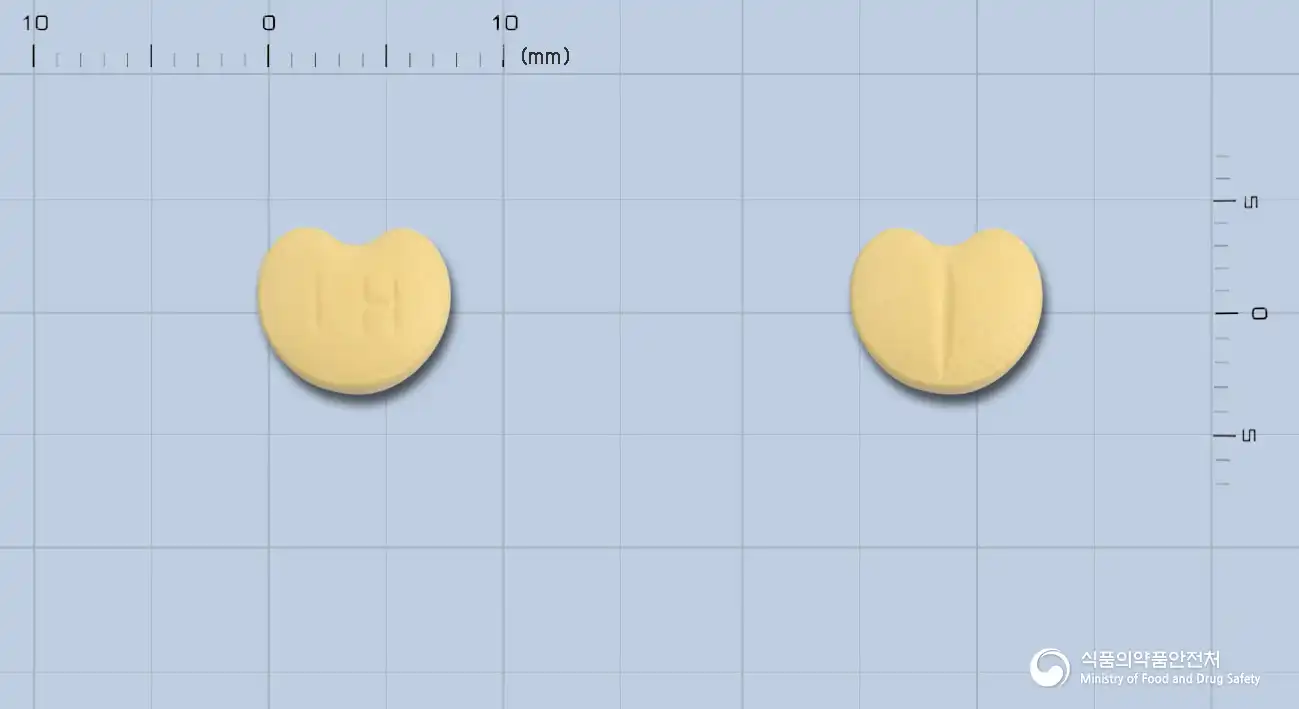
Bisoprolol Fumarate 5mg
Tablet · Prescription medication
Ilhwa Co., Ltd.
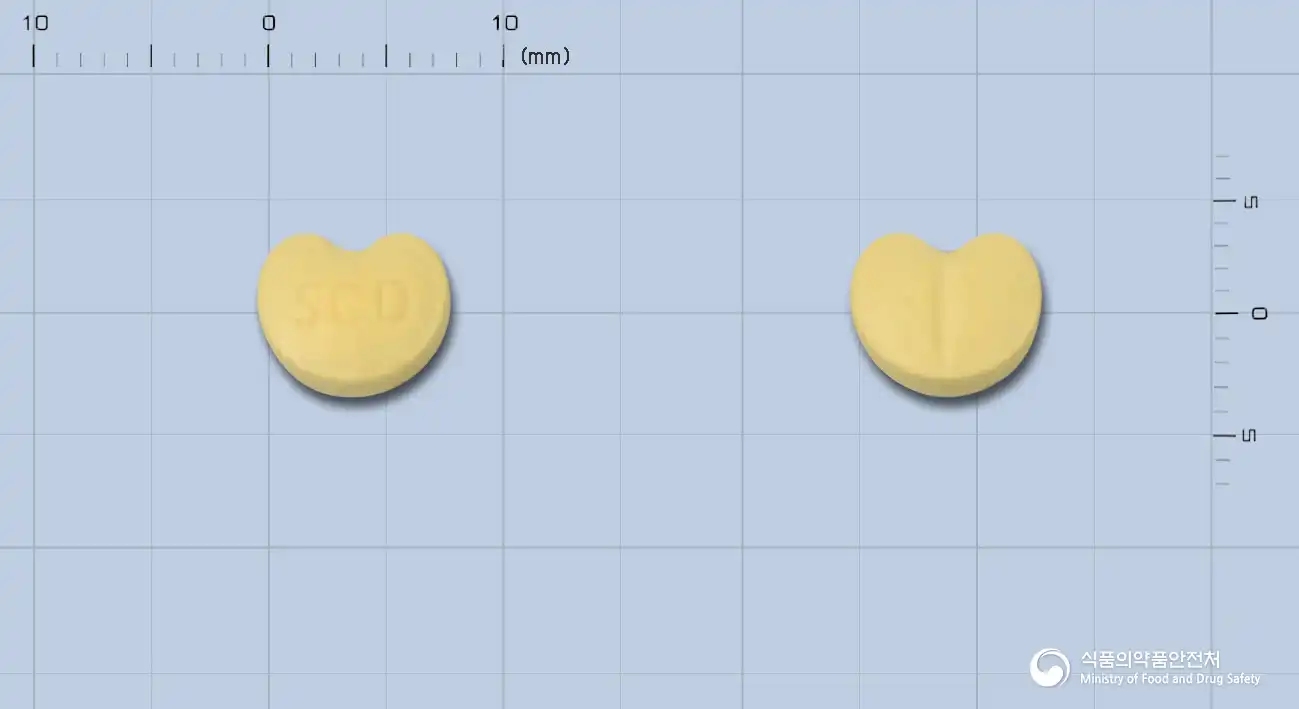
Bisoprolol Fumarate 5mg
Tablet · Prescription medication
Samchundang Pharmaceutical Co., Ltd.
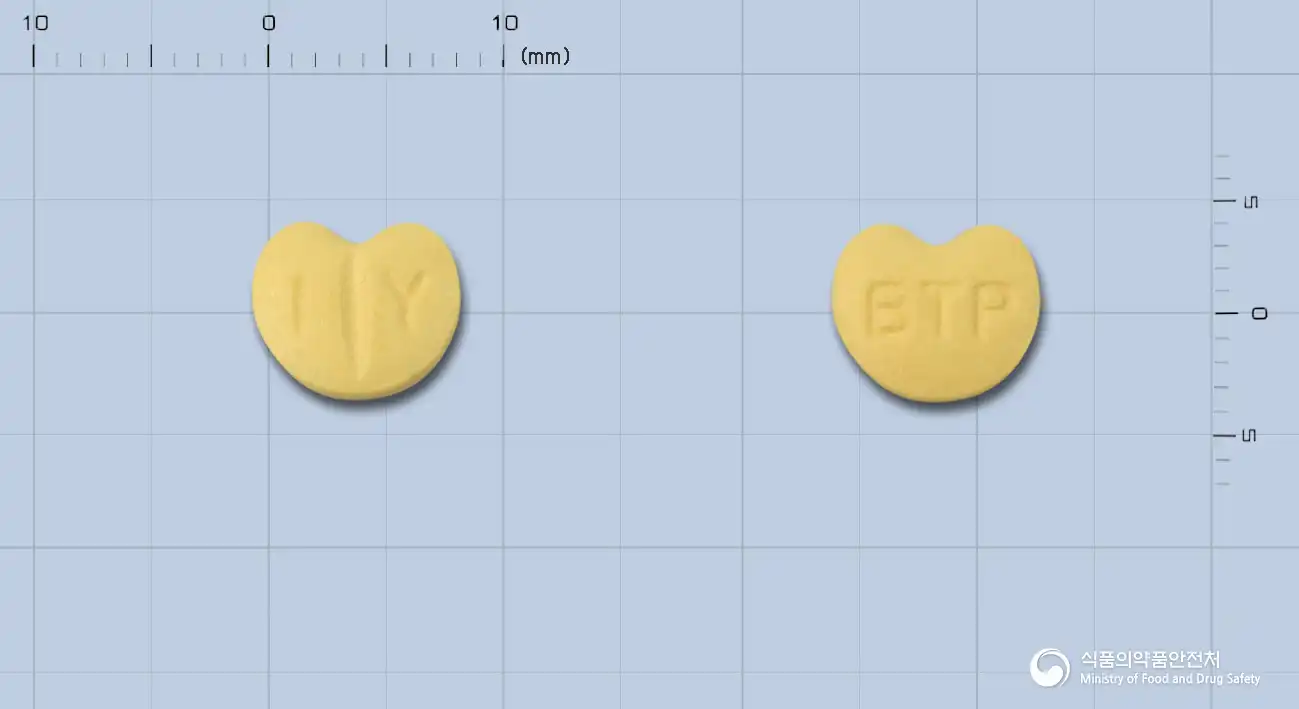
Bisoprolol Fumarate 5mg
Tablet · Prescription medication
Il Yang Pharmaceutical Co., Ltd.
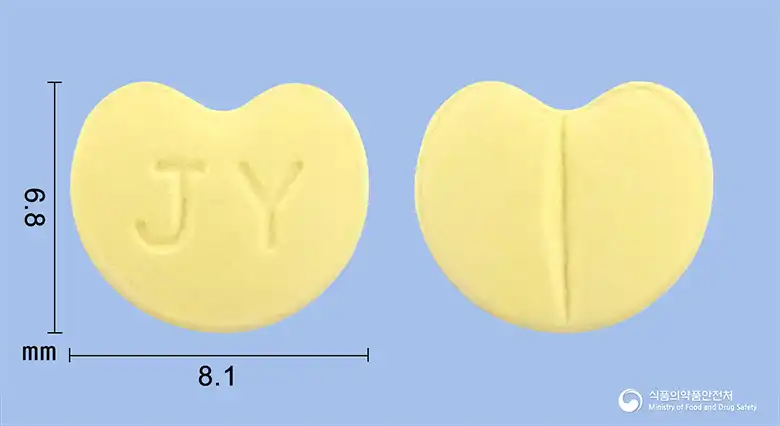
Bisoprolol Fumarate 5mg
Tablet · Prescription medication
Jinyang Pharmaceutical Co., Ltd.
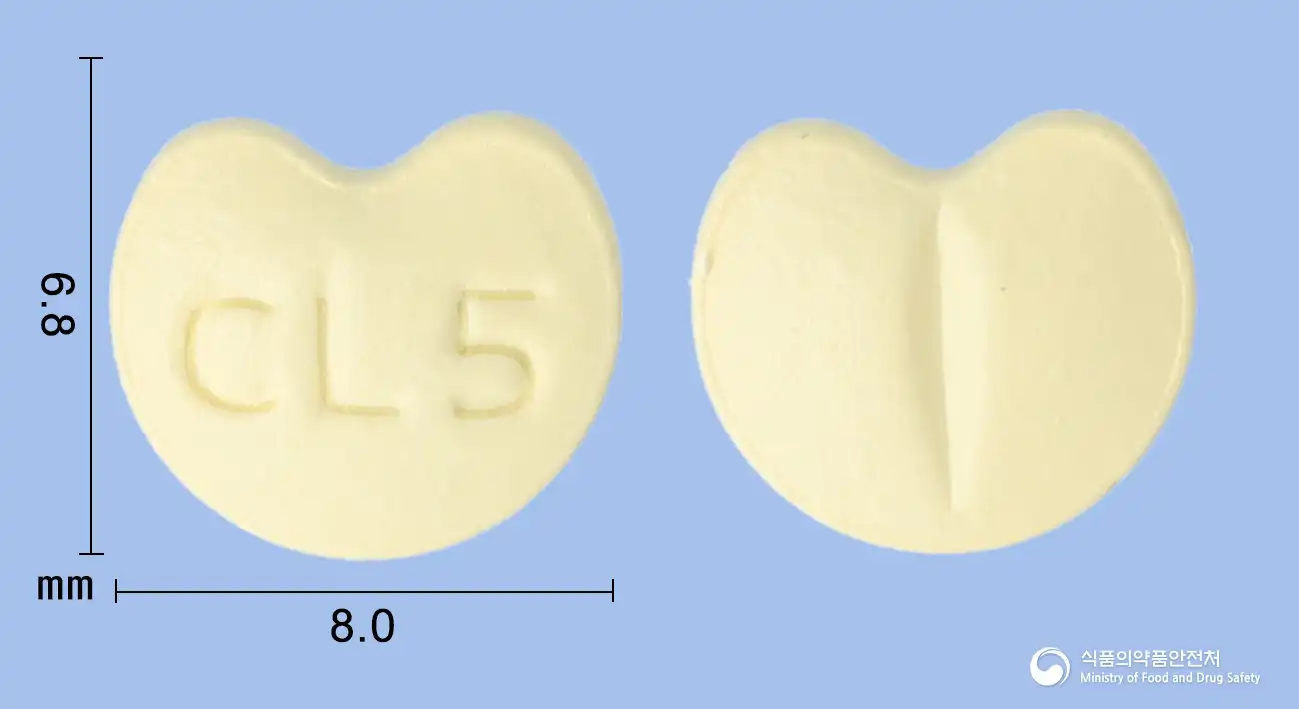
Bisoprolol Fumarate 5mg
Tablet · Prescription medication
Ellison Pharmaceuticals Co., Ltd.
Even with the same ingredient, the dose and directions can differ by strength and dosage form. Talk to a doctor or pharmacist before switching from a medication you are already taking.
No questions yet.
For anything that needs medical judgment, consult a doctor or pharmacist.
This drug information is based on data provided by the Korea Ministry of Food and Drug Safety.
Consult a doctor or pharmacist for accurate dosage, administration, and usage instructions.