
 한국어
한국어 English
 日本語
日本語 中文(简体)
 Viewing now
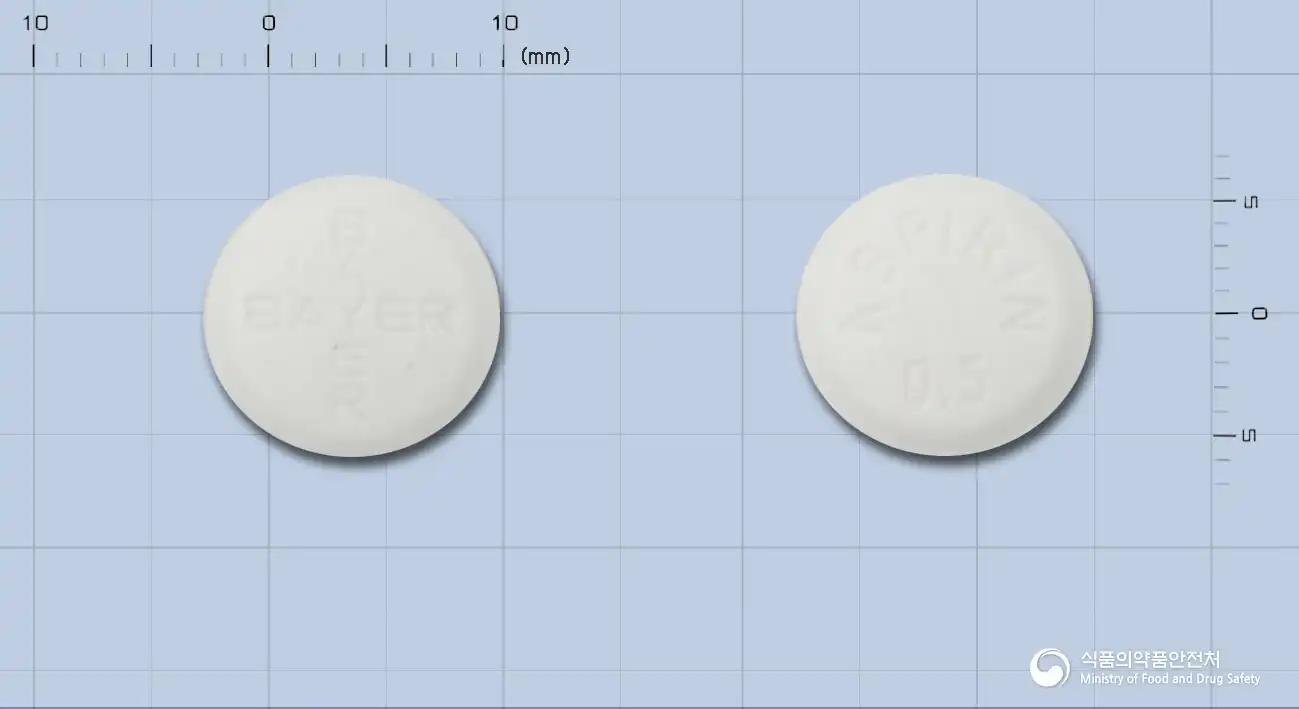
Bayer Aspirin Tablet 500 mg
Aspirin 500mg
Tablet · OTC medication
Bayer Korea Co., Ltd.
MFDS item code 200008591 · Notified 2000.02.23 · Insurance code 641100070
Pain relief from headaches, toothaches, etc., and relief of cold symptoms
This medication relieves various pains such as headaches, toothaches, sore throats, and menstrual cramps. It also reduces muscle and joint pain, back pain, and pain from mild arthritis, and helps alleviate pain and fever symptoms associated with colds. This efficacy improves various pains and discomforts experienced in daily life.
Adults and children over 15 years of age shall take 500 mg to 1000 mg of aspirin orally at least every 4 hours apart. Do not exceed a maximum daily dose of 8 tablets (4.0 g).
This medication should be consulted with a doctor or pharmacist before use by individuals who regularly consume more than three glasses of alcohol per day, as it may increase the risk of gastrointestinal bleeding. There are cases where this medication should not be taken by certain patients. For example, those who are allergic to this medication or similar medications, patients with peptic ulcers, patients who have experienced asthma attacks due to aspirin, hemophiliacs, patients with severe liver or kidney impairment, patients with severe heart failure, patients with a tendency to bleed, patients taking high doses of methotrexate, and pregnant women in the third trimester should avoid taking this medication. Additionally, patients with weak kidney or liver function, heart disease, a history of blood disorders or allergic diseases, patients undergoing surgery, children under 15 years, the elderly, patients taking anticoagulants, and patients with specific enzyme deficiencies should take this medication cautiously. While taking, serious allergic reactions such as shock or anaphylaxis may occur, so if any symptoms appear, stop taking the medication immediately and seek medical help. Skin rashes, itching, and swelling should also be monitored, and if these symptoms occur, the medication should be discontinued. Gastrointestinal symptoms may include heartburn, stomach pain, nausea, and vomiting, and prolonged use may lead to gastrointestinal bleeding or ulcers. Neurological symptoms reported include ringing in the ears, dizziness, and headaches, and if these symptoms occur, it is advisable to reduce the dose or discontinue use. Since it can affect liver and kidney function, if abnormal symptoms occur, tests should be conducted to take appropriate measures. This medication requires particular caution when taken by children, the elderly, or those with chronic diseases, and it may be necessary to discontinue use before and after surgery due to the risk of bleeding. Additionally, because this medication suppresses platelet function, it may increase the risk of bleeding, so if bleeding symptoms (such as nosebleeds, gum bleeding, or hematuria) occur, immediate consultation with medical personnel is required. Patients with gout should be cautious as this medication can interfere with uric acid excretion, worsening symptoms. This medication may interact with other drugs, so it is essential to consult with a specialist, especially when taken alongside anticoagulants, hypoglycemic agents, diuretics, lithium, and other analgesics. Pregnant women should be especially careful, taking the minimum dose only if necessary during the first and second trimesters, and avoiding use during the third trimester. Nursing mothers should avoid this medication due to the possibility of transmission through breast milk. The elderly are at a higher risk of side effects, so they should start with a small dose and monitor their condition. Finally, this medication should be stored out of reach of children, kept in its original container, and care should be taken not to transfer it to other containers as it may lead to decreased quality or risk of misuse.
Hives, severe swelling (edema), chest tightness, difficulty breathing, symptoms of shock and anaphylaxis, asthma attack, severe allergic reactions, severe skin reactions (including Lyell's syndrome, Stevens-Johnson syndrome, exfoliative dermatitis), jaundice of the skin or eyes, liver impairment, severe neurological symptoms, hemolysis and hemolytic anemia in patients with severe glucose-6-phosphate dehydrogenase deficiency, gastrointestinal bleeding, peptic ulcers, and ascitic disease
Erythema, itching, nasal congestion, rash, symptoms of rhinitis, conjunctivitis, loss of appetite, heartburn, stomach pain, nausea, vomiting, ringing in the ears, ear fullness, dizziness, headache, excitement, temporary liver damage due to elevated liver aminotransferases, metabolic acidosis, hyperventilation, potential increase in blood concentration, prolonged bleeding time, decreased uric acid excretion, potential gout induction
Not everyone experiences these, and they can vary from person to person.
Do not use this medication in conjunction with doses of methotrexate greater than 15 mg. It should also not be used with other non-steroidal anti-inflammatory analgesics or salicylate preparations. Consult specialists if using with anticoagulants, thrombolytics, or other platelet aggregation inhibitors, hemostatic agents and diabetes treatment agents (insulin preparations, tolbutamide, etc.), uricosuric agents (benzbromarone, probenecid), low-dose methotrexate, or acetylsalicylic acid (aspirin).
This medication should be stored in a tightly sealed container to prevent air from entering, and it is advisable to keep it at room temperature between 1°C and 25°C. Storing in this way helps maintain the drug's effectiveness and safety.
White round tablet
20 tablets (10 tablets/PTP x 2), 100 tablets (10 tablets/PTP x 10)
Even with the same ingredient, strength, dosage form and how it is taken can differ.
Viewing nowAspirin 500mg
Tablet · OTC medication
Bayer Korea Co., Ltd.
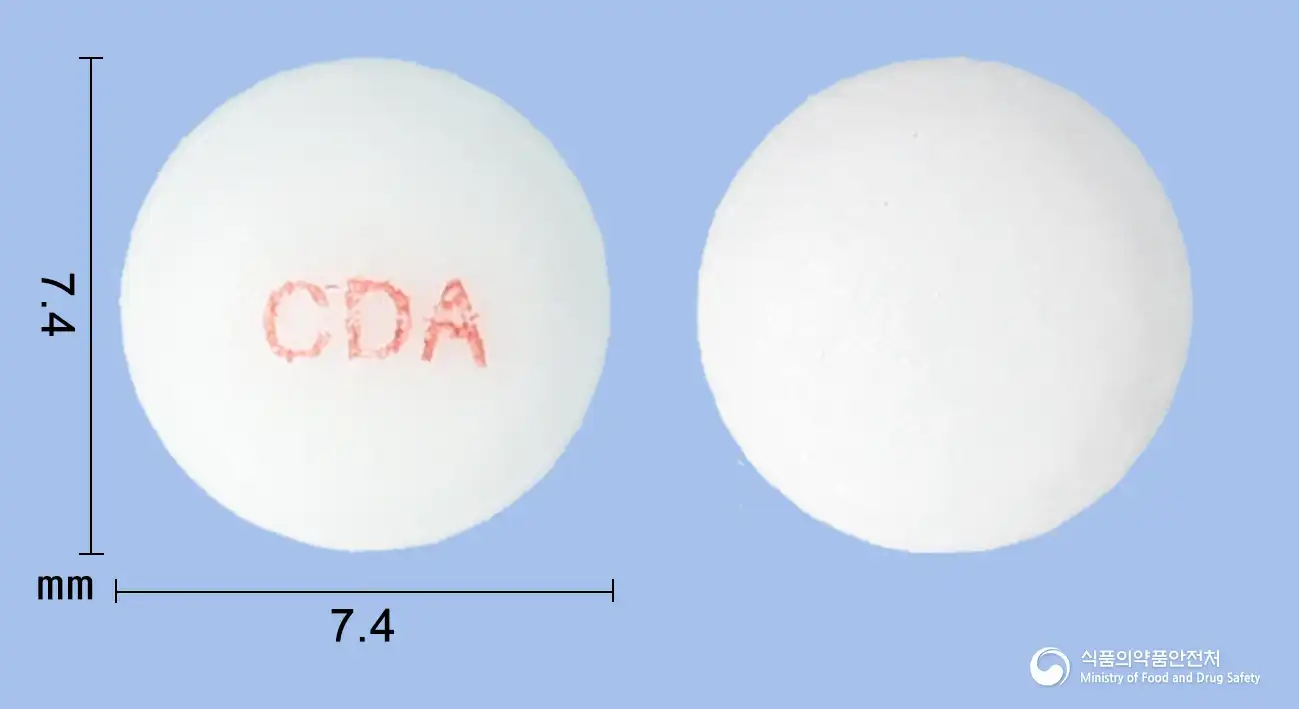
Aspirin 100mg
Tablet · OTC medication
Chodang Pharmaceutical Co., Ltd.
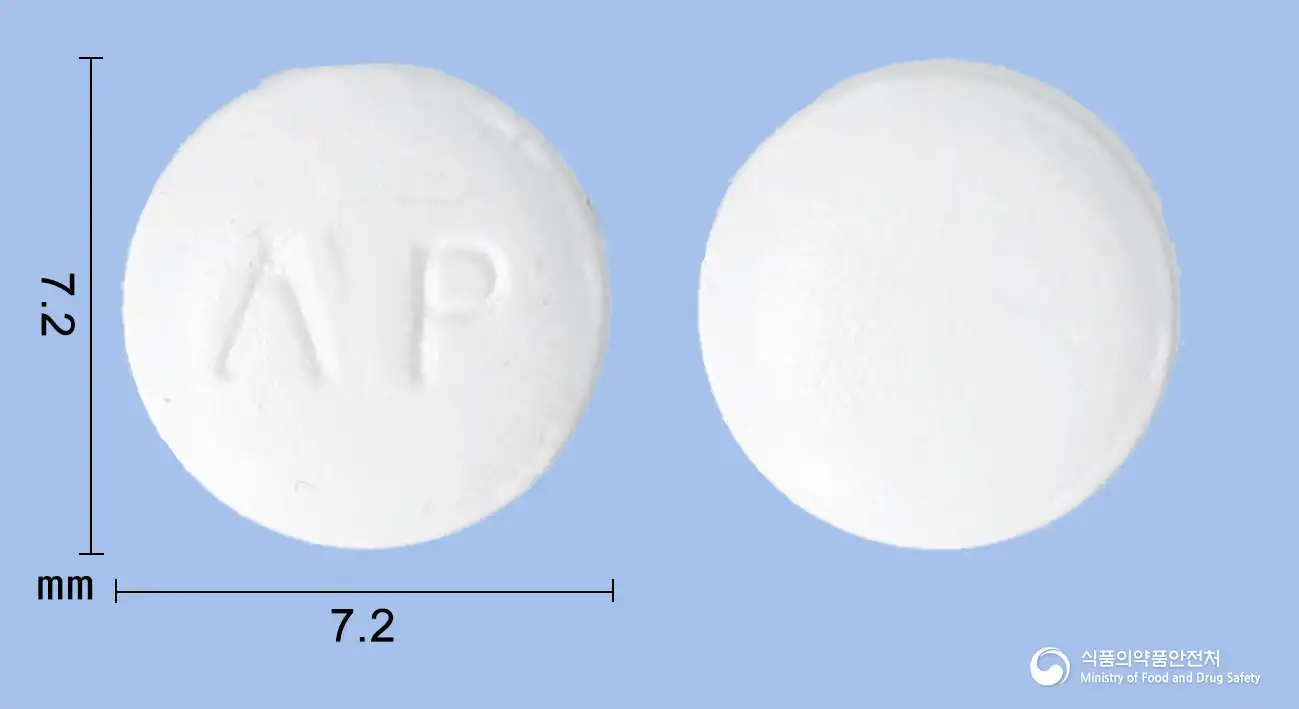
Aspirin 100mg
Tablet · OTC medication
Hanmi Pharmaceutical Co., Ltd.

Aspirin 100mg
Tablet · OTC medication
Bayer Korea Co., Ltd.
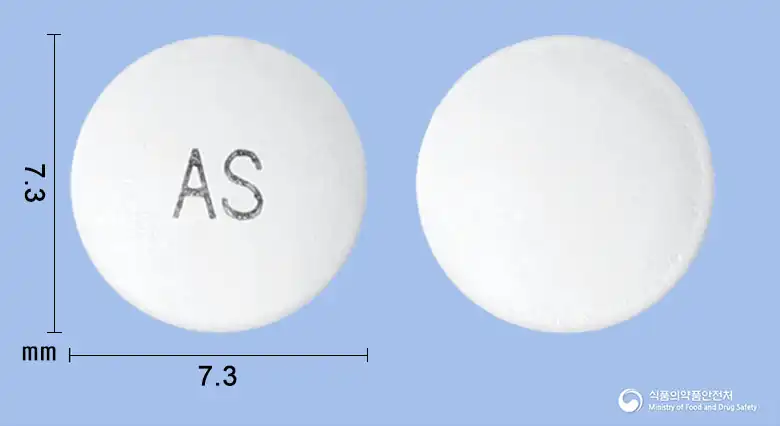
Aspirin 100mg
Tablet · OTC medication
Youngjin Pharmaceutical Co., Ltd.
Aspirin 81mg
Tablet · OTC medication
Youngpoong Pharmaceutical Co., Ltd.
Aspirin 75mg
Tablet · OTC medication
IlYang Biopharm Co., Ltd.
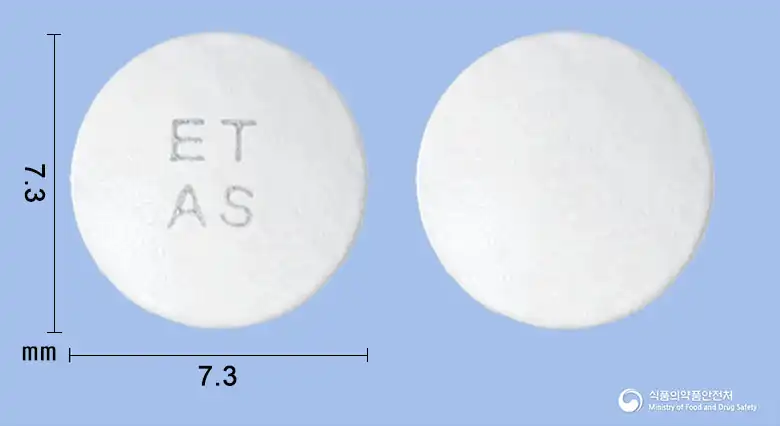
Aspirin 100mg
Tablet · OTC medication
Teragen Etex Co., Ltd.
Even with the same ingredient, the dose and directions can differ by strength and dosage form. Talk to a doctor or pharmacist before switching from a medication you are already taking.
No questions yet.
For anything that needs medical judgment, consult a doctor or pharmacist.
This drug information is based on data provided by the Korea Ministry of Food and Drug Safety.
Consult a doctor or pharmacist for accurate dosage, administration, and usage instructions.