
 한국어
 English
 日本語
 中文(简体)
 Viewing now
Excel Capsule 50 mg (Milnacipran Hydrochloride)
Milnacipran Hydrochloride 50mg
Hard capsule · Prescription medication
Bukwang Pharmaceutical Co., Ltd.
MFDS item code 200001932 · Approved 2000.05.01 · Insurance code 642201850
Treatment of depression and fibromyalgia
This medication is used to treat depression and fibromyalgia.
The therapeutic dose of this medicine should be adjusted according to the patient's clinical condition, and the lowest effective dose possible should be administered. 1. Adults - Depression 1) Start with an initial dose of 25 mg of milnacipran hydrochloride per day and gradually increase the dose to 50 mg orally twice daily, in the morning and evening. It is recommended to take this medicine with meals. 2) Determine the duration of treatment based on the symptoms; however, treatment for at least several months (usually 6 months) is required to prevent the risk of recurrence of depression. As with other antidepressants, the efficacy of this medicine becomes apparent only after 1~3 weeks of administration. If this medicine is discontinued, the dose should be reduced gradually. Concomitant use of a tranquilizer or anxiolytic during initial treatment may prevent anxiety symptoms or prevent them from worsening. However, anxiolytics cannot be considered to necessarily prevent suicide attempts. - Treatment of fibromyalgia The recommended dose of this medicine is 50 mg twice daily (100 mg per day). The dose of this medicine may be increased as follows, based on efficacy and tolerability in each patient. Administer 12.5 mg once daily as the starting dose, then increase to 12.5 mg twice daily (25 mg per day) on days 2~3, and to 25 mg twice daily (50 mg per day) on days 4~7. From day 7 onward, increase the dose to 50 mg twice daily (100 mg per day). Depending on the patient's response, the dose may be increased to 100 mg twice daily (200 mg per day). In placebo-controlled trials of this medicine for the treatment of fibromyalgia, efficacy was not observed in long-term trials lasting more than 3 months. 2. Administration in specific populations 1) Elderly patients For the treatment of depression, administer 25 mg of milnacipran hydrochloride per day orally in 2∼3 divided doses. Up to 60 mg per day may be administered. 2) Patients with renal impairment (1) Dose adjustment is required in patients with renal impairment. Depending on the degree of deterioration in renal function, reduce the dose from 50 mg to 25 mg. (2) Adjust the dose according to the following table. Creatinine clearance (mL/min) Dose/24 hours Creatinine clearance ≥ 60 50 mg × 2 60>creatinine clearance≥30 25 mg × 2 30>creatinine clearance≥10 25 mg 3. Discontinuation of administration Based on current clinical experience, withdrawal symptoms have been observed upon discontinuation of this medicine, as with other serotonin-norepinephrine reuptake inhibitors (SNRIs) or selective serotonin reuptake inhibitors (SSRIs). Therefore, when discontinuing this medicine, rather than stopping it abruptly, the dose should be tapered gradually over at least 1∼2 weeks while closely monitoring for these symptoms.
This drug should be closely monitored in young patients with major depression or psychiatric disorders due to the increased risk of suicidal thoughts and behavior. While taking this drug, serious side effects known as serotonin syndrome may occur; caution is especially advised when used in conjunction with other serotonergic medications. Blood pressure may increase, so regular monitoring of blood pressure should be performed before and during use, and in hypertensive patients, this drug should be administered with caution. Heart rate may increase, so patients with heart conditions should consult healthcare professionals before taking this drug and should periodically check their heart rate during treatment. This drug is prohibited for use with certain medications, so it is essential to inform healthcare professionals about any other medications being taken. It is preferable for pregnant or potentially pregnant women, as well as nursing mothers, to avoid this medication, and consultation with a professional is necessary if taken. This drug is not to be administered to children and adolescents, especially those under 18, as its safety and efficacy have not been established. Abrupt discontinuation of this drug may cause withdrawal symptoms such as dizziness, anxiety, and sensory disturbances, so the dosage should be gradually reduced according to the physician’s instructions. Alcohol consumption should be avoided while taking this medication, and caution is needed when engaging in hazardous activities such as driving or operating machinery. In case of overdose, symptoms such as vomiting, respiratory distress, and increased heart rate may occur; immediate medical attention is required, and there is no specific antidote, so symptomatic treatment will be provided. This drug should be kept out of the reach of children and should not be transferred to other containers for safety.
Suicidal thoughts, suicidal tendencies, agitation, hallucinations, delirium, coma, tachycardia, unstable blood pressure, dizziness, sweating, flushing, high fever, tremors, excitement, clonic muscle spasms, hypoactivity, dyskinesia, seizures, nausea, vomiting, diarrhea, dizziness, hyperhidrosis, anxiety, sudden facial flushing, urinary retention, dry mouth, constipation, tremor, palpitations, agitation, diuresis, headache, urticaria, rash, maculopapular rash, erythema, itching, hypertension, hypotension, orthostatic hypotension, tachycardia, palpitations, serotonin syndrome, transaminase elevation, nephrolithiasis, convulsions, testicular pain, ejaculation disorder, hyponatremia, petechial hemorrhage, epidermal bleeding, mucosal bleeding, mental motor disorder, manic episodes, psychiatric delirium, episodic increase in anxiety, drowsiness, dyspepsia, erectile dysfunction, weakness, edema, confusion, lethargy, focal paralysis, neuralgia, paresthesia, coma, hypnosis, facial edema, perineal pain, decreased libido, elevated blood pressure, chest pain, chest tightness, rigidity, fever, dermatitis, decreased vision, tachycardia due to cardiac muscle hypertrophy, sexual dysfunction, postpartum hemorrhage, increased heart rate, thirst, facial flushing, upper respiratory infection, migraine, sensory disturbances, sensory loss, tension headache, insomnia, dyspnea, flushing, decreased appetite, diarrhea, gastroesophageal reflux disease, abdominal distension, fatigue, peripheral edema, irritability, fever, urinary tract infection, cystitis, contusion, fall, weight loss, weight gain, hypercholesterolemia, taste disturbance, depression, stress, night sweats, leukopenia, neutropenia, thrombocytopenia, ventricular tachycardia, control disorder, hyperprolactinemia, hepatitis, anorexia, rhabdomyolysis, convulsions, loss of consciousness, Parkinson's disease, delirium, hallucinations, acute renal failure, enuresis, erythema multiforme, Stevens-Johnson syndrome, hypertension, drowsiness, discomfort, irritability, sensory disturbances, confusion, lethargy, emotional instability, hypomania, tinnitus, seizures
Not everyone experiences these, and they can vary from person to person.
Store this medication in a tightly closed container to prevent air or moisture from entering, at a temperature between 1 to 30 degrees Celsius. This way, the medication's effectiveness can be maintained for a longer time.
An opaque hard capsule with a pinkish-brown upper part and a light reddish-brown lower part filled with white to light yellow powdered contents.
56 capsules (14 capsules/PTPX4)
Even with the same ingredient, strength, dosage form and how it is taken can differ.
Viewing nowMilnacipran Hydrochloride 50mg
Hard capsule · Prescription medication
Bukwang Pharmaceutical Co., Ltd.
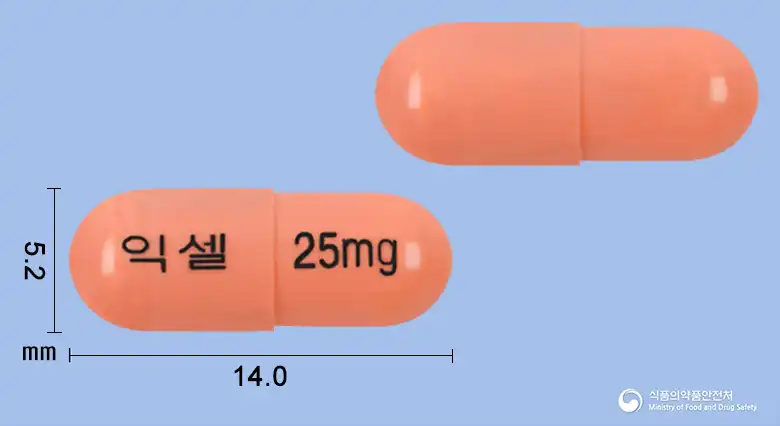
Milnacipran Hydrochloride 25mg
Hard capsule · Prescription medication
Bukwang Pharm Co., Ltd.
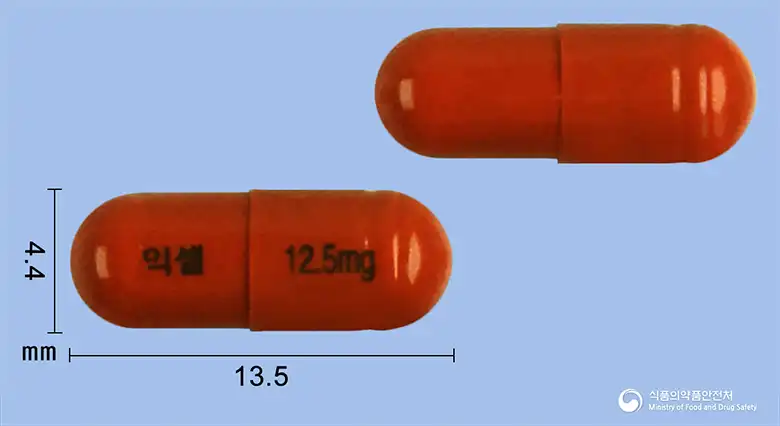
Milnacipran Hydrochloride 12.5mg
Hard capsule · Prescription medication
Bukwang Pharmaceutical Co., Ltd.
Even with the same ingredient, the dose and directions can differ by strength and dosage form. Talk to a doctor or pharmacist before switching from a medication you are already taking.
No questions yet.
For anything that needs medical judgment, consult a doctor or pharmacist.
This drug information is based on data provided by the Korea Ministry of Food and Drug Safety.
Consult a doctor or pharmacist for accurate dosage, administration, and usage instructions.