
 한국어
 English
 日本語
 中文(简体)
Summary
- Main use
- Relief of symptoms of allergic rhinoconjunctivitis and urticaria
- Who takes it
- Adults · Children
- Adult dose
- Adults: Administer 10 mg of mizolastine orally once daily.
- Child dose
- Adolescents aged 12 years and older: Administer 10 mg of mizolastine orally once daily.
Ingredients
- Manufacturer
- Bu-Kwang Pharmaceutical Co., Ltd.
Efficacy & effects
Relief of symptoms of allergic rhinoconjunctivitis and urticaria
- Seasonal allergic conjunctivitis
- perennial allergic conjunctivitis
- urticaria symptoms
View approved original textHide original text
This medication is used for the relief of seasonal allergic conjunctivitis, perennial allergic conjunctivitis, and urticaria symptoms.
How to take
Adult dose
Adults: Administer 10 mg of mizolastine orally once daily.
Child dose
Adolescents aged 12 years and older: Administer 10 mg of mizolastine orally once daily.
Precautions
This medication should not be administered to certain patients. Patients who have had an allergic reaction to this medication or its components, patients taking macrolide antibiotics or systemic imidazole antifungals, patients with severely impaired liver function, patients with a history of heart disease or arrhythmias, patients with a slow heart rate, and patients with prolonged QT intervals or electrolyte imbalances can be at risk if they take this medication. Additionally, patients taking other antiarrhythmic medications that may prolong the QT interval and women who are pregnant or may become pregnant should not take this medication. Elderly patients should be especially cautious when using this medication, as they may be more sensitive to the sedative effects or cardiac impacts of the drug. This medication can cause neurological symptoms such as drowsiness, headache, dizziness, anxiety, and depression, as well as gastrointestinal symptoms such as dry mouth, nausea, diarrhea, and abdominal pain. Liver enzyme levels may increase, and cardiovascular abnormalities such as hypotension, rapid heartbeat, and rarely vasovagal syncope may occur. Very rarely, a decrease in neutrophil count or allergic reactions, skin rashes, and itching may occur. Muscle pain or joint pain may develop, and respiratory symptoms such as bronchospasm or exacerbation of asthma have been reported. Patients with diabetes or those prone to electrolyte imbalances should regularly monitor their blood sugar and electrolyte levels. This medication may prolong the QT interval, which can vary by individual, making it important to assess one's response before driving or performing tasks that require concentration. This medication can raise serum concentrations if taken with certain antifungals or antibiotics, so it is essential to inform your healthcare provider if you are taking such medications. Women who are pregnant or breastfeeding should avoid this medication, especially during early pregnancy. In case of overdose, it is important to remove the medication quickly as it may remain in the body, and heart condition and overall health should be closely monitored for at least 24 hours. This medication should be stored in a safe place out of reach of children, and transferring it to another container is not advisable for maintaining quality and safety.
Side effects
drowsiness
Not everyone experiences these, and they can vary from person to person.
Storage
This medication may be sensitive to air or moisture, so it should be stored in a tightly sealed container. The storage temperature should be maintained between 1 degree and 30 degrees Celsius.
Appearance and packaging
Appearance
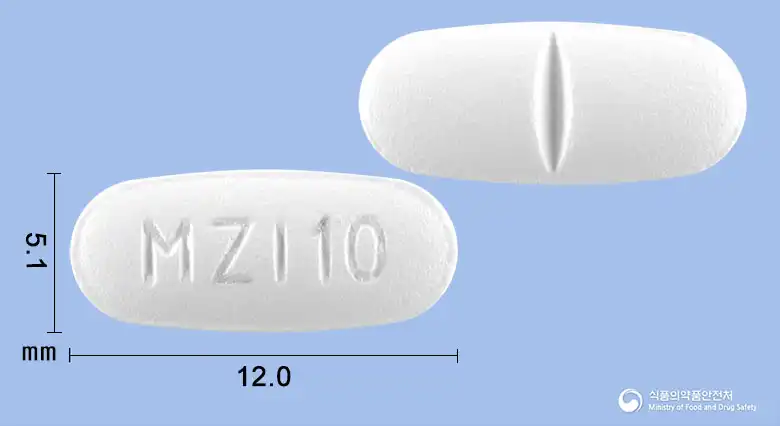
White film-coated oblong tablet
Package unit
30/bottle, 300 tablets/bottle
Questions about this medicine
No questions yet.
For anything that needs medical judgment, consult a doctor or pharmacist.