
 한국어
한국어 English
 日本語
日本語 中文(简体)
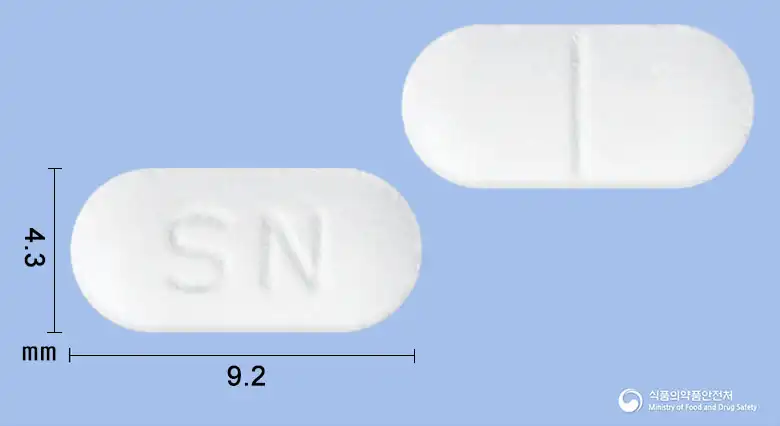 Viewing now
Cetirizine Tablet (Cetirizine Hydrochloride)
Cetirizine Hydrochloride 10mg
Tablet · OTC medication
Samnam Pharmaceutical Co., Ltd.
MFDS item code 200001713 · Notified 2000.11.23 · Insurance code 653700670
Relief of allergic symptoms such as allergic rhinitis and conjunctivitis (seasonal, perennial), and chronic urticaria.
This medication is used for seasonal and perennial allergic rhinitis, allergic conjunctivitis, chronic idiopathic urticaria, and skin pruritus. It can also enhance effectiveness when used in combination with a hydrocortisone topical preparation for eczema and dermatitis treatment.
Adults and children over 6 years should take 10 mg of cetirizine hydrochloride orally once daily before bedtime. For patients sensitive to adverse reactions, it may be divided into 5 mg doses in the morning and evening. Adjust dosage appropriately based on age and symptoms. For patients with renal impairment, the dosing interval should be adjusted according to kidney function, and the dosage and frequency should be tailored according to creatinine clearance.
For children over 6 years old, the dosage is the same as for adults: 10 mg orally once daily before bedtime. Children with kidney impairments should adjust the dosage based on their creatinine clearance and body weight.
This medication should not be taken by individuals who have had allergic reactions to certain components or have a history of allergies to similar medications. Patients with severely diminished kidney function or children under 6 years of age should not use this medication. This medication contains lactose, so patients with a hereditary condition that disrupts lactose digestion should not take it. While taking this medication, avoid concurrent use with certain drugs, such as theophylline or ritonavir. Furthermore, it is important to avoid excessive alcohol intake while using this medication. Patients with kidney or liver problems or the elderly should consult a doctor or pharmacist before use, as dosage adjustments may be necessary. Patients with epilepsy or at risk of seizures should also exercise caution. Patients with conditions that result in difficulty urinating should be careful when taking this medication. Women who are pregnant or breastfeeding should consult a professional before taking this medication, as it may affect the baby, and caution is advised. Excessive dosages can lead to symptoms such as confusion, drowsiness, headache, dizziness, rapid heartbeat, and difficulty urinating, so if these symptoms occur, contact a doctor immediately. During treatment, central nervous system anomalies such as drowsiness and decreased concentration may occur, so be cautious when driving or operating machinery. Additionally, it is advisable to discontinue use of this medication before allergy testing, and taking it with food does not significantly affect absorption. Finally, keep this medication out of the reach of children and store it sealed in its original container.
Urticaria, severe swelling (edema), angioedema, hypersensitivity shock, severe rash accompanied by high fever, blisters, skin peeling, oral/ocular mucosal pain, difficulty breathing, asthma attack, respiratory problems accompanied by coughing and fever, yellowing of skin or eyes (jaundice), extreme lethargy, sudden and severe headache, lightning headache, seizures, altered consciousness, visual disturbances, paralysis, significantly reduced urinary output, severe systemic symptoms.
Not everyone experiences these, and they can vary from person to person.
Do not take this medication with theophylline or ritonavir.
Do not take this medication with excessive alcohol.
This medication should be stored in a tight container to protect it from air and moisture. It is crucial to maintain a storage temperature between 1 and 30 degrees Celsius.
White, rectangular, film-coated tablet
30 tablets/bottle, 300 tablets/bottle
Even with the same ingredient, strength, dosage form and how it is taken can differ.
Viewing nowCetirizine Hydrochloride 10mg
Tablet · OTC medication
Samnam Pharmaceutical Co., Ltd.
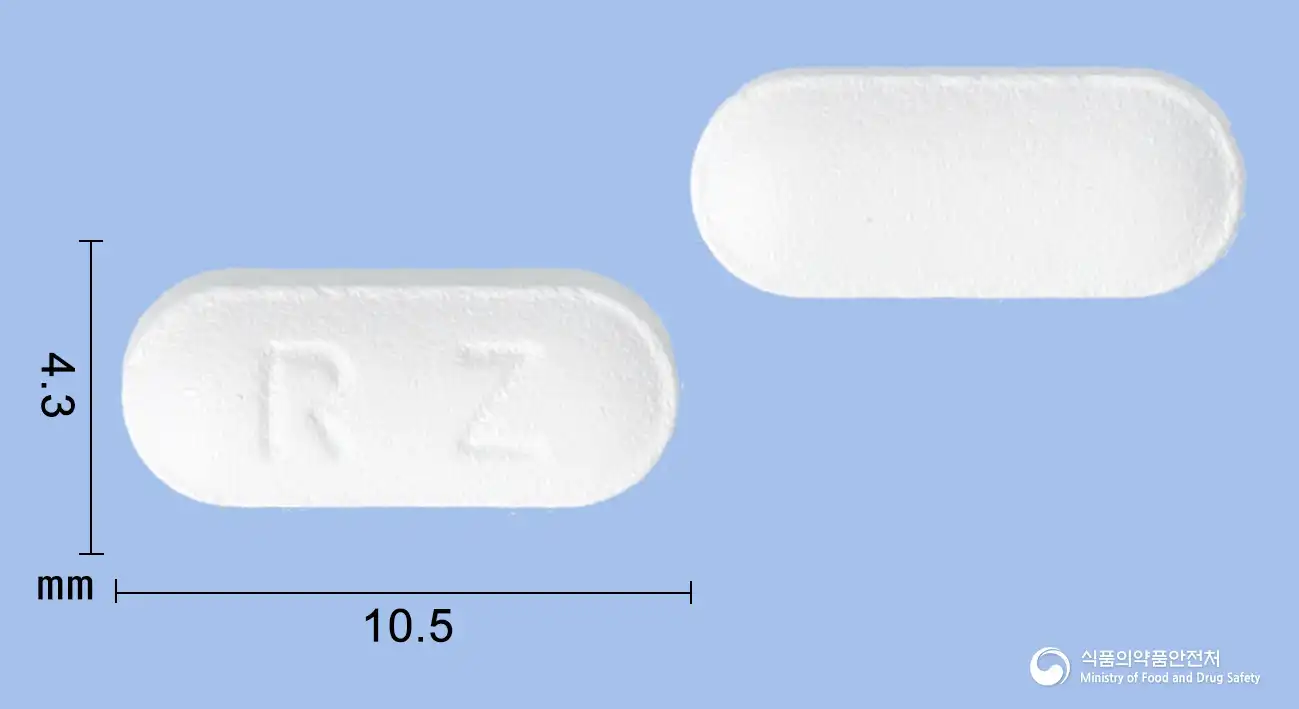
Cetirizine Hydrochloride 10mg
Tablet · OTC medication
Ilyun Pharmaceutical Co., Ltd.
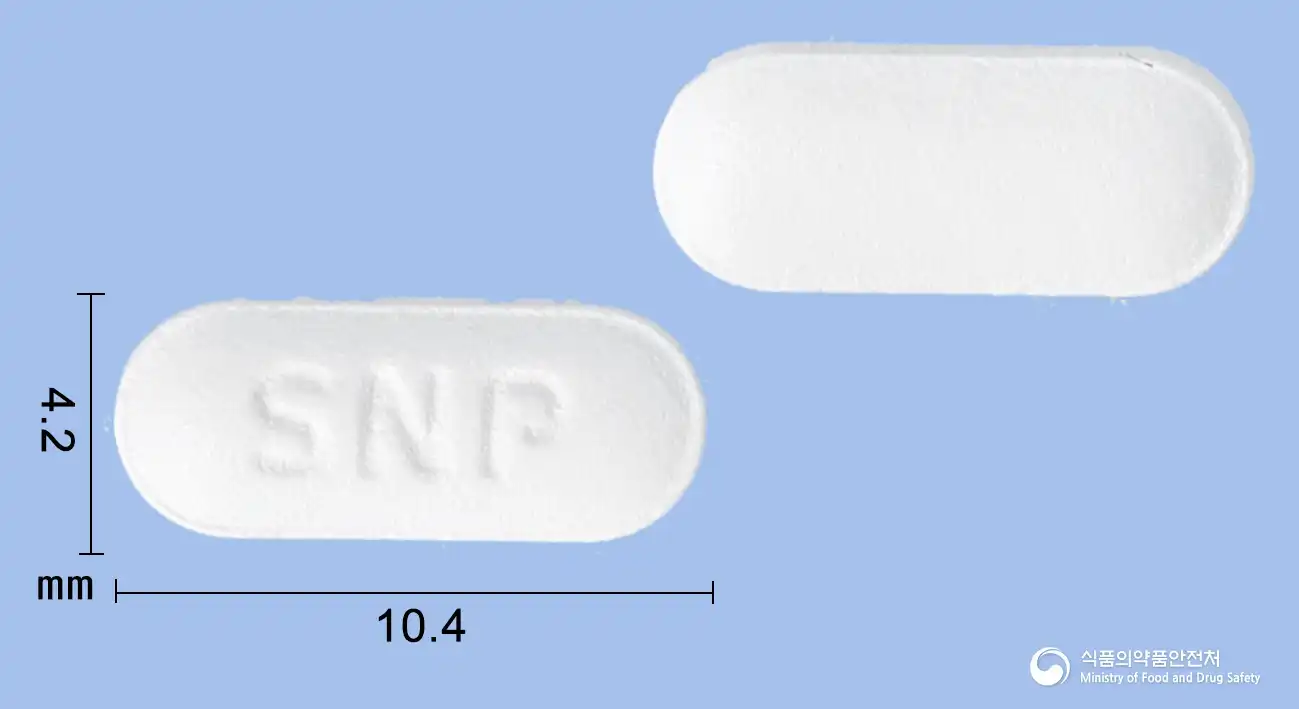
Cetirizine Hydrochloride 10mg
Tablet · OTC medication
Aprogen Biologics, Inc.
Cetirizine Hydrochloride 10mg
Tablet · OTC medication
Vivozon Pharmaceutical Co., Ltd.
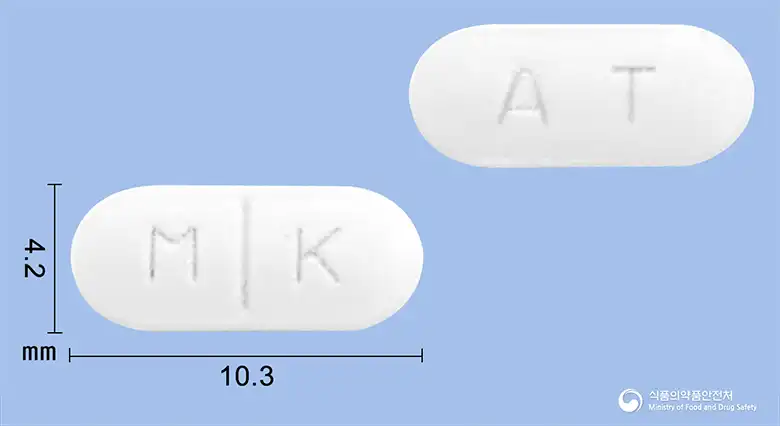
Cetirizine Hydrochloride 10mg
Tablet · OTC medication
Medica Korea Co., Ltd.
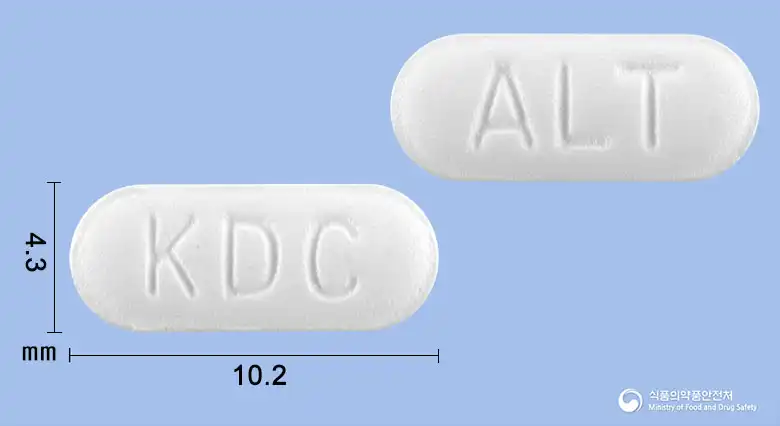
Cetirizine Hydrochloride 10mg
Tablet · OTC medication
Koryo Pharmaceutical Co., Ltd.
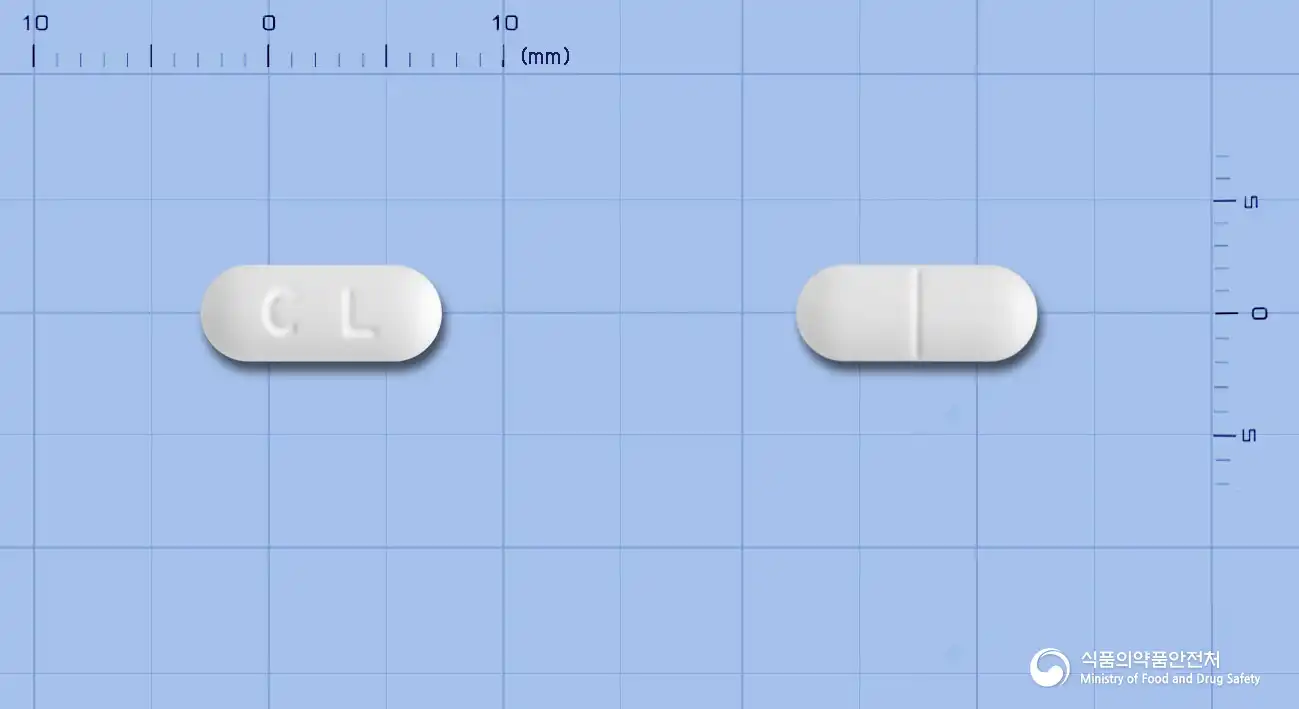
Cetirizine Hydrochloride 10mg
Tablet · OTC medication
Kyungdong Pharmaceutical Co., Ltd.
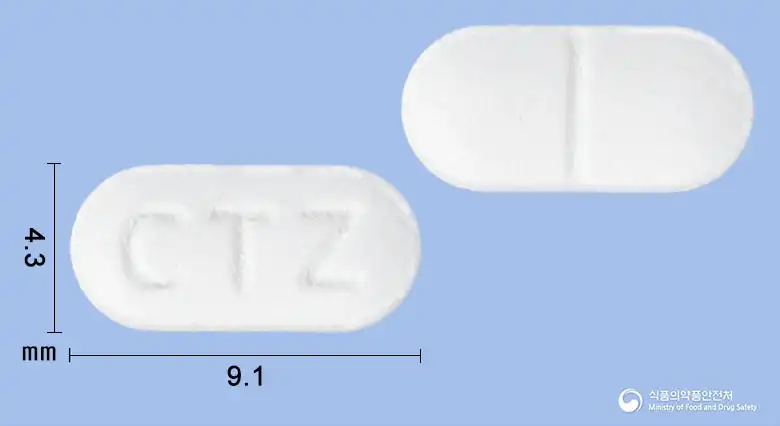
Cetirizine Hydrochloride 10mg
Tablet · OTC medication
Shinil Pharmaceutical Co., Ltd.
Even with the same ingredient, the dose and directions can differ by strength and dosage form. Talk to a doctor or pharmacist before switching from a medication you are already taking.
No questions yet.
For anything that needs medical judgment, consult a doctor or pharmacist.
This drug information is based on data provided by the Korea Ministry of Food and Drug Safety.
Consult a doctor or pharmacist for accurate dosage, administration, and usage instructions.