
 한국어
한국어 English
 日本語
日本語 中文(简体)
 Viewing now
Samnam Loperamide Capsule (Loperamide Hydrochloride)
Loperamide Hydrochloride 2mg
Hard capsule · OTC medication
Samnam Pharmaceutical Co., Ltd.
MFDS item code 200001712 · Notified 2000.10.18 · Insurance code 653700440
Relief of acute and chronic diarrhea
This medication is used for acute diarrhea and chronic diarrhea.
Acute diarrhea: The initial dose is 4 mg of loperamide hydrochloride taken orally, and 2 mg should be administered each time there is watery stool. The usual daily dosage is 6-8 mg, and the maximum daily dosage is 16 mg. Chronic diarrhea: The initial dose is 4 mg of loperamide hydrochloride taken orally, and 2 mg should be administered each time there is watery stool until diarrhea is treated. The dose should be individually reduced according to individual needs, and the optimal daily dose should be determined.
(Capsule) Acute diarrhea (9-12 years): The initial dose is 2 mg of loperamide hydrochloride taken orally, and 2 mg should be administered each time there is watery stool. The maximum daily dose is 6 mg. (Syrup) Acute diarrhea
This medication should not be used in infants under 24 months or children with chronic diarrhea. It should also not be administered to patients with bacterial diarrhea accompanied by bloody stools or high fever, patients with acute ulcerative colitis, and patients with serious gastrointestinal diseases such as intestinal obstruction or megacolon. If abdominal distension or constipation symptoms occur, this medication should be stopped immediately. Patients who are allergic to this medication should not use it, and caution is required for patients with hemorrhagic colitis as symptoms may worsen. Patients with lactose intolerance or certain genetic metabolic disorders should not take this medication. Patients with poor liver function should use this medication cautiously and be closely monitored for central nervous system side effects. Fatigue, dizziness, and drowsiness may occur during diarrhea treatment, so caution is needed when driving or operating machinery. For patients with AIDS, treatment should be stopped immediately if abdominal distension occurs, and patients with renal disease do not need dose adjustments. This medication may increase blood concentration when taken with other specific medications, so caution is needed when combined. In early pregnancy, it is essential to consult a doctor before using this medication, and during breastfeeding, this medication is not recommended as its ingredients may be secreted in small amounts into breast milk. In children, it should be administered only under the guidance of a healthcare professional, and especially for children under 7 years old, tablet or capsule forms are not preferable. Older adults may have decreased bodily functions, so the dosage should be adjusted and used cautiously. In the case of overdose, serious side effects such as central nervous system depression, respiratory depression, and cardiac arrhythmia may occur, so the prescribed dosage should not be exceeded. In the case of overdose, specific medications may be administered as an antidote, and at least 48 hours of observation is required. This medication does not treat the cause of diarrhea but alleviates symptoms; therefore, if symptoms do not improve within a certain period, consultation with a professional is necessary. Diarrhea patients may experience severe fluid and electrolyte loss, so proper fluid replenishment is important.
Hives, severe swelling (angioedema), difficulty breathing (including anaphylaxis), rash, toxic epidermal necrolysis, erythema multiforme, Stevens-Johnson syndrome, abdominal distension, intestinal obstruction, toxic megacolon, swelling associated with elevated blood pressure, urinary retention, central nervous system confusion, seizures, altered consciousness, visual disturbances, paralysis, ventricular arrhythmia, cases of death
Not everyone experiences these, and they can vary from person to person.
This medicine should be discussed with a doctor or pharmacist when taken with Quinidine or Ritonavir.
This medication may be sensitive to air and moisture, so it should be stored in a tightly sealed container. The storage temperature should be at room temperature between 1 degree and 30 degrees. This helps to maintain the efficacy of the medication.
Hard capsules containing a white powder, with upper and lower parts in white
500 capsules/bottle
Even with the same ingredient, strength, dosage form and how it is taken can differ.
Viewing nowLoperamide Hydrochloride 2mg
Hard capsule · OTC medication
Samnam Pharmaceutical Co., Ltd.
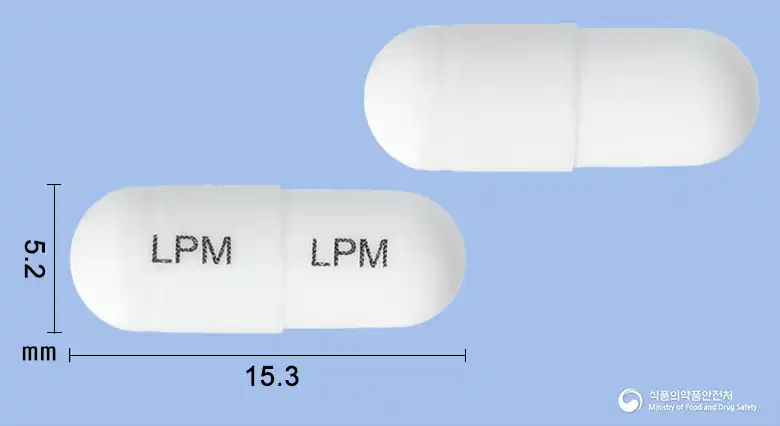
Loperamide Hydrochloride 2mg
Hard capsule · OTC medication
Youngil Pharmaceutical Co., Ltd.

Loperamide Hydrochloride 2mg
Hard capsule · OTC medication
Taeguk Pharmaceutical Co., Ltd.

Loperamide Hydrochloride 2mg
Hard capsule · OTC medication
GL Pharma Co., Ltd.

Loperamide Hydrochloride 2mg
Hard capsule · OTC medication
Future Bio Pharmaceutical Co., Ltd.
Loperamide Hydrochloride 2mg
OTC medication
KIMS Pharmaceutical Co., Ltd.

Loperamide Hydrochloride 2mg
Hard capsule · OTC medication
Aprogen Pharmaceuticals, Co., Ltd.

Loperamide Hydrochloride 2mg
Hard capsule · OTC medication
CMG Pharmaceutical Co., Ltd.
Even with the same ingredient, the dose and directions can differ by strength and dosage form. Talk to a doctor or pharmacist before switching from a medication you are already taking.
No questions yet.
For anything that needs medical judgment, consult a doctor or pharmacist.
This drug information is based on data provided by the Korea Ministry of Food and Drug Safety.
Consult a doctor or pharmacist for accurate dosage, administration, and usage instructions.