
 한국어
 English
 日本語
 中文(简体)
 Viewing now
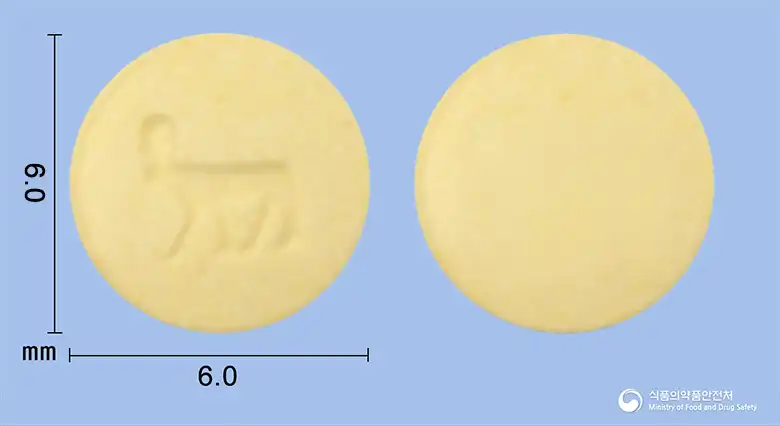
NovoNorm Tablet 1.0 mg (Repaglinide)
Repaglinide 1mg
Tablet · Prescription medication
Novo Nordisk Pharmaceuticals Co., Ltd.
MFDS item code 199907081 · Approved 1999.04.21 · Insurance code 654400040
Improvement of glycemic control in type 2 diabetes mellitus
This medication is used as an adjunct to diet and exercise to help control blood sugar in patients with type 2 diabetes. It can be administered as monotherapy and, if necessary, may be combined with metformin, sulfonylureas, or thiazolidinediones to enhance blood sugar control. Combination therapy is indicated when monotherapy does not adequately control blood sugar. This medication effectively improves blood sugar management through personalized treatment for each patient.
This medicine should be administered orally before each meal. The insulin secretory response to food occurs within 30 minutes after taking this medicine, so it is generally recommended to take it within 15 minutes before a meal; the timing may be adjusted from 30 minutes before a meal to immediately before eating. The dose should be determined by the physician according to each patient’s requirements based on changes in blood glucose. 1. Monotherapy The recommended initial dose is 0.5 mg of repaglinide per dose. The dose is determined by titration at 1- or 2-week intervals. Patients taking another oral hypoglycemic agent may also switch directly to this medicine; in this case, the recommended initial dose is 1 mg per dose. The recommended maximum dose is 4 mg per administration, given before meals 2, 3, or 4 times daily according to the patient’s meal pattern. The total daily dose must not exceed 16 mg. Particular care should be taken when administering and titrating the dose in debilitated or malnourished patients. Although this medicine is excreted mainly via the bile, caution should also be exercised in patients with renal impairment. 2. Combination therapy If blood glucose is not adequately controlled with monotherapy, this medicine may be administered in combination with metformin or a thiazolidinedione. The initial dose and dose adjustment are the same as for monotherapy. The dose of each agent should be adjusted very carefully to the minimum amount required to achieve the desired pharmacologic effect. If this adjustment is not performed properly, the incidence of hypoglycemic symptoms may increase. Appropriate monitoring of fasting blood glucose (FBG) and glycated hemoglobin (HbA1c) is necessary to prevent overdose or an increased likelihood of failure of the second agent.
This medication works by lowering blood sugar and helps regulate it by stimulating insulin secretion. However, like other insulin secretagogues, it can cause hypoglycemia, so care should be taken to prevent blood sugar from dropping too low. Particularly when taken with metformin, the risk of hypoglycemia may be increased, thus caution is required when used together. If blood sugar control is difficult, insulin therapy may need to be initiated. Stress from fever, injury, infection, or surgery can increase the likelihood of hypoglycemia. This medication should not be used in specific patients, including those allergic to the drug or its components, patients with type 1 diabetes, patients with ketoacidosis, pregnant or breastfeeding women, children under 18 years, patients with severe liver dysfunction, or when used with certain other medications. Patients with significant liver or kidney impairment, heart disease, poor nutritional status, excessive alcohol consumption, and the elderly should use this medication cautiously. When taking this medication, be vigilant for symptoms of hypoglycemia, as well as possible visual disturbances, gastrointestinal disorders, elevated liver enzymes, skin allergic reactions, and respiratory infections. Additionally, this medication may interact with other drugs, so it is essential to consult healthcare providers if taking other medications. It is safer to avoid using this medication during pregnancy or lactation, and special caution is necessary for children and the elderly. In the case of overdose, symptoms of hypoglycemia may occur, so if symptoms arise, carbohydrates should be consumed immediately, or treatment at a hospital may be necessary. This medication should be kept out of reach of children and stored sealed in its original container.
Not everyone experiences these, and they can vary from person to person.
This medication must be stored in a sealed container to protect it from air and moisture. Additionally, it should be stored in a dry place at a temperature between 15 and 25 degrees Celsius to maintain its effectiveness.
Convex yellow round tablets
90 tablets/box [15 tablets/PTPX6]
Even with the same ingredient, strength, dosage form and how it is taken can differ.
Viewing nowRepaglinide 1mg
Tablet · Prescription medication
Novo Nordisk Pharmaceuticals Co., Ltd.
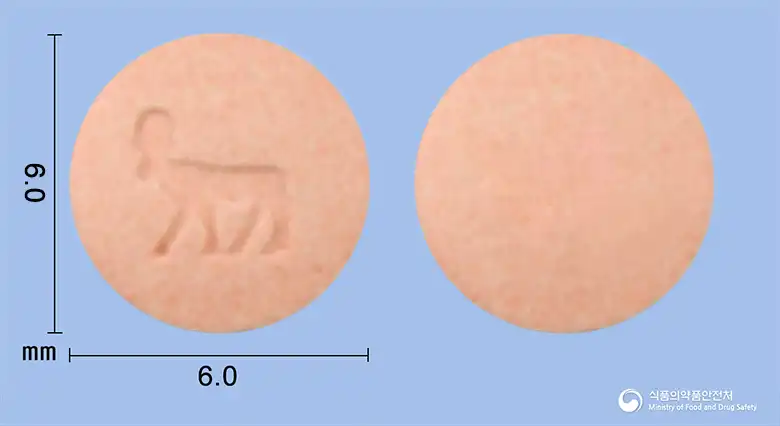
Repaglinide 2mg
Tablet · Prescription medication
Novo Nordisk Pharmaceuticals Co., Ltd.
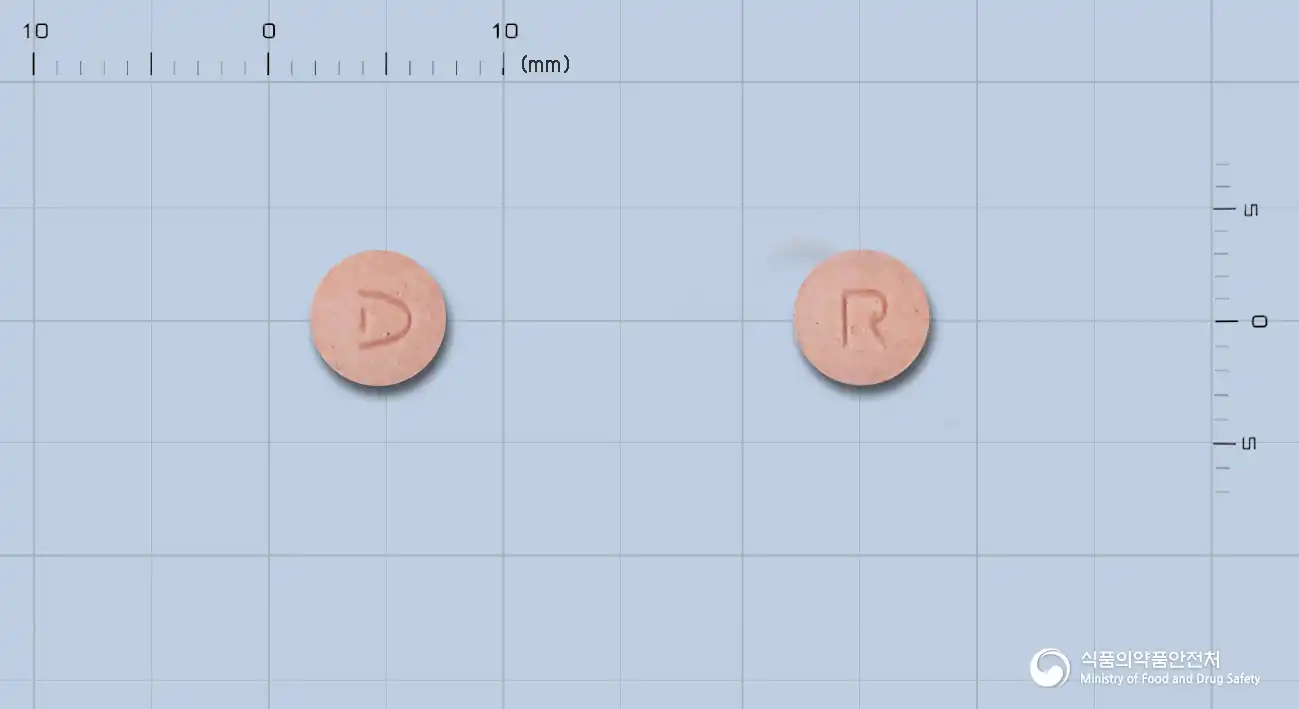
Repaglinide 2mg
Tablet · Prescription medication
Dae Rim Biotech Co., Ltd.
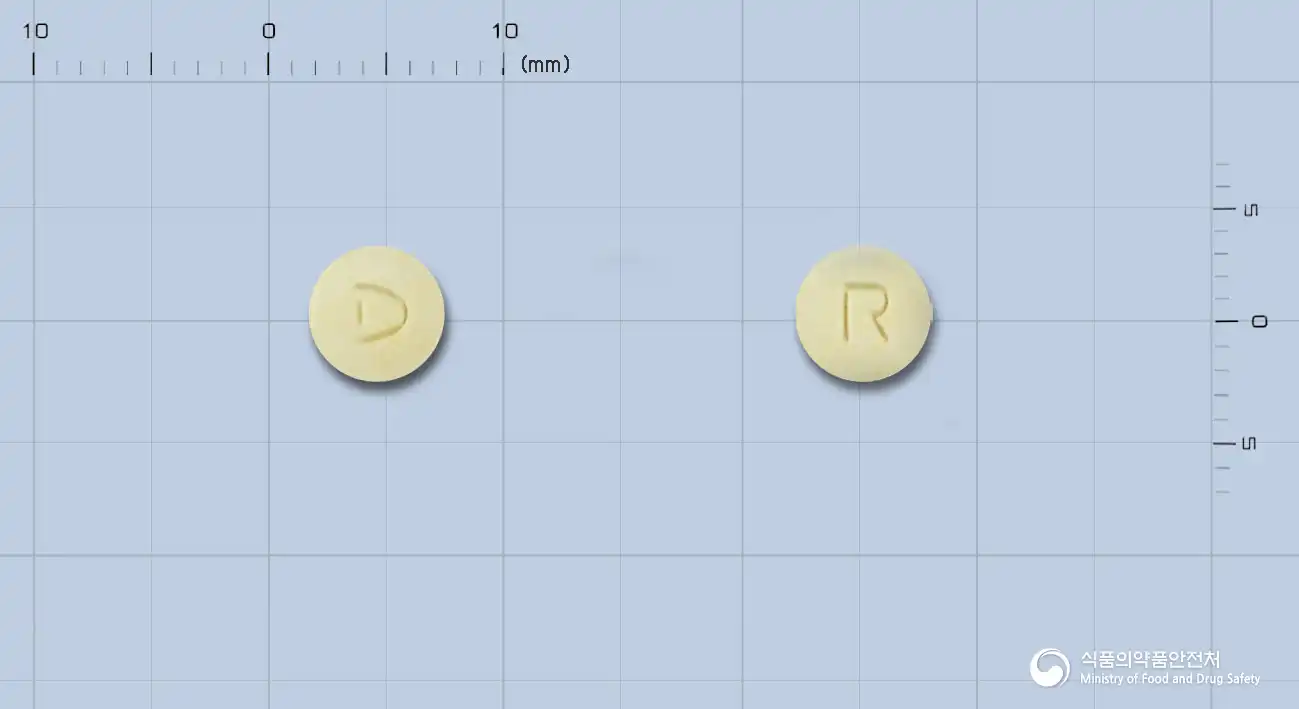
Repaglinide 1mg
Tablet · Prescription medication
Darim Biotech Co., Ltd.
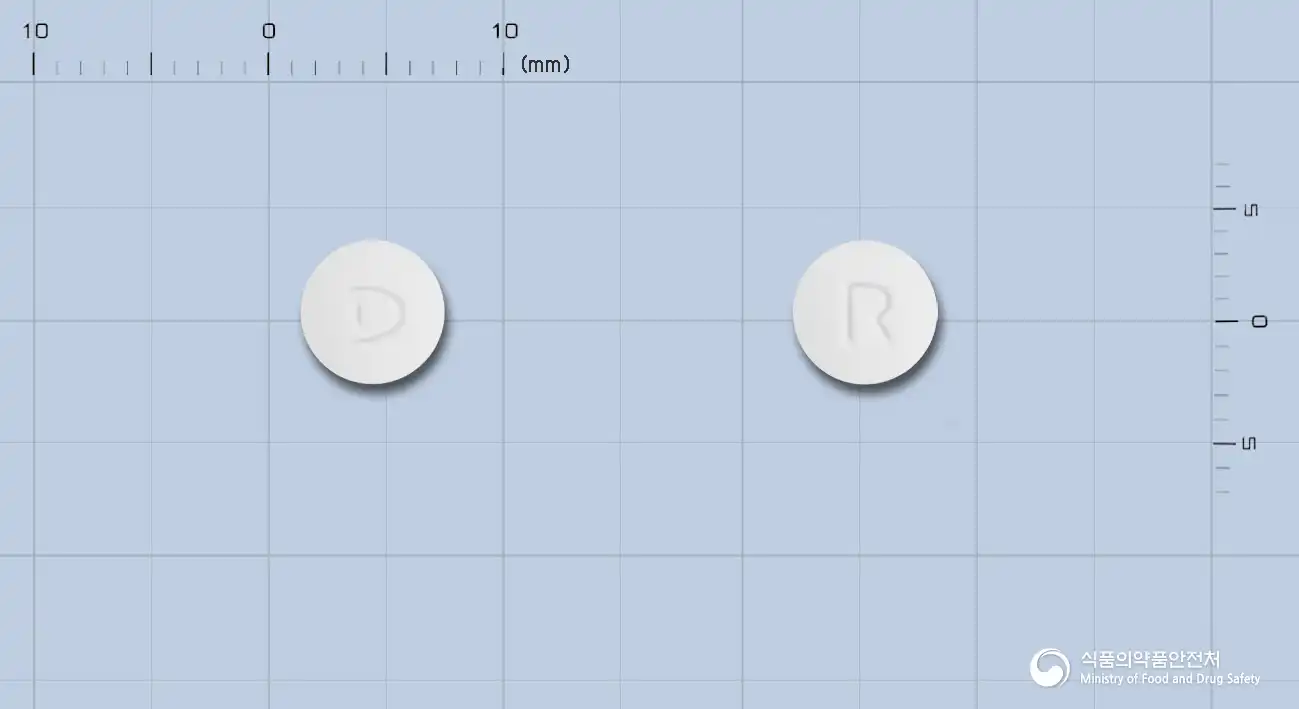
Repaglinide 0.5mg
Tablet · Prescription medication
Darim Biotech Co., Ltd.
Even with the same ingredient, the dose and directions can differ by strength and dosage form. Talk to a doctor or pharmacist before switching from a medication you are already taking.
No questions yet.
For anything that needs medical judgment, consult a doctor or pharmacist.
This drug information is based on data provided by the Korea Ministry of Food and Drug Safety.
Consult a doctor or pharmacist for accurate dosage, administration, and usage instructions.