
 한국어
 English
 日本語
 中文(简体)
 Viewing now
Naratriptan 2.5 mg Tablets (Naratriptan hydrochloride)
Naratriptan Hydrochloride 2.78mg
Tablet · Prescription medication
GlaxoSmithKline Co., Ltd.
MFDS item code 199906868 · Approved 1999.01.12 · Insurance code 650000090
Rapid relief of migraine with or without aura
This medicine is used for the rapid relief of symptoms of migraine, with or without aura.
This medication should not be used routinely for prevention. It is preferable to use it as monotherapy without concomitant use of other migraine medications. Adults (18 ∼ 65 years): The recommended dose of naratriptan is 2.5 mg as a single dose. The total dose should not exceed 5.0 mg in 24 hours. If migraine recurs after a single 2.5 mg dose of this medication, another 2.5 mg dose may be taken after an interval of at least 4 hours. Patients who do not respond to this medication should not take another dose for the same attack unless there is a therapeutic benefit, but may take it for subsequent attacks. Elderly patients (66 years and older): The safety and efficacy of this medication have not been established in patients aged 66 years and older; therefore, its use is not recommended. Pharmacokinetic data indicate that clearance decreases with age. Patients with renal impairment: Use with caution in patients with renal impairment. The maximum dose in 24 hours should not exceed 2.5 mg. Do not administer to patients with severe renal impairment (creatinine clearance < 10 mL/min). Patients with hepatic impairment: Use with caution in patients with hepatic impairment. The maximum dose in 24 hours should not exceed 2.5 mg. Do not administer to patients with severe hepatic impairment (Child-Pugh grade C).
Adolescents (12 ∼ 17 years): Single doses of 0.25 mg, 1.0 mg, and 2.5 mg of this medication have not been shown to be more effective than placebo. Therefore, administration of this medication is not recommended in patients under 18 years of age. Children (under 12 years): There are insufficient clinical data on the use of this medication in children under 12 years of age; therefore, its administration is not recommended.
This drug is used in the treatment of migraines and should not be used in certain patients. It may be dangerous for patients who have had hypersensitivity reactions to this drug or who have ischemic heart disease, myocardial infarction, or vascular spasm symptoms. Patients with a history of cerebrovascular accidents or transient ischemic attacks, uncontrolled hypertension, or serious renal or liver dysfunction should also not use this drug. This drug contains lactose, so patients with genetic issues such as lactose intolerance should avoid taking it. Patients with an allergy to sulfonamide components should use this drug with caution. Side effects such as headache, dizziness, drowsiness, and fatigue may occur, so caution should be exercised during activities requiring alertness, such as driving or operating machinery. Patients at risk for cardiovascular diseases should have a thorough examination of their heart condition before taking this drug, and caution should be observed as acute migraine drug overuse can lead to worsening headaches. This medication can result in serious side effects such as serotonin syndrome when taken in conjunction with other specific medications, so it is essential to consult with a doctor or pharmacist regarding concomitant medications. Women who are pregnant or may become pregnant should use this drug cautiously, considering the risks to the fetus versus the benefits of treatment, and breastfeeding women should also be careful since this drug may be excreted in breast milk. In the event of an overdose, symptoms may worsen, and immediate medical assistance should be sought, with appropriate treatment given if needed. This drug should be taken in the prescribed dosage and swallowed whole with water, keeping it out of reach of children. Additionally, transferring the medication to another container can cause quality degradation or accidents, so it should be avoided.
Pain, visual impairment, nausea, vomiting, pressure sensation, bradycardia, tachycardia, palpitations, fatigue, lethargy, dizziness, drowsiness, pain, numbness, warmth, pressure sensation, constricting feeling, skin hypersensitivity, anaphylaxis, coronary artery spasm, transient ischemic changes in electrocardiogram, angina, myocardial infarction, peripheral vascular ischemia, ischemic colitis
Not everyone experiences these, and they can vary from person to person.
This medication should be stored in a tightly sealed container to prevent exposure to air or moisture, and it is best kept in a cool place at a temperature below 30 degrees Celsius. Storing it this way can help maintain the effectiveness of the medication for a longer period.
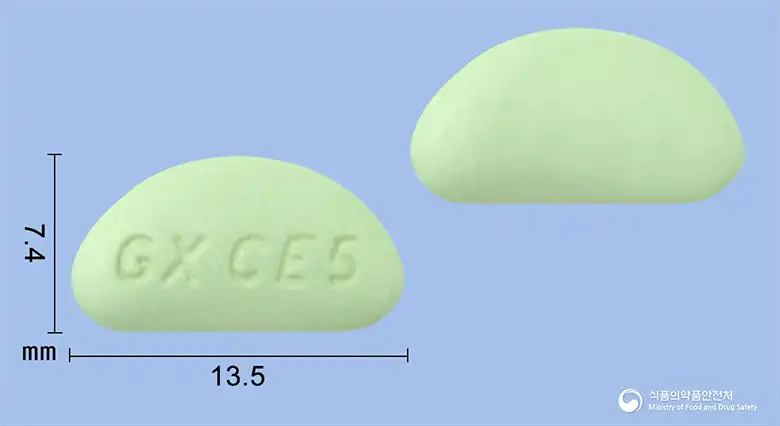
Green, bilayer convex D-shaped film-coated tablet
6 tablets/PTP
Even with the same ingredient, strength, dosage form and how it is taken can differ.
Viewing nowNaratriptan Hydrochloride 2.78mg
Tablet · Prescription medication
GlaxoSmithKline Co., Ltd.
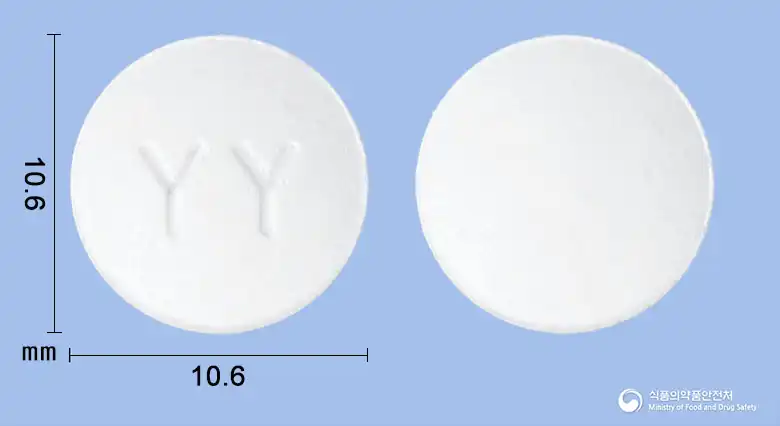
Naratriptan Hydrochloride 2.78mg
Orally disintegrating Tablet · Prescription medication
YuYu Pharmaceutical Co., Ltd.
Naratriptan Hydrochloride 2.78mg
Prescription medication
CMG Pharmaceutical Co., Ltd.
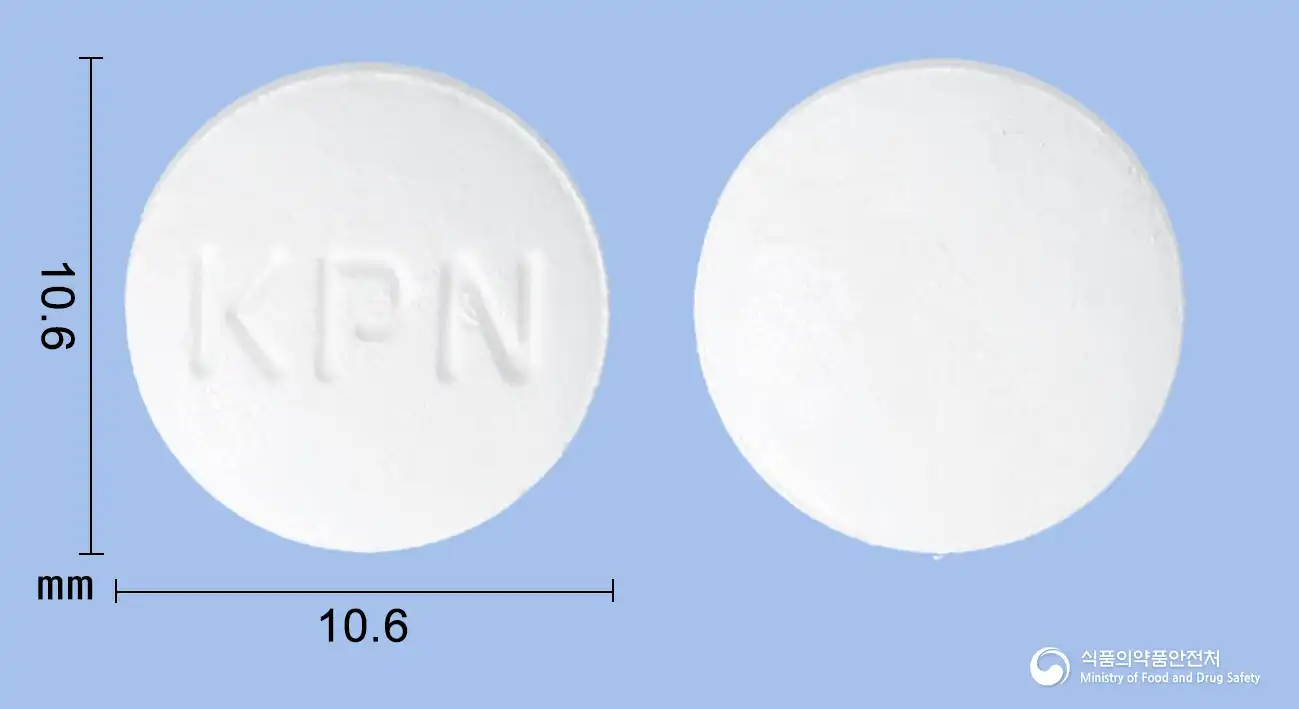
Naratriptan Hydrochloride 2.78mg
Orally disintegrating Tablet · Prescription medication
Korea Pharma Co., Ltd.
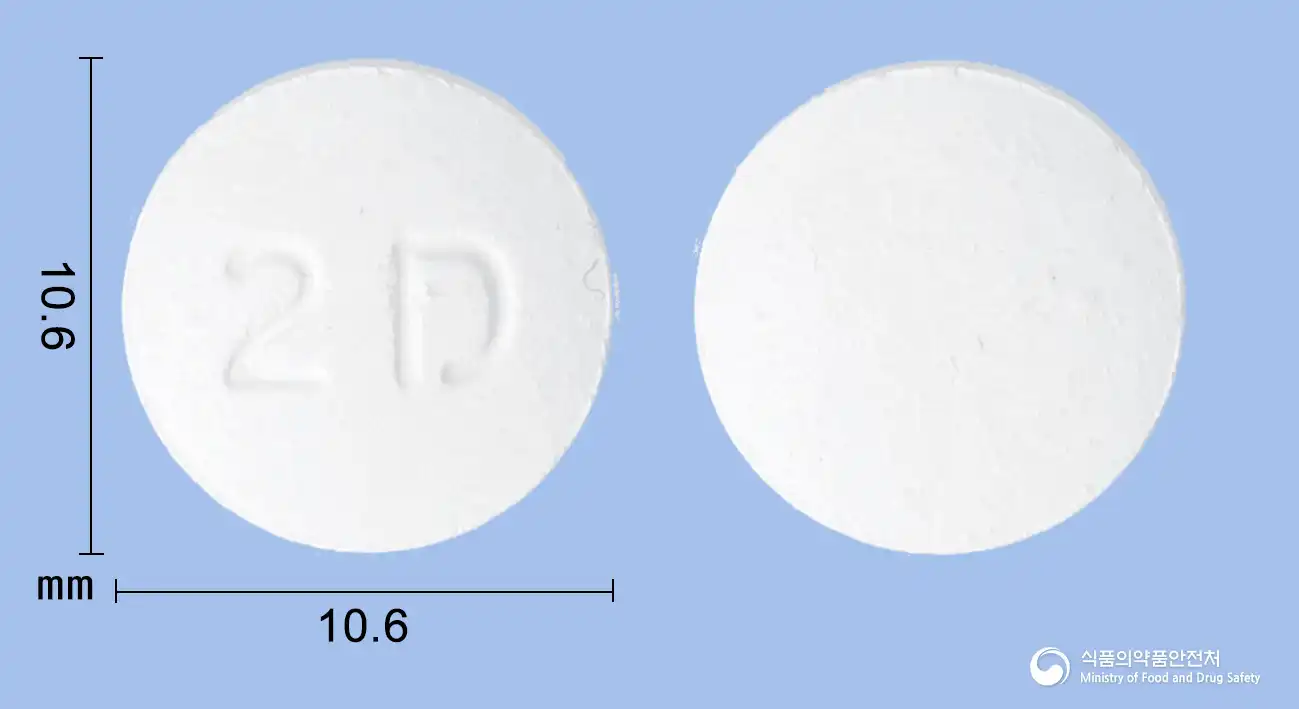
Naratriptan Hydrochloride 2.78mg
Tablet · Prescription medication
Eden Pharma Co., Ltd.
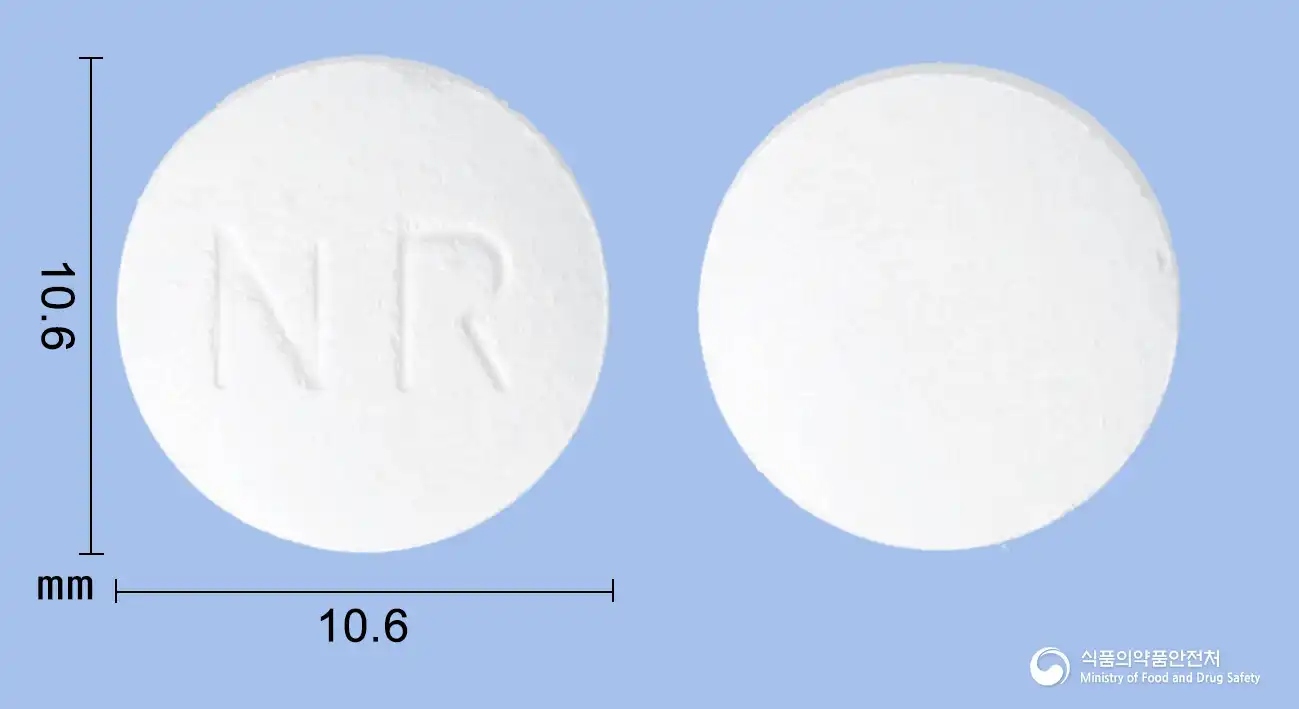
Naratriptan Hydrochloride 2.78mg
Orally disintegrating Tablet · Prescription medication
Daewoong Bio Co., Ltd.
Even with the same ingredient, the dose and directions can differ by strength and dosage form. Talk to a doctor or pharmacist before switching from a medication you are already taking.
No questions yet.
For anything that needs medical judgment, consult a doctor or pharmacist.
This drug information is based on data provided by the Korea Ministry of Food and Drug Safety.
Consult a doctor or pharmacist for accurate dosage, administration, and usage instructions.