
 한국어
한국어 English
 日本語
日本語 中文(简体)
Dosage form image
Viewing nowDifen gel (Diclofenac Sodium)
Diclofenac Sodium 10mg
OTC medication
Shinil Pharmaceutical Co., Ltd.
MFDS item code 199904095 · Notified 1999.06.01
Relief of pain and inflammation from traumatic inflammation and rheumatic diseases
This medication is effective for traumatic inflammation that occurs in tendons, ligaments, muscles, and joints, such as sprains or contusions. It is also used for localized conditions of soft tissue rheumatism, including tendinitis, shoulder-hand syndrome, bursitis, and periarticular synovitis. It helps alleviate symptoms in localized diseases such as osteoarthritis of peripheral joints and spine among rheumatic diseases. It is used to improve various musculoskeletal inflammations and pains.
Apply 2 - 4g to the affected area 3 - 4 times a day, depending on the area of pain, and gently rub it in until well absorbed.
This medication should not be used in certain patients. It should not be administered if there is an allergy or hypersensitivity to this drug or any of its ingredients. Patients with a history of allergy to aspirin or other non-steroidal anti-inflammatory drugs, or a history of asthma attacks should not use this medication. It should also not be given to children under the age of 6 and pregnant women in the third trimester. Patients with bronchial asthma or a history of allergy to propylene glycol in this medication should use it with caution. This medication may cause serious skin adverse reactions. For instance, peeling skin, severe rash, blisters, etc., may occur, mainly within the first month of use. If symptoms such as itching, redness, pain, swelling, or blisters develop, use should be stopped immediately and medical consultation sought. Using this medication over large areas for long durations may result in systemic reactions such as skin rashes, hypersensitivity to light, respiratory distress, worsening of asthma, and angioedema. This medication is a treatment to alleviate symptoms and is not a drug to treat the underlying causes. When used for inflammation associated with skin infections, it should be combined with antibiotics or antifungals, and the condition should be closely monitored. When used for chronic conditions, other treatment methods should be considered in addition to this medication, and the patient's condition and side effects must be carefully observed. This medication may affect kidney function, so blood pressure and renal function should be closely monitored when used with certain diuretics. There is an increased risk of serious gastrointestinal problems such as gastrointestinal bleeding, ulcers, and perforations, so particular caution is needed for monitoring bleeding risks, especially when used concurrently with anticoagulants like warfarin. The elderly are at higher risk for such gastrointestinal issues, and more caution is required. After using this medication for 2 weeks, the treatment effect and side effects should be re-evaluated. In the third trimester of pregnancy, this medication poses a serious risk to both the fetus and the mother and should not be used. During the first and second trimesters of pregnancy, it should only be used for the shortest duration possible at the minimum effective dose, as sufficient research on its use during pregnancy has not been conducted. This medication may interfere with ovulation; therefore, women planning to become pregnant or undergoing infertility assessments should consider stopping its use. Breastfeeding mothers should refrain from using this medication as it may be passed to breast milk. Children under 6 years of age should not be used as safety has not been established. Elderly patients are at greater risk of cardiovascular, gastrointestinal, and renal side effects; therefore, it should be administered with caution at the minimal effective dose, with particular attention to adverse reactions. In the case of overdose, symptoms such as hypotension, renal failure, seizures, gastrointestinal discomfort, and respiratory depression may appear, and symptomatic supportive treatment should be provided. This medication should not be applied to areas with skin wounds, eczema, infections, burns, or to the eyes and mucosal areas, and should not be used with occlusive bandages. Caution should be exercised during use as skin damage may cause temporary irritation or a tingling sensation.
Severe skin adverse reactions such as exfoliative dermatitis, Stevens-Johnson syndrome, toxic epidermal necrolysis. Severe allergic reactions (including asthma attacks to aspirin or other non-steroidal anti-inflammatory drugs). Respiratory distress, asthma, asthma attacks. Serious gastrointestinal adverse reactions (may be fatal). Hypotension, renal failure, seizures, respiratory depression. Severe swelling accompanied by increased blood pressure.
Itching, redness (hyperemia), burning, dermatitis (rash, eczema, papules, contact dermatitis), swelling, skin peeling, roughness, irritation, blister formation, rarely pigmentation, swelling, erosion, widespread skin rash, photosensitivity, vascular swelling, gastrointestinal bleeding, ulcers, perforations, hypotension, gastrointestinal discomfort
Not everyone experiences these, and they can vary from person to person.
This medication may affect renal function when taken with loop diuretics (such as furosemide) and thiazide diuretics. The risk of bleeding may increase when used with anticoagulants (such as warfarin) and antiplatelet drugs (such as aspirin). There may be potential interactions when taken with selective serotonin reuptake inhibitors and serotonin-norepinephrine reuptake inhibitors, so consultation with a doctor or pharmacist is recommended.
This medication should be stored in a tightly sealed container to protect it from air and moisture, and it is recommended to store it at room temperature between 1 degree and 30 degrees Celsius. Storing it this way helps maintain the effectiveness of the medication.
Colorless transparent gel
50 grams/bottle
Even with the same ingredient, strength, dosage form and how it is taken can differ.
Diclofenac Sodium 10mg
OTC medication
Shinil Pharmaceutical Co., Ltd.

Diclofenac Sodium 25mg
Tablet · Prescription medication
Dongkwang Pharmaceutical Co., Ltd.
Diclofenac Sodium 75mg
Prescription medication
Ajou Pharmaceuticals Co., Ltd.
Diclofenac Sodium 37.5mg
Prescription medication
Hwanin Pharmaceutical Co., Ltd.
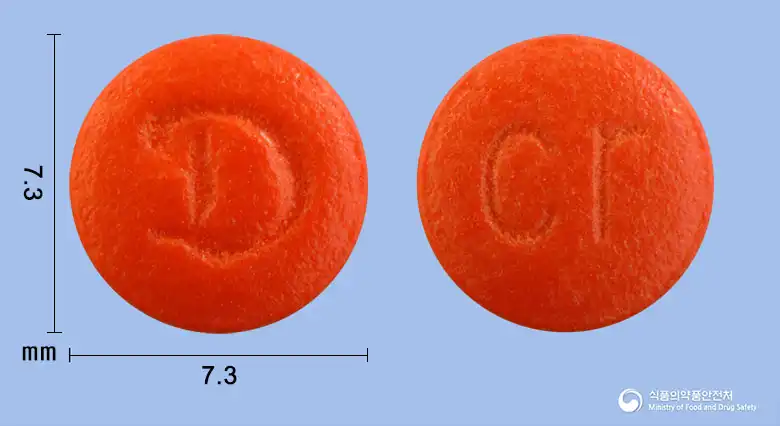
Diclofenac Sodium 25mg
Tablet · Prescription medication
GL Pharma Co., Ltd.
Diclofenac Sodium 75mg
Solution · Prescription medication
YuYoung Pharmaceutical Co., Ltd.
Diclofenac Sodium 37.5mg
Prescription medication
Daehwa Pharmaceutical Co., Ltd.
Diclofenac Sodium 37.5mg
Prescription medication
Dongkwang Pharmaceutical Co., Ltd.
Even with the same ingredient, the dose and directions can differ by strength and dosage form. Talk to a doctor or pharmacist before switching from a medication you are already taking.
No questions yet.
For anything that needs medical judgment, consult a doctor or pharmacist.
This drug information is based on data provided by the Korea Ministry of Food and Drug Safety.
Consult a doctor or pharmacist for accurate dosage, administration, and usage instructions.