한국어
 English
 日本語
 中文(简体)
 Viewing now
Pulcard Tablet (Flecainide Acetate)
Flecainide Acetate 50mg
Tablet · Prescription medication
Hana Pharmaceutical Co., Ltd.
MFDS item code 199902440 · Notified 1999.06.19 · Insurance code 657802200
Treatment of arrhythmias (such as ventricular tachycardia, supraventricular tachycardia, and atrial fibrillation) and maintenance of normal rhythm
This medication helps with ventricular arrhythmias and premature ventricular contractions, paroxysmal supraventricular tachycardia and WPW syndrome, and maintaining normal rhythm. It is also used in the treatment of paroxysmal atrial fibrillation. Overall, it is effective in normalizing heart rhythm and improving irregular heartbeats.
Adults: The initial dose is flecainide acetate 50-100mg orally twice daily. The maximum daily dose is 400mg; this dose is generally used in patients with a large body size or those requiring rapid treatment of arrhythmia. After 3-5 days of treatment, gradually reduce the dose for maintenance treatment of arrhythmia. The dose may be reduced for long-term treatment. Because the plasma clearance of this medicine is reduced in elderly patients, the usual dose is 100mg twice daily, which may be reduced to a maintenance dose after 1 week. In patients with severe renal impairment (creatinine clearance 35ml/min or less), it is preferable not to exceed a maximum daily dose of 100mg. When administering to these patients, monitor blood concentrations frequently. Adjust the dose as appropriate according to age and symptoms.
Children aged 12 years and older: The initial dose is flecainide acetate 50-100mg orally twice daily. The maximum daily dose is 400mg
This medication should not be used in patients with severely impaired cardiac function, such as those with heart failure. It is safe not to administer to patients with problems in the transmission of electrical signals in the heart or those with very slow heart rates. Using this medication may pose risks for patients with significant heart damage or abnormalities in heart rhythm. Women who are pregnant or may become pregnant should not take this medication. Additionally, this medication contains lactose, so patients with lactose intolerance or certain genetic metabolic disorders should not take it. Patients with existing heart disease or elderly patients should take special care when using this medication, and patients with liver or kidney function issues should also be cautious. During treatment with this medication, regular monitoring of heart rate and blood pressure is necessary, and changes in electrical signals in the heart should be carefully observed through electrocardiograms. If the heart rate becomes too slow or abnormalities in the electrical signals of the heart are discovered, stop using the medication immediately and consult a physician. It is advisable not to use this medication in conjunction with other antiarrhythmic agents, and caution should be exercised as side effects can occur when taken with certain medications. Pregnant or nursing women are advised to avoid this medication, and if it is necessary to use it, breastfeeding should be stopped. The safety of this medication has not been sufficiently established in children, so its use is not recommended. In cases of overdose, there is no specific antidote, thus it is crucial to visit a hospital quickly to receive appropriate treatment, and supportive treatment for heart function may be necessary. Long-term use of this medication may result in abnormalities in the eyes or lungs, so regular check-ups are necessary. Finally, this medication can increase mortality in patients with severe heart disease, therefore it must be taken according to a physician's instructions.
Not everyone experiences these, and they can vary from person to person.
This medication should be stored in a tightly sealed container to prevent air or moisture from entering, and it is best stored at a temperature between 1 and 30 degrees Celsius. By maintaining this storage condition, the effectiveness of the medication can be preserved for a longer time.
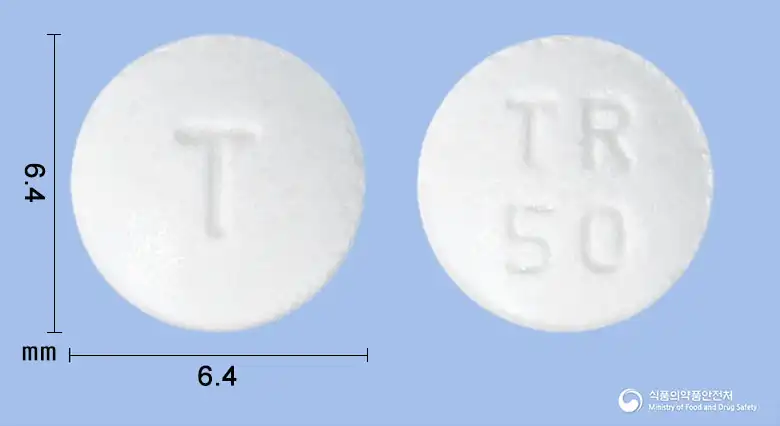
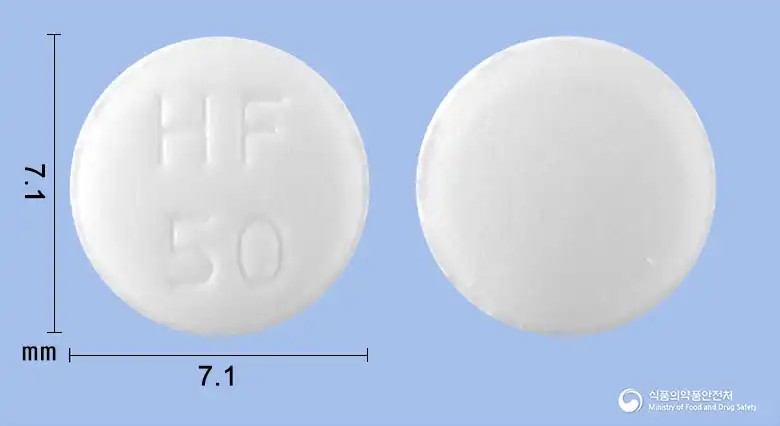
White round tablet
30 tablets/bottle, 100 tablets/bottle
Even with the same ingredient, strength, dosage form and how it is taken can differ.
Even with the same ingredient, the dose and directions can differ by strength and dosage form. Talk to a doctor or pharmacist before switching from a medication you are already taking.
No questions yet.
For anything that needs medical judgment, consult a doctor or pharmacist.
This drug information is based on data provided by the Korea Ministry of Food and Drug Safety.
Consult a doctor or pharmacist for accurate dosage, administration, and usage instructions.