
 한국어
한국어 English
 日本語
日本語 中文(简体)
Dosage form image
Viewing nowMucostent Injection 15% (Acetylcysteine)
Acetylcysteine 150mg
Prescription medication
Medica Korea Co., Ltd.
MFDS item code 199901244 · Notified 1999.11.24
Relief of difficulty in expectoration in bronchial diseases (acute and chronic bronchitis, bronchiectasis, etc.) and detoxification effect in cases of acetaminophen intoxication.
This medication helps with the expulsion of sputum in various bronchial diseases characterized by thick, viscous secretions. It is effective in adults for acute and chronic bronchitis, bronchiectasis, asthmatic bronchitis, pharyngitis, sinusitis, cystic fibrosis, and postoperative pulmonary complications. It is also used for the treatment of acute and chronic bronchitis in children. Additionally, it serves as an antidote in cases of acetaminophen overdose, aiding in patient recovery. This medication is useful for both respiratory diseases and specific detoxification treatments, showing good effects on symptom improvement.
1. Mucolytic action 1) Intravenous injection Administer 600 - 900 mg of acetylcysteine once, 2 - 3 times a day. Dilute the injection in normal saline or 5% dextrose injection and administer slowly over at least 5 minutes. 2) Intramuscular injection Administer 300 mg once, 1 - 2 times a day. 3) Detoxification of acetaminophen overdose For the first 15 minutes, administer 150 mg per kg of body weight in a 5% dextrose solution.
1. Mucolytic action 1) Intravenous injection Administer 300 - 450 mg of this medication once, 2 - 3 times a day. Dilute the injection in normal saline or 5% dextrose injection and administer over about 5 minutes.
This medication is provided in a glass ampoule form, and care should be taken when breaking the ampoule to avoid contamination with glass shards. Extra caution is especially necessary when used by children or the elderly. Patients with allergies to this drug or its components should not take it. Bronchial spasms may occur in patients with bronchial asthma or those with compromised respiratory function, so it should be administered cautiously, and if adverse symptoms appear, administration should be stopped immediately and appropriate treatment sought. It is also advisable not to administer this medication to neonates who are not severely ill. During use, gastrointestinal symptoms such as nausea, vomiting, anorexia, and diarrhea may occur. Rarely, hypersensitivity reactions such as hives, itching, rashes, headache, tinnitus, and bronchospasms may occur, and in severe cases, serious allergic reactions such as tachycardia, hypertension, and anaphylaxis may also arise. When used in large doses as a detoxification agent via intravenous injection, symptoms similar to those of hypersensitivity reactions or severe hypertension may develop, so monitoring is required, and if unusual symptoms occur, administration should be halted. While using this medication, the respiratory condition may worsen, so it is important to monitor breathing status closely, and if sputum is not being expelled well, appropriate measures such as mechanical suction or position changes should be executed. For intramuscular injection, it is advisable to inject deeply. When used for detoxification purposes, it should be administered within 10 hours of intoxication for effectiveness. This medication may cause physicochemical reactions when used with certain drugs, so caution is advised when mixing with or administering alongside other medications. Interactions may occur particularly with local anesthetics, bronchodilators, some antibiotics, sympathomimetics, and hormonal agents. The safety of this drug in pregnant women has not been sufficiently verified; thus, it should be administered only when absolutely necessary. The excretion of this drug into breast milk is unclear, but as most drugs can be transmitted through breast milk, it should be used with caution.
Not everyone experiences these, and they can vary from person to person.
This medication is sensitive to light and should be stored in containers that do not allow light to enter. Additionally, it is best to store the medication at room temperature between 1 to 30 degrees Celsius. This storage will help maintain the medication's effectiveness for a longer period.
Brown ampoules containing a colorless transparent liquid
50 ampoules (2 mL/ampoule x 50)
Even with the same ingredient, strength, dosage form and how it is taken can differ.
Acetylcysteine 150mg
Prescription medication
Medica Korea Co., Ltd.
Acetylcysteine 200mg
Solution · OTC medication
(Co., Ltd.) Celltrion Pharm
Acetylcysteine 20g
OTC medication
Boryeong Co., Ltd.
Acetylcysteine 200mg
OTC medication
Hanwha Pharmaceutical Co., Ltd.
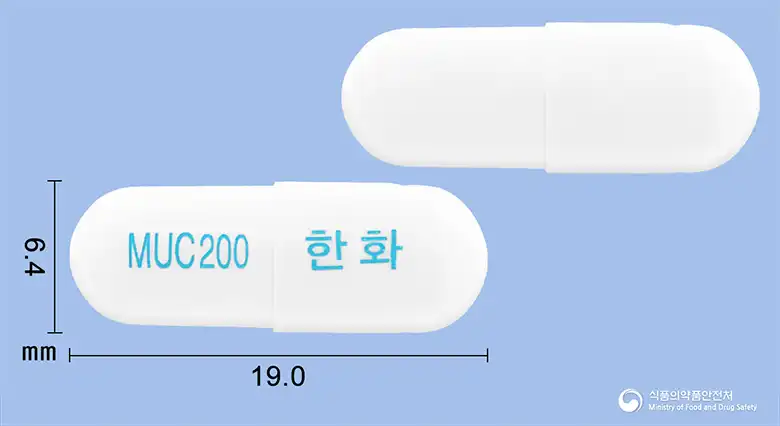
Acetylcysteine 200mg
Hard capsule · OTC medication
Hanwha Pharmaceutical Co., Ltd.
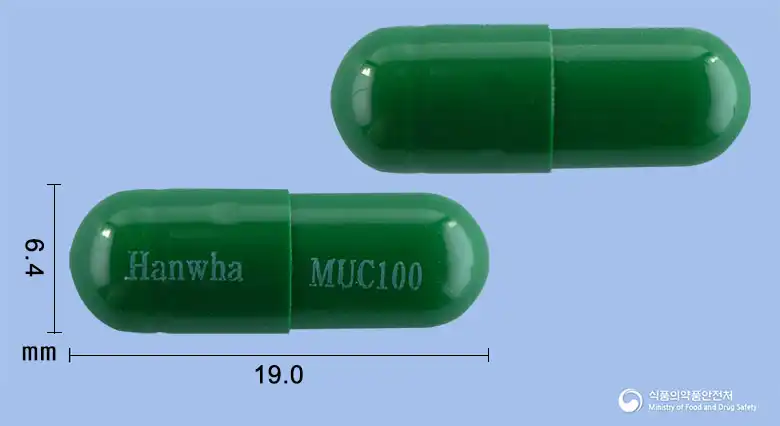
Acetylcysteine 100mg
Hard capsule · OTC medication
Hanwha Pharmaceutical Co., Ltd.
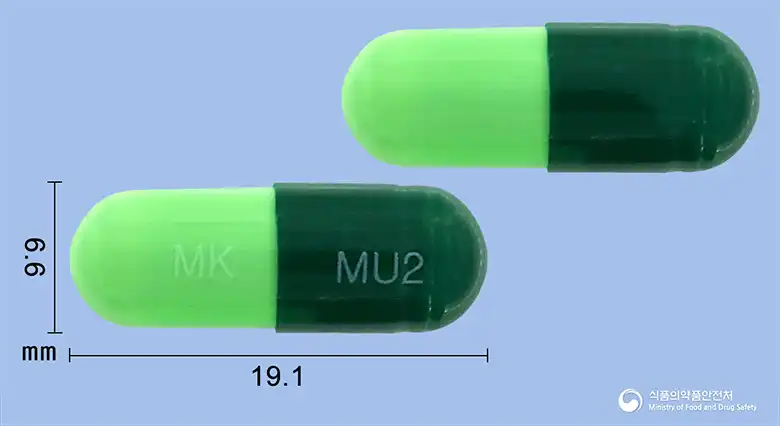
Acetylcysteine 200mg
Hard capsule · OTC medication
(Medica Korea Co., Ltd.)
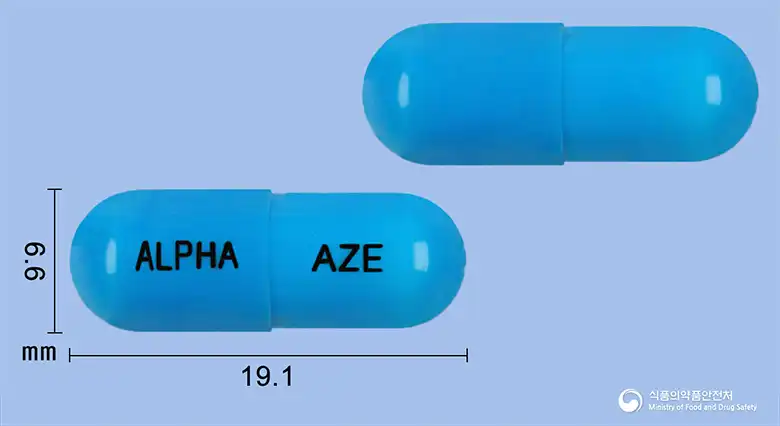
Acetylcysteine 200mg
Hard capsule · OTC medication
Alpha Pharmaceutical Co., Ltd.
Even with the same ingredient, the dose and directions can differ by strength and dosage form. Talk to a doctor or pharmacist before switching from a medication you are already taking.
No questions yet.
For anything that needs medical judgment, consult a doctor or pharmacist.
This drug information is based on data provided by the Korea Ministry of Food and Drug Safety.
Consult a doctor or pharmacist for accurate dosage, administration, and usage instructions.