
 한국어
 English
 日本語
 中文(简体)
 Viewing now
Vivaquin Tablet (Primaquine Phosphate)
Primaquine Phosphate 26.3mg
Tablet · Prescription medication
Myungjin Pharmaceutical Co., Ltd.
MFDS item code 199901136 · Notified 1999.05.11 · Insurance code 651901240
Treatment of vivax malaria and prevention of relapse
This medication is used for the treatment of malaria (P. vivax) infection and to prevent recurrence. It effectively improves malaria symptoms in patients and helps in healthy recovery by preventing the recurrence of the disease.
Adults: Administer 15 mg of primaquine (26.3 mg of primaquine phosphate) orally once daily for 14 days.
Children: Administer 0.3 mg/kg of primaquine (0.5 mg/kg of primaquine phosphate) orally once daily for 14 days.
There is no definitive research indicating that this medication is safe for use during pregnancy, therefore it should not be used by pregnant women. This medication may be harmful not only to pregnant women but also to the fetus, so pregnant women should exercise particular caution. Women of childbearing age must undergo a pregnancy test before taking this medication. During treatment and for a certain period after stopping the medication, effective contraception must be employed to avoid pregnancy. If men are taking this medication, and they have a partner who could become pregnant, it is recommended to use condoms during and for three months after treatment. Patients with certain conditions such as rheumatoid arthritis or lupus, or those taking medications that may affect bone marrow function should not use this medication. Patients with lactose intolerance or certain genetic metabolic disorders should also avoid taking this medication. Those who are allergic to any component of this medication or are pregnant or nursing should also avoid taking it. If symptoms such as darkening of urine or a rapid decrease in blood red or white blood cell counts occur, the medication should be discontinued immediately and a doctor should be consulted. Patients with glucose-6-phosphate dehydrogenase deficiency or certain enzyme deficiencies should be cautious as hemolytic anemia or other serious side effects may occur when taking this medication. This medication can cause gastrointestinal side effects like nausea, vomiting, and abdominal discomfort. Blood-related side effects such as decreased red blood cell counts, methemoglobinemia, and leukopenia can also occur, so caution is needed. Do not exceed the recommended dosage, and especially patients at risk of hemolysis should not take other medications that can induce hemolysis. It is important to regularly check blood cell counts with blood tests during the treatment period. Use during pregnancy is contraindicated, and safety for nursing women has not been fully established, so it should be avoided. Elderly patients over the age of 65 may have reduced liver, kidney, and heart function, so it is safe to start at the minimum dosage. In case of overdose, symptoms such as vomiting, abdominal cramps, central nervous system abnormalities, and cardiovascular problems may occur, thus immediate emergency treatment is necessary. In cases of suspected overdose, appropriate measures such as gastric lavage, inducing vomiting, or fluid replacement should be taken, and cardiac support treatment may be necessary.
Not everyone experiences these, and they can vary from person to person.
This medication should be stored in a tightly closed container that blocks light, and it is best kept at room temperature. This helps maintain the efficacy of the medication and prevents degradation.
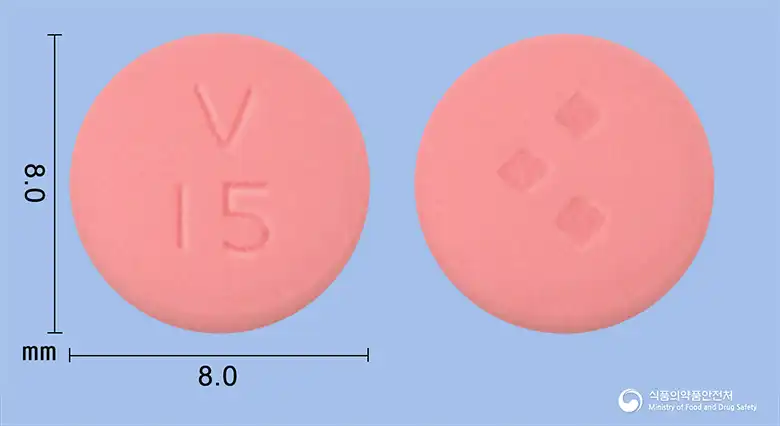
Pink round film-coated tablets
30 tablets/bottle, 100 tablets/bottle (military supply)
Even with the same ingredient, strength, dosage form and how it is taken can differ.
Even with the same ingredient, the dose and directions can differ by strength and dosage form. Talk to a doctor or pharmacist before switching from a medication you are already taking.
No questions yet.
For anything that needs medical judgment, consult a doctor or pharmacist.
This drug information is based on data provided by the Korea Ministry of Food and Drug Safety.
Consult a doctor or pharmacist for accurate dosage, administration, and usage instructions.