한국어
 English
 日本語
 中文(简体)
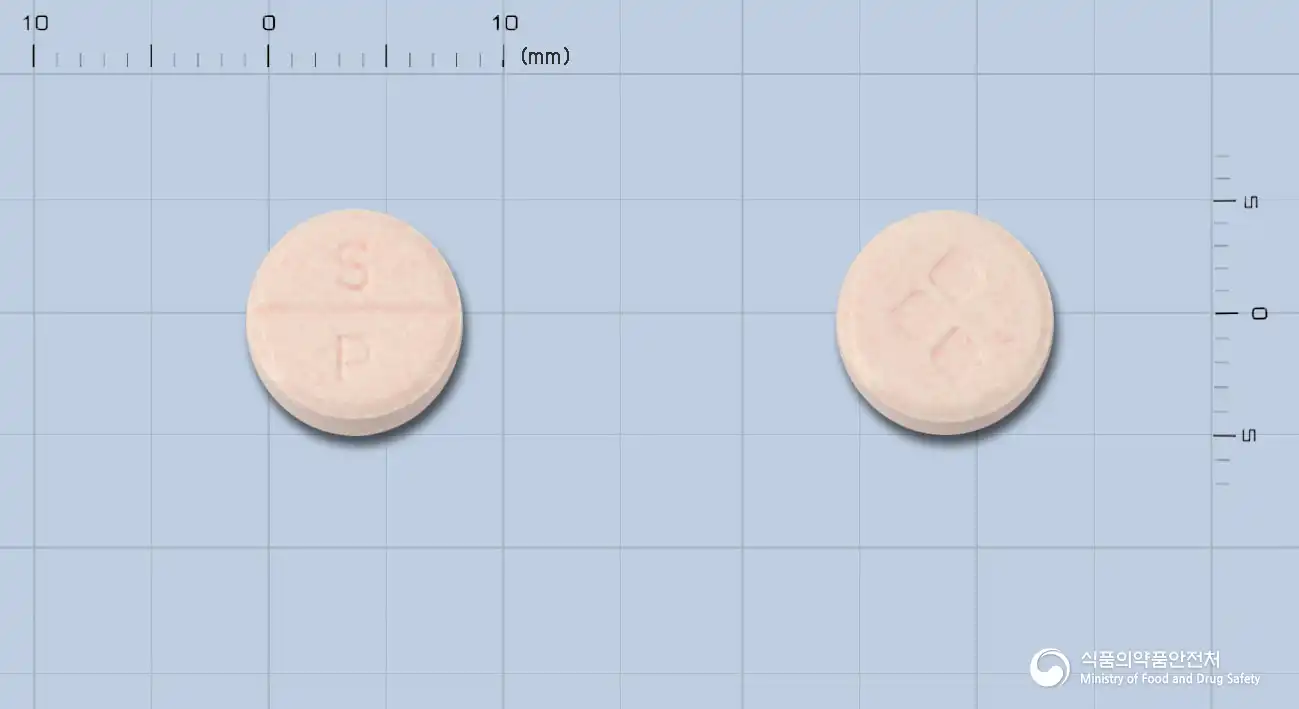
Dosage form image
Viewing nowTaeguk Sulpiride Tablet
Sulpiride
Prescription medication
Taeguk Pharmaceutical Co., Ltd.
MFDS item code 199901051 · Notified 1999.07.02
This product's status changed to Approval withdrawn on 2023.04.03. It may no longer be sold, so consult a doctor or pharmacist before taking it.
Treatment of schizophrenia, psychoneurosis, and depression
This medication is used for major mental disorders such as schizophrenia, depression, and neurosis.
○ Adults 1. Schizophrenia: Administer 300-600㎎ of sulpiride per day orally in 2-3 divided doses. The dose may be increased to 1200㎎ per day. 2. Depression: Administer 150-300㎎ of this medicine per day in 2-3 divided doses. The dose may be increased to 600㎎ per day. 3. Neurosis: Administer 150-300㎎ of this medicine per day in 3 divided doses. Adjust the dose appropriately according to age and symptoms.
This medication may increase the risk of death when used in elderly patients with dementia, so caution is required. There may be an increased risk of cerebrovascular disease, therefore it should be used with caution in patients with stroke risk factors. Due to the risk of thromboembolism, it is essential to confirm and take preventive measures for thrombotic risk factors before and during the use of this medication. This medication should not be administered to patients with specific conditions such as pheochromocytoma, mania, epilepsy, and those with genetic lactose intolerance. Patients with cardiovascular disease, hypotension, kidney disorders, dehydration, elderly patients, pregnant women, and breastfeeding women should use this medication with extra caution. This medication may cause severe adverse effects such as neuroleptic malignant syndrome, seizures, involuntary movement disorders, changes in blood pressure, Parkinson's syndrome, endocrine disorders, and various neuropsychiatric symptoms. While taking this medication, drowsiness or dizziness may occur, thus driving or operating hazardous machinery should be avoided. Moreover, there is a possibility of developing blood abnormalities such as leukopenia, so regular blood tests are necessary. When used in combination with other medications, interactions may occur, hence consulting with healthcare professionals is essential, especially avoiding combinations with anticholinergics or digitalis preparations. Pregnant women or women of childbearing potential should carefully consider the risks to the fetus, and breastfeeding women should also be cautious. Safety and efficacy have not been established for pediatric use, hence it is recommended not to use this medication for children. Elderly patients may have increased drug concentration due to reduced kidney function, therefore dosage adjustments and monitoring for side effects are important. Lastly, in animal studies, reproductive dysfunction and tumor formation have been reported, so caution is advised during prolonged use.
Increased mortality rate, increased risk of cerebrovascular diseases, venous thromboembolism, motor paralysis, severe muscle rigidity, dysphagia, tachycardia, blood pressure changes, sweating, fever, elevated white blood cell count, increased serum CPK, myoglobinuria, decreased kidney function, high fever, consciousness disorders, dyspnea, circulatory collapse, dehydration symptoms, acute renal failure, seizures, involuntary movements around the mouth, ECG changes, hypotension, hypertension, mimicry difficulties, tachycardia, thrombosis and embolism, Parkinson's syndrome, dyskinesia, galactorrhea, gynecomastia, menstrual irregularities, erectile dysfunction, sleep disorders, anxiety, restlessness, drowsiness, excitement, forgetfulness, stupor, wandering, hyperactivity, lack of inhibition, anhedonia, hypomania, manic state, asthenia, lethargy, thirst, headache, dizziness, lightheadedness, tingling hands, dysuria, ataxia, heat sensation, fever, sweating, nasal congestion, shoulder pain, loss of strength in hands, nausea, vomiting, constipation, decreased appetite, stomach discomfort, diarrhea, heartburn, abdominal pain, appetite stimulation, elevated ALT, elevated AST, elevated ALP, rash, exacerbation of eczema, itching, drug reaction (DRESS), vision impairment, sensation of ocular coldness, blurred vision, edema, weight gain, decreased libido, increased urination, low back pain, leukopenia, neutropenia, agranulocytosis
Not everyone experiences these, and they can vary from person to person.
This medication should be stored in a sealed container to prevent air and moisture from entering. Additionally, it is recommended to store the medication at room temperature between 1 degree and 30 degrees Celsius. This helps maintain the effectiveness of the medication and prevent degradation.
White round tablet
30 tablets/bottle, 1000 tablets/bottle
Even with the same ingredient, strength, dosage form and how it is taken can differ.
Even with the same ingredient, the dose and directions can differ by strength and dosage form. Talk to a doctor or pharmacist before switching from a medication you are already taking.
No questions yet.
For anything that needs medical judgment, consult a doctor or pharmacist.
This drug information is based on data provided by the Korea Ministry of Food and Drug Safety.
Consult a doctor or pharmacist for accurate dosage, administration, and usage instructions.