
 한국어
 English
 日本語
 中文(简体)
 Viewing now
Podox Tablets (Cefpodoxime Proxetil)
Cefpodoxime Proxetil 100mg
Tablet · Prescription medication
Jongkundang Co., Ltd.
MFDS item code 199806914 · Notified 1998.09.15 · Insurance code 643304000
Treatment of respiratory·ear, nose, and throat·oral infections, skin·breast infections, and urinary tract·genital infections
This medication is effective against infections caused by various bacteria. It is used for skin diseases such as folliculitis, furuncles and boils, soft tissue infections, lymphangitis, purulent infections around the fingernails and toenails, and perianal abscesses. For respiratory diseases, it aids in the treatment of various infectious diseases including pharyngitis, acute and chronic bronchitis, pneumonia, and tonsillitis. In urinary tract infections, it is effective against pyelonephritis, cystitis, and gonococcal urethritis. Additionally, it is used for other infectious diseases such as otitis media, sinusitis, periodontal and pericoronitis, sialadenitis, and Bartholinitis. This drug targets multiple bacterial strains and is used to treat various diseases caused by infections.
(Tablets) ○ Adults: Administer 100mg (potency) of cefpodoxime orally per dose 2 times daily after meals. For severe infections or when the response is considered inadequate, administer 200mg (potency) orally per dose 2 times daily after meals. Adjust the dose appropriately according to age, symptoms, etc.
(Dry syrup) ○ Infants and children: Administer 3mg (potency) of cefpodoxime per Kg of body weight per dose, 2~3 times daily; reconstitute as a suspension before oral administration. For severe infections or when the response is considered inadequate, administer 4.5mg (potency) per Kg of body weight per dose orally 3 times daily. Adjust the dose appropriately according to age, symptoms, etc.
This medication should not be used in patients who have had severe allergic reactions or shock due to this medication in the past. Patients with a history of allergy to this drug's components or similar classes of antibiotics should be particularly careful and only use it cautiously when necessary. Patients allergic to penicillin antibiotics should also use this drug with caution. Patients with a tendency to frequently exhibit bronchial asthma or skin allergy symptoms should exercise greater caution when using this drug. Patients with severely impaired kidney function should use this medication carefully, as it may not be well excreted from the body, thereby increasing the risk of side effects. Patients who have difficulty taking medication orally, those who receive nutrition through non-oral means, elderly patients, or patients with poor health should be closely monitored as they may exhibit symptoms of vitamin K deficiency. When using this drug, severe allergic reactions such as shock or anaphylaxis may rarely occur, so symptoms should be closely monitored. If symptoms such as dizziness, vomiting, or skin rashes occur, use should be discontinued immediately. As it may affect the gastrointestinal tract, if symptoms such as abdominal pain, diarrhea, or bloody stools occur, medication should be stopped immediately and a doctor consulted. If respiratory symptoms such as fever, cough, or shortness of breath occur, medication should also be stopped, and appropriate treatment should be sought. Since the white blood cell count and platelet count may change with blood tests, regular blood tests should be conducted during long-term use. Symptoms of neurological disturbance such as impaired consciousness or seizures may occur, particularly in patients with poor kidney function, requiring careful dosage adjustment. Severe skin reactions may occur rarely, so if any abnormalities appear on the skin, use should be discontinued immediately, and medical personnel notified. Liver function test values may increase, so tests to check liver condition may be necessary. As there may be a risk of worsening kidney function, immediate consultation with medical staff is advised if red urine or abnormalities in kidney-related tests appear. Rarely, there may be a change in bacteria such as oral thrush or Candida infections. Symptoms of vitamin K or vitamin B deficiency may occur, so nutritional status should be monitored closely. To prevent the occurrence of resistant bacteria, it is recommended that this drug be administered only for the necessary duration. To predict allergic reactions, it is advisable to conduct thorough medical interviews and skin reaction tests prior to use. Symptoms such as dizziness may occur, necessitating caution when driving or operating machinery. If used for more than 10 days, a blood test should be conducted, and dosage should be adjusted for patients with poor kidney function. When taking this drug in conjunction with diuretics or certain antibiotics, there may be burden on the kidneys, so it should be administered cautiously. Moreover, the blood concentration of this drug may change when taken with specific medications, so caution is needed. The safety of this drug during pregnancy has not been established; it should only be used when the benefits of treatment outweigh the risks. Breastfeeding women should refrain from breastfeeding as this drug may be transmitted through breast milk. The safety for children, newborns, and premature infants has not been adequately confirmed, thus caution is needed. Elderly patients may exhibit adverse reactions more readily due to bodily functional decline, hence they should be monitored closely during administration. This drug may affect the results of urine tests, so this should be communicated during testing. Syrup formulations should be stored in the refrigerator after preparation and used within 2 weeks, shaking well before use.
shock
Not everyone experiences these, and they can vary from person to person.
This medication can be sensitive to air and moisture, so it should be stored in a sealed container. When storing, avoid excessively hot or cold places, and it is best to keep it at room temperature.
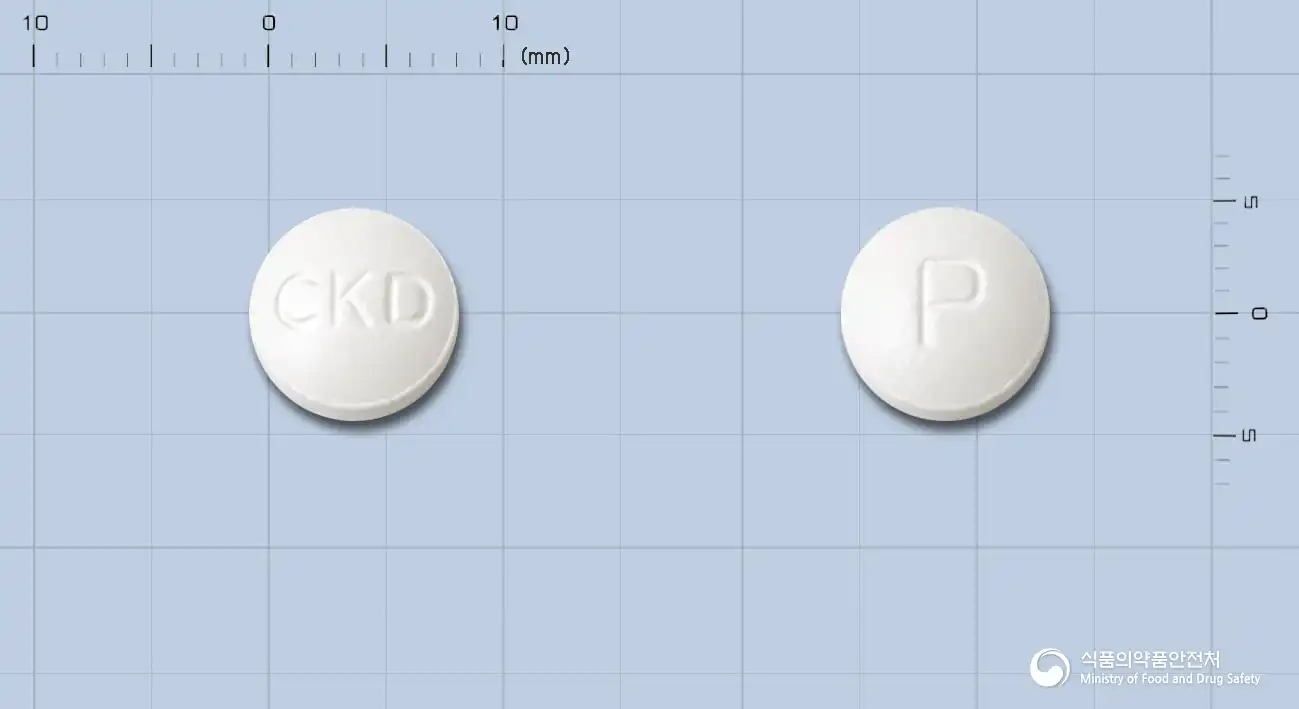
White film-coated tablets
30 tablets/bottle, 100 tablets/bottle
Even with the same ingredient, strength, dosage form and how it is taken can differ.
Viewing nowCefpodoxime Proxetil 100mg
Tablet · Prescription medication
Jongkundang Co., Ltd.

Cefpodoxime Proxetil 100mg
Tablet · Prescription medication
HK inno.N Co., Ltd.
Cefpodoxime Proxetil 5000mg
Prescription medication
HK inno.N Co., Ltd.

Cefpodoxime Proxetil 100mg
Tablet · Prescription medication
Youngjin Pharmaceutical Co., Ltd.

Cefpodoxime Proxetil 130mg
Tablet · Prescription medication
Hanmi Pharmaceutical Co., Ltd.
Cefpodoxime Proxetil 5000mg
Prescription medication
Jongkundang Co., Ltd.
Cefpodoxime Proxetil
Prescription medication
SK Chemicals Co., Ltd.
Cefpodoxime Proxetil 5000mg
Prescription medication
Geonil Pharmaceutical Co., Ltd.
Even with the same ingredient, the dose and directions can differ by strength and dosage form. Talk to a doctor or pharmacist before switching from a medication you are already taking.
No questions yet.
For anything that needs medical judgment, consult a doctor or pharmacist.
This drug information is based on data provided by the Korea Ministry of Food and Drug Safety.
Consult a doctor or pharmacist for accurate dosage, administration, and usage instructions.