
 한국어
 English
 日本語
 中文(简体)
Dosage form image
Viewing nowOrphyl Injection (Sodium Valproate)
Sodium Valproate 100mg
Injections · Prescription medication
BooKwang Pharmaceutical Co., Ltd.
MFDS item code 199801582 · Notified 1998.04.21 · Insurance code 642201791,642201801
Prevention and treatment of epilepsy and associated personality and behavioral disorders; treatment of seizures following surgery or trauma
This medication is effectively used for various forms of epilepsy, such as absence seizures (petit mal), partial seizures (focal seizures), psychomotor seizures, and mixed seizures. Additionally, it helps in the prevention and treatment of personality or behavioral disorders caused by epilepsy. Furthermore, it is also used for the prevention and treatment of seizures occurring after surgery or trauma. Overall, it improves epilepsy and related seizure symptoms.
Administer this medicine by slow intravenous injection, or concomitantly with Normal Saline Injection, 5% Dextrose Injection, or Dextrose and Saline Injection using a separate intravenous line. 1. Adults: Depending on the patient's body weight, usually administer 400-800㎎ (maximum 10㎎/㎏) by slow intravenous injection over 3-5 minutes, either continuously or intermittently. After intravenous injection, administer by continuous or intermittent intravenous infusion, with a maximum daily dose of 2500㎎. 3. Elderly patients: Although pharmacokinetic changes occur, their clinical significance is minor; in principle, follow the adult dosage and administration, and determine the dose within the range that controls epileptic seizures. Adjust the dose as appropriate according to age and symptoms.
2. Children: The usual daily dose is 20-30㎎ per ㎏ of body weight, and the method of administration is the same as for adults. If the effect is insufficient, the dose may be increased to 40㎎ per ㎏ of body weight, but only when measurement of the blood valproate concentration is possible. If the daily dose exceeds 40㎎ per ㎏ of body weight, clinical tests such as blood tests should be performed.
This medication is used for the treatment of epilepsy and bipolar disorder. Women who are pregnant or may become pregnant should consult a doctor before taking this medication and must strictly adhere to pregnancy prevention programs. In particular, it should only be used cautiously during pregnancy when there are no other treatment options available, as it poses a risk of congenital malformations or developmental disorders to the fetus. This medication can cause severe damage to the liver and pancreas, so patients with liver diseases or pancreatic dysfunction should not take it. It should be administered solely to children under 3 years of age, and regular checks on liver function and pancreatic status should be conducted. During the treatment with this medication, changes in mental health such as suicidal thoughts or behaviors, and depression should be carefully monitored. Additionally, if symptoms like increased seizure frequency, altered consciousness, or drowsiness occur, immediate medical advice should be sought. This medication has many drug interactions, particularly with estrogen-containing preparations, carbapenem antibiotics, and some antiepileptic drugs, so caution is needed when taken together. Regular blood tests are necessary due to potential blood coagulation disorders, thrombocytopenia, and bleeding tendencies. Side effects such as nausea, vomiting, abdominal pain, and hair loss may occur; treatment should be discontinued immediately in case of severe skin reactions or symptoms of pancreatitis. In cases of overdose, symptoms like coma, sedation, and myasthenia can occur, necessitating prompt emergency care. This medication has central nervous system depressant effects, which may result in drowsiness or decreased attention, and thus driving or operating hazardous machinery should be avoided. Special care is necessary for children, the elderly, pregnant women, and nursing mothers while using this medication, and regular liver function, blood tests, and kidney function tests should be conducted. Patients receiving this medication should closely monitor their condition and consult their healthcare providers immediately if abnormal symptoms arise.
Liver damage, increased liver enzymes, tremors, extrapyramidal syndrome, altered consciousness, somnolence, seizures, memory impairment, headache, eye tremors, confusional state, aggression, anxiety, attention deficit, hallucinations, coma, encephalopathy, reversible Parkinsonism, ataxia, sensory disturbances, reversible dementia associated with reversible brain atrophy, cognitive impairment, abnormal behavior, psychomotor hyperactivity, learning disability, hallucinations, dizziness, insomnia, anxiety, visual disturbances, diplopia, inability to maintain fixed posture, visual disturbances with spots, speech disorders, excessive salivation, coma, hyperammonemia, emotional confusion, depression, psychosis, aggression, hyperactivity, behavioral dementia, suicidal ideation, suicidal behavior, depression, dysmenorrhea, SIADH, amenorrhea, hyperandrogenism, hirsutism, masculinization, acne, male-pattern baldness, increased androgen, hypothyroidism, male infertility, polycystic ovaries, irregular menstruation, breast enlargement, galactorrhea, hypersensitivity reactions, hair loss, angioedema, rash, hair texture abnormalities, hair color changes, abnormal hair growth, toxic epidermal necrolysis, mucocutaneous syndrome, erythema multiforme, DRESS syndrome, decreased bone density, osteopenia, osteoporosis, fractures, systemic lupus erythematosus, rhabdomyolysis, weakness, anemia, thrombocytopenia, pancytopenia, leukopenia, bone marrow failure, agranulocytosis, macrocytic anemia, increased megaloblasts, hyperglycinemia, hemolytic anemia, increased megaloblasts, granulocytopenia, eosinophilia, decreased platelet aggregation, lymphocytopenia, neutropenia, petechial hemorrhage, contusions, hematoma formation, genuine bleeding, weight gain, decreased coagulation factors, abnormal coagulation tests, biotin deficiency, hearing loss, tinnitus, pleural effusion, nausea, vomiting, gingival hyperplasia, stomatitis, upper abdominal pain, diarrhea, pancreatitis, increased appetite, decreased appetite, gastric discomfort, constipation, kidney failure, tubular interstitial nephritis, nocturia, hyponatremia, hyperammonemia, hyperinsulinemia, decreased insulin-like growth factor binding protein I, decreased body temperature, bleeding, vasculitis, erythema nodosum, allergic reactions, hematuria, dry mouth, lethargy, nasal bleeding, edema, peripheral edema, hypothermia, myelodysplastic syndrome, confusion, sedation, coma, myasthenia, decreased reflexes, areflexia, decreased muscle tone, hypotension, miosis, cardiovascular diseases, respiratory diseases, respiratory function impairment, cerebral edema, metabolic acidosis, hypokalemia, hypernatremia, circulatory collapse, shock
Not everyone experiences these, and they can vary from person to person.
This medication should be stored in a sealed container to prevent air and moisture exposure, and it is important to maintain room temperature, which means a regular indoor temperature that is neither too hot nor too cold. Proper storage maintains the drug's effectiveness over time and prevents it from deteriorating.
This medication is an injection containing a colorless and transparent solution in a colorless and transparent ampoule.
1.5 milliliters/ampoule × 10, 3 milliliters/ampoule × 10
Even with the same ingredient, strength, dosage form and how it is taken can differ.
Sodium Valproate 100mg
Injections · Prescription medication
BooKwang Pharmaceutical Co., Ltd.
Sodium Valproate 200mg
Prescription medication
Samjin Pharmaceutical Co., Ltd.
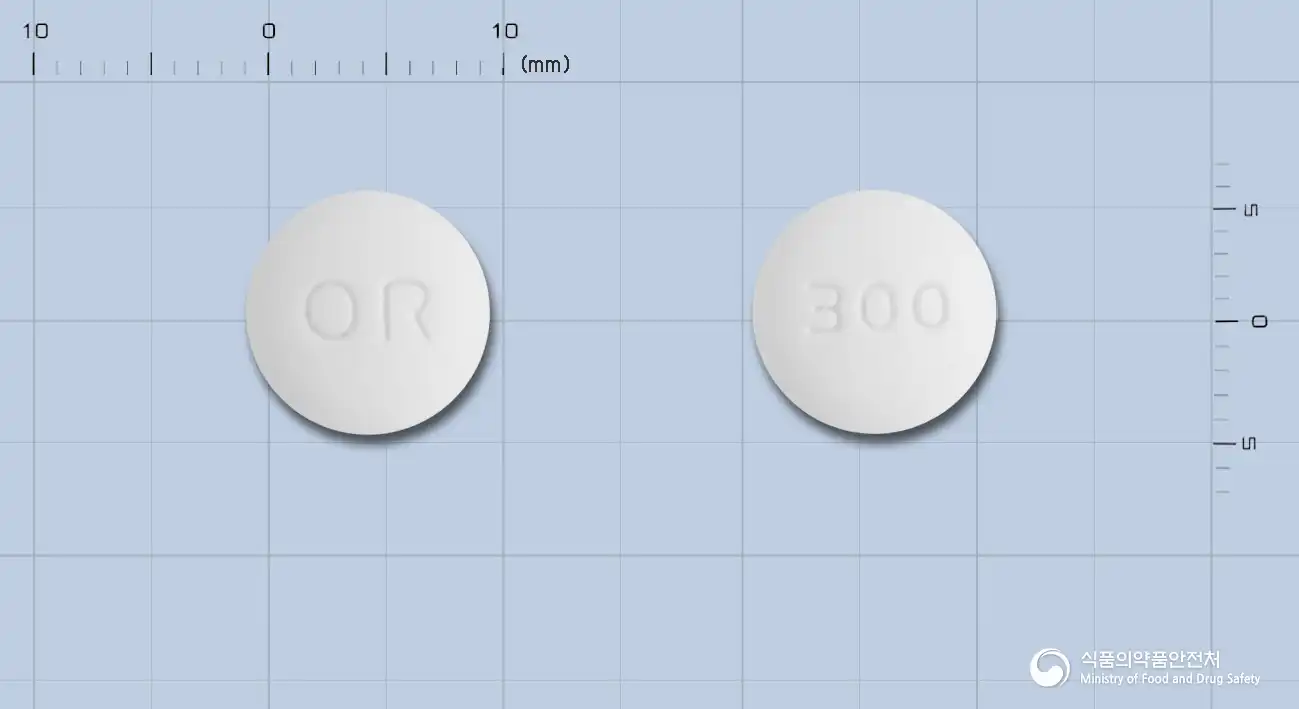
Sodium Valproate 300mg
Tablet · Prescription medication
BooKwang Pharmaceuticals Co., Ltd.
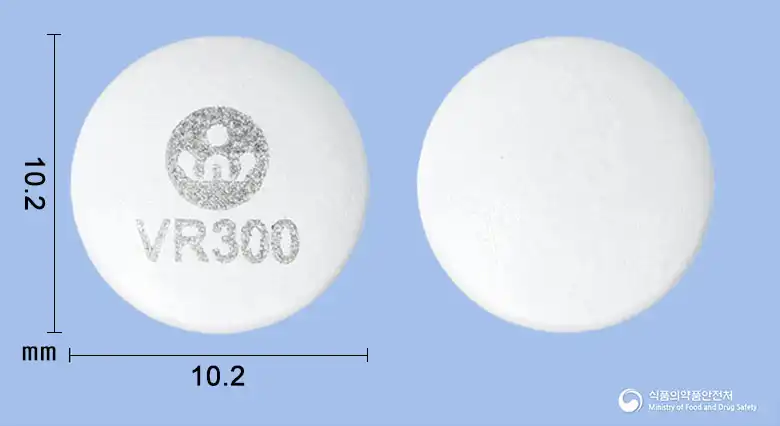
Sodium Valproate 300mg
Tablet · Prescription medication
Hwa In Pharmaceutical Co., Ltd.
Sodium Valproate 400mg
Injections · Prescription medication
Samjin Pharmaceutical Co., Ltd.
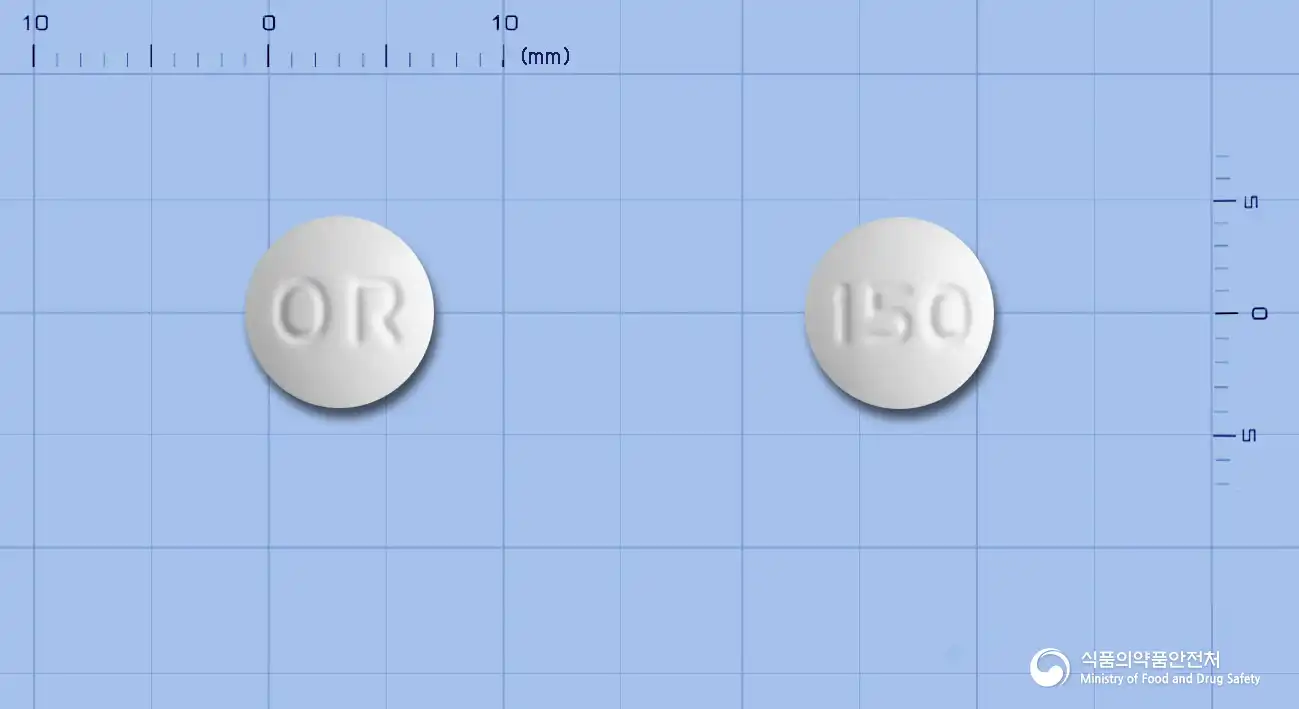
Sodium Valproate 150mg
Tablet · Prescription medication
Bukwang Pharmaceuticals Co., Ltd.
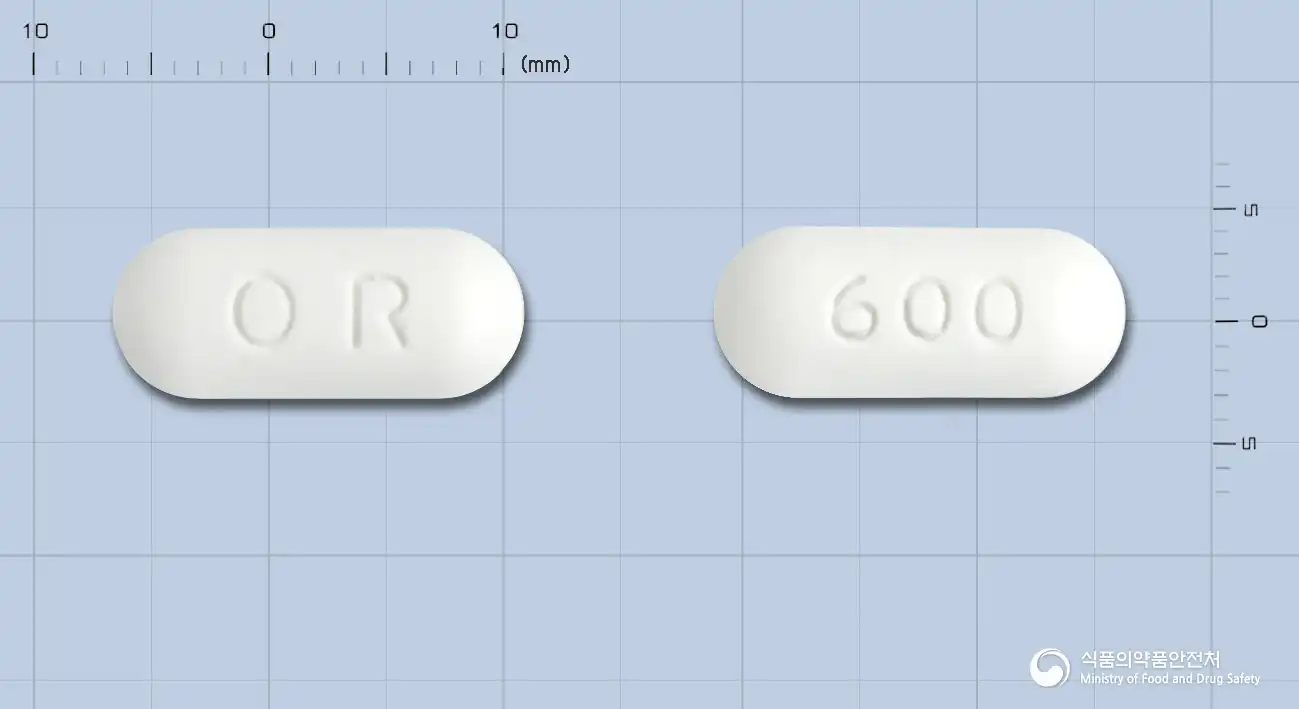
Sodium Valproate 600mg
Tablet · Prescription medication
Bukwang Pharmaceutical Co., Ltd.
Sodium Valproate 6000mg
Prescription medication
Bukwang Pharmaceutical Co., Ltd.
Even with the same ingredient, the dose and directions can differ by strength and dosage form. Talk to a doctor or pharmacist before switching from a medication you are already taking.
No questions yet.
For anything that needs medical judgment, consult a doctor or pharmacist.
This drug information is based on data provided by the Korea Ministry of Food and Drug Safety.
Consult a doctor or pharmacist for accurate dosage, administration, and usage instructions.