
 한국어
한국어 English
 日本語
日本語 中文(简体)
Dosage form image
Viewing nowGinasid Dry Syrup (Acyclovir)
Acyclovir 12g
Prescription medication
Jinyang Pharmaceutical Co., Ltd.
MFDS item code 199801312 · Notified 1998.12.22 · Insurance code 650301142,650301143
Treatment of herpes simplex and shingles (acute pain) and improvement of chickenpox
This medication is used for the treatment and prevention of infections caused by the herpes simplex virus in skin and mucous membranes, including initial and recurrent genital herpes. It is also effective in treating infections caused by the shingles virus, particularly helping to relieve acute pain. However, the effectiveness against post-herpetic neuralgia has not yet been clearly proven. This medication is also used in the treatment of chickenpox in children aged over 2 years. Overall, this drug is effective in treating various herpes virus infections.
For the treatment of herpes simplex virus infections: administer 200 mg of acyclovir 5 times a day at 4-hour intervals for 5 days; in cases of severe initial infections, treatment can be extended. In patients with severe immunocompromised conditions or gastrointestinal absorption disorders, the single dose can be increased to 400 mg, or the route of administration can be switched to intravenous. For the prevention of herpes simplex infections in patients with normal immune function: administer 4 times a day,
For the treatment of herpes simplex infections and the prevention of herpes simplex infections in patients with impaired immune function: for children aged 2 years and older, the dosage is the same as for adults; for children under 2 years, administer half of the adult dose. For the treatment of chickenpox in children aged 2 years and older: 1 dose.
This medication should not be used in patients who have had an allergic reaction to this drug or its ingredients, as well as to valacyclovir. Patients with impaired kidney function may experience neurological symptoms, so caution should be exercised in their use. Patients with liver dysfunction should be carefully administered this medication due to the risk of further liver function deterioration. Special care should be taken when using this drug in children, infants, and the elderly. This medication can rarely cause serious allergic reactions such as anaphylactic shock, so if symptoms like low blood pressure, difficulty breathing, or chest tightness occur during treatment, the drug should be discontinued immediately and appropriate treatment should be received. Skin rashes or photosensitivity reactions may occur, so if any abnormal symptoms appear, treatment should be stopped and medical assistance sought. Skin-related side effects such as hair loss, skin rashes, and severe skin diseases may occur. Various neurological side effects such as confusion, drowsiness, seizures, hallucinations, etc., can occur, especially in patients with decreased kidney function or the elderly. Kidney problems may arise, and blood tests may show elevated kidney-related values, so caution is needed. Blood and lymphatic system abnormalities can result in bleeding, anemia, and changes in white blood cell count. Liver-related side effects have been reported, including liver dysfunction, jaundice, and hepatitis. Gastrointestinal issues such as gastritis, vomiting, diarrhea, and abdominal pain may occur, so treatment should be discontinued if symptoms arise. Systemically, fever, weakness, fatigue, and headache may occur. Muscle pain or joint pain may develop. Cardiovascular side effects like irregular heartbeat, fluctuations in blood pressure, and chest pain can occur rarely. Urinary symptoms such as difficulty urinating or urinary obstruction have been reported rarely. Various side effects including difficulty breathing, visual disturbances, hair loss, and hyponatremia can occur, so caution is necessary. This medication is most effective when administered at the onset of symptoms, so treatment for shingles should be started within 5 days after the appearance of skin symptoms, and chickenpox within 3 days. Immunocompromised patients should consider receiving intravenous formulations, and during treatment, adequate hydration should be maintained to prevent dehydration and nephrotoxicity. For the treatment of recurrent genital herpes, this medication should only be used in patients with repeated outbreaks, and after 1 year of use, the decision to continue should be reviewed. Altered consciousness may occur during treatment with this medication, so caution should be exercised when driving or operating dangerous machinery. There may be drug interactions when used with other medications, especially when combined with drugs that affect kidney function, which increases the risk of renal impairment. Women who are pregnant or may become pregnant should only use this medication when the benefits of treatment outweigh the risks, and breastfeeding should be stopped, as the drug is transmitted through breast milk. In children or infants, it should be used cautiously only when necessary, and special care is needed in neonates and low-birth-weight infants, as safety has not been established. Elderly patients may retain the drug in their bodies longer due to decreased kidney function, thus requiring adjustments in dosage and intervals and ensuring sufficient hydration. In case of overdose, serious side effects such as renal failure, coma, and seizures may occur, and immediate medical observation and appropriate treatment are required. Administration of this drug in high doses may cause genetic abnormalities or impaired reproductive function, but these effects have not been reported within the normal dosage range.
Not everyone experiences these, and they can vary from person to person.
This medication should be stored in a tightly sealed container to protect it from air or moisture and should be kept at room temperature, not too hot or too cold. Proper storage helps maintain the drug's efficacy for a longer period.
A white powder that is dissolved before use
20g (suspension for 30ml)/bottle, 100g (suspension for 150ml)/bottle
Even with the same ingredient, strength, dosage form and how it is taken can differ.
Acyclovir 12g
Prescription medication
Jinyang Pharmaceutical Co., Ltd.
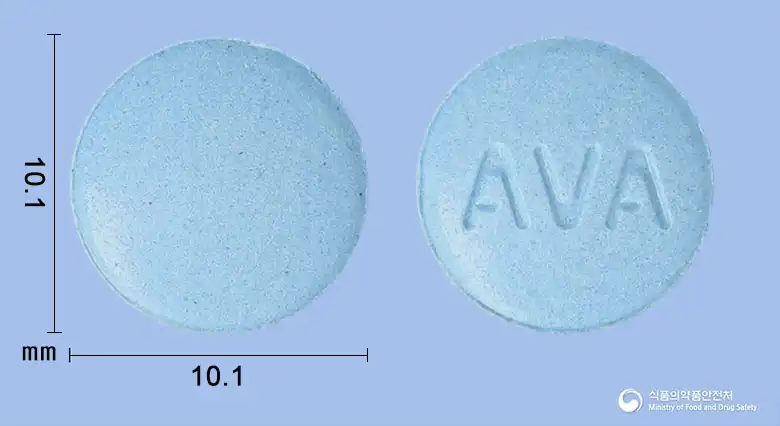
Acyclovir 200mg
Tablet · Prescription medication
Kyung dong Pharm Co., Ltd.
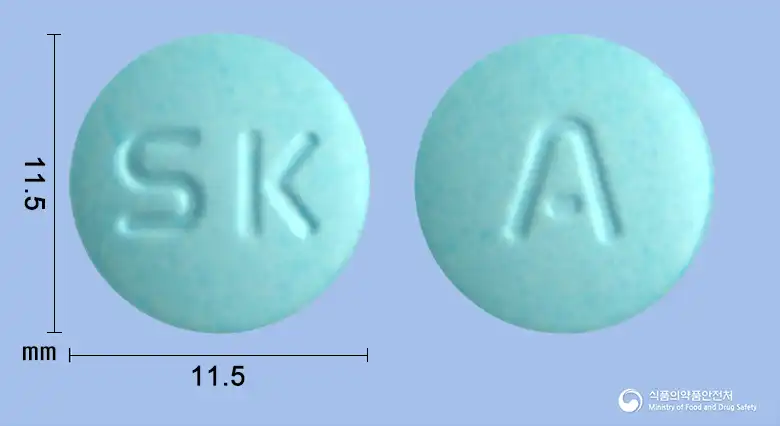
Acyclovir 200mg
Tablet · Prescription medication
SK Chemicals Co., Ltd.
Acyclovir
Prescription medication
Baskan Biopharmaceutical Co., Ltd.
Acyclovir 50mg
Cream · OTC medication
Dongkwang Pharmaceutical Co., Ltd.
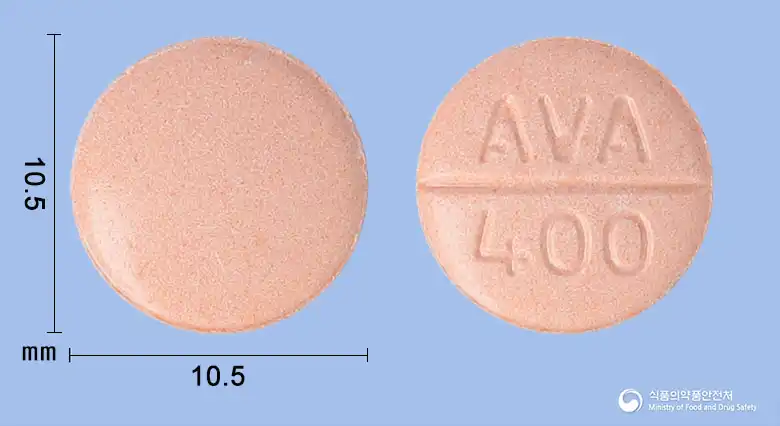
Acyclovir 400mg
Tablet · Prescription medication
Kyung dong Pharm Co., Ltd.
Acyclovir 50mg
Cream · OTC medication
Kyungdong Pharmaceutical Co., Ltd.
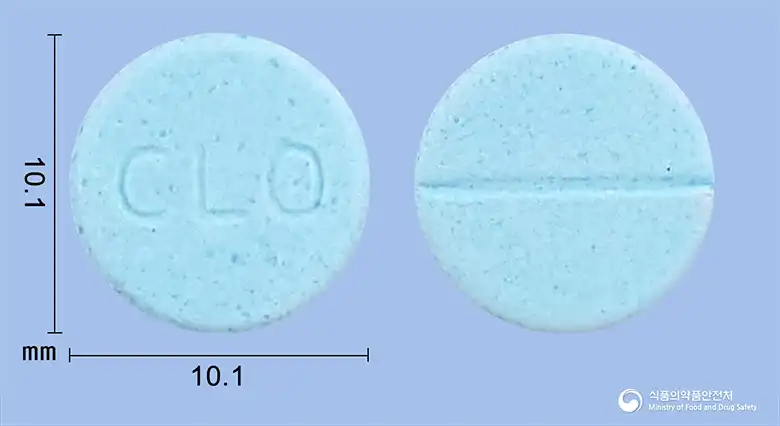
Acyclovir 200mg
Tablet · Prescription medication
Vivozon Pharmaceutical Co., Ltd.
Even with the same ingredient, the dose and directions can differ by strength and dosage form. Talk to a doctor or pharmacist before switching from a medication you are already taking.
No questions yet.
For anything that needs medical judgment, consult a doctor or pharmacist.
This drug information is based on data provided by the Korea Ministry of Food and Drug Safety.
Consult a doctor or pharmacist for accurate dosage, administration, and usage instructions.