
 한국어
 English
 日本語
 中文(简体)
Dosage form image
Viewing nowBoryung Meiact Granules (Cefditoren Pivoxil)
Cefditoren Pivoxil 100mg
Prescription medication
Boryung Co., Ltd.
MFDS item code 199801215 · Notified 1998.09.14 · Insurance code 641901212
Treatment of respiratory, ear, nose and throat, and dental infections; skin and soft tissue infections; urinary tract infections and scarlet fever
This medication is used to treat infections caused by various bacteria, including Staphylococcus and Streptococcus. It improves inflammation and infections in areas such as lymphangitis, chronic pyoderma, and perianal abscess, and is effective against secondary infections of pharyngitis, acute bronchitis, and chronic respiratory diseases. It is also used for respiratory and urinary infections such as pneumonia, lung abscess, urinary tract infections (pyelonephritis, cystitis), otitis media, and sinusitis. It is used for the treatment of infectious diseases such as scarlet fever and whooping cough, and also improves symptoms of oral-related infections such as superficial or deep skin infections, periodontal disease, and temporomandibular joint disorders. This medication effectively treats various infections.
Pneumonia, otitis media, sinusitis: Children: Administer 3 mg (potency) / kg of cefditoren pivoxil orally after meals 3 times daily. If necessary, the dose may be increased to 6 mg (potency) / kg per dose. Adjust the dose as appropriate according to age and symptoms, but do not exceed 200mg (potency) per dose 3 times daily (600mg (potency) per day). Conditions other than pneumonia, otitis media, and sinusitis: Children: Administer 3 mg (potency) / kg of cefditoren pivoxil orally after meals 3 times daily. Adjust the dose as appropriate according to age and symptoms, but do not exceed 200mg (potency) per dose 3 times daily (600mg (potency) per day).
This medication contains the artificial sweetener aspartame, and should not be administered to patients with the hereditary condition phenylketonuria. Aspartame breaks down into phenylalanine in the body, which can pose risks to patients with this condition. Additionally, the maximum daily allowable dose of aspartame should be limited below the WHO recommended level, using only the minimum possible amount. Patients with a history of allergic reactions or shock to this medication, those with carnitine deficiency, or those who are hypersensitive to milk proteins should not use it. Patients with a history of allergic reactions or bronchial asthma, rashes, etc., should use it with caution, especially those with impaired kidney function, the elderly, and patients in poor general condition. This medication contains the dye Yellow No. 5, and should be used cautiously in patients allergic to this component. During administration, rarely, various adverse reactions may occur, including shock, anaphylaxis, rash, urticaria, liver dysfunction, kidney dysfunction, gastrointestinal disturbances, respiratory problems, etc., so if any unusual symptoms arise, immediately discontinue use and consult a healthcare provider. Additionally, this medication can affect liver and blood test results with long-term use, so regular testing is necessary. To prevent the development of resistant bacteria, sensitivity should be confirmed, and it should only be used for the necessary minimum duration, with prior verification of any past drug allergies. Carnitine depletion has been reported; therefore, it should not be administered to patients with carnitine deficiency. It is better absorbed when taken with food. Caution is needed when used in combination with medications that reduce stomach acid or specific antibiotics, as efficacy may decrease or increase. Safety for pregnant or nursing women is not fully established; hence use cautiously. In children, particularly premature infants or neonates, safety is not established and precautions are needed as hypolactatemia and hypoglycemia may occur. The elderly may require dose adjustment due to decreased kidney function, and caution must be observed for bleeding tendencies. This medication may affect some clinical test results, so inform healthcare providers about its use during testing. Store in a tightly sealed container away from light. Store in an area at room temperature, avoiding extremes of heat or cold.
Not everyone experiences these, and they can vary from person to person.
This medication is sensitive to light; store in a tightly sealed container that does not allow light. Additionally, it is important to store the medication at room temperature without extremes of heat or cold.
Pale yellow granules with no odor or a slight unusual smell
100g/bottle
Even with the same ingredient, strength, dosage form and how it is taken can differ.
Cefditoren Pivoxil 100mg
Prescription medication
Boryung Co., Ltd.
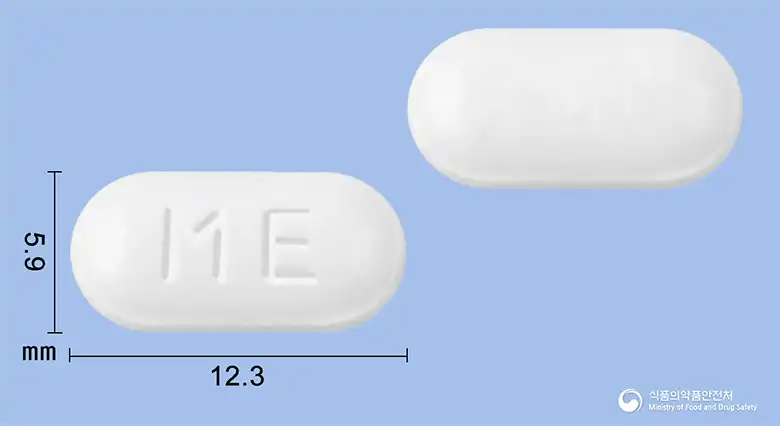
Cefditoren Pivoxil 100mg
Tablet · Prescription medication
Boryung Pharmaceutical Co., Ltd.
Cefditoren Pivoxil 100mg
Tablet · Prescription medication
Youngjin Pharmaceutical Co., Ltd.
Cefditoren Pivoxil 100mg
Prescription medication
International Pharmaceutical Co., Ltd.
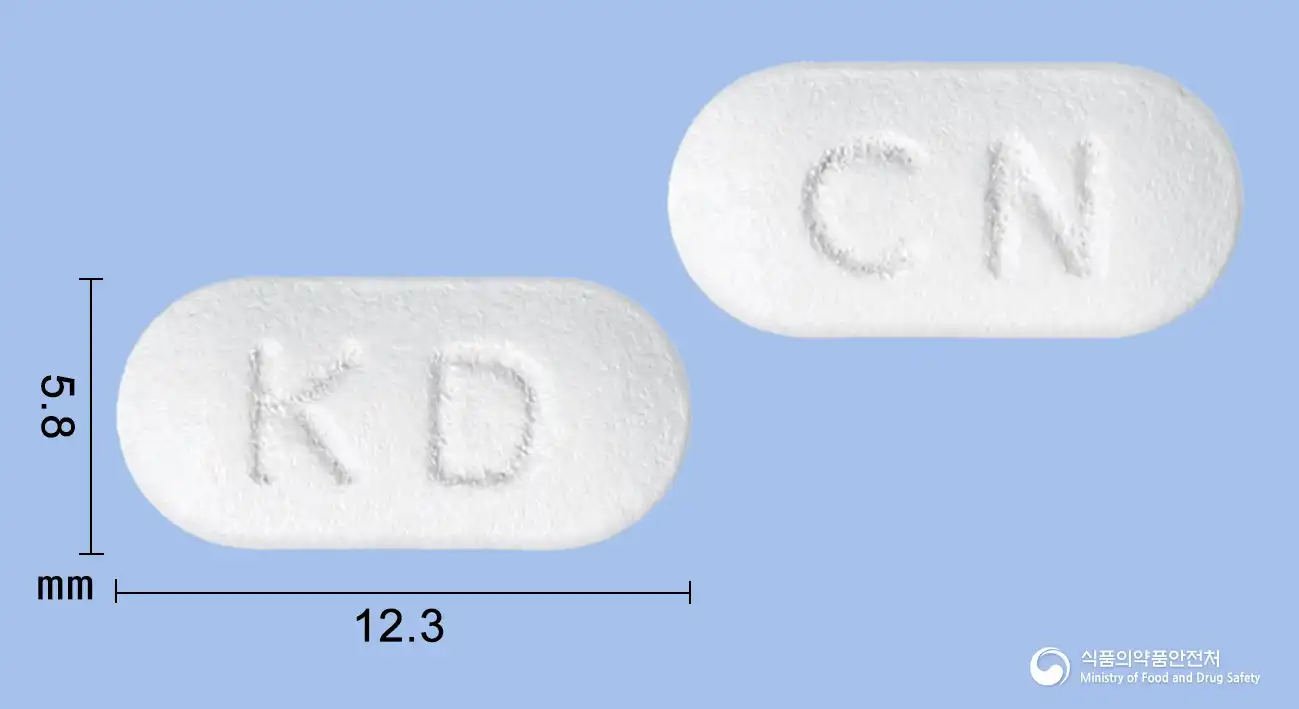
Cefditoren Pivoxil 100mg
Tablet · Prescription medication
Kyung Dong Pharmaceutical Co., Ltd.
Even with the same ingredient, the dose and directions can differ by strength and dosage form. Talk to a doctor or pharmacist before switching from a medication you are already taking.
No questions yet.
For anything that needs medical judgment, consult a doctor or pharmacist.
This drug information is based on data provided by the Korea Ministry of Food and Drug Safety.
Consult a doctor or pharmacist for accurate dosage, administration, and usage instructions.