
 한국어
 English
 日本語
 中文(简体)
 Viewing now
Sulpiride 200 mg (Sulpiride)
Sulpiride 200mg
Tablet · Prescription medication
Myungin Pharmaceutical Co., Ltd.
MFDS item code 199801193 · Notified 1998.09.22 · Insurance code 651901280
Treatment of schizophrenia, depression, and neurotic disorders
Used for major mental illnesses such as schizophrenia, depression, and psychoneurosis.
Adults 1. Schizophrenia: Administer 300-600㎎ of sulpiride orally daily in 2-3 divided doses. The dose may be increased to 1200㎎ daily. 2. Depression: Administer 150-300㎎ of this medicine daily in 2-3 divided doses. The dose may be increased to 600㎎ daily. 3. Psychoneurosis: Administer 150-300㎎ of this medicine daily in 3 divided doses. Adjust the dose as appropriate according to age and symptoms.
This medication may increase mortality in elderly patients when treating psychotic symptoms related to cognitive impairment, so caution is required. Particularly, the risk of cerebrovascular disease may increase, so it should be used cautiously in patients with stroke risk factors. Additionally, there is a risk of venous thrombosis, so thrombotic risk factors should be assessed and preventive measures taken before using this medication. Do not use this medication in patients with pheochromocytoma, mania, liver disease, in children, or in patients with specific genetic lactose intolerance. It should be administered cautiously to patients with cardiovascular disease, hypotension, renal impairment, dehydration, elderly patients, pregnant women, nursing mothers, and those allergic to Yellow No. 5. During the use of this medication, various side effects may occur, including neuroleptic malignant syndrome, seizures, involuntary movement disorders, blood pressure changes, Parkinsonian symptoms, endocrine abnormalities, central nervous system abnormalities, autonomic nervous system abnormalities, gastrointestinal problems, liver function abnormalities, skin rashes, and vision disturbances; consult a healthcare professional immediately if any symptoms occur. Drowsiness or dizziness may occur during treatment, so avoid driving or operating dangerous machinery. This medication has anti-emetic effects and may mask the side effects of other medications, so caution is required. Leukopenia may occur, so regular blood tests should be performed, and if infection symptoms arise, immediate treatment should be sought. Combining with certain other medications may increase side effects, so consult with a physician or pharmacist. During pregnancy, this may pose risks to the fetus, so pregnant women or women of childbearing potential should absolutely consult with a healthcare professional before taking this medication. Safety and efficacy have not been established in young children, so it is not administered. Elderly patients may have increased drug concentration due to decreased renal function; therefore, dosage and intervals should be carefully monitored. Long-term use of this medication may affect reproductive organs, so caution is required with prolonged use.
Not everyone experiences these, and they can vary from person to person.
This medication should be stored in a tightly sealed container to prevent air or moisture from entering. It is advisable to maintain the storage temperature between 1 to 30 degrees Celsius at room temperature. This will help maintain the medication's efficacy for an extended period.
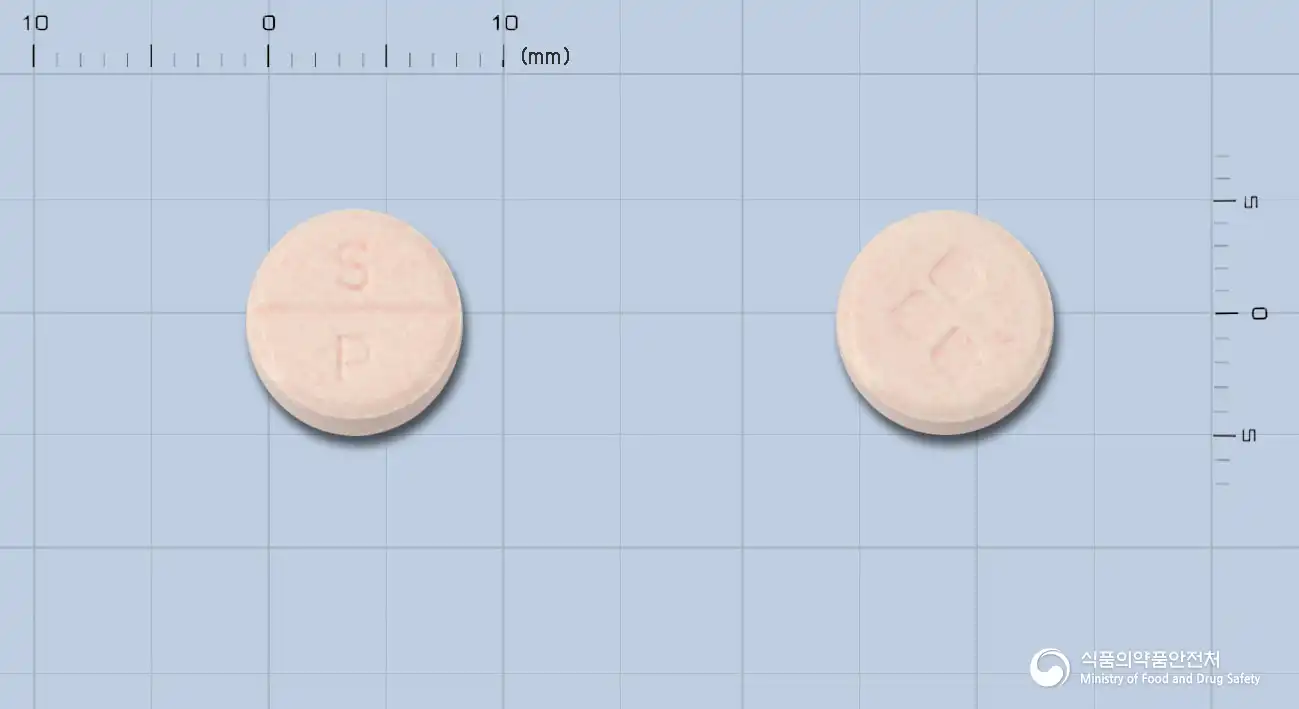
Light pink round tablets
30 tablets/bottle, 500 tablets/bottle
Even with the same ingredient, strength, dosage form and how it is taken can differ.
Even with the same ingredient, the dose and directions can differ by strength and dosage form. Talk to a doctor or pharmacist before switching from a medication you are already taking.
No questions yet.
For anything that needs medical judgment, consult a doctor or pharmacist.
This drug information is based on data provided by the Korea Ministry of Food and Drug Safety.
Consult a doctor or pharmacist for accurate dosage, administration, and usage instructions.