
 한국어
 English
 日本語
 中文(简体)
Dosage form image
Viewing nowNeosiderm Ointment (Sodium Fusidate)
Sodium Fusidate 20mg
Ointment · OTC medication
Taeguk Pharmaceutical Co., Ltd.
MFDS item code 199801121 · Notified 1998.04.08
Treatment of pyoderma (impetigo, folliculitis, etc.) and secondary infections of wounds (burns, trauma, etc.)
This medication is effective against various bacterial infections, including staphylococcus. The tablet form is used for the treatment of osteomyelitis, septicemia, endocarditis, cystic fibrosis, bronchopneumonia, as well as various skin infections such as wound infections, boils, and abscesses. The ointment is effective against multiple bacteria including staphylococcus, streptococcus, corynebacterium, and clostridium, and is used for a variety of skin infections including pyoderma, infectious eczema, acne, folliculitis, and furunculosis, as well as for the treatment of secondary infections due to burns or trauma. The patch formulation is also effective against staphylococcal infections and is applied for the treatment of secondary infections due to pyoderma and burns or trauma. Overall, this medication is widely used in various forms to treat a range of bacterial infections.
(Tablets) ○ Adults: Administer 1~1.5g (potency) of fusidic acid daily orally in 2~3 divided doses with meals. The dose may be increased up to 2-fold in severe infections. Adjust the dose as appropriate according to age and symptoms. (Ointment) Clean the affected area and apply an appropriate amount directly to it 1~2 times daily, or spread it over sterile gauze and apply. Avoid applying a thick layer, and generally limit the treatment period to about 1 week. (Medicated plaster) Clean the affected area, remove the backing paper, and apply 1 plaster directly to the affected area once daily. Secure it with appropriate gauze or a bandage.
○ Children aged 6 years and older: Administer 20~40mg (potency) per Kg of body weight daily in 3 divided doses.
This medication should not be used in individuals who are allergic to fusidic acid or its salts. It should also be avoided in cases of non-infectious kidney disease among urinary tract staphylococcal infection patients. Caution is advised in patients with impaired liver function, and regular liver function tests during treatment are important. Gastrointestinal symptoms such as nausea, vomiting, diarrhea, loss of appetite, and abdominal pain may occur while using this medication, so care should be taken. Blood-related side effects such as granulocytopenia, thrombocytopenia, and bone marrow suppression may occur, so any unusual symptoms should be reported immediately. Long-term high-dose use may put strain on the liver, leading to jaundice; therefore, the dosage should be reduced if symptoms develop. Allergic reactions like skin rash may rarely occur, so skin condition should be monitored closely. To prevent the emergence of resistant bacteria, proper sensitivity testing should be performed, and it should be used only for the minimum necessary duration. In newborns or preterm infants, caution is advised if they have jaundice or high blood acidity; breastfeeding should be suspended if used during lactation. This medication may interact with other antibiotics, anticoagulants, and statins, so it is essential to consult a doctor or pharmacist if other medications are being taken. When used in topical ointment or patch form, do not use for prolonged periods or over large areas, and avoid applying near the eyes. If allergic symptoms such as itching, redness, swelling, or blistering occur, discontinue use immediately and consult a professional. Store in a place inaccessible to children, and ensure it is kept tightly closed in its original container.
Not everyone experiences these, and they can vary from person to person.
This medication should be stored in a tightly sealed container to avoid exposure to air or moisture. It is essential to maintain a storage temperature between 1 and 30 degrees Celsius to preserve the drug's effectiveness and safety.
A colorless or pale yellow ointment.
5 grams/tube, 10 grams/tube, 450 grams/bottle
Even with the same ingredient, strength, dosage form and how it is taken can differ.
Sodium Fusidate 20mg
Ointment · OTC medication
Taeguk Pharmaceutical Co., Ltd.
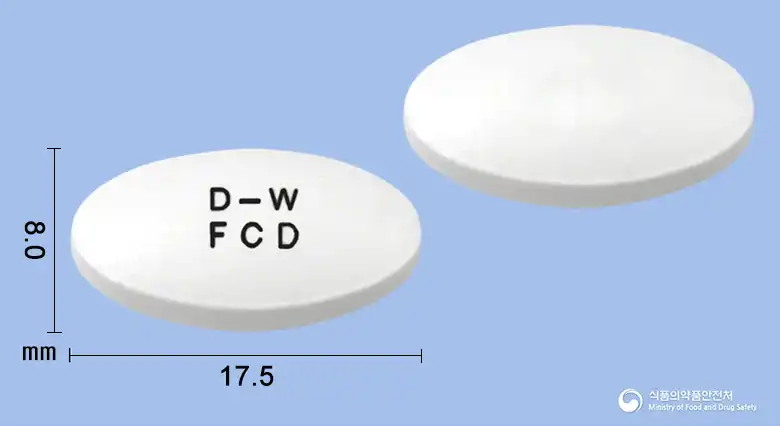
Sodium Fusidate 250mg
Tablet · Prescription medication
Dongwha Pharmaceutical Co., Ltd.
Sodium Fusidate 20mg
Ointment · OTC medication
Dongwha Pharmaceutical Co., Ltd.
Sodium Fusidate 20mg
Ointment · OTC medication
(Company) Green Cross
Sodium Fusidate 20mg
Ointment · OTC medication
SK Chemical Co., Ltd.
Sodium Fusidate 20mg
Ointment · OTC medication
Samik Pharmaceutical Co., Ltd.
Sodium Fusidate
OTC medication
Dongku Bio Pharmaceutical Co., Ltd.
Sodium Fusidate
OTC medication
Teragen Etex Co., Ltd.
Even with the same ingredient, the dose and directions can differ by strength and dosage form. Talk to a doctor or pharmacist before switching from a medication you are already taking.
No questions yet.
For anything that needs medical judgment, consult a doctor or pharmacist.
This drug information is based on data provided by the Korea Ministry of Food and Drug Safety.
Consult a doctor or pharmacist for accurate dosage, administration, and usage instructions.