
 한국어
 English
 日本語
 中文(简体)
Summary
- Main use
- Treatment of primary hyperlipidemia (hypercholesterolemia, hypertriglyceridemia, etc.)
- Who takes it
- Adults
- Adult dose
- Adults: Administer 250mg of fenofibrate orally once daily immediately after a meal, together with dietary therapy. Adjust the dose appropriately according to age and symptoms.
Ingredients
- Manufacturer
- Samchundang Pharmaceutical Co., Ltd.
Efficacy & effects
Treatment of primary hyperlipidemia (hypercholesterolemia, hypertriglyceridemia, etc.)
- Primary hyperlipidemia
- hypercholesterolemia
- hypertriglyceridemia
View approved original textHide original text
This medication is used for primary hyperlipidemia, specifically hypercholesterolemia (Type IIa) and combined hypercholesterolemia and hypertriglyceridemia (Types IIb and III), as well as hypertriglyceridemia (Types IV and V).
How to take
Adult dose
Adults: Administer 250mg of fenofibrate orally once daily immediately after a meal, together with dietary therapy. Adjust the dose appropriately according to age and symptoms.
Precautions
This drug should not be used in patients with severe liver dysfunction or gallbladder disease. Patients with moderate to severe renal dysfunction should also not take this medication. It should not be administered to pregnant women, women who may become pregnant, or breastfeeding women. Patients who have had an allergic reaction to this drug should avoid it. This medication should be used cautiously in patients with renal dysfunction or a history of it, liver dysfunction, hypoalbuminemia, and in children. It may affect the liver, potentially increasing liver enzyme levels or causing gallstones; therefore, regular liver function tests are required. Rarely, skin reactions such as itching, rash, and hair loss may occur, so caution is advised. Neurological symptoms such as dizziness, headache, weakness, and elevated body temperature may appear. Muscle pain or cramps may occur and, in some cases, muscle damage (rhabdomyolysis) may occur; if any muscle-related symptoms arise, they should be reported immediately. This medication can cause photosensitive skin reactions, so caution is necessary when exposed to sunlight. Gastrointestinal discomfort, nausea, vomiting, diarrhea, and abdominal bloating may occur. Blood tests may occasionally show anemia, leukopenia, or eosinophilia. Long-term use may worsen renal function, so regular renal function tests are necessary. During the use of this drug, fatigue, and rarely pneumonia, cardiac arrhythmia, sexual dysfunction, and weight gain may occur. Patients with impaired renal function are at increased risk of rhabdomyolysis and kidney deterioration, hence dosage adjustment or interval adjustment through renal function tests is needed. Prior to use, it should be confirmed that hyperlipidemia is certainly present, and dietary changes, exercise, and risk factor management should be the first steps. During treatment, blood lipid levels should be regularly checked; if there is no effect, treatment should be stopped. In case of acute allergic reactions, treatment should be stopped immediately, and medical attention should be sought. If severe skin reactions are suspected, use should be discontinued immediately and appropriate treatment should be provided. This medication may increase the risk of thrombosis; caution is necessary if there are symptoms or suspicion of thrombosis. When used in conjunction with other lipid-lowering agents, anticoagulants, or antihyperglycemics, there may be an increased risk of side effects due to interactions, so consultation with a physician is necessary. It is advisable not to use this medication during pregnancy or breastfeeding due to insufficient safety for the fetus and newborn. In children, urinary difficulties may occur, so care is needed. The elderly may have decreased liver and renal function, requiring dosage adjustment and renal function testing, as well as caution against the risk of hypoglycemia. Long-term rodent studies have reported liver tumor occurrences; however, the impact on humans is not yet clear.
Side effects
- Increased transaminases
- cholelithiasis
- hepatomegaly
- cholestatic hepatitis
- itching
- skin rashes
- hair loss
- dizziness
- headache
- fatigue
Show 27 moreCollapse
- hyperthermia
- increased CPK
- myalgia
- muscle cramps
- arthralgia
- rhabdomyolysis
- phototoxic dermatitis
- phototoxic reaction
- nausea
- vomiting
- diarrhea
- abdominal bloating
- epigastric pain
- dyspepsia
- loss of appetite
- constipation
- decreased hemoglobin
- leukopenia
- eosinophilia
- increased serum creatinine
- fatigue
- eosinophilic pneumonia
- ventricular arrhythmia
- sexual dysfunction
- weight gain
- urinary difficulties
- hypoglycemia
Not everyone experiences these, and they can vary from person to person.
Storage
This medication may be sensitive to air or moisture, so it should be stored in a tightly sealed container. Additionally, it should be stored at normal room temperature, away from excessive heat or cold.
Appearance and packaging
Appearance
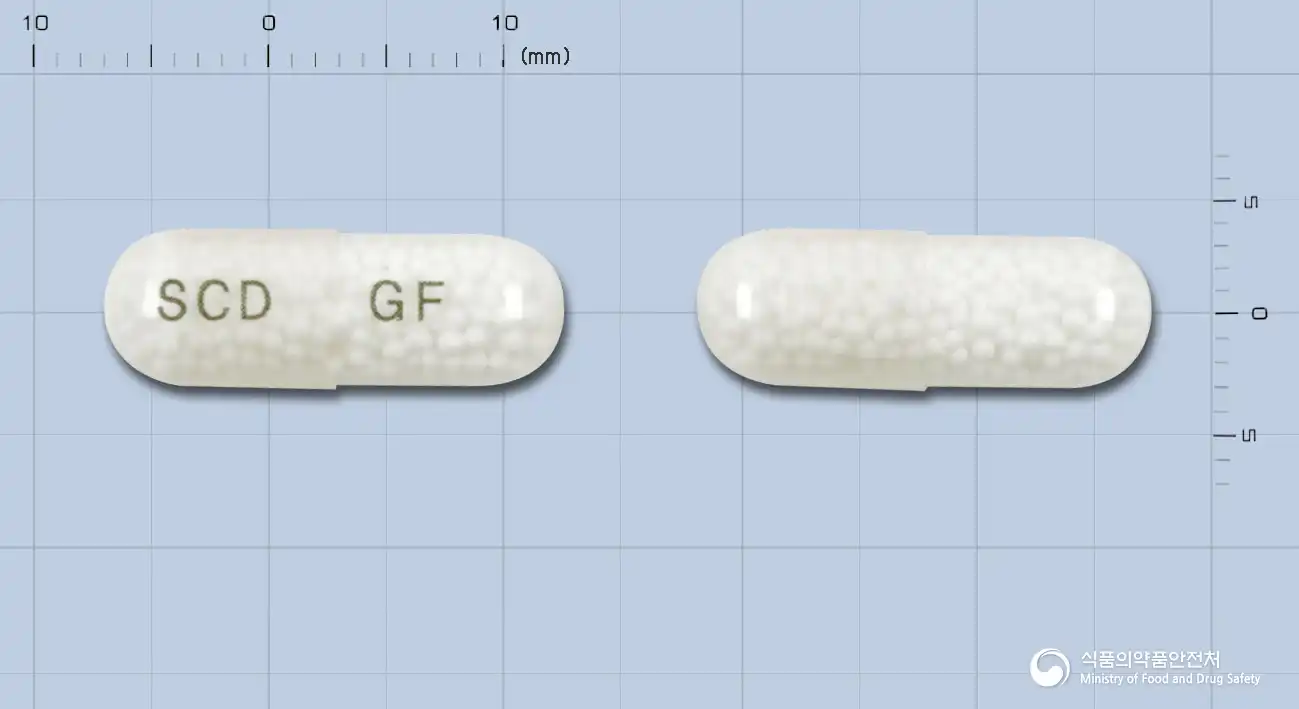
A colorless, transparent capsule filled with uniform round particles that are white or pale yellow.
Package unit
30 capsules/bottle, 300 capsules/bottle
Questions about this medicine
No questions yet.
For anything that needs medical judgment, consult a doctor or pharmacist.