한국어
 English
 日本語
 中文(简体)
 Viewing now
Neprojeong (Calcium Acetate)
Calcium Acetate 710mg
Tablet · Prescription medication
AlboGen Korea Co., Ltd.
MFDS item code 199801011 · Notified 1998.11.30 · Insurance code 652600510
Treatment of hyperphosphatemia in patients with end-stage renal disease
Hyperphosphatemia in patients with end-stage renal disease means that phosphate levels in the blood become abnormally high. This condition occurs particularly when the kidneys are unable to excrete phosphate normally and can affect bone and vascular health. Therefore, effectively managing hyperphosphatemia is crucial for maintaining the health of patients with end-stage renal disease. Medications used for these symptoms help regulate phosphate levels, prevent complications, and improve quality of life. This medication is used for the treatment of hyperphosphatemia in patients with end-stage renal disease.
1) Initial dose: Take 2 tablets orally with each meal. 2) Maintenance dose: Gradually increase the dose until the serum phosphate concentration is 6mg/dl or lower, without causing hypercalcemia. Usually, take 3-4 tablets orally with meals.
This medication should not be used in patients with hypercalcemia. When taken, it may increase the calcium levels in the blood; in mild cases, there may be no symptoms, or symptoms such as constipation, loss of appetite, nausea, and vomiting may appear. In severe cases, serious symptoms such as confusion, sensory loss, and coma may occur, so caution is necessary. When starting treatment, it is important to establish an appropriate dose and adjust as needed, as overdose can increase the risk of hypercalcemia. Therefore, measuring blood calcium levels twice a week in the early stages of treatment is essential. Moreover, this medication may worsen cardiac arrhythmias, so it should not be administered to patients taking digitalis preparations. Regular monitoring of blood phosphate levels is also important, and the use of non-prescribed antacids is best avoided. This medication may reduce the effectiveness of tetracycline antibiotics, so caution is required when taken together. The effects of this medication on the fetus are not clearly established during pregnancy; it should only be used when the benefit outweighs the risk, and safety and efficacy have not been established in children. Finally, patients should be adequately informed to recognize the symptoms of hypercalcemia and take the necessary precautions.
Not everyone experiences these, and they can vary from person to person.
Keep this medication in a tightly closed container to protect it from air and moisture. Additionally, store the medication away from direct sunlight at room temperature, avoiding extreme hot or cold temperatures.
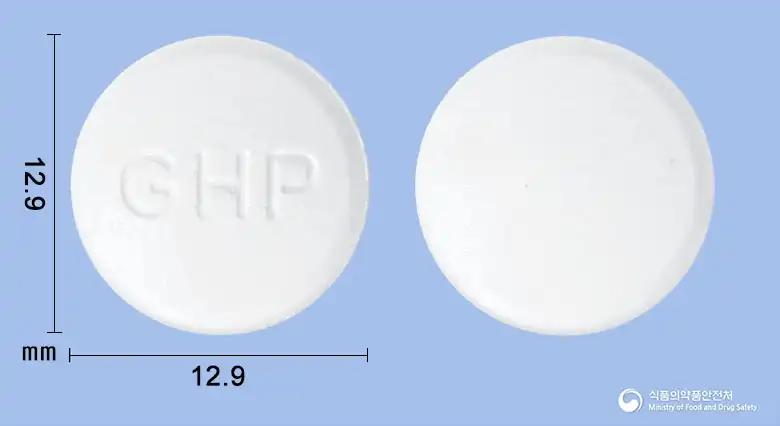
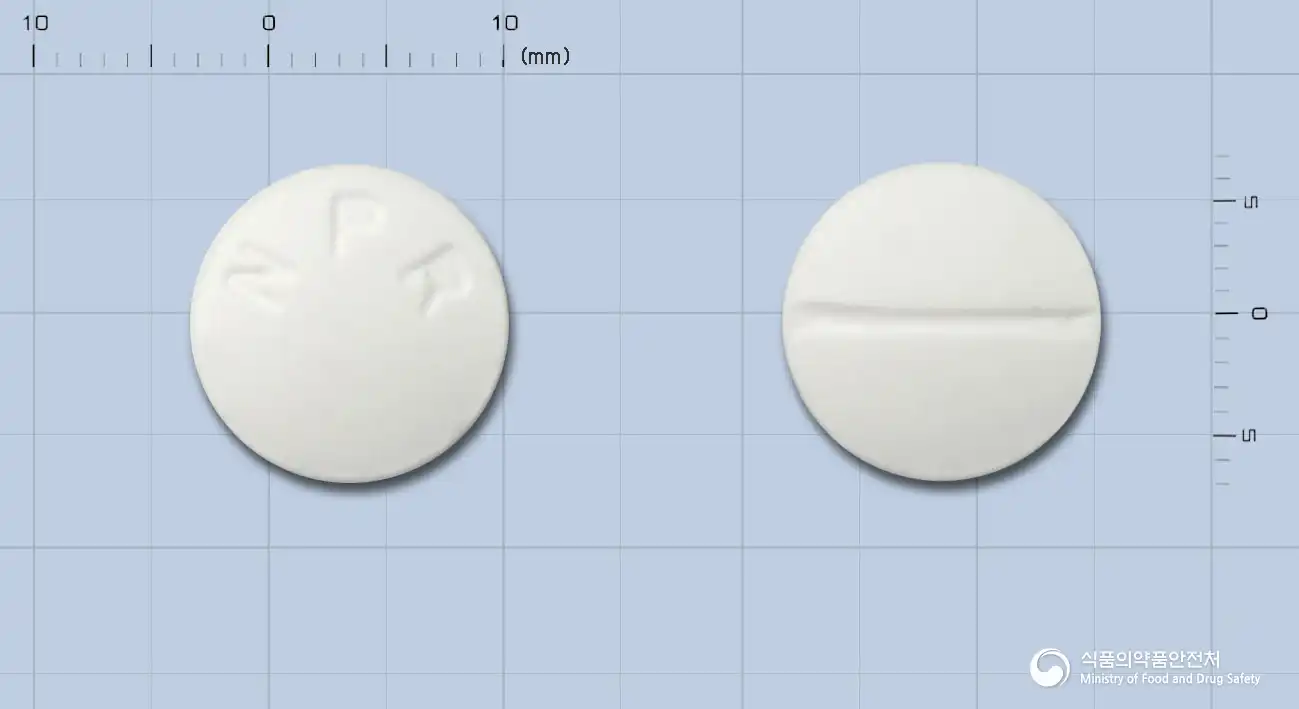
White, round tablets with a score line
30 tablets/bottle, 300 tablets/bottle
Even with the same ingredient, strength, dosage form and how it is taken can differ.
Even with the same ingredient, the dose and directions can differ by strength and dosage form. Talk to a doctor or pharmacist before switching from a medication you are already taking.
No questions yet.
For anything that needs medical judgment, consult a doctor or pharmacist.
This drug information is based on data provided by the Korea Ministry of Food and Drug Safety.
Consult a doctor or pharmacist for accurate dosage, administration, and usage instructions.