
 한국어
 English
 日本語
 中文(简体)
 Viewing now
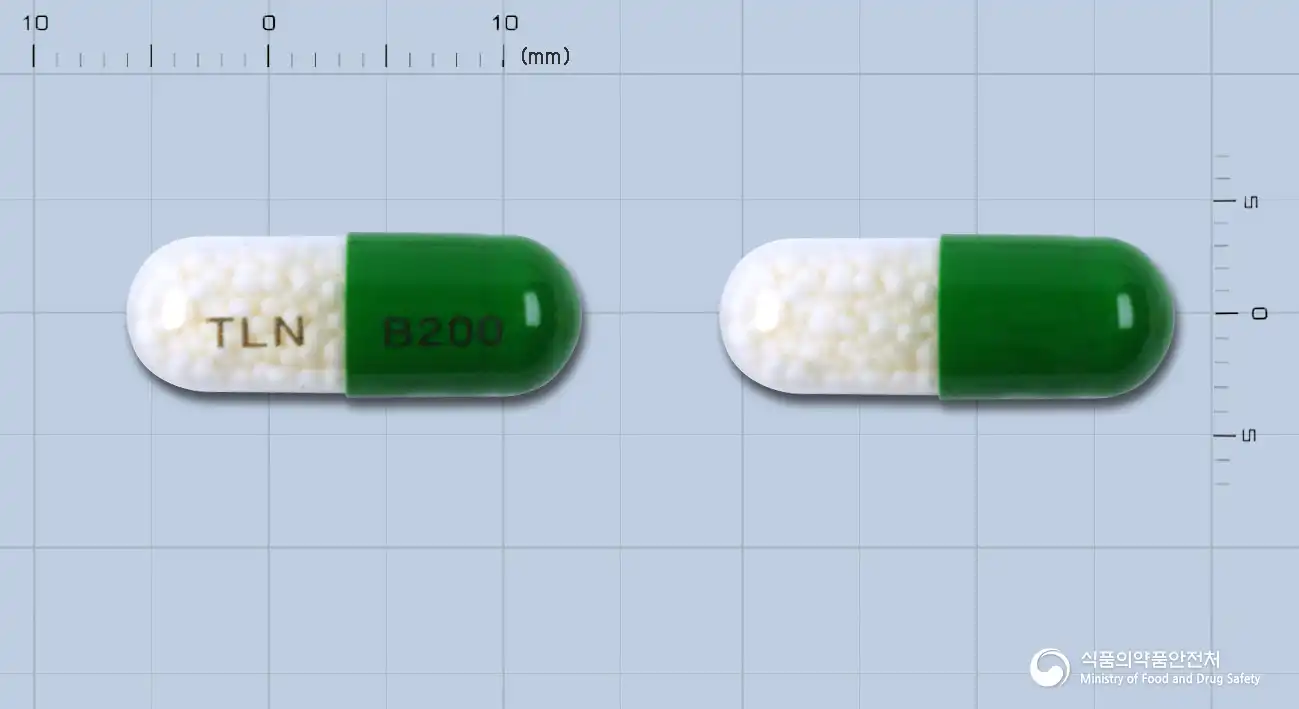
Theolan Biseopang Capsule 200 mg (Theophylline)
Theophylline Polymeric Shelled Complex 274.1mg
Hard capsule · Prescription medication
AlbaGen Korea Co., Ltd.
MFDS item code 199800976 · Approved 1998.08.05 · Insurance code 652601370
Relief of dyspnea associated with obstructive airway disorders (bronchial asthma, chronic bronchitis, etc.)
This medication is used to relieve various symptoms resulting from obstructive airway diseases such as bronchial asthma, chronic bronchitis, emphysema, and asthmatic bronchitis.
Adults: Administer orally 200mg of theophylline per dose twice daily at 12-hour intervals. Adjust the dose appropriately according to age and symptoms.
This medicine can cause severe side effects such as seizures or cardiac rhythm disturbances if blood concentration rises too high, so caution is necessary. Patients with heart conditions should use this drug with extra care. Patients who are allergic to this medication or have ulcers in the stomach or duodenum should not use it. Patients who have experienced severe side effects from similar medications in the past should also avoid using this drug. Patients with epilepsy, hyperthyroidism, acute nephritis, congestive heart failure, or liver dysfunction, as well as children, the elderly, and those with a history of gastric ulcers should use this medication cautiously. Caution is also needed for patients with hypoxia, hypertension, and certain heart diseases. This medication may cause side effects such as skin rash or itching, headache, anxiety, insomnia, dizziness, palpitations, and dyspepsia. In severe cases, seizures or coma can occur, so any unusual symptoms should be reported to healthcare professionals immediately. As the risk of side effects increases with higher blood levels, regular blood tests to monitor levels are important. Patients with reduced liver or kidney function, elderly individuals, and chronic lung disease patients may have slower elimination of this drug, increasing the risk of toxicity. Since there are many interactions when taken with other medications, it is crucial to inform healthcare professionals of any medications currently being taken, and dosage adjustments may be necessary in some cases. Women who are pregnant or may become pregnant should only use this medication after consulting with a physician, as it may affect the fetus. Nursing women should also use it only when necessary, as it may affect the baby. Caution is needed for children, especially infants under one year of age, as safety and efficacy have not been established. Elderly patients requiring dosage adjustments and regular monitoring due to potential higher drug concentrations from decreased liver function. In case of overdose, serious symptoms such as vomiting, abdominal pain, seizures, and cardiac arrhythmias may occur, requiring immediate emergency treatment. As sustained-release formulations can cause prolonged toxicity symptoms, caution is warranted. It has been reported that this drug may induce mutagenicity, thus careful management is required even with long-term use.
Not everyone experiences these, and they can vary from person to person.
This medication should be stored in a tightly sealed container to prevent air and moisture from entering. It is also advisable to keep it at room temperature, not too hot or too cold.
Hard capsule with a green upper part and a colorless transparent lower part containing white to yellowish sustained-release pellets
30 capsules/bottle, 200 capsules/bottle, 500 capsules/bottle
Even with the same ingredient, strength, dosage form and how it is taken can differ.
Viewing nowTheophylline Polymeric Shelled Complex 274.1mg
Hard capsule · Prescription medication
AlbaGen Korea Co., Ltd.
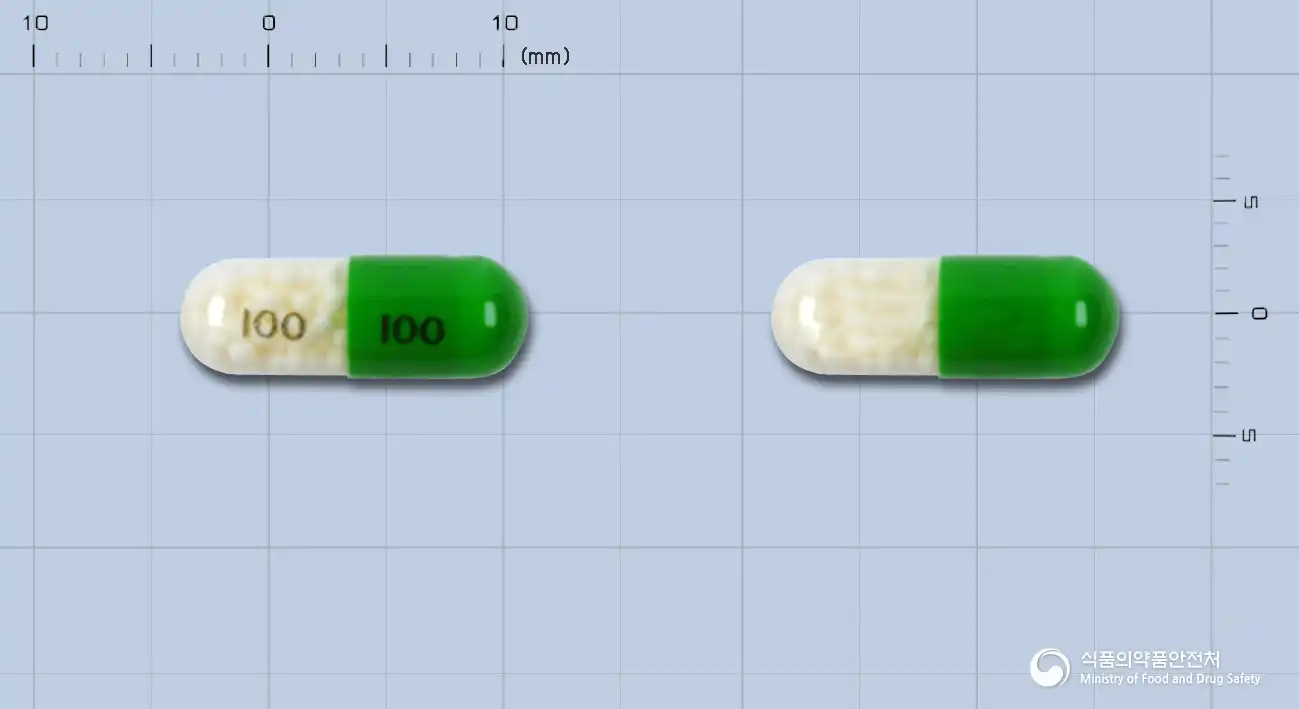
Theophylline Polymeric Shelled Complex 137.05mg
Hard capsule · Prescription medication
Alvogen Korea Co., Ltd.
Even with the same ingredient, the dose and directions can differ by strength and dosage form. Talk to a doctor or pharmacist before switching from a medication you are already taking.
No questions yet.
For anything that needs medical judgment, consult a doctor or pharmacist.
This drug information is based on data provided by the Korea Ministry of Food and Drug Safety.
Consult a doctor or pharmacist for accurate dosage, administration, and usage instructions.