
 한국어
한국어 English
 日本語
日本語 中文(简体)
Dosage form image
Viewing nowKrabit Injection (Levofloxacin)
Levofloxacin 5.1246mg
Prescription medication
Jeil Pharmaceutical Co., Ltd.
MFDS item code 199800676 · Notified 1998.09.30 · Insurance code 645401881,645401891,645402631
Treatment of community-acquired pneumonia, complicated urinary tract infections, etc.
This medication is effective against various bacteria such as Enterococcus, Staphylococcus aureus, and Streptococcus pneumoniae, and is used particularly for treating pneumonia, acute pyelonephritis, and complicated urinary tract infections occurring in the community, as well as complicated skin and soft tissue infections, acute sinusitis, and acute bacterial exacerbation of chronic bronchitis. However, as a fluoroquinolone, there is a risk of serious side effects; thus, its use is recommended only when there are no alternative treatment options for acute sinusitis, chronic bronchitis, and complicated skin and soft tissue infections. This medication is effective for treating various infections and helps improve patient symptoms.
Administer by slow intravenous infusion 1 to 2 times a day. Dosage is determined based on the type and severity of infection and the susceptibility of the causative organism, generally transitioning to oral medication after several days of intravenous administration based on the patient's condition. The dosage can be the same as intravenous administration. The administration method includes infusion 1 to 2 times a day for a maximum of 14 days, with a minimum infusion time of 60 minutes. Dosage examples are as follows:
This medication may cause tendon-related conditions such as tendonitis and tendon rupture; thus, if any pain or inflammation in tendons occurs, its use should be stopped immediately. Peripheral neuropathy and central nervous system adverse symptoms may also occur; if such symptoms arise, prompt treatment is needed. Patients with myasthenia gravis should not use this medication, as it can worsen symptoms. The infusion rate must be adhered to during intravenous administration; if blood pressure drops sharply during the infusion, the infusion should be stopped immediately. Elderly patients or those with reduced kidney function, as well as those using corticosteroids concomitantly, are at higher risk of tendon rupture, requiring caution. This medication can increase the risk of seizures in patients with a history of epilepsy or seizures and should be used with caution. It is considered safe not to use this medication in pregnant or breastfeeding women and adolescents under 18. During administration, skin rash, breathing difficulties, or severe allergic reactions may occur; if any unusual symptoms arise, it should be stopped immediately and consultation with a medical professional sought. Dizziness, drowsiness, or visual disturbances may occur during administration, so caution is needed when driving or operating machinery. Diabetic patients requiring blood sugar control should monitor their blood sugar levels closely during the intake of this medication. This medication may interact with other drugs; therefore, patients should notify their healthcare professional, especially if they are taking anticoagulants, certain anti-inflammatory drugs, or diabetes medications. In cases of overdose, central nervous system symptoms and cardiac abnormalities may occur, so the prescribed dosage must be strictly adhered to, and immediate medical help should be sought in case of side effects. This medication may cause sensitivity reactions to sunlight or artificial ultraviolet light; therefore, patients should avoid strong sunlight exposure during administration and stop immediately if skin abnormalities occur. It should be stored in a sealed container to prevent exposure to air and light and kept at room temperature, avoiding direct sunlight.
Hives, severe swelling (angioedema), chest tightness, difficulty breathing, cold sweat, pallor, severe allergic reactions, severe skin adverse reactions (toxic epidermal necrolysis, Stevens-Johnson syndrome, DRESS), respiratory issues (bronchospasm, acute respiratory distress, dyspnea), liver abnormalities (jaundice, hepatitis, acute renal failure), severe neurological symptoms (seizures, loss of consciousness, confusion, convulsions, tremors, increased intracranial pressure, epilepsy), severe
Itching, rash, nausea, diarrhea, loss of appetite, vomiting, abdominal pain, indigestion, abdominal bloating, constipation, headache, dizziness, drowsiness, insomnia, neuroticism, sensory abnormalities, tremors, anxiety, agitation, confusion, perception impairment, visual and auditory disturbances, taste and smell disorders, hallucinations, mania, tachycardia, hypotension, arthralgia, myalgia, bloody stools, syndrome of inappropriate antidiuretic hormone secretion, hypoglycemia, elevated serum creatinine, liver enzyme levels (AST/AL)
Not everyone experiences these, and they can vary from person to person.
This medication should be stored in a sealed container, preventing exposure to air and light. It should be kept at room temperature, avoiding direct sunlight.
A clear yellowish-green solution contained in a vial for injection.
50mL/vial x 1 vial, 100mL/vial x 1 vial, 150mL/vial x 1 vial
Even with the same ingredient, strength, dosage form and how it is taken can differ.
Levofloxacin 5.1246mg
Prescription medication
Jeil Pharmaceutical Co., Ltd.
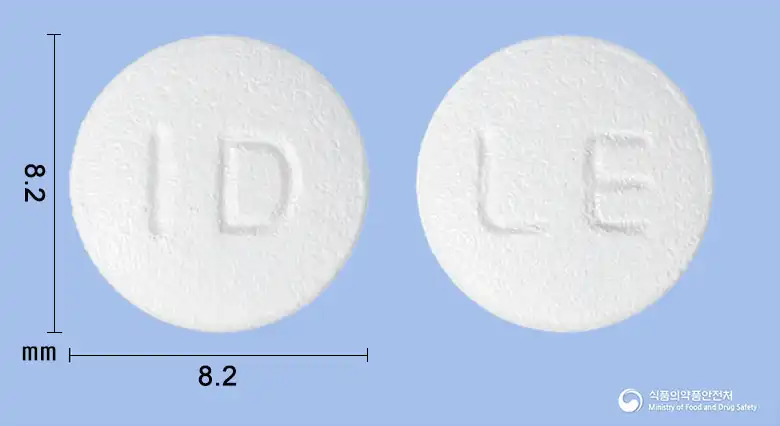
Levofloxacin Hydrate 100mg
Tablet · Prescription medication
Ildong Pharmaceutical Co., Ltd.

Levofloxacin 100mg
Tablet · Prescription medication
Jeil Pharmaceutical Co., Ltd.
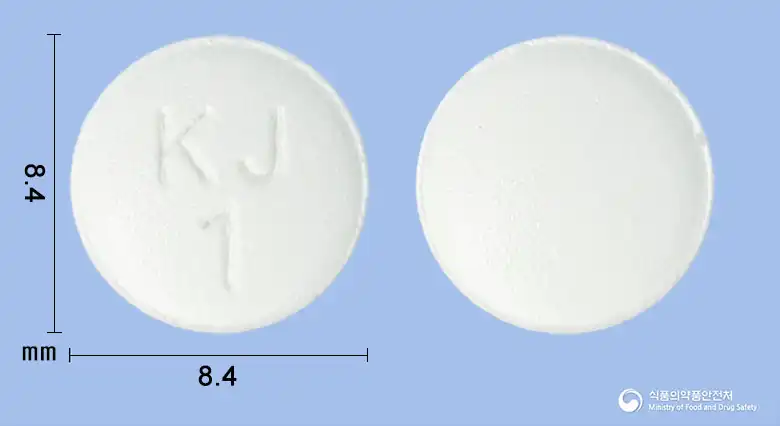
Levofloxacin Hydrate 100mg
Tablet · Prescription medication
International Pharmaceuticals Co., Ltd.
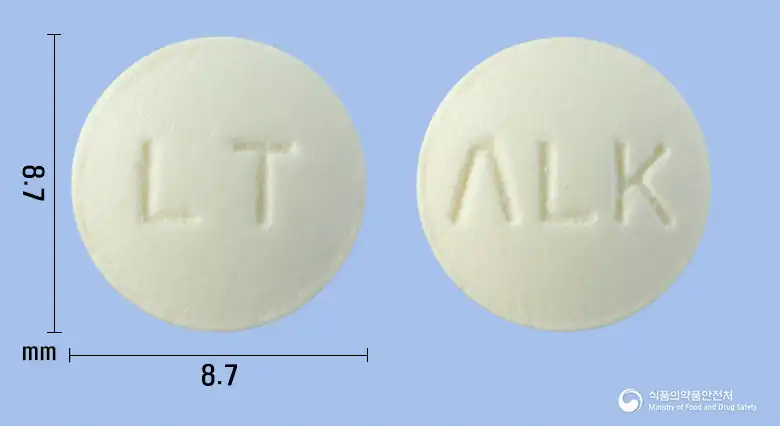
Levofloxacin Hydrate 100mg
Tablet · Prescription medication
SS Pharm Co., Ltd.
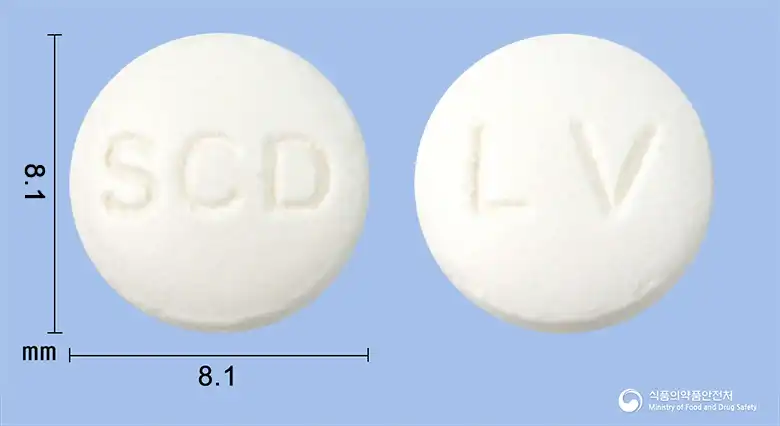
Levofloxacin Hydrate 102.49mg
Tablet · Prescription medication
Samchundang Pharmaceutical Co., Ltd.
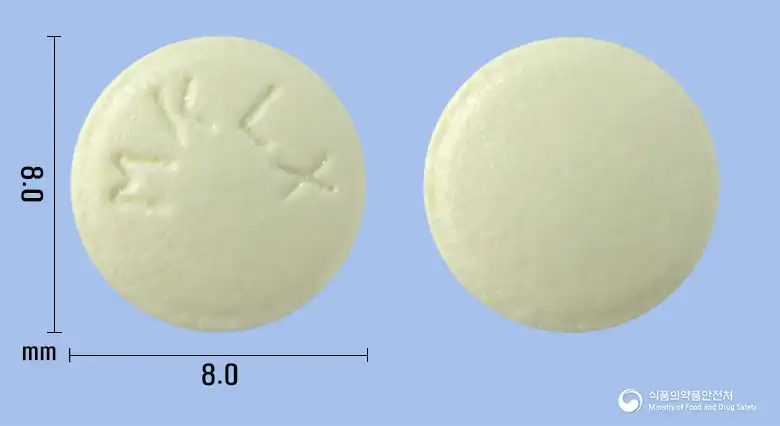
Levofloxacin Hydrate 100mg
Tablet · Prescription medication
Medica Korea Co., Ltd.

Levofloxacin Hydrate 102.49mg
Tablet · Prescription medication
Korea Pharma Co., Ltd.
Even with the same ingredient, the dose and directions can differ by strength and dosage form. Talk to a doctor or pharmacist before switching from a medication you are already taking.
No questions yet.
For anything that needs medical judgment, consult a doctor or pharmacist.
This drug information is based on data provided by the Korea Ministry of Food and Drug Safety.
Consult a doctor or pharmacist for accurate dosage, administration, and usage instructions.