
 한국어
한국어 English
 日本語
日本語 中文(简体)
Dosage form image
Viewing nowVancomycin Injection 1g (Vancomycin hydrochloride)
Vancomycin Hydrochloride 1g
Injections · Prescription medication
Aprogen Biosciences, Co., Ltd.
MFDS item code 199800357 · Notified 1998.02.16 · Insurance code 645205111
Treatment of enterocolitis and pseudomembranous colitis due to Staphylococcus and Clostridium difficile infections
The capsules are used to treat enterocolitis caused by Staphylococcus and antibiotic-associated pseudomembranous colitis due to Clostridium difficile. The injection is used to treat endocarditis, osteomyelitis, arthritis, peritonitis, meningitis, and superficial secondary infections occurring from burns or surgical wounds caused by various bacteria such as streptococci, staphylococci, Clostridium difficile, and diphtheroids. It is also effective for severe infections like pneumonia, sepsis, and lung abscess, as well as infections that do not respond to penicillins and cephalosporins. Additionally, it is used to treat enterocolitis and antibiotic-associated pseudomembranous colitis. This medication effectively treats various severe infections, aiding in patient recovery.
(Capsule) Administer 500mg (potency) divided into doses for 7-10 days. In the case of severe infections, a total daily dose of 2g (potency) can be divided into 3-4 doses, not exceeding 2g. (Injection) Administer 500mg (potency) every 6 hours or 1g (potency) every 12 hours via intravenous drip. (Oral administration, treatment of enterocolitis and pseudomembranous colitis) 500-200
(Capsule) Administer 40mg/kg (potency) divided into 3-4 doses daily for 7-10 days, with the total daily dose not exceeding 2g. Adjust according to age and symptoms. (Injection
This medication should not be used in patients who have had an allergic reaction to this drug or its components. Caution should be exercised in patients who have had hypersensitivity reactions to peptide antibiotics or aminoglycosides, those with hearing damage or hearing impairment, those with poor kidney function, the elderly, and those with damage to the vestibular system and cochlea. During the use of this drug, symptoms such as hypotension, dizziness, tinnitus, and sweating may appear, so treatment should be stopped immediately and appropriate care sought if any abnormal symptoms occur. This drug may cause side effects such as decreased white blood cell count, decreased platelet count, hearing loss, and decreased kidney function, hence regular blood tests and monitoring of kidney and hearing functions are necessary. Long-term use may lead to the development of resistant bacteria, so it's important to check the susceptibility of the infecting bacteria and use the drug for the minimum necessary duration. Particularly in patients with impaired renal function or the elderly, the elimination of this drug may be delayed, leading to accumulation in the body, hence dose adjustment and monitoring of renal function are essential. The risk of side effects may increase when this drug is used concomitantly with other neurotoxic or nephrotoxic medications, so all concurrent medications must be reported. Women who are pregnant or breastfeeding should use this drug cautiously under medical supervision, as it may affect the fetus or neonate, and it is advisable to avoid use during breastfeeding or to discontinue breastfeeding during treatment. In cases of overdose, decreased kidney function and hearing damage may occur, so immediate appropriate treatment should be sought at a hospital, as this drug is not easily removed by standard dialysis and special treatment may be required. When used as an injection, this drug must be administered intravenously, and if injected too quickly, it may cause hypotension or cardiac issues; thus, it should be injected slowly. This drug may cause serious skin reactions or severe side effects such as pseudomembranous colitis; if symptoms such as skin rash, severe diarrhea, abdominal pain, or fever occur, immediate consultation with medical personnel is required. Regular blood tests, liver function tests, kidney function tests, and hearing tests are essential while using this drug to monitor the occurrence of side effects.
Hives, severe swelling, chest tightness, breathing difficulties, cold sweat, pallor, hypotension, severe shock, severe allergic reactions, serious skin reactions (Stevens-Johnson syndrome, toxic epidermal necrolysis, DRESS, LABD, TEN), rash, blisters, skin peeling, pain in mouth/eye mucosa, respiratory distress, wheezing, jaundice, liver abnormalities (including jaundice), severe neurological symptoms (acute generalized exanthematous pustulosis, eighth cranial nerve dysfunction)
Not everyone experiences these, and they can vary from person to person.
This drug should be stored in a sealed container to prevent air or moisture exposure. It is best kept at room temperature between 1 and 30 degrees Celsius to maintain its effectiveness.
A white to light yellowish-brown freeze-dried powder in a colorless transparent vial for injection
10 vials
Even with the same ingredient, strength, dosage form and how it is taken can differ.
Vancomycin Hydrochloride 1g
Injections · Prescription medication
Aprogen Biosciences, Co., Ltd.
Vancomycin Hydrochloride 500mg
Injections · Prescription medication
HK Innoen Co., Ltd.
Vancomycin Hydrochloride 500mg
Injections · Prescription medication
Aprogen Pharmaceuticals Co., Ltd.
Vancomycin Hydrochloride 500mg
Injections · Prescription medication
Yuyoung Pharmaceutical Co., Ltd.
Vancomycin Hydrochloride 500mg
Injections · Prescription medication
Oskorea Pharmaceutical Co., Ltd.
Vancomycin Hydrochloride
Prescription medication
International Pharmaceutical Co., Ltd.
Vancomycin Hydrochloride 1g
Injections · Prescription medication
HK Innoen Co., Ltd.
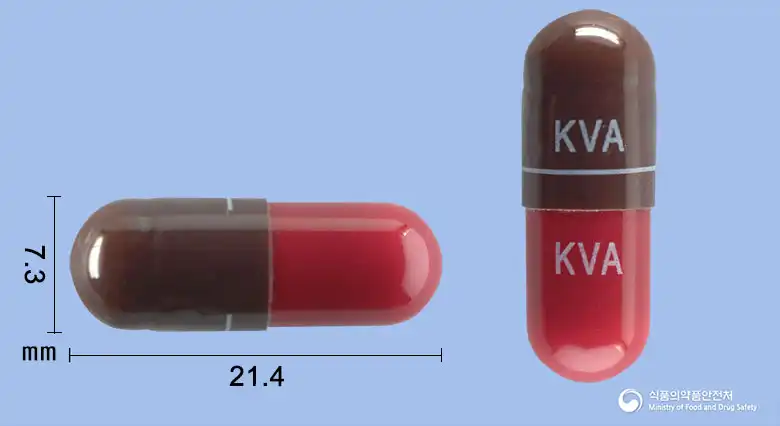
Vancomycin Hydrochloride 250mg
Hard capsule · Prescription medication
Korea United Pharm., Ltd.
Even with the same ingredient, the dose and directions can differ by strength and dosage form. Talk to a doctor or pharmacist before switching from a medication you are already taking.
No questions yet.
For anything that needs medical judgment, consult a doctor or pharmacist.
This drug information is based on data provided by the Korea Ministry of Food and Drug Safety.
Consult a doctor or pharmacist for accurate dosage, administration, and usage instructions.