
 한국어
 English
 日本語
 中文(简体)
 Viewing now
MSR Sustained-Release Tablets 10 mg (Morphine Sulfate Hydrate)
Morphine Sulfate Hydrate 10mg
Tablet · Prescription medication
Hana Pharmaceutical Co., Ltd.
MFDS item code 199704618 · Approved 1997.02.04 · Insurance code 657801450
Relief of severe chronic pain
This medication is used to effectively relieve severe chronic pain.
(Extended-release tablets) Take this drug twice daily at 12-hour intervals, swallowing it whole without chewing. The dose is determined according to the severity of pain and the patient's previous analgesic requirements. If the patient reports severe pain, treatment is usually started with 10∼20 mg of this drug per dose, twice daily. If the pain worsens or tolerance to morphine increases, the morphine dose should be increased further. When switching to this drug from another oral morphine preparation, the total daily morphine dose should be equivalent to the previous daily dose, divided in half and given in the morning and evening. When this drug is given in place of an injectable morphine preparation previously administered to the patient, increase the morphine dose sufficiently (by approximately 50∼100 %) to compensate for the reduced analgesic effect of morphine following oral administration, and adjust the dose for each individual patient. As this drug is an extended-release formulation, take care regarding the prolonged duration of action and total dose of morphine associated with it, and administer supplemental injectable morphine if necessary. As with other oral morphine preparations, use with caution in patients with acute abdominal conditions and after abdominal surgery.
This medication affects the central nervous system; hence, taking it with alcohol or benzodiazepines can result in severe drowsiness, respiratory failure, coma, or even death. Therefore, it should be used cautiously only when no other alternative treatments are available. This medication should not be administered to certain patients, such as those allergic to it, those with severe respiratory distress, patients experiencing asthma attacks, patients in severe central nervous system depression, those with heart disease or arrhythmia, patients with elevated intracranial pressure, patients acutely intoxicated with alcohol, those having seizures, patients immediately after surgery, children, pregnant or breastfeeding women, etc. Additionally, patients with genetic metabolic disorders such as lactose intolerance should also not receive this medication. Patients with heart disease or respiratory distress, impaired liver or kidney function, those in hypotensive or shock states, patients with metabolic acidosis, those with hypothyroidism, adrenal insufficiency, those with a history of drug dependence or alcohol addiction, geriatrics, patients with prostatic hyperplasia, and those with a history of seizures should use this medication with heightened caution. Long-term use of this medication may lead to tolerance and dependence, and sudden cessation can result in withdrawal symptoms. Therefore, it is safer to gradually reduce the dosage when discontinuing the medication. Drowsiness or dizziness may occur during treatment; therefore, it is advised to avoid driving or operating hazardous machinery while taking this medication. This medication can cause serious side effects such as severe respiratory depression, hypotension, liver dysfunction, and skin rash. If symptoms arise, immediate consultation with medical personnel is necessary. This medication may also interact with other central nervous system depressants, certain anticoagulants, and anticholinergics, so it is essential to inform your doctor or pharmacist if you are taking other medications. Women who are pregnant or may become pregnant, as well as breastfeeding women, should not use this medication. Newborns of mothers who regularly took narcotics before childbirth may show signs of narcotic dependence and withdrawal symptoms, so caution is needed. Geriatric patients have decreased bodily functions, thus increasing the risk of respiratory depression. When using this medication, it should begin at a low dose, with close monitoring of the patient's condition. In case of overdose, severe symptoms such as respiratory depression, decreased consciousness, and hypotension may occur; therefore, immediate emergency treatment should be sought, and narcotic antagonists may be administered if necessary. Finally, since this medication is a sustained-release formulation, the tablet should be swallowed whole without breaking or chewing, as doing otherwise may cause rapid release of the drug and serious side effects.
yawning, sneezing, tearing, sweating, nausea, vomiting, diarrhea, abdominal pain, pupil dilation, headache, insomnia, anxiety, hallucination, convulsions, trembling, pain in muscles and joints throughout the body, respiratory distress, palpitations, dyspnea, bradypnea, irregular breathing, apnea, confusion, forgetfulness, hypotension, shock, atelectasis, bronchospasm, laryngeal edema, liver dysfunction, rash, itching, urticaria, edema, anaphylactic reaction, blood pressure changes, arrhythmia, facial flushing, hypotension, fainting, ventricular tachycardia, sedation, drowsiness, altered consciousness, sweating, dizziness, visual accommodation disorder, excitability, weakness, confusion, involuntary muscle contraction, abnormal thinking, malaise, euphoria, hallucinations, lethargy, mood changes, sensory abnormalities, muscle movement incoordination, seizures, dysentery, hyperalgesia, hyperhidrosis, constipation, loss of appetite, biliary colic, thirst, dyspepsia, bowel obstruction, taste disturbance, dry mouth, pancreatitis, sphincter of Oddi spasm, urinary retention, amenorrhea, reduced libido, erectile dysfunction, antidiuretic effect, acute generalized exanthematous pustulosis, central sleep apnea syndrome, peripheral edema, pulmonary edema, miosis, unconsciousness, coma, skeletal muscle relaxation, cool skin, bradycardia, hypotension, apnea, circulatory collapse, cardiac arrest
Not everyone experiences these, and they can vary from person to person.
Store this medication in a tightly sealed container to prevent exposure to air, and it is best stored at room temperature. Avoid excessively hot or cold places, and place it in a cool location away from direct sunlight.
Light yellow, round, double convex sustained-release tablets
100 tablets (10 tablets/PTP x 10)
Even with the same ingredient, strength, dosage form and how it is taken can differ.
Viewing nowMorphine Sulfate Hydrate 10mg
Tablet · Prescription medication
Hana Pharmaceutical Co., Ltd.
Morphine Sulfate Hydrate 1mg
Injections · Prescription medication
Myungmoon Pharmaceutical Co., Ltd.
Morphine Sulfate Hydrate
Prescription medication
Hana Pharmaceutical Co., Ltd.
Morphine Sulfate Hydrate 1mg
Injections · Prescription medication
Hana Pharmaceutical Co., Ltd.
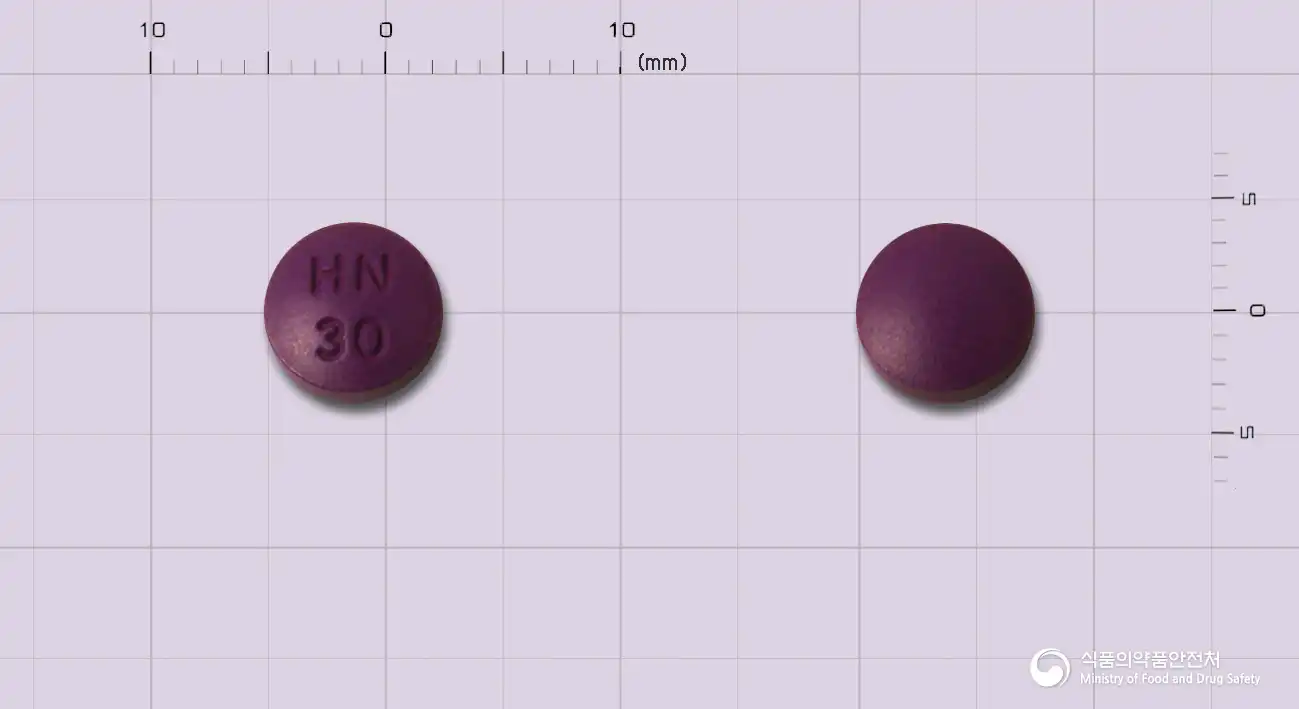
Morphine Sulfate Hydrate 30mg
Tablet · Prescription medication
Hana Pharmaceutical Co., Ltd.
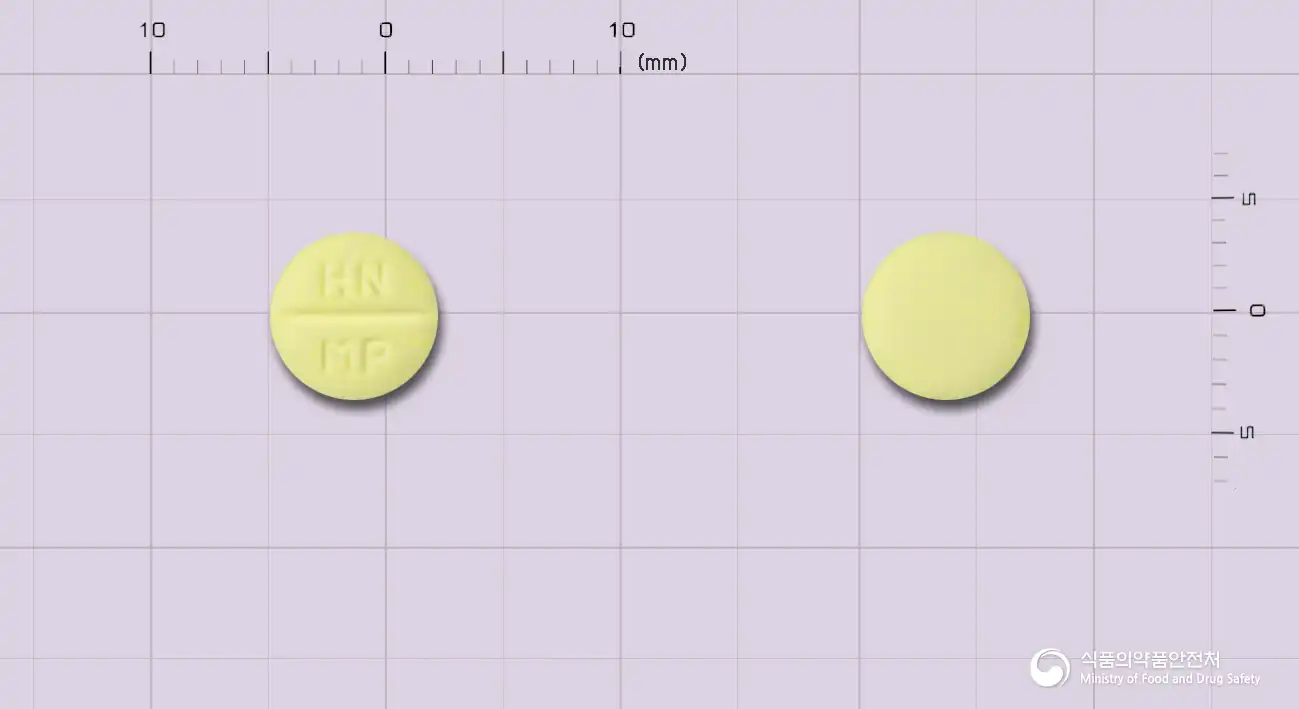
Morphine Sulfate Hydrate 15mg
Tablet · Prescription medication
Hana Pharmaceutical Co., Ltd.
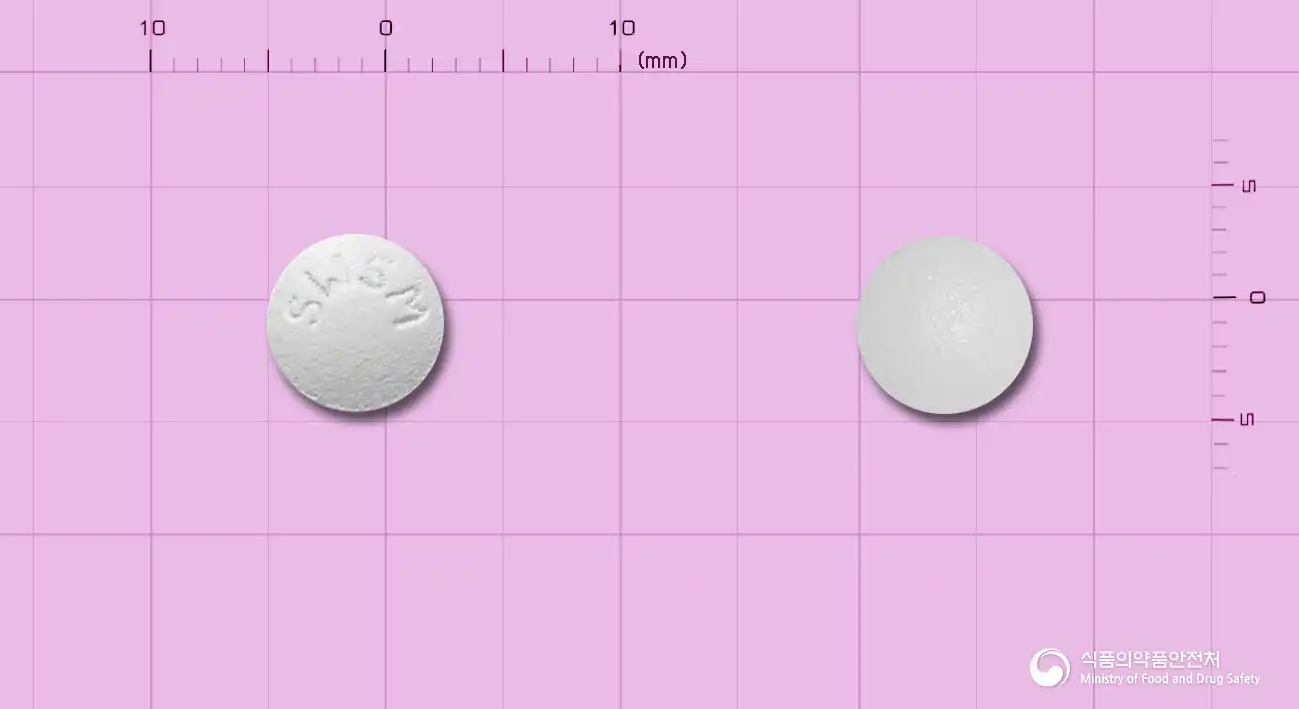
Morphine Sulfate Hydrate 15mg
Tablet · Prescription medication
Sungwon Adcock Pharmaceutical Co., Ltd.
Morphine Sulfate Hydrate 20mg
Injections · Prescription medication
(Ltd.) BC World Pharmaceutical
Even with the same ingredient, the dose and directions can differ by strength and dosage form. Talk to a doctor or pharmacist before switching from a medication you are already taking.
No questions yet.
For anything that needs medical judgment, consult a doctor or pharmacist.
This drug information is based on data provided by the Korea Ministry of Food and Drug Safety.
Consult a doctor or pharmacist for accurate dosage, administration, and usage instructions.