
 한국어
 English
 日本語
 中文(简体)
Dosage form image
Viewing nowTongkipai A Tablets (Naproxen Sodium)
Naproxen Sodium 275mg
OTC medication
Korea Prime Pharmaceutical Co., Ltd.
MFDS item code 199703566 · Notified 1997.06.03
This product's status changed to Approval withdrawn on 2024.02.02. It may no longer be sold, so consult a doctor or pharmacist before taking it.
Relief of pain (such as migraine and postoperative pain), menstrual pain, and musculoskeletal disorders
This medication is effective in the treatment of degenerative joint diseases such as rheumatoid arthritis and osteoarthritis. It is also used to relieve symptoms of ankylosing spondylitis, tendinitis, acute gout, and dysmenorrhea. Additionally, it aids in conditions such as bursitis, sprains or bruises due to skeletal muscle disorders, trauma, low back pain, postoperative pain, migraines, and pain after tooth extraction. It is utilized for the relief of various musculoskeletal diseases and pain, improving the symptoms of patients.
1. Rheumatoid arthritis, osteoarthritis, ankylosing spondylitis Adults: Administer naproxen sodium 275 ~ 550 mg (1 ~ 2 tablets) orally twice daily (every 12 hours). 2. Acute gout Adults: Administer an initial dose of naproxen sodium 825 mg (3 tablets) orally, then administer 275 mg (1 tablet) orally every 8 hours until the attack subsides. 3. Musculoskeletal disorders, postoperative pain, pain after tooth extraction, dysmenorrhea, tendinitis, bursitis Adults: Administer an initial dose of naproxen sodium 550 mg (2 tablets) orally, followed by 275 mg (1 tablet) every 6 ~ 8 hours. Do not exceed a total daily dose of 1,350 mg. 4. Migraine Adults: Administer an initial dose of naproxen sodium 825 mg (3 tablets) orally. If necessary, an additional 275 ~ 550 mg (1 ~ 2 tablets) may be administered in a day, 30 minutes after the initial dose. Do not exceed a total daily dose of 1,350 mg. Adjust the dose as appropriate according to age and symptoms.
This medication may cause gastrointestinal bleeding in individuals who regularly consume more than three alcoholic beverages a day, so it is essential to consult a doctor or pharmacist. Being a non-steroidal anti-inflammatory drug, it may increase the risk of cardiovascular diseases; therefore, those with heart diseases or risk factors need to observe symptoms closely. It can lead to severe gastrointestinal issues such as gastrointestinal bleeding, ulcers, and perforation, so extra caution is required in elderly patients or those with a history of gastrointestinal problems. Patients with peptic ulcers, severe blood disorders, liver disorders, heart failure, kidney disorders, hypertension, or allergies to this medication's components should not use it. Patients who have previously shown sensitivities to non-steroidal anti-inflammatory drugs, such as asthma, rhinitis, or urticaria, should also refrain from using this medication. While taking this medication, if symptoms of gastrointestinal bleeding, cardiovascular symptoms, or allergic reactions appear, immediate consultation with healthcare professionals is necessary. Long-term use requires regular blood tests, liver function tests, and kidney function tests, and if abnormal symptoms occur, the medication may be discontinued. This medication may be harmful to the fetus in late pregnancy; therefore, women who are pregnant or may become pregnant should consult a doctor before use. Nursing mothers are advised not to take this medication as it may pass into breast milk and affect the baby. Children under 2 years of age should not use this medication as safety has not been established, and elderly patients should start with a small dose and closely monitor for adverse reactions. Taking this medication with other non-steroidal anti-inflammatory drugs or specific medications may increase the risk of side effects, so consultation with a professional is necessary before use. Overdose may result in symptoms such as drowsiness, indigestion, and vomiting, so if these symptoms occur, immediate medical attention is required. Store this medication in a tightly sealed container away from children's reach and do not transfer it to other containers.
Not everyone experiences these, and they can vary from person to person.
This medication should be stored in a tightly sealed container to avoid exposure to air and moisture, at room temperature between 1 and 30 degrees Celsius. Storing it this way helps maintain the medication's efficacy and safety.
Blue oval film-coated tablets
PTP packaging - 10 tablets/PTP
Even with the same ingredient, strength, dosage form and how it is taken can differ.
Naproxen Sodium 275mg
OTC medication
Korea Prime Pharmaceutical Co., Ltd.

Naproxen Sodium 275mg
Tablet · OTC medication
Jongkundang Co., Ltd.

Naproxen Sodium 275mg
Tablet · OTC medication
Hanin Pharmaceutical Co., Ltd.

Naproxen Sodium 275mg
Tablet · OTC medication
GL Pharma Co., Ltd.

Naproxen Sodium 275mg
Tablet · OTC medication
Myeongin Pharmaceutical Co., Ltd.

Naproxen Sodium 275mg
Tablet · OTC medication
Korea Pharmaceutical Co., Ltd.
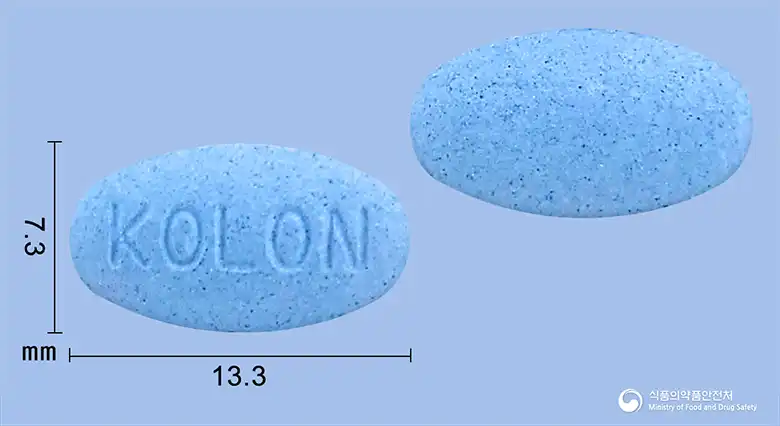
Naproxen Sodium 275mg
Tablet · OTC medication
Kolon Pharmaceutical Co., Ltd.
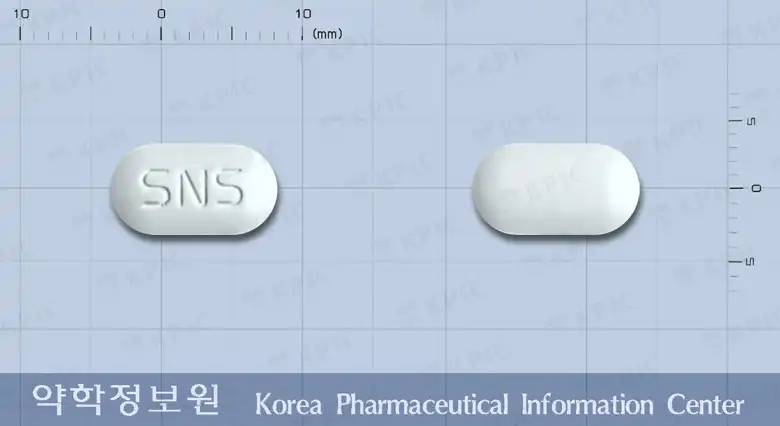
Naproxen Sodium 275mg
Tablet · OTC medication
Youngpoong Pharmaceutical Co., Ltd.
Even with the same ingredient, the dose and directions can differ by strength and dosage form. Talk to a doctor or pharmacist before switching from a medication you are already taking.
No questions yet.
For anything that needs medical judgment, consult a doctor or pharmacist.
This drug information is based on data provided by the Korea Ministry of Food and Drug Safety.
Consult a doctor or pharmacist for accurate dosage, administration, and usage instructions.