
 한국어
 English
 日本語
 中文(简体)
 Viewing now
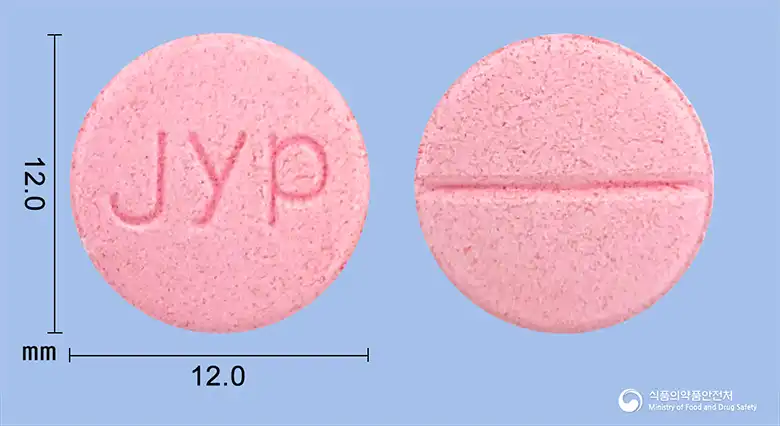
Jinyang Acyclovir Tablet 400mg (Acyclovir)
Acyclovir 400mg
Tablet · Prescription medication
Jinyang Pharmaceutical Co., Ltd.
MFDS item code 199701432 · Notified 1997.05.22 · Insurance code 650301270
Treatment of herpes zoster and herpes simplex; treatment of chickenpox in children aged 2 years and older
This medication is used to treat and prevent herpes simplex virus infections affecting skin and mucosal tissues, including primary and recurrent genital herpes. It also aids in the treatment of shingles virus infections, particularly effective in alleviating acute pain. However, its effectiveness against post-herpetic neuralgia has not yet been confirmed. This medication is also used to treat chickenpox in children over 2 years of age. Overall, it helps treat viral infections, alleviates symptoms, and assists in recovery.
○ Adults 1. Treatment of herpes simplex virus infections 1) Administer acyclovir 200 mg per dose 5 times daily at 4-hour intervals for 5 days. Treatment may be extended for severe primary infections. 2) In patients with severe immunodeficiency (e.g., after bone marrow transplantation) or impaired gastrointestinal absorption, the dose per administration may be increased to 400 mg or the route of administration may be changed to intravenous injection. 3) It is best to start treatment as soon as possible after infection; for recurrent infections, administration at the first sign of prodromal symptoms or lesions is advisable. 2. Prevention of herpes simplex infections in patients with normal immune function 1) Administer 200 mg per dose 4 times daily at approximately 6-hour intervals. Alternatively, 400 mg per dose may be administered twice daily at 12-hour intervals. 2) Thereafter, the dose may be reduced to 200 mg per dose 2 ~ 3 times daily after confirming its effectiveness. 3) To assess the natural course of the disease, long-term treatment should be interrupted periodically every 6 ~ 12 months for reassessment. 3. Prevention of herpes simplex infections in patients with impaired immune function 1) Administer 200 mg per dose 4 times daily at approximately 6-hour intervals. 2) In patients with severe immunodeficiency (e.g., after bone marrow transplantation) or impaired gastrointestinal absorption, the dose per administration may be increased to 400 mg or the route of administration may be changed to intravenous injection. 3) Administer during the period of risk of infection. 4. Treatment of herpes zoster infections 1) Administer 800 mg per dose 5 times daily at approximately 4-hour intervals, excluding sleeping hours, for a total of 7 days. 2) Intravenous administration should be considered for patients with severe immunodeficiency or impaired gastrointestinal absorption. 3) It is best to start treatment as soon as possible after infection; the earlier treatment is started, the better the effect. ○ Patients with renal impairment Use caution in patients with renal impairment, as they are more susceptible to neuropsychiatric adverse reactions; consider extending the dosing interval or reducing the dose. 1. Treatment of herpes simplex infections The oral dose is generally not higher than the amount that accumulates with intravenous administration. However, in patients with severe renal impairment (creatinine clearance less than 10 mL per minute), it is advisable to administer 200 mg every 12 hours. 2. Treatment of herpes zoster virus infections 1) For patients with creatinine clearance less than 10 mL per minute, it is advisable to reduce the dose to 800 mg per dose twice daily, at approximately 12-hour intervals. 2) For patients with creatinine clearance of 10 ~ 25 mL per minute, it is advisable to reduce the dose to 800 mg per dose 3 times daily, at approximately 8-hour intervals.
○ Children 1. Treatment of herpes simplex infections and prevention of herpes simplex infections in patients with impaired immune function Age 2 years and older: Use the adult dose. Under 2 years: Administer half the adult dose. 2. Treatment of chickenpox in children 2 years of age and older: Administer 20 mg per kg of body weight per dose (maximum 800 mg per dose) 4 times daily for 5 days.
This medication should not be used in patients with specific allergic reactions. It contains lactose, so it should not be administered to patients with lactose intolerance or certain genetic metabolic disorders. Patients with kidney or liver dysfunction, children, the elderly, and those with allergies to dyes included in this medication should use it cautiously. When using this medication, rare but serious allergic reactions or shock may occur; thus, symptoms should be closely monitored. Side effects such as skin rash, urticaria, hair loss, and severe dermatitis may appear, requiring immediate discontinuation if any abnormal symptoms occur. Neurological symptoms such as mental confusion, seizures, drowsiness, and anxiety may also occur, especially in the elderly or patients with impaired kidney function. Various organs may show side effects such as reduced kidney function, liver dysfunction, and gastrointestinal disturbances; therefore, caution is needed. Adequate hydration during treatment is important, and if symptoms do not improve or worsen, alternative treatments should be considered. Women who are pregnant or breastfeeding should consult a doctor, as the use of this medication may pose risks. In the case of overdose, serious neurological abnormalities and kidney damage may occur, necessitating strict adherence to dosing. This medication can interact with other drugs, so inform your healthcare provider of any other medications you are taking. Be cautious of impaired consciousness when driving or operating dangerous machinery.
Anaphylactic shock, anaphylactoid reaction, hypotension, dyspnea, chest tightness, photosensitivity reaction, fixed drug eruption, rash, fever, vesicles, urticarial erythema, urticaria, alopecia, erythema multiforme, Stevens-Johnson syndrome, toxic epidermal necrolysis, altered consciousness, disorientation, concentration impairment, aggressive behavior, depersonalization, anxiety, dysmetria, coma, confusion, delirium, stuttering, encephalopathy, hallucinations, psychosis, seizures, drowsiness, tremors, excitement, amnesia, insomnia, anxiety, soliloquy, paresthesia, ataxia, inability to walk, involuntary movements, nystagmus, dizziness, renal failure, crystalluria, elevated BUN, elevated serum creatinine, hematuria, proteinuria, urinalysis red blood cell casts, pyuria, vasculitis with leukocytoclastic features, lymphadenopathy, bleeding, purpura, anemia, leukopenia, leukocytosis, eosinophilia, lymphocytosis, thrombocytosis, granulocytopenia, thrombocytopenia, basophilia, hepatitis, liver dysfunction, jaundice, abnormal liver function tests, hepatomegaly, gastritis, thirst, constipation, acute pancreatitis, diarrhea, loose stools, epigastric pain, stomach pain, abdominal pain, nausea, vomiting, dyspepsia, loss of appetite, glossitis, fever, peripheral edema, syncope, pallor, muscle weakness, malaise, generalized fatigue, headache, arthralgia, myalgia, arrhythmia, chest pain, hypertension, hypotension, tachycardia, palpitations, urinary obstruction, dysuria, glycosuria, pneumonia, pharyngitis, pleural effusion, pain, hearing loss, conjunctivitis, visual disturbances, taste disorders, hair loss, sweating, hyponatremia, hypoproteinemia, elevated total cholesterol levels, elevated triglyceride levels, elevated serum potassium levels, decreased serum albumin levels, anxiety, coma, seizures, somnolence, confusion, hallucinations, excitement, epileptic seizures, state of coma
Not everyone experiences these, and they can vary from person to person.
This medication is sensitive to air and moisture; therefore, it must be stored in a tightly sealed container. Additionally, avoid direct sunlight and store it at room temperature.
Pink round tablet
30 tablets/bottle, 100 tablets/bottle
Even with the same ingredient, strength, dosage form and how it is taken can differ.
Viewing nowAcyclovir 400mg
Tablet · Prescription medication
Jinyang Pharmaceutical Co., Ltd.
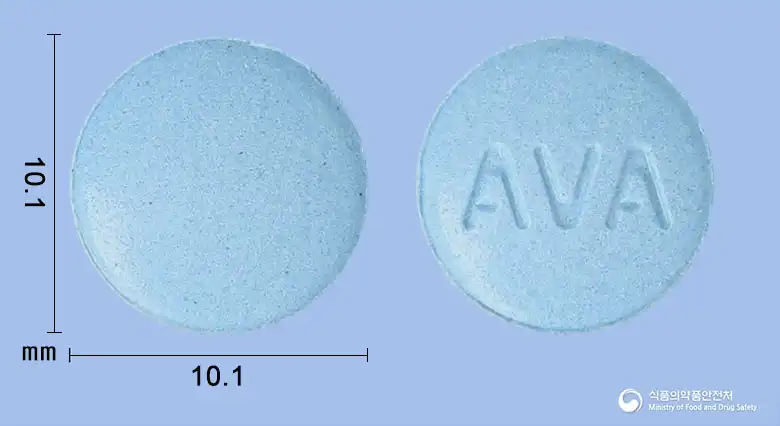
Acyclovir 200mg
Tablet · Prescription medication
Kyung dong Pharm Co., Ltd.

Acyclovir 200mg
Tablet · Prescription medication
SK Chemicals Co., Ltd.
Acyclovir
Prescription medication
Baskan Biopharmaceutical Co., Ltd.
Acyclovir 50mg
Cream · OTC medication
Dongkwang Pharmaceutical Co., Ltd.
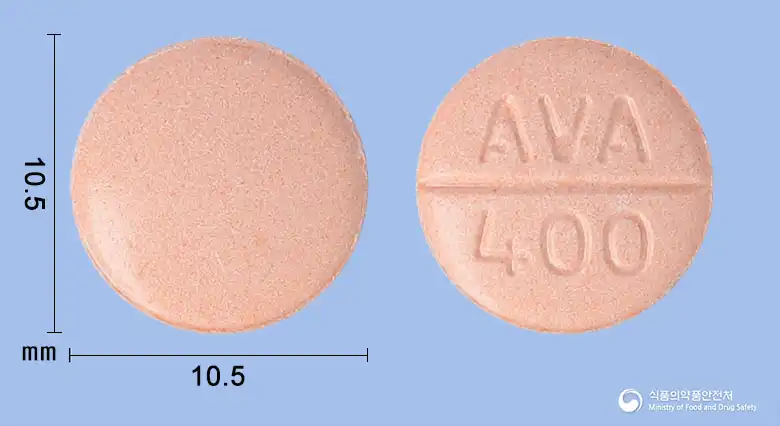
Acyclovir 400mg
Tablet · Prescription medication
Kyung dong Pharm Co., Ltd.
Acyclovir 50mg
Cream · OTC medication
Kyungdong Pharmaceutical Co., Ltd.
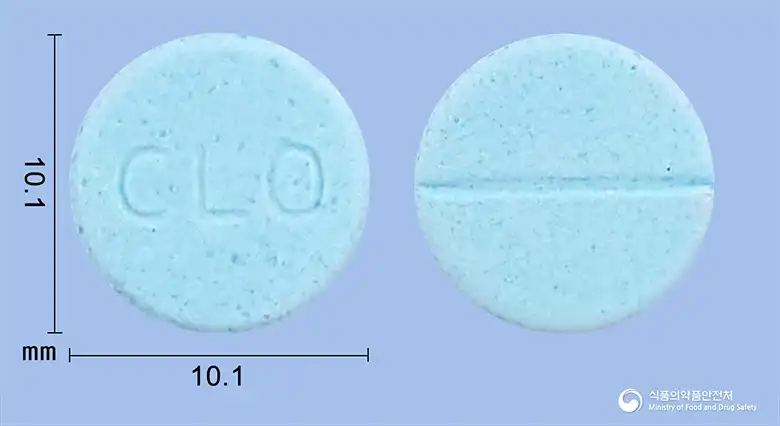
Acyclovir 200mg
Tablet · Prescription medication
Vivozon Pharmaceutical Co., Ltd.
Even with the same ingredient, the dose and directions can differ by strength and dosage form. Talk to a doctor or pharmacist before switching from a medication you are already taking.
No questions yet.
For anything that needs medical judgment, consult a doctor or pharmacist.
This drug information is based on data provided by the Korea Ministry of Food and Drug Safety.
Consult a doctor or pharmacist for accurate dosage, administration, and usage instructions.