
 한국어
 English
 日本語
 中文(简体)
Dosage form image
Viewing nowAprogen Cefaclor Dry Syrup 125 mg/5 mL
Cefaclor Hydrate 3.75g
Syrup · Prescription medication
Aprogen Biologics Co., Ltd.
MFDS item code 199701113 · Notified 1997.05.22 · Insurance code 645201361
Treatment of respiratory tract and middle ear infections, urinary tract infections, and skin and soft tissue infections
This medication is effective against various bacteria including Streptococcus pneumoniae, Haemophilus influenzae, Staphylococcus aureus, and Streptococcus pyogenes. It is used for respiratory infections such as otitis media, pneumonia, pharyngitis, tonsillitis, and bronchitis. It is also effective for urinary tract infections such as pyelonephritis, cystitis, and gonococcal urethritis. Additionally, it is used for treating skin infections, abscesses, folliculitis, soft tissue infections, infectious necrosis, subcutaneous abscesses, certain wound infections, and traumatic injuries. This medication is used for the treatment of various diseases caused by bacterial infections.
Adults: Administer cefaclor 250mg (potency) orally every 8 hours. For severe infections (e.g., pneumonia) and infections caused by less susceptible organisms, the dose may be doubled. For acute gonococcal urethritis, administer this medicine 3g and probenecid 1g together as a single dose. Patients with impaired renal function: May be administered without changing the dose. Treatment of beta-hemolytic streptococcal infections should continue for at least 10 days. Adjust the dose as appropriate according to age and symptoms.
Children: Administer 20mg (potency) per kg of body weight per day in divided doses every 8 hours. For severe infections, otitis media, and infections caused by less susceptible organisms, 40mg (potency) per kg of body weight per day may be administered; the maximum dose is 1g (potency) per day. At 20mg (potency) per kg of body weight per day — body weight 9Kg: 125mg/5mL, 2.5mL per dose (1/2 teaspoonful) 3 times daily; 250mg/5mL, 5mL per dose (1 teaspoonful) 3 times daily. At 20mg (potency) per kg of body weight per day — body weight 18Kg: 125mg/5mL -; 250mg/5mL, 2.5mL per dose (1/2 teaspoonful) 3 times daily. At 40mg (potency) per kg of body weight per day — body weight 9Kg: 125mg/5mL, 5mL per dose (1 teaspoonful) 3 times daily; 250mg/5mL -. At 40mg (potency) per kg of body weight per day — body weight 18Kg: 125mg/5mL, 2.5mL per dose (1/2 teaspoonful) 3 times daily; 250mg/5mL, 5mL per dose (1 teaspoonful) 3 times daily. Twice-daily treatment regimen: For otitis media and pharyngitis, the daily dose may be divided and administered every 12 hours. At 20mg (potency) per kg of body weight per day (pharyngitis) — body weight 9Kg: 187mg/5mL, 2.5mL per dose (1/2 teaspoonful) 2 times daily; 375mg/5mL, 5mL per dose (1 teaspoonful) 2 times daily. At 20mg (potency) per kg of body weight per day (pharyngitis) — body weight 18Kg: 187mg/5mL -; 375mg/5mL, 2.5mL per dose (1/2 teaspoonful) 2 times daily. At 40mg (potency) per kg of body weight per day (otitis media) — body weight 9Kg: 187mg/5mL, 5mL per dose (1 teaspoonful) 2 times daily; 375mg/5mL -. At 40mg (potency) per kg of body weight per day (otitis media) — body weight 18Kg: 187mg/5mL, 2.5mL per dose (1/2 teaspoonful) 2 times daily; 375mg/5mL, 5mL per dose (1 teaspoonful) 2 times daily. Adjust the dose as appropriate according to age and symptoms.
This medication works by binding to specific proteins and inhibiting bacterial cell wall synthesis, which kills bacteria. It should not be used in patients who have had severe allergic reactions or shock from this medication or similar antibiotics in the past. Patients with a history of allergy to penicillin antibiotics or those who are prone to allergic reactions such as asthma, rashes, or hives should use this medication with caution. Patients with very poor kidney function, those unable to take oral medications, elderly patients, or those in poor general health should be closely monitored for signs of vitamin K deficiency. Care should be taken when administering to patients with a history of gastrointestinal diseases, especially colitis. This medication can rarely cause severe allergic reactions, skin disorders, blood abnormalities, liver or kidney dysfunction, gastrointestinal problems, or neurological issues, so any symptoms should be communicated to a physician promptly. To prevent the development of resistant bacteria, it is important to check the sensitivity of the infecting bacteria and administer the medication only for the necessary duration. Caution is required when combining with other medications as it may affect kidney function, especially when used with anticoagulants or diuretics where careful monitoring of blood coagulation status is necessary. When taken with oral contraceptives, the contraceptive effect may be reduced, so using additional contraception is advisable. The safety of this medication during pregnancy or breastfeeding has not been fully established, and it should only be used cautiously when absolutely necessary. Nursing mothers should observe the infant's condition carefully. This medication is not recommended for use in infants under one month of age as its safety and efficacy have not been established. Elderly patients may have a higher incidence of adverse reactions due to decreased body function, so dosage and administration intervals should be adjusted and used with caution. During the use of this medication, it is important to inform healthcare personnel of its use as it may affect the results of certain clinical tests.
Shock
Not everyone experiences these, and they can vary from person to person.
This medication is sensitive to light and should be stored in an opaque container. It should be kept at room temperature, away from extreme heat or cold.
This medication is a pink syrup with a strawberry flavor that is reconstituted before use.
150 mL/bottle
Even with the same ingredient, strength, dosage form and how it is taken can differ.
Cefaclor Hydrate 3.75g
Syrup · Prescription medication
Aprogen Biologics Co., Ltd.
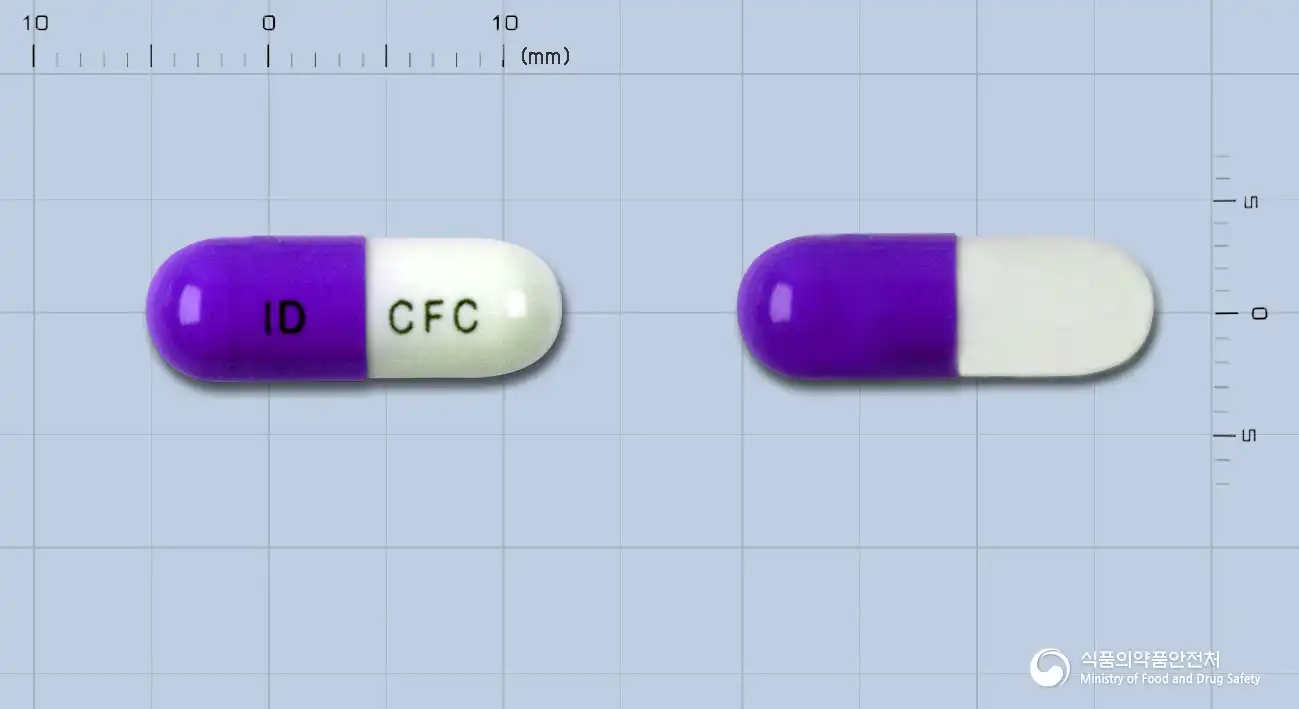
Cefaclor Hydrate 250mg
Hard capsule · Prescription medication
Ildong Pharmaceutical Co., Ltd.
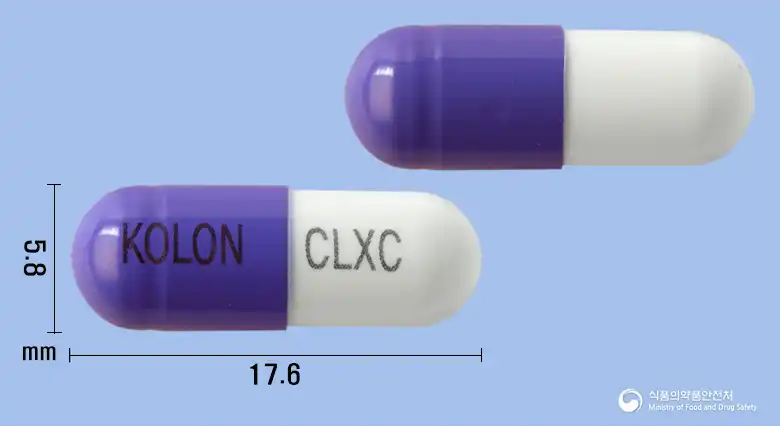
Cefaclor Hydrate 250mg
Hard capsule · Prescription medication
Kolon Pharmaceutical Co., Ltd.
Cefaclor Hydrate 3.75g
Syrup · Prescription medication
Youngjin Pharmaceutical Co., Ltd.
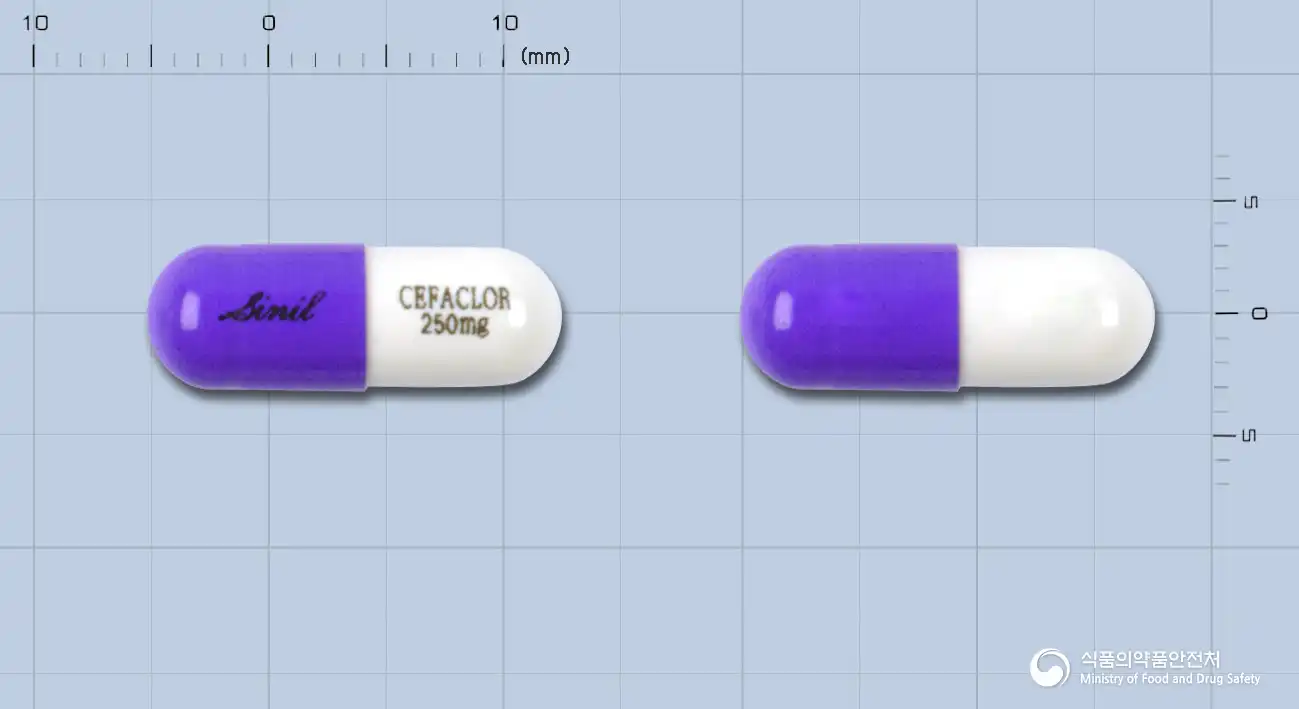
Cefaclor Hydrate 250mg
Hard capsule · Prescription medication
Shinil Pharmaceutical Co., Ltd.
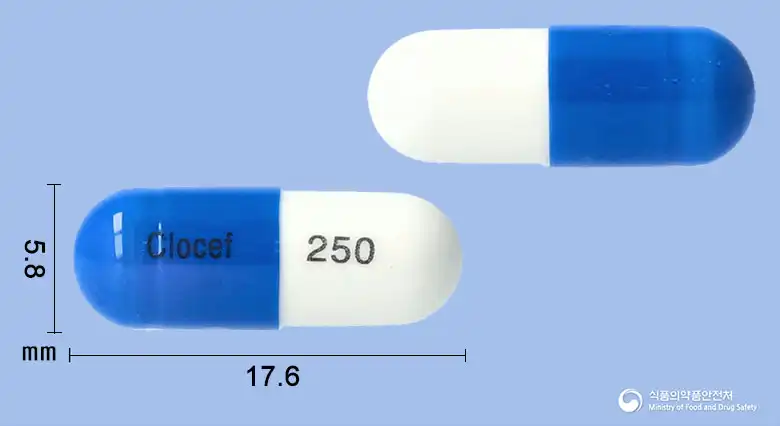
Cefaclor Hydrate 250mg
Hard capsule · Prescription medication
Hanmi Pharmaceutical Co., Ltd.
Cefaclor Hydrate 2.5g
Syrup · Prescription medication
Hanmi Pharmaceutical Co., Ltd.
Cefaclor Hydrate 3.75g
Syrup · Prescription medication
Shinpoong Pharmaceutical Co., Ltd.
Even with the same ingredient, the dose and directions can differ by strength and dosage form. Talk to a doctor or pharmacist before switching from a medication you are already taking.
No questions yet.
For anything that needs medical judgment, consult a doctor or pharmacist.
This drug information is based on data provided by the Korea Ministry of Food and Drug Safety.
Consult a doctor or pharmacist for accurate dosage, administration, and usage instructions.