
 한국어
 English
 日本語
 中文(简体)
 Viewing now
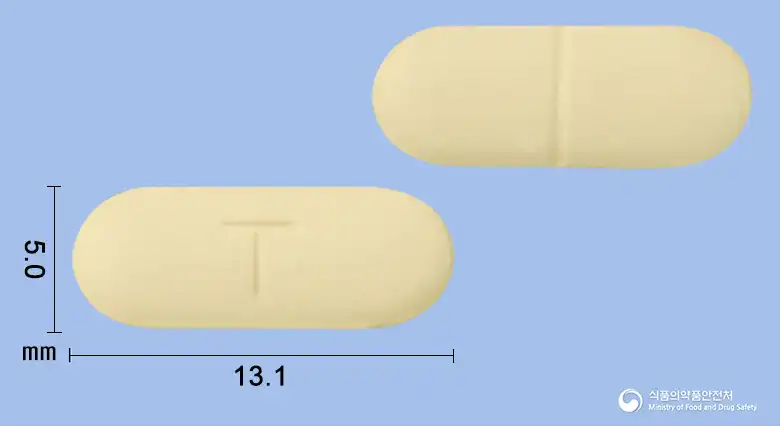
Revia Tablet (Naltrexone Hydrochloride)
Naltrexone Hydrochloride 50mg
Tablet · Prescription medication
Jeil Pharmaceutical Co., Ltd.
MFDS item code 199700692 · Approved 1997.11.29 · Insurance code 645400200
Treatment of alcohol dependence when used with a management program; suppression of the effects of exogenous opioids
This medication is used in conjunction with a suitable management program and helps in the treatment of alcohol dependence. Additionally, it blocks the effects of exogenous opioids to prevent addiction and abuse, thereby improving health recovery and addressing addiction issues.
Treatment with naltrexone hydrochloride may be initiated only if the physician determines that the patient has not used opioids within 7 ∼ 10 days before treatment. Adults: Administer 50 mg of naltrexone hydrochloride orally once daily. Although there are placebo-controlled studies in which this dose was administered for up to 12 weeks, other doses or treatment durations were not evaluated in these studies. The initial dose is 25 mg. After observing the patient for one hour, the remaining 25 mg of the daily dose (50 mg) may be administered if no withdrawal symptoms occur. Administration of 50 mg once daily can adequately block the effects of intravenously administered narcotics (this dose blocks the effects of 25 mg of intravenously administered heroin). ○ 50 mg daily on weekdays and 100 mg on Saturday ○ 100 mg every 2 days ○ 150 mg every 3 days Administration of more than 50 mg per dose may increase the risk of hepatocellular injury; this regimen should be used only when the benefit of medication adherence outweighs the risk of hepatocellular toxicity. In addition, administration of more than 150 mg at one time is not recommended because it may increase the likelihood of adverse reactions.
This medication can cause hepatic cellular damage in case of overdose, so the recommended dosage must be strictly adhered to. Patients with compromised liver function or at risk of liver damage should exercise particular caution, and if symptoms of hepatitis arise, they should consult a healthcare provider immediately. Administering excessive amounts of opioids while taking this medication is very dangerous and can lead to severe respiratory depression or life-threatening situations. Patients taking opioid analgesics or those with opioid dependence should not use this medication as it may trigger acute withdrawal symptoms. It is safer for patients with liver or kidney issues, pregnant or potentially pregnant women, children and adolescents under 18, and the elderly to avoid this medication. While this medication can be used for treating alcohol addiction or opioid dependence, various side effects such as headache, insomnia, anxiety, nausea, dizziness, etc., may occur during treatment; thus, any symptoms should be reported to a healthcare provider. This medication may interact with other drugs, so if you are taking other medications, you must consult with your doctor or pharmacist. Pregnant or nursing women should avoid taking this medication, as it is not known whether it may be transmitted through breast milk. Strictly adhere to the prescribed dosage and do not discontinue or alter the medication without a doctor's advice. Store this medication out of reach of children and do not transfer it to another container. In case of overdose, visit a medical facility immediately for proper treatment, and regular liver function tests are important to detect any liver damage early.
Not everyone experiences these, and they can vary from person to person.
This medication should be stored in a sealed container that blocks light and prevents air ingress. The storage temperature should be maintained between 1 degrees Celsius and 30 degrees Celsius at room temperature. Proper storage will help maintain the drug's effectiveness and safety.
This medication is a light yellow, rectangular film-coated tablet.
30 tablets/bottle, 100 tablets/bottle
Even with the same ingredient, strength, dosage form and how it is taken can differ.
Viewing nowNaltrexone Hydrochloride 50mg
Tablet · Prescription medication
Jeil Pharmaceutical Co., Ltd.
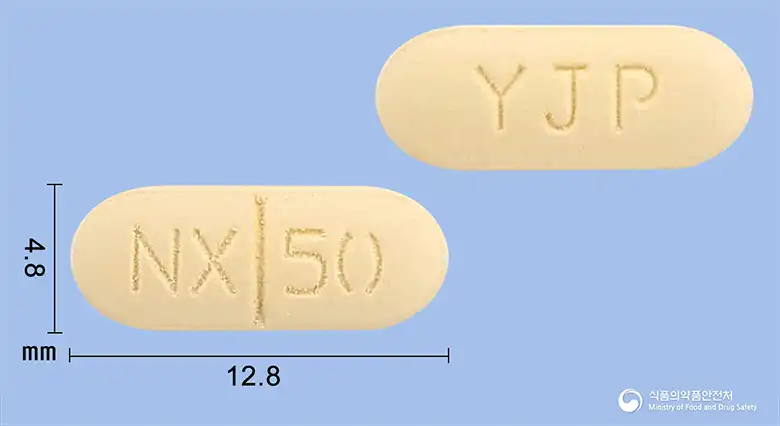
Naltrexone Hydrochloride 50mg
Tablet · Prescription medication
Young Jin Pharmaceutical Co., Ltd.
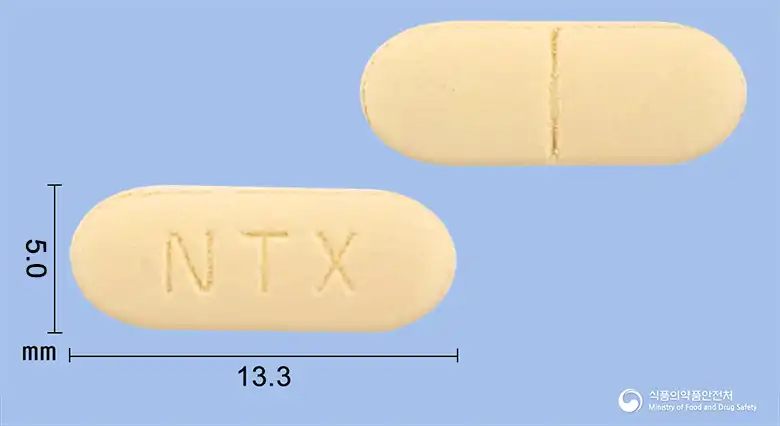
Naltrexone Hydrochloride 50mg
Tablet · Prescription medication
Hwanin Pharmaceutical Co., Ltd.
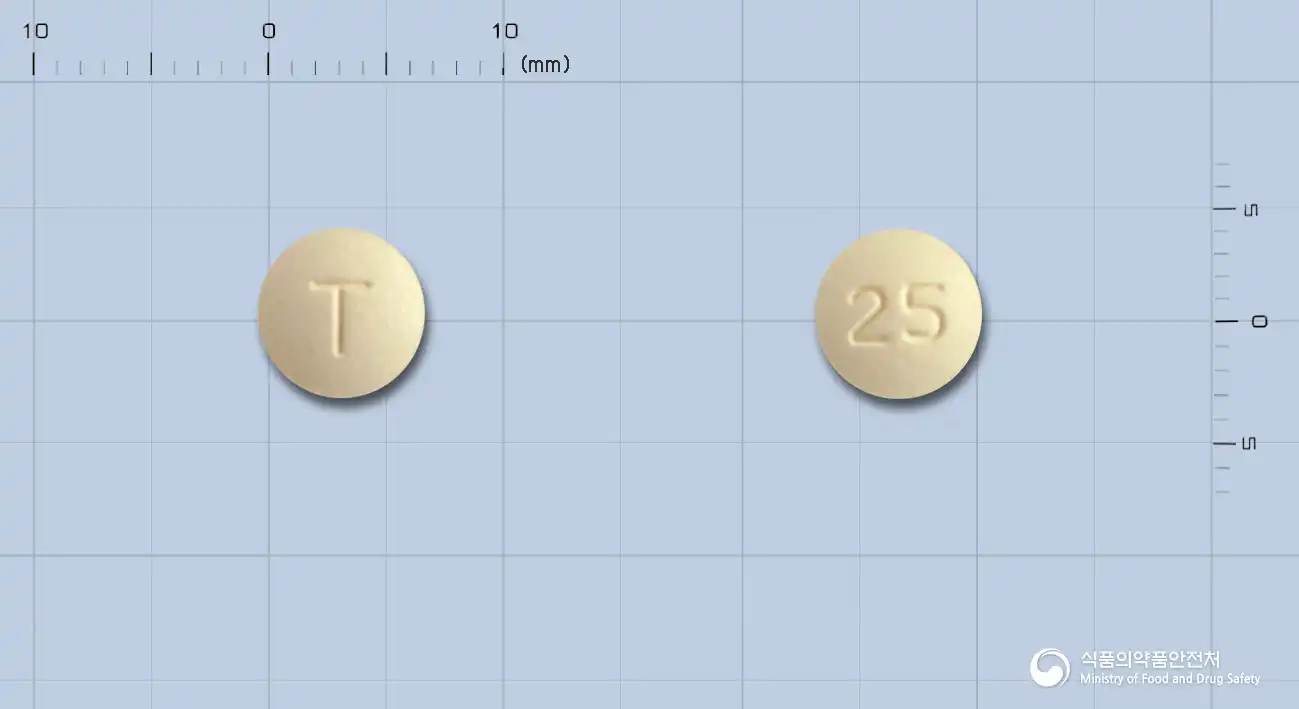
Naltrexone Hydrochloride 25mg
Tablet · Prescription medication
Myeongin Pharmaceutical Co., Ltd.
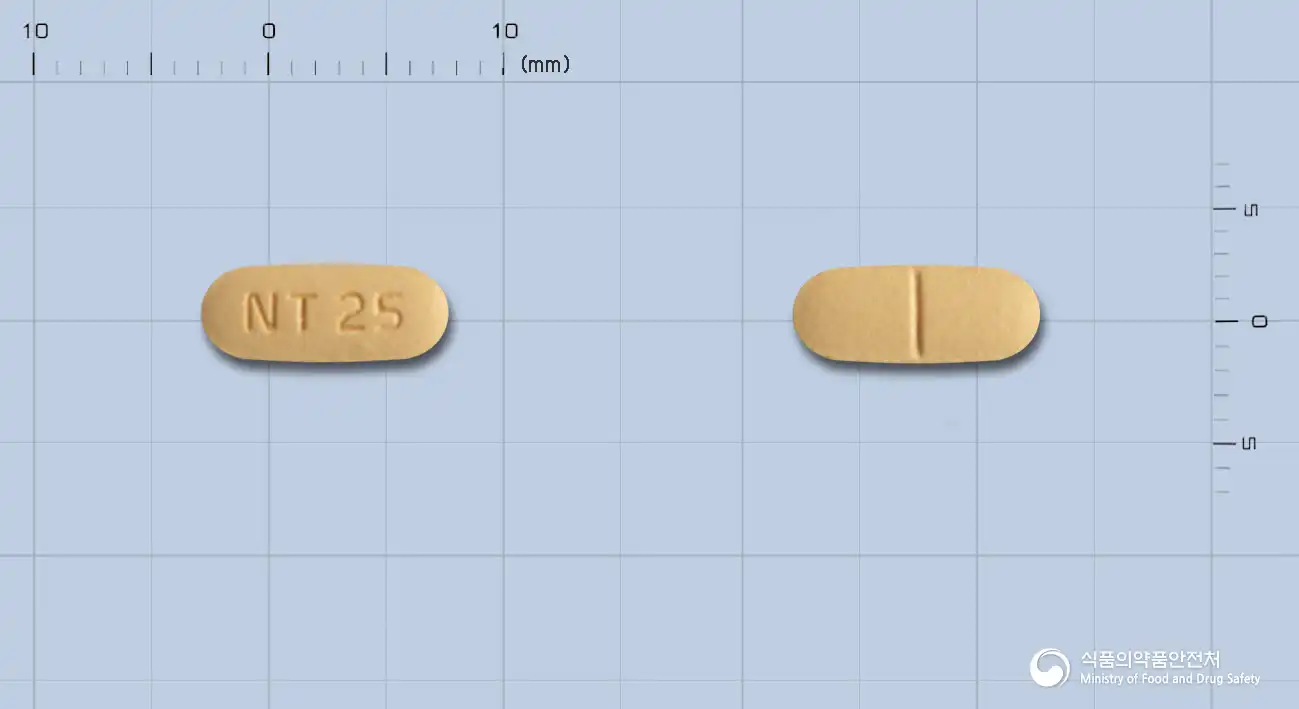
Naltrexone Hydrochloride 25mg
Tablet · Prescription medication
Hwanin Pharmaceutical Co., Ltd.
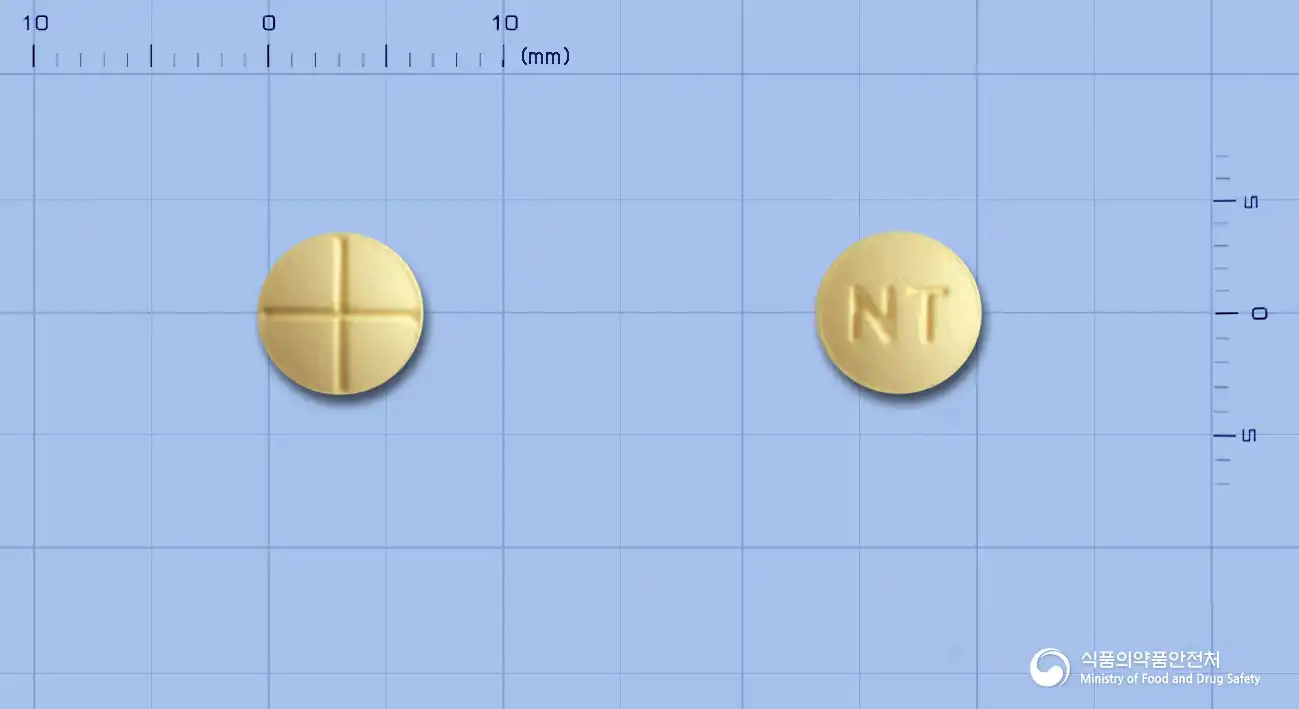
Naltrexone Hydrochloride 25mg
Tablet · Prescription medication
AlboGen Korea Co., Ltd.
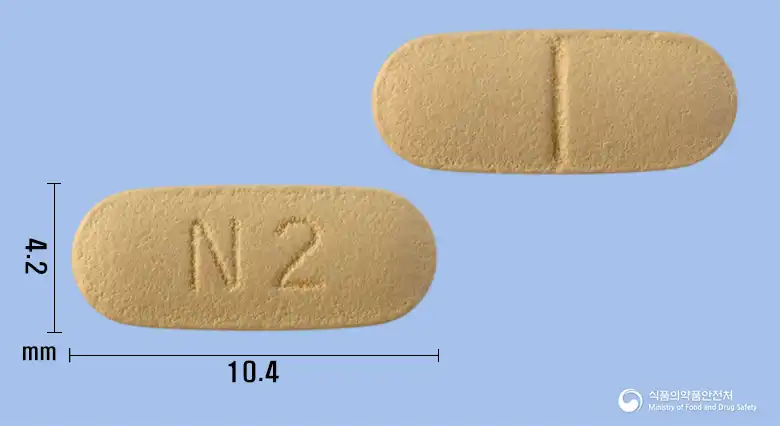
Naltrexone Hydrochloride 25mg
Tablet · Prescription medication
Daehan New Pharm Co., Ltd.
Naltrexone Hydrochloride 25mg
Tablet · Prescription medication
Huons Co., Ltd.
Even with the same ingredient, the dose and directions can differ by strength and dosage form. Talk to a doctor or pharmacist before switching from a medication you are already taking.
No questions yet.
For anything that needs medical judgment, consult a doctor or pharmacist.
This drug information is based on data provided by the Korea Ministry of Food and Drug Safety.
Consult a doctor or pharmacist for accurate dosage, administration, and usage instructions.