
 한국어
 English
 日本語
 中文(简体)
 Viewing now
Samion Tablets 30 mg (Nisergoline)
Nicergoline 30mg
Tablet · Prescription medication
Il Dong Pharmaceutical Co., Ltd.
MFDS item code 199700555 · Notified 1997.03.28 · Insurance code 642900690
Treatment of dementia syndrome (memory impairment, difficulty concentrating, etc.)
This medication is used for various symptoms and diseases. First, the 5mg and 10mg dosages improve the lack of motivation caused by chronic cerebral circulation disorders resulting from cerebral infarction, and it is used as an adjunctive therapy for relieving atherosclerotic headaches in the elderly and for treating hypertension. The 30mg dosage helps treat dementia syndromes associated with memory impairment, concentration disorder, judgment decline, and lack of initiative related to primary degenerative vascular dementia and complex dementia. This drug effectively improves several symptoms related to brain function, contributing to the improvement of the patient's quality of life.
* 5 mg, 10 mg Adults: Administer 5 ∼ 10 mg of nicergoline orally 2 ∼ 3 times daily before meals. Adjust the dose appropriately according to symptoms. * 30 mg Adults: Administer 30 mg of nicergoline orally once daily before meals. If the desired effect is not achieved at this dose, it may be increased to 60 mg. The dose may be reduced after symptoms improve. Reduce the dose in patients with impaired renal function (serum creatinine >175 µmol/L) (2 mg/dL).
This medication should not be used in certain patients. For example, individuals allergic to this medication or ergot alkaloids, those who have suffered from acute myocardial infarction, those with acute bleeding, those taking drugs that stimulate the sympathetic nervous system, individuals with very slow heart rates, those with unresolved bleeding in the head, and patients with orthostatic hypotension should not take this drug. Additionally, individuals with slightly slow heart rates or those with compromised kidney function should be especially cautious when using this drug. When taking this medication, gastrointestinal issues may rarely occur, including reduced appetite, diarrhea, constipation, nausea, vomiting, abdominal pain, and dry mouth. With respect to liver function, liver enzyme levels may rise. Moreover, cardiovascular symptoms such as dizziness, orthostatic hypotension, changes in blood pressure, and elevated blood uric acid levels may also occur rarely. Psychically, symptoms such as drowsiness, fatigue, headache, tinnitus, and insomnia may emerge, along with allergic reactions such as rashes, itching, flushing, or a sensation of heat. Taking this medication in conjunction with other antihypertensive agents may lead to excessively low blood pressure; therefore, it is important to check blood pressure frequently. Additionally, this drug may affect uric acid metabolism, so caution is required in individuals with gout or hyperuricemia. After taking this drug, caution is necessary when driving or operating machinery. This medication is metabolized by specific enzymes in the liver, so interactions may occur if taken with other drugs that share the same metabolic pathway. Women who are pregnant or breastfeeding should be particularly careful when taking this drug. Animal studies have reported potential harm to the fetus, so women who could become pregnant or are pregnant should consult their physician and make a careful decision. If breastfeeding, it is advisable to avoid taking this drug or discontinue breastfeeding, as it may be excreted in breast milk. Elderly patients may have reduced bodily functions; hence, they should use the medication cautiously, potentially at lower doses. Safety in pediatric patients has not yet been adequately established. In cases of overdose, transient hypotension may occur, so blood pressure changes must be monitored closely, and appropriate measures should be taken as needed. Finally, this medication should be kept in a safe place out of reach of children, and it is important to store it in its original container to maintain drug quality and prevent misuse.
Loss of appetite, diarrhea, constipation, nausea, vomiting, intermittent upper abdominal pain or cramps, thirst, elevated ALT, elevated AST, dizziness, postural hypotension, hypertension, elevated blood uric acid, blood pressure reduction, drowsiness, fatigue, headache, tinnitus, fatigue, insomnia, rash, urticaria, pruritus, flushing, heat sensation, nightmares, mood changes, indigestion
Not everyone experiences these, and they can vary from person to person.
This medication is sensitive to light and should be stored in a tightly sealed container that does not allow light. The recommended storage temperature is room temperature between 1 degree Celsius and 30 degrees Celsius.
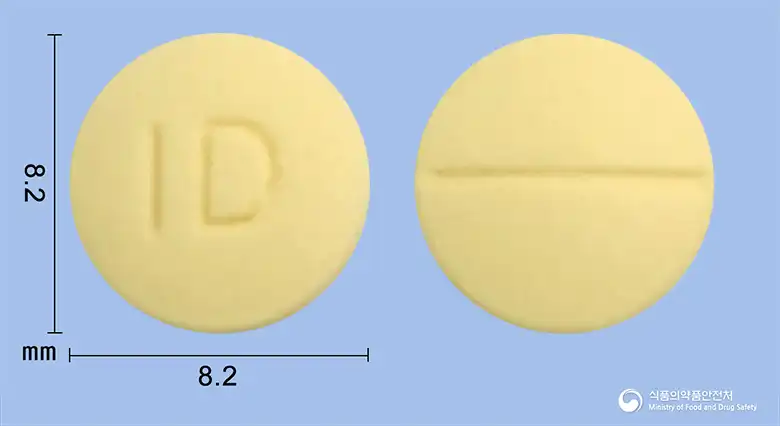
It is a yellow film-coated tablet.
For domestic use (30 tablets) - 30 tablets/bottle, For domestic use (100 tablets) - 100 tablets/bottle
Even with the same ingredient, strength, dosage form and how it is taken can differ.
Viewing nowNicergoline 30mg
Tablet · Prescription medication
Il Dong Pharmaceutical Co., Ltd.
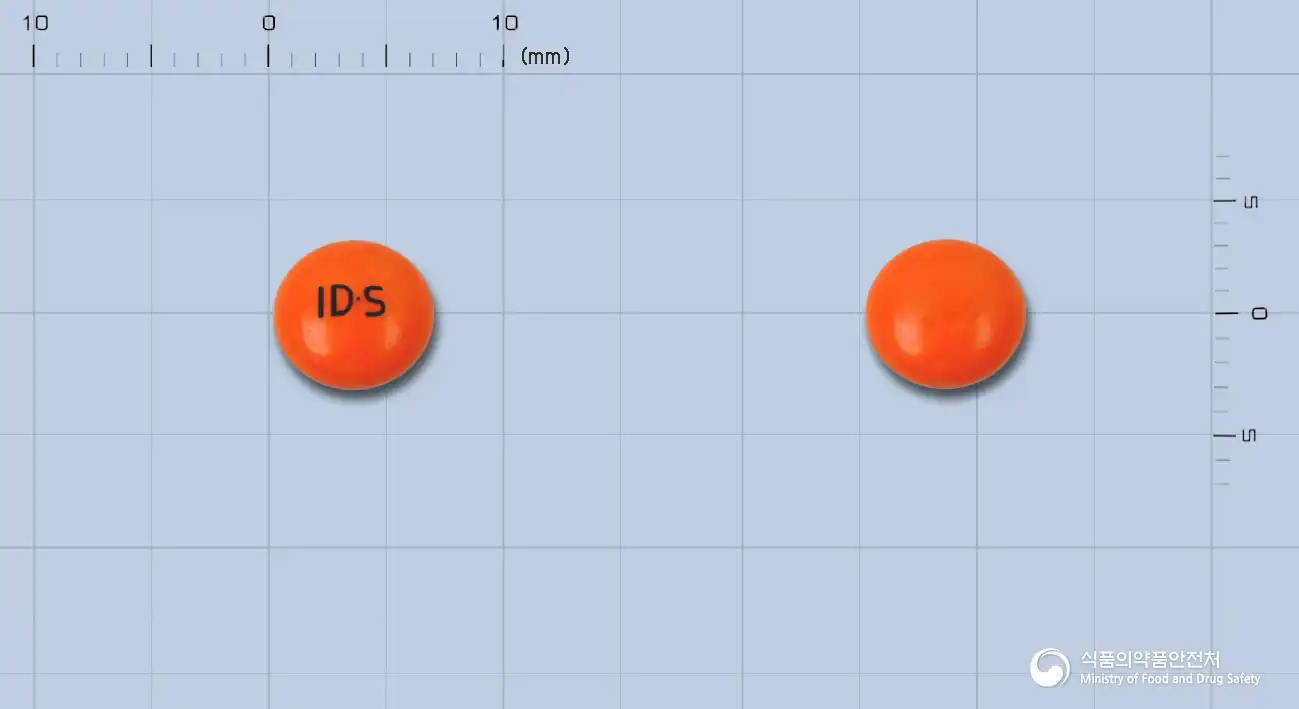
Nicergoline 5mg
Prescription medication
IlDong Pharmaceutical Co., Ltd.
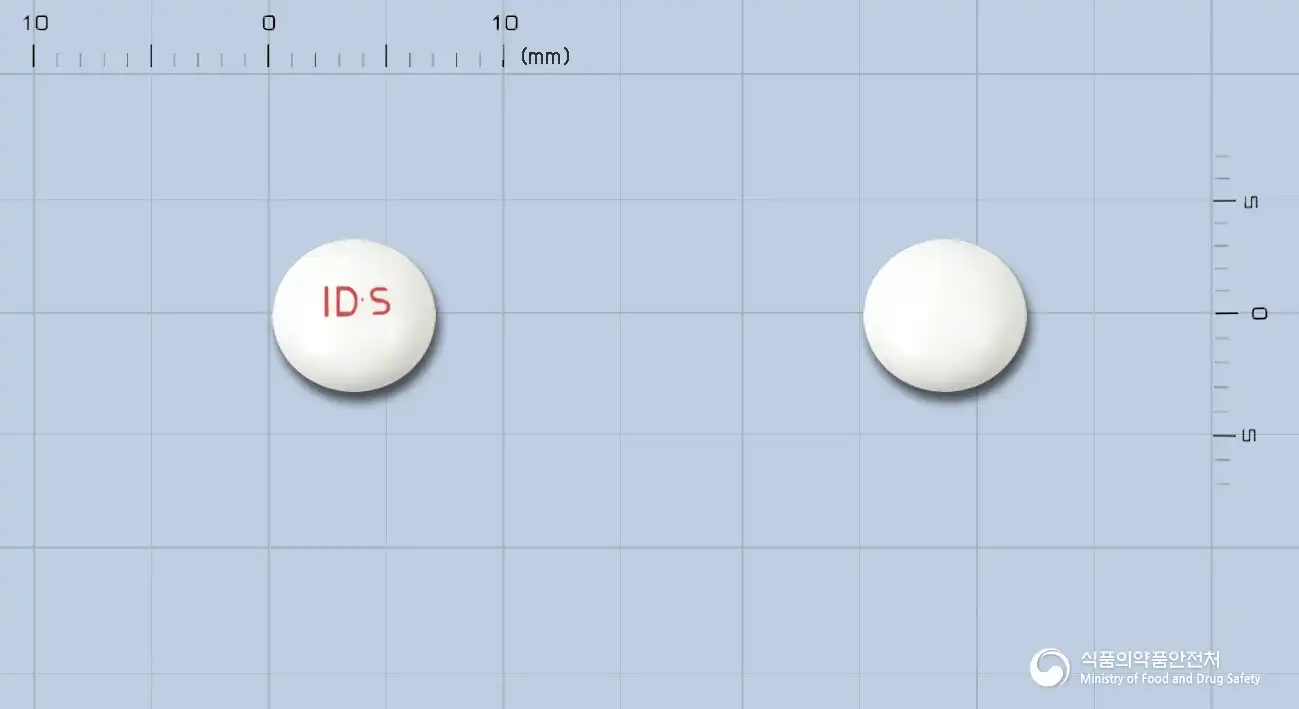
Nicergoline 10mg
Prescription medication
IlDong Pharmaceutical Co., Ltd.
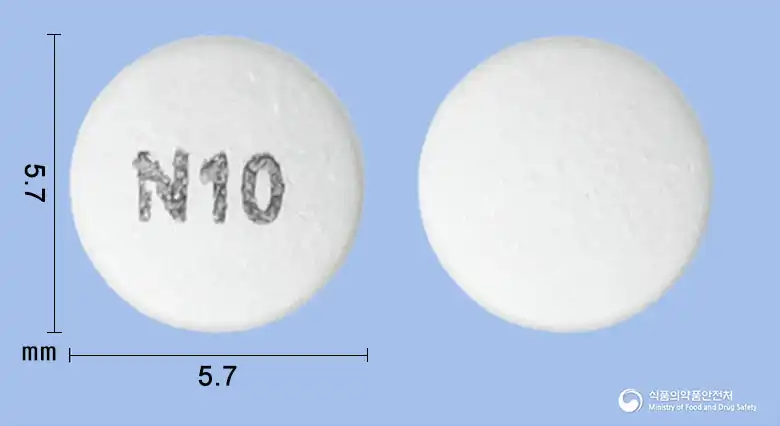
Nicergoline 10mg
Prescription medication
Hanmi Pharmaceutical Co., Ltd.
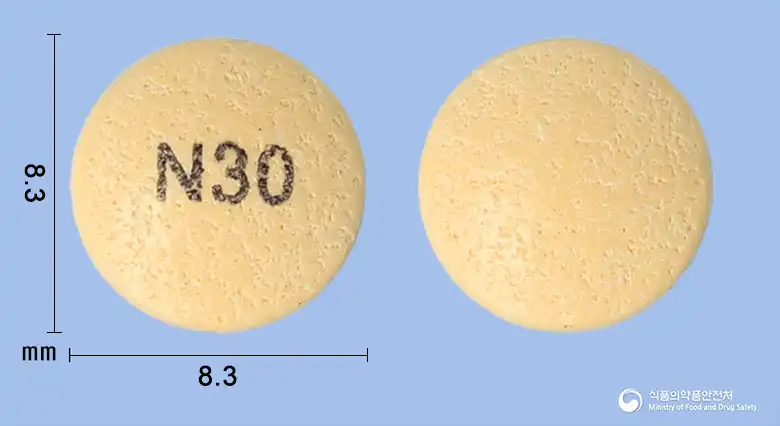
Nicergoline 30mg
Prescription medication
Hanmi Pharmaceutical Co., Ltd.
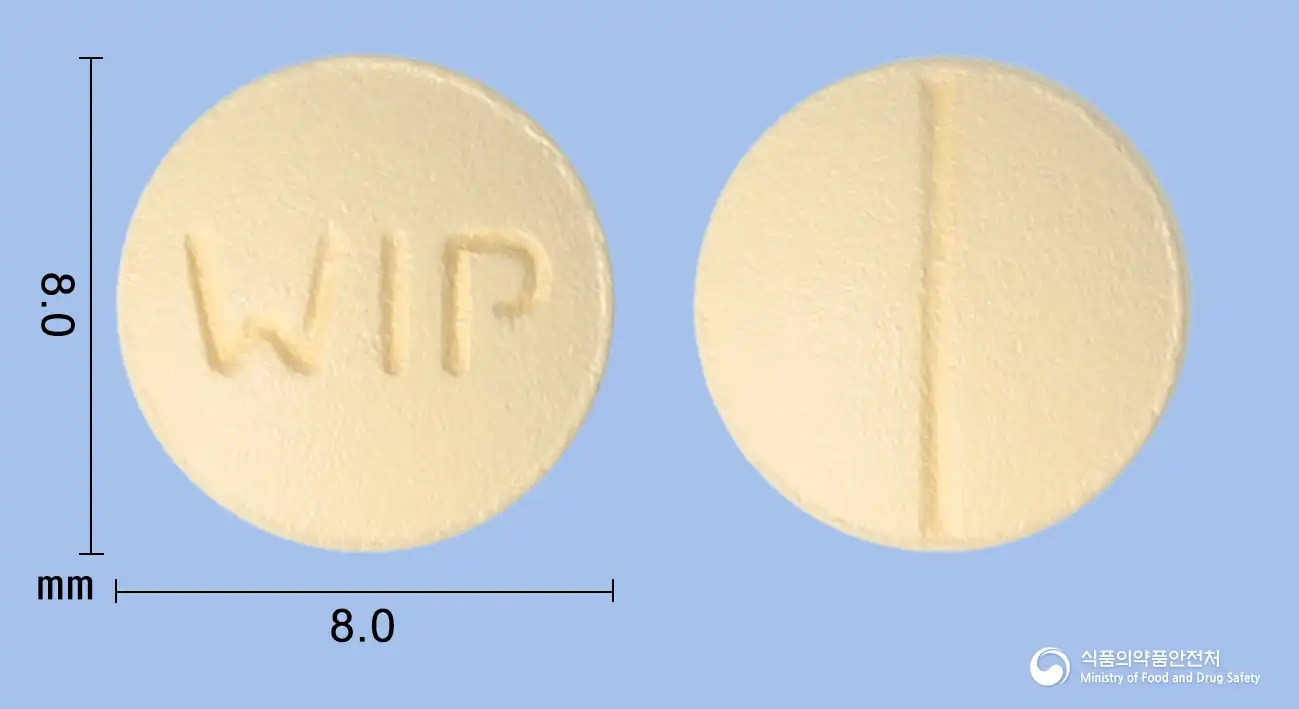
Nicergoline 30mg
Tablet · Prescription medication
Hwanin Pharmaceutical Co., Ltd.
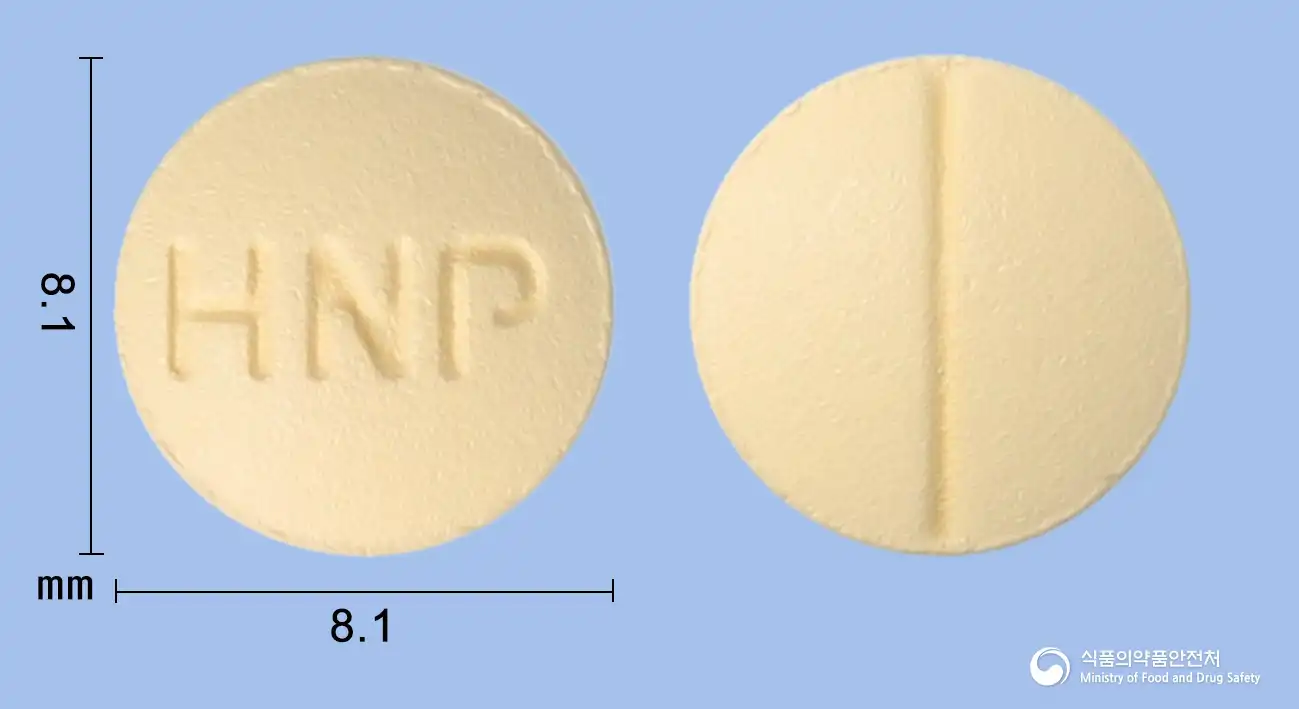
Nicergoline 30mg
Tablet · Prescription medication
Hana Pharmaceutical Co., Ltd.
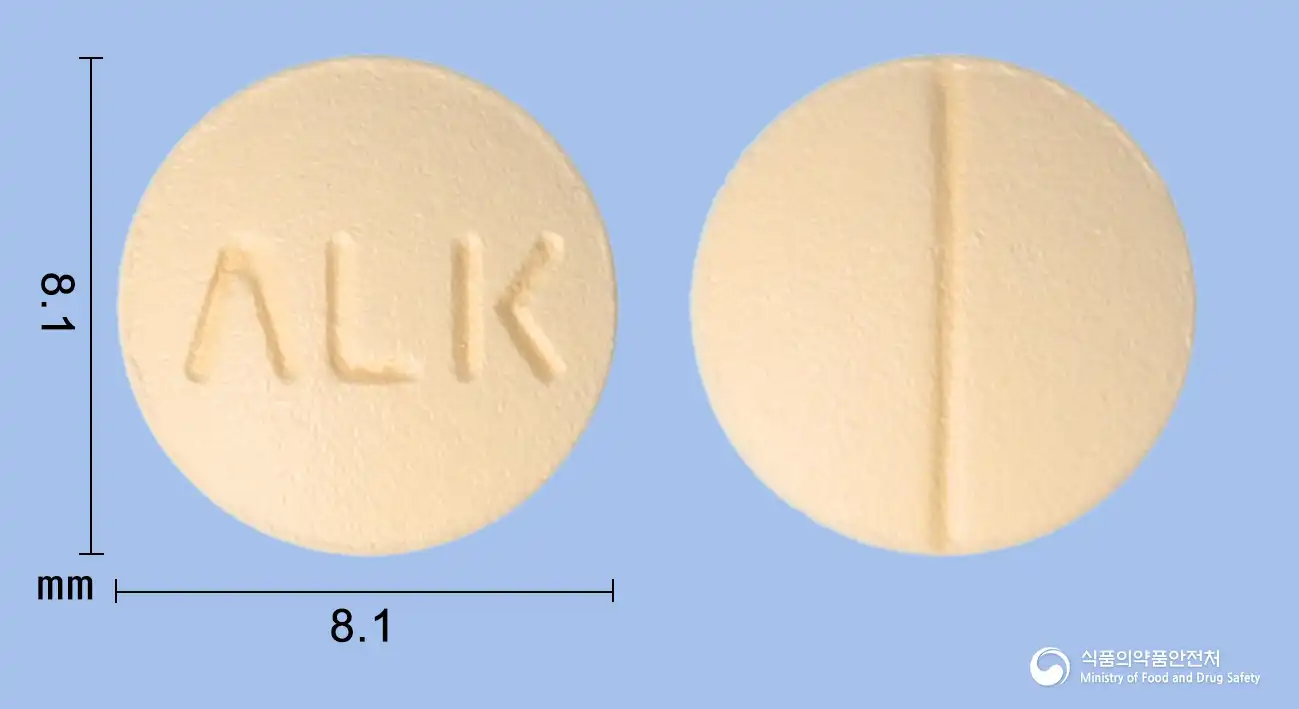
Nicergoline 30mg
Tablet · Prescription medication
Albozen Korea Co., Ltd.
Even with the same ingredient, the dose and directions can differ by strength and dosage form. Talk to a doctor or pharmacist before switching from a medication you are already taking.
No questions yet.
For anything that needs medical judgment, consult a doctor or pharmacist.
This drug information is based on data provided by the Korea Ministry of Food and Drug Safety.
Consult a doctor or pharmacist for accurate dosage, administration, and usage instructions.