
 한국어
한국어 English
 日本語
日本語 中文(简体)
 Viewing now
Ciprofloxacin 250 mg Tablets (Ciprofloxacin Hydrochloride Hydrate)
Ciprofloxacin Hydrochloride Hydrate 291mg
Tablet · Prescription medication
Korea Nelson Pharmaceutical Co., Ltd.
MFDS item code 199602021 · Notified 1996.10.04 · Insurance code 656700970
Effectiveness in treating respiratory infections and urinary tract infections
This medication is used to treat infections caused by various bacteria. It is effective against respiratory infections, excluding acute bronchitis, and community-acquired pneumonia. Additionally, it is helpful for infections of the ears, nose, and throat, as well as for bacterial prostatitis, acute cystitis and pyelonephritis, and complicated urinary tract infections. It is used for various infections such as gonococcal cervicitis and urethritis, gastrointestinal infections, cholangitis, skin and soft tissue infections, bone and joint infections, gynecological infections, peritonitis, abscess, hordeolum (stye), and sebaceous gland inflammation. However, please remember that this medication belongs to the fluoroquinolone class and may have significant adverse reactions, hence should only be used when no other treatment options are available for specific diseases. Overall, this medication is effectively used to treat various bacterial infections.
Typically for adults, 250 to 500 mg of ciprofloxacin is administered orally twice daily between meals. For severe complicated infections, the dose may be increased to 750 mg twice a day. For acute infections, treatment usually lasts for 5 to 10 days, continuing for at least 3 days after symptoms have disappeared. In patients with renal impairment, the dosage should be adjusted according to creatinine clearance: 1) > 50 mL/min: standard dose.
This medication can cause serious side effects such as tendonitis or tendon rupture, and if such symptoms occur, you should discontinue use immediately and consult with a healthcare professional. Patients with myasthenia gravis should not use this medication as it may worsen their symptoms. This medication is meant to be used for specific infections and should only be administered when no other treatment options are available. Concurrent use with corticosteroids increases the risk of tendon rupture, so do not use them together. This medication can affect the nervous system, leading to seizures, confusion, and symptoms of depression, so caution is advised. It is not to be given to pregnant women or those who may become pregnant, nursing mothers, children, and adolescents. Patients with a history of hypersensitivity to this medication or those with kidney function severely impaired should be careful when using this medication. It may interact with other medications, so inform your healthcare provider of any other drugs you are taking. While taking this medication, avoid excessive sun exposure, and if you experience rash or itching, consult your doctor immediately. Blood sugar levels may become unstable, so diabetic patients should manage their blood sugar closely. If symptoms such as diarrhea or abdominal pain occur while taking the medication, it may indicate a serious condition like pseudomembranous colitis, so inform your doctor immediately. Caution is needed when driving or operating machinery, especially if taken with alcohol, as it may be dangerous. Overdose poses a risk of kidney damage, so prescribed dosages should be strictly followed and kept out of children's reach.
Hives, severe swelling (edema), chest tightness, difficulty breathing, cold sweat, pallor, severe rash with high fever, blisters, skin peeling, pain in oral/ocular mucosa, wheezing or difficulty in breathing, asthma attack, respiratory abnormalities with cough and fever, yellowing of skin or eyes (jaundice), extreme lethargy, sudden and severe headache, lightning-like headache, seizures, confusion, visual disturbances, paralysis, urination.
Not everyone experiences these, and they can vary from person to person.
This medication should be stored in a tightly closed container to prevent air or moisture from entering. Moreover, it should be kept at room temperature, away from extreme heat or cold.
White round film-coated tablets
100 tablets/bottle, 30 tablets/bottle
Even with the same ingredient, strength, dosage form and how it is taken can differ.
Viewing nowCiprofloxacin Hydrochloride Hydrate 291mg
Tablet · Prescription medication
Korea Nelson Pharmaceutical Co., Ltd.
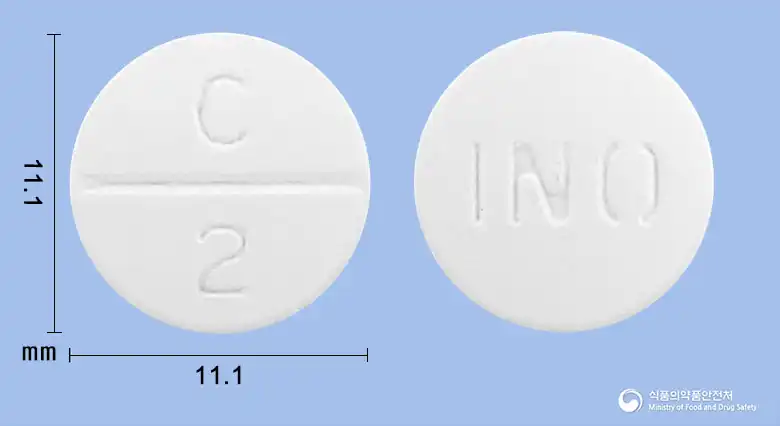
Ciprofloxacin Hydrochloride 291.5mg
Tablet · Prescription medication
HK inno.N Co., Ltd.
Ciprofloxacin Hydrochloride
Prescription medication
Dongkwang Pharmaceutical Co., Ltd.
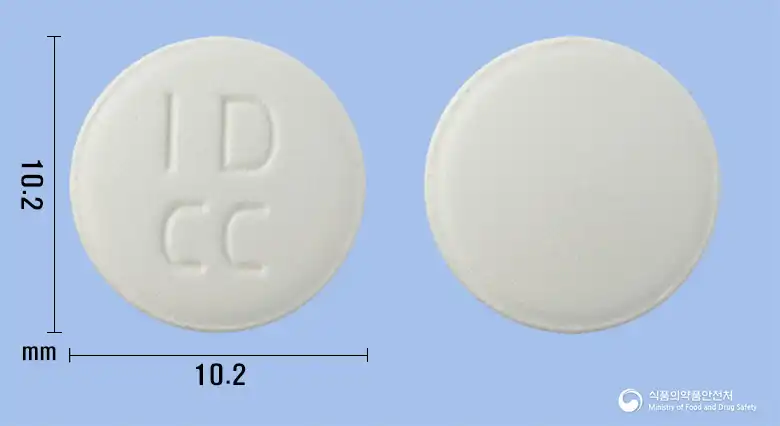
Ciprofloxacin Hydrochloride 291mg
Tablet · Prescription medication
Il Dong Pharmaceutical Co., Ltd.

Ciprofloxacin Hydrochloride 582mg
Tablet · Prescription medication
Il Dong Pharmaceutical Co., Ltd.
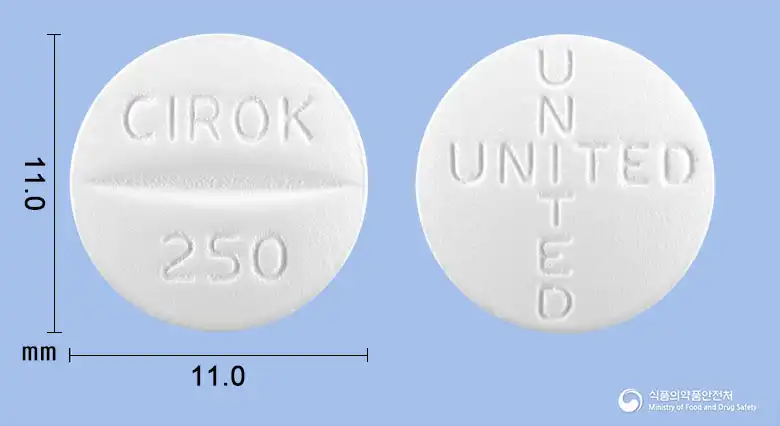
Ciprofloxacin Hydrochloride Hydrate 291mg
Tablet · Prescription medication
Korea United Pharm, Inc.
Ciprofloxacin Hydrochloride Hydrate 291mg
Tablet · Prescription medication
SK Chemicals Co., Ltd.

Ciprofloxacin Hydrochloride Hydrate 291mg
Tablet · Prescription medication
Donghwa Pharmaceutical Co., Ltd.
Even with the same ingredient, the dose and directions can differ by strength and dosage form. Talk to a doctor or pharmacist before switching from a medication you are already taking.
No questions yet.
For anything that needs medical judgment, consult a doctor or pharmacist.
This drug information is based on data provided by the Korea Ministry of Food and Drug Safety.
Consult a doctor or pharmacist for accurate dosage, administration, and usage instructions.