
 한국어
한국어 English
 日本語
日本語 中文(简体)
 Viewing now
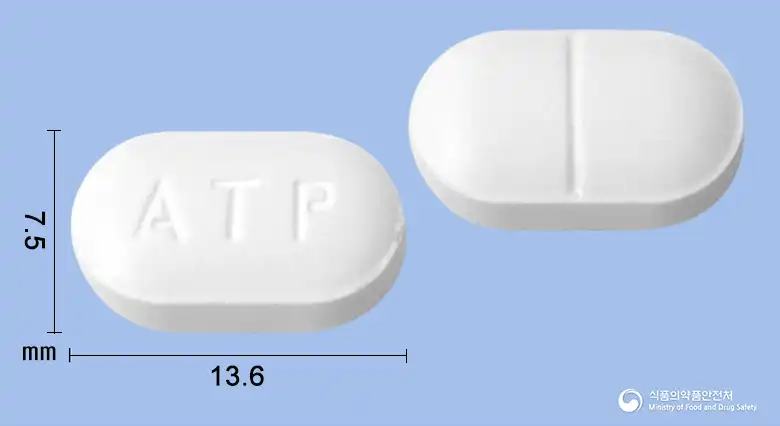
Astapen Tablet 325 Milligrams (Acetaminophen Chewable Tablet)
Microencapsulated Acetaminophen 350mg
Tablet · OTC medication
Samnam Pharmaceutical Co., Ltd.
MFDS item code 199601338 · Notified 1996.12.17 · Insurance code 653700830
Relief of symptoms due to cold (fever, pain) and neuralgia
This medication is used to relieve fever and pain caused by colds, headaches, neuralgia, muscle pain, menstrual pain, sprain pain, and various other types of pain. It is also effective for toothache, joint pain, and rheumatic pain. It helps improve various types of pain and inflammation to make the patient's life more comfortable.
Adults should take 0.3-1.0 g of acetaminophen orally 3-4 times per day. The maximum dose is 4 g per day. Adjust dosage according to age, condition, and symptoms.
Children should take 10-15 mg/kg once every 4-6 hours as needed, not exceeding 5 doses (75 mg/kg) per day. In tablet form, ages 11-14 should take 200-400 mg, 7-10
This medicine may put a strain on the liver, so those who regularly consume more than three cups of alcohol daily should consult with a physician or pharmacist before taking it. While taking this medication, very rarely, severe skin rashes or allergic reactions may occur, so if you experience any unusual skin symptoms, you should stop taking the medication immediately and consult a professional. Caution should be taken not to exceed the maximum daily dosage due to the acetaminophen ingredient, and it should not be taken together with other products containing acetaminophen to prevent liver damage. Individuals with allergies to this medication or those with a history of peptic ulcers, severe liver, kidney, or heart disease should not take it. Those currently taking aspirin for asthma or certain antidepressants, or barbiturates, should also avoid using this medication. Individuals with impaired liver or kidney function or a history of blood disorders, bleeding tendency, or bronchial asthma should consult a physician or pharmacist before taking this medication. Pregnant or breastfeeding individuals, elderly persons, and those taking warfarin or certain diuretics should also seek professional advice. If symptoms such as difficulty in breathing, facial flushing, hives, severe gastrointestinal issues, skin rashes, or sudden fatigue occur while taking this medication, you should stop taking it immediately and consult with medical staff. Long-term use of this medication requires regular blood and liver function tests, and if symptoms persist or worsen, consult a professional. Children and elderly individuals should use the minimum dose and be closely monitored after administration. Avoid using this medication with other anti-inflammatory analgesics, and be cautious not to take it continuously for an extended period even if pain relief or fever reduction is needed. In cases accompanied by infection, it can be taken with antibiotics as prescribed by a physician. When this medication is used in conjunction with certain antibiotics, metabolic acidosis may occur rarely, so in such situations, you should consult a professional immediately. In cases of overdose, even if there are no obvious symptoms, you should visit a hospital promptly to receive liver protection treatment. This medication should be stored out of reach of children and kept sealed in its original container.
Hives, severe swelling (edema), difficulty breathing, asthma attack, anaphylaxis, thrombocytopenia, agranulocytosis, hemolytic anemia, methemoglobinemia, bleeding due to platelet dysfunction, shock, severe allergic reactions, Stevens-Johnson syndrome, toxic epidermal necrolysis, acute generalized exanthematous pustulosis (AGEP), severe skin adverse reactions, liver damage (jaundice), hepatic necrosis, severe renal toxicity, acute pancreatitis
Not everyone experiences these, and they can vary from person to person.
This medication should not be taken with other nonsteroidal anti-inflammatory drugs, products containing acetaminophen, barbiturates, or tricyclic antidepressants. Additionally, individuals taking warfarin, lithium, or thiazide diuretics should consult with a physician or pharmacist.
Do not take this medication with alcohol.
This medication should be stored in a tightly sealed container to prevent air from entering, and it is safe to store it at room temperature between 1 and 30 degrees Celsius. Storing it this way will help maintain its efficacy for a longer period.
White rectangular tablet
1000 tablets/bottle
Even with the same ingredient, strength, dosage form and how it is taken can differ.
Viewing nowMicroencapsulated Acetaminophen 350mg
Tablet · OTC medication
Samnam Pharmaceutical Co., Ltd.
Microencapsulated Acetaminophen 172mg
Tablet · OTC medication
Dongkwang Pharmaceutical Co., Ltd.
Microencapsulated Acetaminophen 350mg
Tablet · OTC medication
Hyutex Pharmaceutical Co., Ltd.
Microencapsulated Acetaminophen 172mg
Tablet · OTC medication
Samnam Pharmaceutical Co., Ltd.
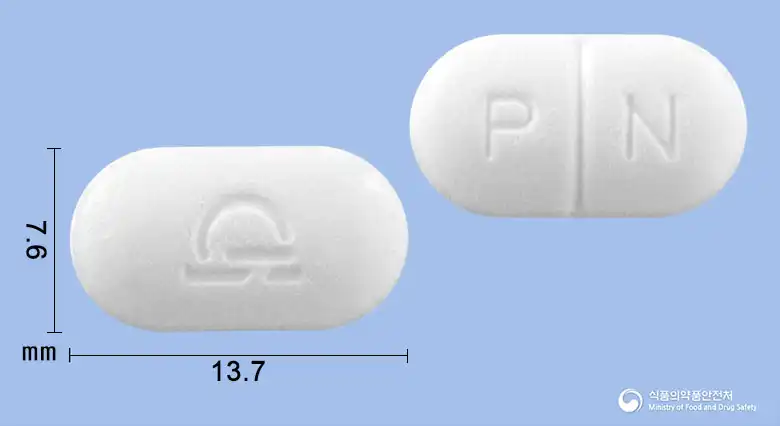
Microencapsulated Acetaminophen 350mg
Tablet · OTC medication
Daewon Pharmaceutical Co., Ltd.
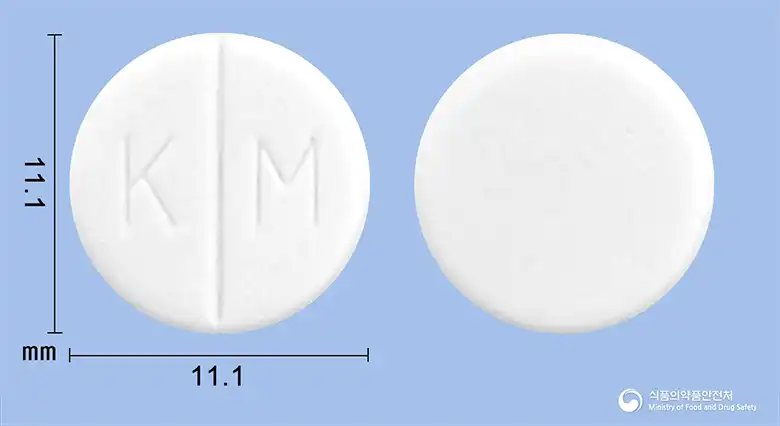
Microencapsulated Acetaminophen 350mg
Tablet · OTC medication
HuaonS Co., Ltd.
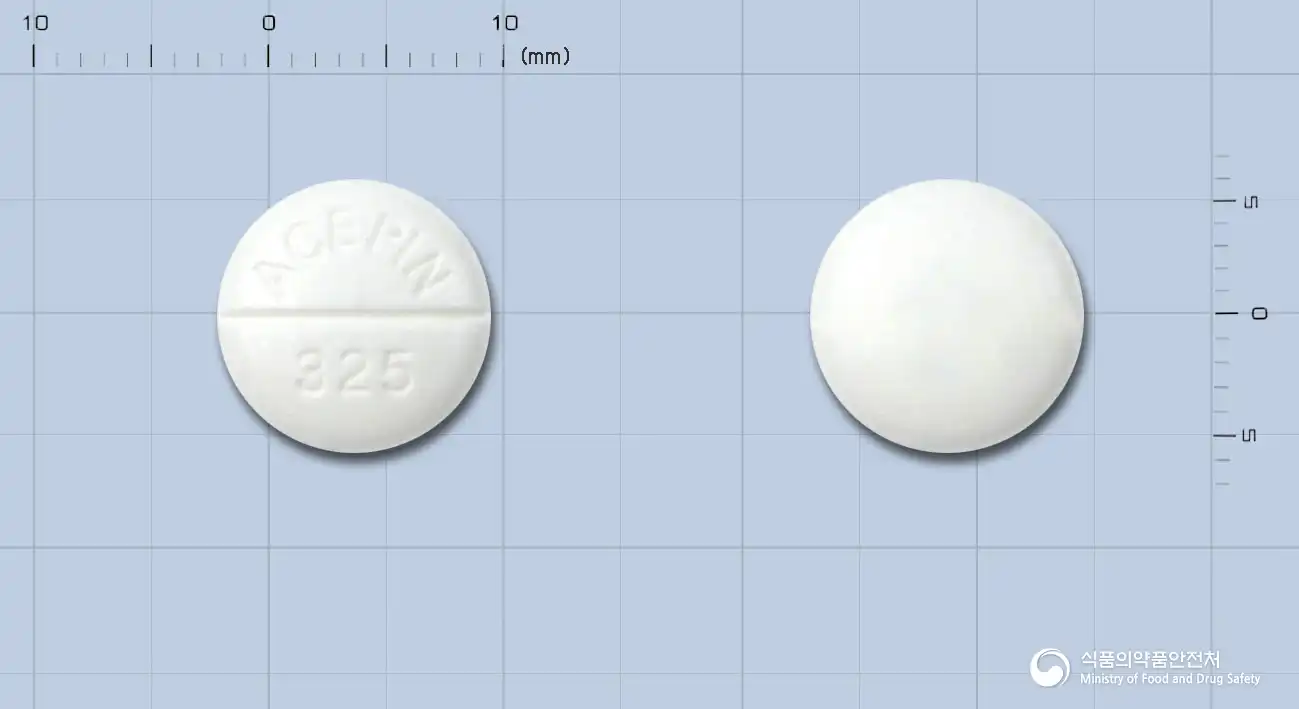
Microencapsulated Acetaminophen 350mg
Tablet · OTC medication
Shinil Pharmaceutical Co., Ltd.
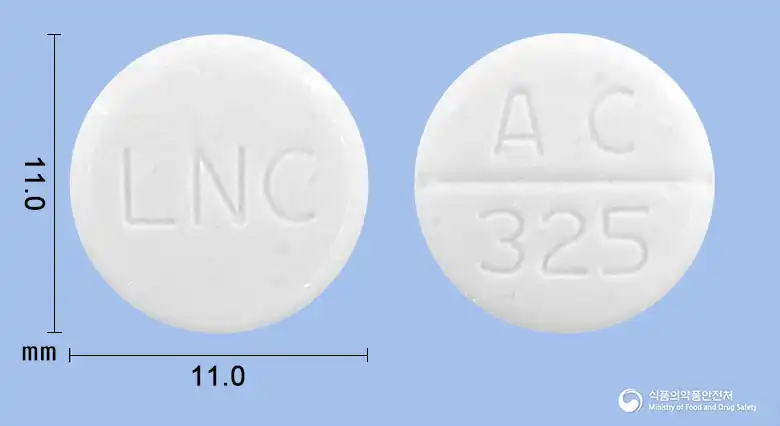
Microencapsulated Acetaminophen 345.7mg
Tablet · OTC medication
LNC Bio Co., Ltd.
Even with the same ingredient, the dose and directions can differ by strength and dosage form. Talk to a doctor or pharmacist before switching from a medication you are already taking.
No questions yet.
For anything that needs medical judgment, consult a doctor or pharmacist.
This drug information is based on data provided by the Korea Ministry of Food and Drug Safety.
Consult a doctor or pharmacist for accurate dosage, administration, and usage instructions.