
 한국어
한국어 English
 日本語
日本語 中文(简体)
 Viewing now
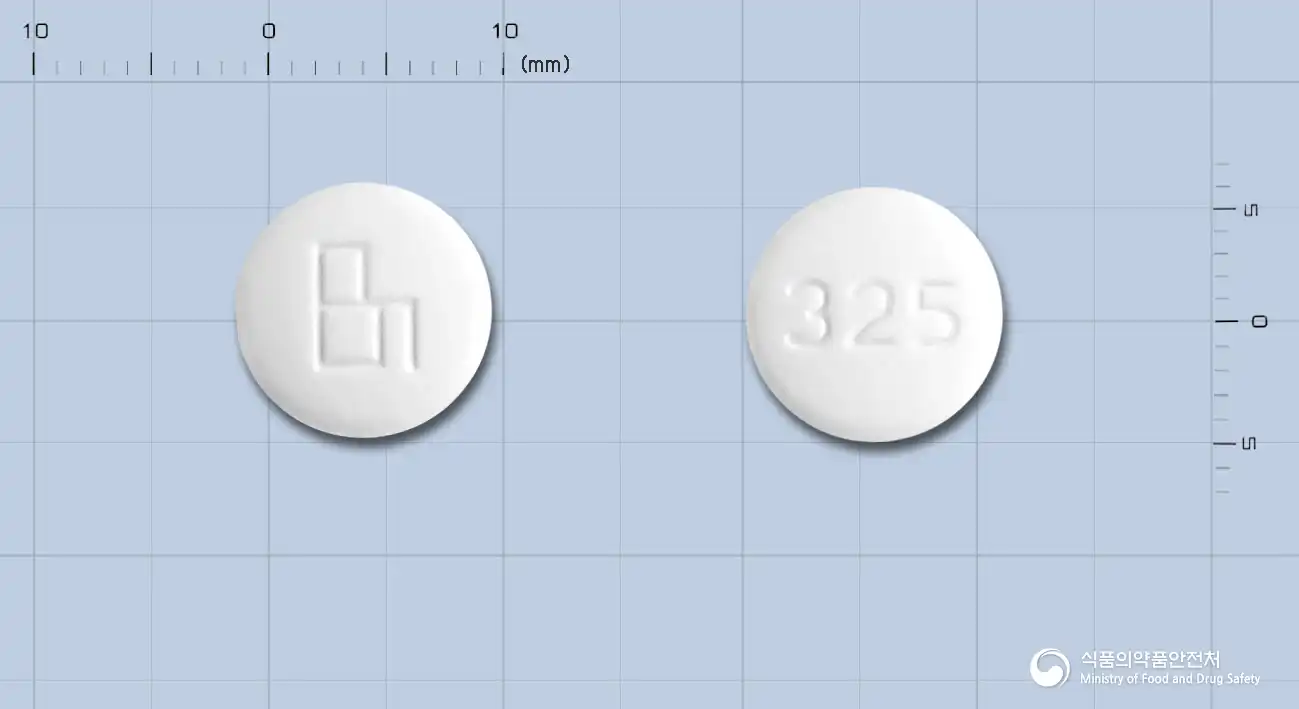
Rootpen 325 mg Tablet (Acetaminophen)
Acetaminophen 325mg
Tablet · OTC medication
Bionex Co., Ltd.
MFDS item code 199600625 · Notified 1996.05.13 · Insurance code 643100290
Relief of cold (fever, pain) and pain (headache, neuralgia)
This medication is effective for fever and various pains caused by a cold, such as headache, neuralgia, muscle pain, menstrual pain, and sprain pain. It can also be used for toothaches, joint pain, and rheumatic pain. Therefore, it is helpful in alleviating these various kinds of pain.
For adults: As acetaminophen, take 0.3 - 1.0 g orally 3 - 4 times a day. The maximum dose is 4 g per day. Adjust dosage appropriately based on age, condition, and symptoms.
For children: 80 mg, 160 mg Administer the following single dose orally 3 - 4 times a day. Ages 11 - 14 years: 200 - 400 mg (2 tablets) (4 tablets) Ages 7 - 10 years: 150 - 3
This medication can burden the liver, so individuals who consume more than three alcoholic drinks per day should consult a doctor or pharmacist before taking it. Contains acetaminophen, and excessive dosing can cause liver damage; therefore, do not exceed a maximum of 4,000 mg per day. Rarely, serious skin rashes or allergic reactions may occur, so if there are any abnormalities on the skin, discontinue use immediately and consult a specialist. Should not be taken by individuals who are allergic to this medication or have peptic ulcers, severe liver or kidney dysfunction, or heart function deterioration. It is also safer for those with a history of aspirin-induced asthma, those taking certain medications, and those with lactose intolerance to avoid using this medication. Individuals with liver, kidney, heart diseases, blood disorders, asthma, elderly individuals, pregnant or breastfeeding women should consult healthcare professionals before taking this medication. If experiencing breathing difficulties, severe allergic symptoms, bleeding, severe vomiting or abdominal pain, skin rash or other abnormal symptoms during use, discontinue the medication immediately and inform healthcare personnel. For long-term use, regular blood tests and liver function tests should be performed, and if abnormalities are found, the dosage should be adjusted or discontinued. Do not take with other antipyretic analgesics, and it is advised that usage does not exceed 10 days for pain and 3 days for fever. Children and the elderly should take the minimal dose and should be closely monitored after use. In cases of overdose, seek immediate medical attention, and medication to protect the liver may be administered. This medication should be stored out of reach of children and kept in its original container to ensure safety.
Not everyone experiences these, and they can vary from person to person.
Do not take this medication with other products containing acetaminophen, other anti-inflammatory analgesics, barbiturate medications, or tricyclic antidepressants. Also, consult a doctor or pharmacist if taking with warfarin, lithium, or thiazide diuretics.
Do not take this medication with alcohol.
This medication should be kept in a tightly sealed container to prevent air or moisture from entering, and it is recommended to store it at a temperature between 1 to 30 degrees Celsius at room temperature. Storing it this way can help maintain the drug's effectiveness.
White round tablets
1000 tablets/bottle
Even with the same ingredient, strength, dosage form and how it is taken can differ.
Viewing nowAcetaminophen 325mg
Tablet · OTC medication
Bionex Co., Ltd.
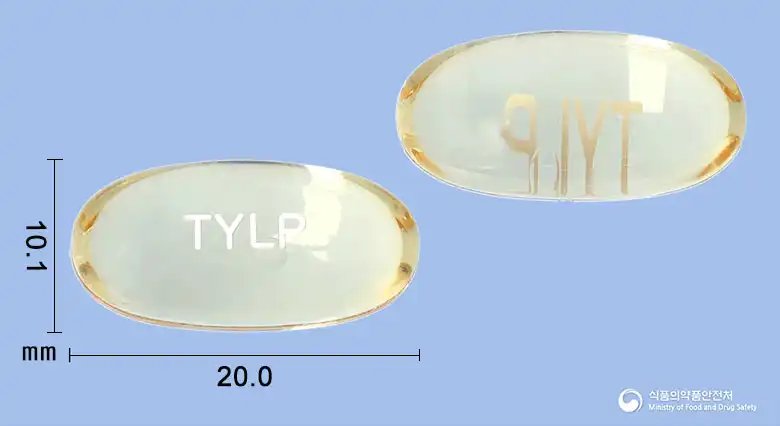
Acetaminophen 325mg
Soft capsule · OTC medication
RP Bio Co., Ltd.
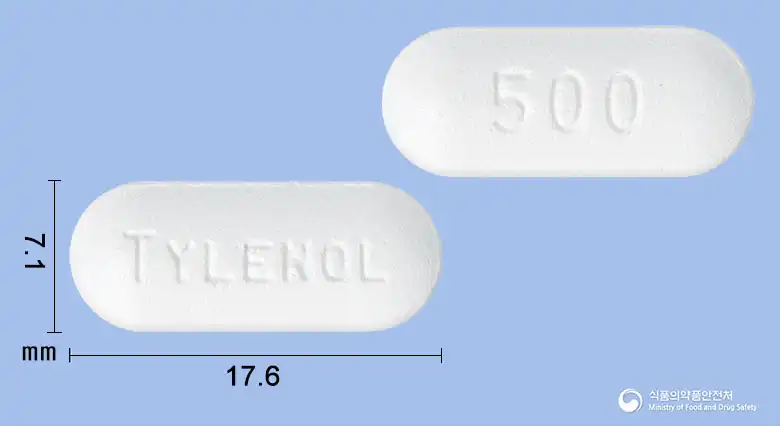
Acetaminophen 500mg
Tablet · OTC medication
Johnson & Johnson Korea, Ltd.

Acetaminophen 160mg
Tablet · OTC medication
Kolon Pharmaceutical Co., Ltd.

Acetaminophen 160mg
Tablet · OTC medication
Sama Pharmaceutical Co., Ltd.

Acetaminophen 80mg
Chewable Tablet · OTC medication
Samma Pharmaceutical Co., Ltd.
Acetaminophen 160mg
Tablet · OTC medication
Anguk Pharmaceuticals Co., Ltd.

Acetaminophen 500mg
Tablet · OTC medication
Alpha Pharmaceutical Co., Ltd.
Even with the same ingredient, the dose and directions can differ by strength and dosage form. Talk to a doctor or pharmacist before switching from a medication you are already taking.
No questions yet.
For anything that needs medical judgment, consult a doctor or pharmacist.
This drug information is based on data provided by the Korea Ministry of Food and Drug Safety.
Consult a doctor or pharmacist for accurate dosage, administration, and usage instructions.