
 한국어
 English
 日本語
 中文(简体)
 Viewing now
Depakote Sprinkle Capsules (Divalproex Sodium)
Divalproex Sodium 134.5mg
Hard capsule · Prescription medication
Abbott Korea LLC
MFDS item code 199504171 · Notified 1995.10.07 · Insurance code 644200100
Treatment of absence seizures and multiple seizure types, including absence seizures
This medication is used as monotherapy or adjunctive therapy for the treatment of simple absence seizures and mixed absence seizures. Additionally, it is used adjunctively for various forms of seizures, including absence seizures, to effectively manage seizure symptoms. It helps improve the patient's seizure frequency and symptoms.
The initial recommended dose is 15mg/kg per day of valproic acid. Increase the dose by 5-10mg/kg per day at intervals of 1 week until seizures are controlled or dose-related adverse reactions occur. The maximum recommended dose is 60mg/kg per day. If the total daily dose exceeds 250mg, administer it in divided doses. When this drug is administered to patients who have previously taken valproic acid, start treatment using the same total daily dose and dosing schedule. Once the patient is stable on this drug, administration twice or three times daily may be used in selected patients.
This medication requires special caution in pregnant women or women of childbearing potential. Alternative treatment options should be considered first during pregnancy, and this medication should not be taken if contraception requirements are not met. Co-administration with estrogen-containing hormonal preparations may reduce the blood concentration of this drug, potentially decreasing its effectiveness, necessitating monitoring by a physician and blood concentration testing. During treatment, there is a risk of worsening mental health conditions, such as suicidal impulses or depression, so patients and caregivers should carefully observe for such symptoms. Regular liver function tests are crucial, especially in children and patients with certain diseases, due to the risk of serious liver damage. If symptoms of pancreatitis occur, such as abdominal pain, nausea, vomiting, or loss of appetite, immediate medical attention should be sought, and the medication should be discontinued if pancreatitis is confirmed. Patients at risk for urea cycle disorders or hyperammonaemia must be evaluated prior to administration, and treatment should be immediately discontinued and evaluated if such conditions are suspected. In elderly patients, symptoms of drowsiness or dehydration may be more pronounced, requiring dosage adjustment and monitoring of their condition. Due to the risk of thrombocytopenia and bleeding, regular blood tests and monitoring for signs of bleeding are essential. Co-administration with certain antibiotics may reduce the effectiveness of this medication, so concurrent use should be avoided, and caution should be exercised in patients with secondary carnitine deficiency due to the risk of symptom exacerbation. Male patients should also discontinue use of this medication three months prior to conception and ensure effective contraception, and they should avoid sperm donation during and for three months after stopping this medication. Severe skin reactions or angioedema can occur with this medication, so immediate consultation with a physician is recommended if skin abnormalities develop. Although this medication is used for various conditions such as epilepsy, mania, and migraine prevention, it should not be administered to patients with certain conditions or diseases, and should be used cautiously if necessary. Regular monitoring of liver function, blood tests, mental state, skin condition, etc., should be performed, and immediate consultation with healthcare professionals is necessary if symptom exacerbation or adverse reactions occur.
Headache, weakness, fever, nausea, vomiting, abdominal pain, diarrhea, loss of appetite, indigestion, constipation, drowsiness, tremor, dizziness, diplopia, amblyopia/blurred vision, ataxia, oscillopsia, emotional instability, abnormal thoughts, forgetfulness, influenza syndrome, infection, bronchitis, rhinitis, alopecia, weight loss, thrombocytopenia, petechiae, weight gain, peripheral edema, insomnia, neurosis, depression, pharyngitis, dyspnea, tinnitus, back pain, chest pain, vasodilation, dry mouth, bloating, stomatitis, rash, pruritus, uterine bleeding, pain, accidental injury, back pain, chills, intermittent fever, cyst, fever, sore throat, neck stiffness, arrhythmia, hypotension, palpitations, orthostatic hypotension, tachycardia, bleeding time change, petechiae, bruise, hematoma, epistaxis, true hemorrhage, relative lymphocytosis, megaloblastic, hypofibrinogenemia, leukopenia, eosinophilia, folate deficiency, megaloblastic anemia, bone marrow suppression, pancytopenia, aplastic anemia, agranulocytosis, acute intermittent porphyria, transaminase elevation, bilirubin concentration increase, irregular menstruation, secondary amenorrhea, breast enlargement, galactorrhea, parotid enlargement, hirsutism, feminization of women, acne, androgenic alopecia, androgen increase, polycystic ovary disease, acute pancreatitis, hyperammonemia, hyponatremia, inappropriate antidiuretic hormone secretion, Fanconi syndrome, hypol-carnitinemia, enuresis, kidney failure, interstitial nephritis, urinary tract infection, azoospermia, abnormal semen, decrease in sperm count, sperm morphology abnormality, aspermia, reduced sperm motility, reversible or irreversible hearing loss, ear pain, allergic reaction, anaphylaxis, limb edema, erythematosus lupus, rhabdomyolysis, biotin deficiency, biotinidase deficiency, bone pain, increased cough, pneumonia, otitis media, bradycardia, skin rash, photosensitivity, generalized pruritus, erythema multiforme, Stevens-Johnson syndrome, angioedema, hyperpigmentation, toxic epidermal necrolysis, disciform erythema lupus, dry skin, erythema nodosum, furunculosis, morbilliform eruption, seborrhea, sweating, conjunctivitis, hearing loss, dry eye, eye abnormalities, eye pain, photophobia, taste disturbance, dysmenorrhea, dysuria, urinary incontinence, cystitis, menstrual disorders, suicidal impulses, suicidal behavior, depression, psychosis, aggression, hyperactivity, hostility, behavioral impairment, coma, encephalopathy, hyperammonemic encephalopathy, dementia, cerebral atrophy, hallucinations, reduced motor function, ataxia, psychosis, sleep disorders, akathisia, anxiety, amnesia, ataxia, tension response, depression, double vision, dysarthria, increased reflexes, thrombocytopenia, inhibition of platelet aggregation secondary phase, bleeding, bruise, hematoma, epistaxis, petechiae, decreased platelet count, inhibition of platelet aggregation, prolonged bleeding time, thrombocytopenia, petechiae, bruise, hematoma, epistaxis, thrombocytopenia, inhibition of platelet aggregation secondary phase, decreased platelet count, inhibition of platelet aggregation, prolonged bleeding time, thrombocytopenia, petechiae, bruise, hematoma, epistaxis, thrombocytopenia, inhibition of platelet aggregation secondary phase, decreased platelet count, inhibition of platelet aggregation, prolonged bleeding time, thrombocytopenia, petechiae, bruise, hematoma, epistaxis, thrombocytopenia, inhibition of platelet aggregation secondary phase, decreased platelet count, inhibition of platelet aggregation, prolonged bleeding time, thrombocytopenia, petechiae, bruise, hematoma, epistaxis, thrombocytopenia, inhibition of platelet aggregation secondary phase, decreased platelet count, inhibition of platelet aggregation, prolonged bleeding time, thrombocytopenia, petechiae, bruise, hematoma, epistaxis, thrombocytopenia, inhibition of platelet aggregation secondary phase, decreased platelet count, inhibition of platelet aggregation, prolonged bleeding time, thrombocytopenia, petechiae, bruise, hematoma, epistaxis, thrombocytopenia, inhibition of platelet aggregation secondary phase, decreased platelet count, inhibition of platelet aggregation, prolonged bleeding time, thrombocytopenia, petechiae, bruise, hematoma, epistaxis, thrombocytopenia, inhibition of platelet aggregation secondary phase, decreased platelet count, inhibition of platelet aggregation, prolonged bleeding time, thrombocytopenia, petechiae, bruise, hematoma, epistaxis, thrombocytopenia, inhibition of platelet aggregation secondary phase, decreased platelet count, inhibition of platelet aggregation, prolonged bleeding time, thrombocytopenia, petechiae, bruise, hematoma, epistaxis
Not everyone experiences these, and they can vary from person to person.
This medication should be stored in a tightly closed container at room temperature below 25 degrees Celsius. Proper storage will help maintain the medication's effectiveness.
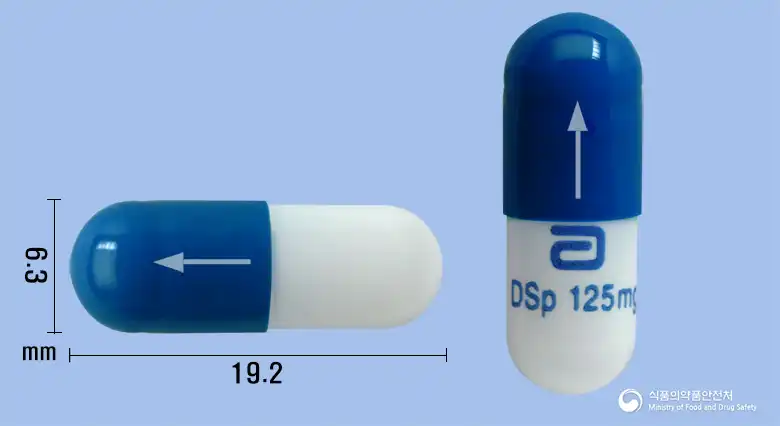
A blue capsule filled with white granular powder.
30 capsules/bottle, 100 capsules/bottle
Even with the same ingredient, strength, dosage form and how it is taken can differ.
Viewing nowDivalproex Sodium 134.5mg
Hard capsule · Prescription medication
Abbott Korea LLC
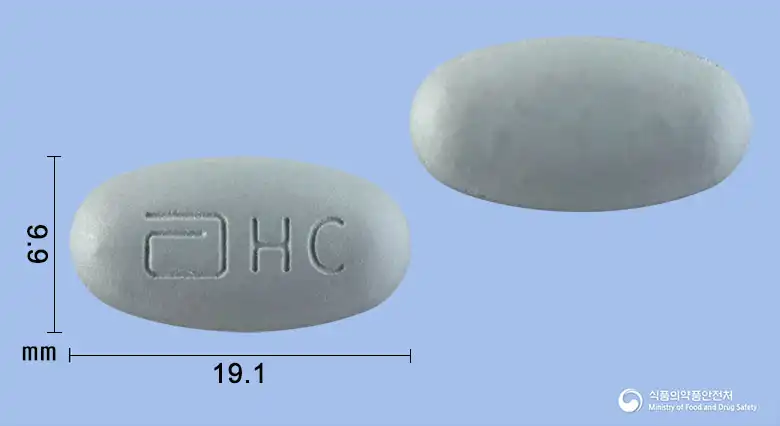
Divalproex Sodium 538.1mg
Tablet · Prescription medication
Abbott Korea, Co., Ltd.
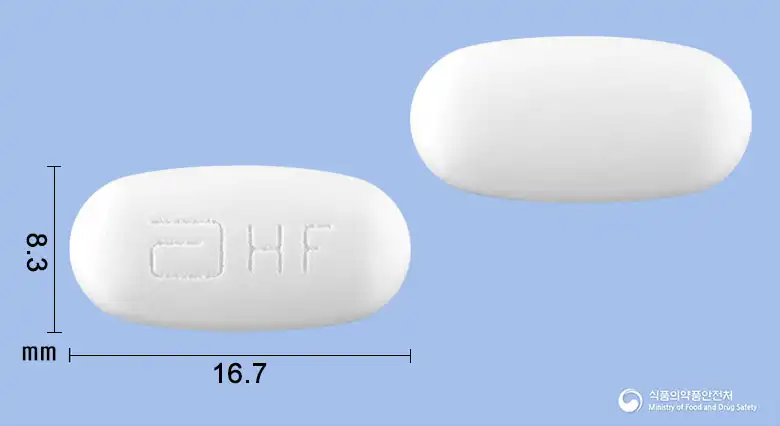
Divalproex Sodium 269.1mg
Tablet · Prescription medication
Abbott Korea Co., Ltd.
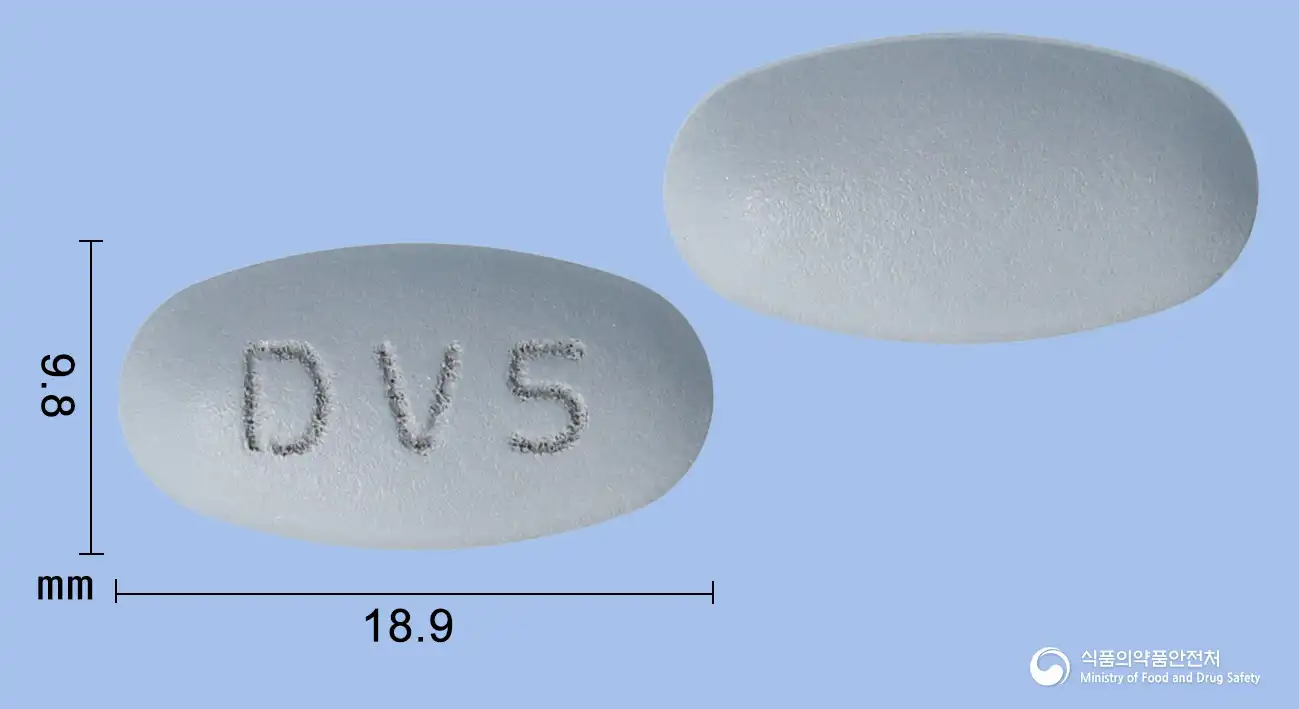
Divalproex Sodium 538.1mg
Tablet · Prescription medication
Korea Pharma Co., Ltd.
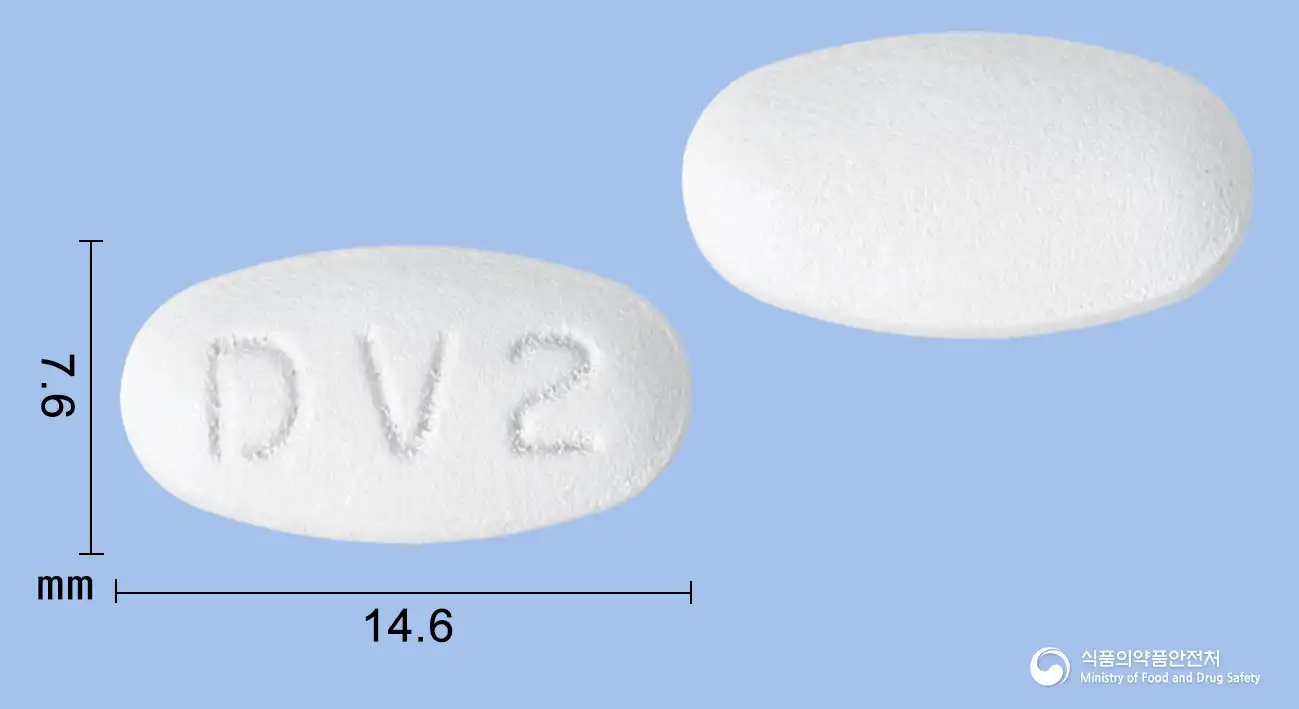
Divalproex Sodium 269.05mg
Tablet · Prescription medication
Korea Pharma Co., Ltd.
Divalproex Sodium 538.12mg
Tablet · Prescription medication
Mirae Bio Pharmaceutical Co., Ltd.
Divalproex Sodium 269.06mg
Tablet · Prescription medication
Mirebiopharma Co., Ltd.
Even with the same ingredient, the dose and directions can differ by strength and dosage form. Talk to a doctor or pharmacist before switching from a medication you are already taking.
No questions yet.
For anything that needs medical judgment, consult a doctor or pharmacist.
This drug information is based on data provided by the Korea Ministry of Food and Drug Safety.
Consult a doctor or pharmacist for accurate dosage, administration, and usage instructions.