
 한국어
 English
 日本語
 中文(简体)
Dosage form image
Viewing nowEndoxan Injection 500mg (Cyclophosphamide)
Cyclophosphamide 534.5mg
Injections · Prescription medication
Bukwang Pharmaceutical Co., Ltd.
MFDS item code 199504135 · Notified 1995.08.18 · Insurance code 642201671
Treatment of hematologic cancers (malignant lymphoma, leukemia, etc.) and solid tumors (breast cancer, ovarian cancer, etc.)
This medication is used for various cancer diseases including malignant lymphoma, multiple myeloma, leukemia, neuroblastoma, ovarian cancer, retinoblastoma, and breast cancer.
1. Induction therapy 1) The initial intravenous dose for patients without hematologic abnormalities is 1,600~2,000 mg/㎡ of anhydrous cyclophosphamide, or 400~800 mg/㎡ per day for 2~5 days, depending on the patient's tolerance. 2) In patients previously treated with anticancer agents that may reduce bone marrow function, such as X-ray therapy or cytotoxic drugs, and in patients with tumor infiltration of the bone marrow, reduce the initial dose to 1/2~1/3. 3) Leukopenia occurs in relation to the dose, but generally begins to recover 7~10 days after administration of this drug. White blood cell counts should be monitored closely during the induction period. 2. Maintenance therapy 1) The following maintenance doses may be used to delay or suppress tumor growth. (1) 400~600 mg/㎡ per day administered intravenously every 7~10 days (2) 120~200 mg/㎡ per day administered intravenously twice weekly 2) Unless the disease is abnormally sensitive to this drug, the maximum maintenance dose that the patient can reasonably tolerate may be administered. 3) In general, the total white blood cell count or granulocyte count provides an objective guide for dose adjustment. Because the risk of infection increases if the white blood cell count falls to 2,000/㎣ or below, or the granulocyte count to 1,000/㎣ or below, temporary discontinuation of treatment is recommended until the white blood cell or granulocyte count recovers above these levels.
This medication can cause cardiac damage; therefore, it should not be used with certain drugs as it can increase cardiac toxicity. This drug should not be used in patients with infections or severely decreased bone marrow function, patients with cystitis or urinary obstruction, and women who are pregnant or breastfeeding. Care must be taken as patients with impaired liver or kidney function may experience worsening conditions while using this drug. Using this drug can lead to infections or bleeding due to decreased bone marrow function, with common side effects including hair loss, nausea, and vomiting. Inflammation or bleeding in the bladder may occur, so adequate hydration and frequent urination are essential. This medication can cause serious side effects related to the heart; patients with heart disease or those who have previously received radiation therapy to the heart must undergo regular cardiac evaluations. As this drug can affect liver and kidney function, regular blood tests and liver/kidney function tests are necessary. It is advisable to avoid alcohol consumption during treatment, and appropriate use of antiemetics is recommended to diminish nausea and vomiting. This drug may lead to genetic changes and infertility, so both during and after treatment, pregnancy should be avoided for a certain period, and men should consult about sperm preservation. In case of overdose, as there is no specific antidote, rapid blood dialysis may be needed, and careful monitoring must be implemented due to the increased risk of bone marrow suppression and infection. This drug has many interactions with other medications; therefore, it should only be used after consulting a specialist. When storing, avoid exposure to temperatures above 25 degrees Celsius, and do not use if the solution shows discoloration or foreign substances. Using this medication in children or elderly patients requires special caution as adverse reactions may occur more easily. Regular blood and urine tests should be conducted to closely monitor the patient's condition while using this drug. Report any abnormal symptoms immediately to medical personnel, and if necessary, discontinue administration and receive appropriate treatment.
Bone marrow suppression, uremia, hair loss, nausea, vomiting, infection, pneumonia, sepsis, septic shock, secondary tumors, bladder cancer, myelodysplastic changes, urinary tract cancer, acute leukemia, tumor lysis syndrome, leukopenia, neutropenia, febrile neutropenia, thrombocytopenia, anemia, bleeding, hemolytic uremic syndrome, disseminated intravascular coagulation, thromboembolism, blood pressure changes, immunosuppression, anaphylactic reactions, hypersensitivity reactions, anaphylactic shock, ovulation disorders, decreased female hormones, anorexia, dehydration, syndrome of inappropriate antidiuretic hormone secretion, fluid retention, hyponatremia, dizziness, confusion, seizures, sensory disturbance, taste disorder, hepatic encephalopathy, blurriness, visual impairment, conjunctivitis, edema of the eyes, cardiomyopathy, heart failure, tachycardia, arrhythmia, ventricular arrhythmia, ventricular tachycardia, atrial fibrillation, ventricular fibrillation, angina, myocardial infarction, cardiac arrest, myocarditis, pericarditis, bronchospasm, dyspnea, cough, interstitial pneumonia, chronic interstitial pulmonary fibrosis, toxic pulmonary edema, pleural effusion, respiratory failure, acute respiratory distress syndrome, non-specific lung disease, hypoxemia, pulmonary hypertension, nausea, vomiting, diarrhea, stomatitis, constipation, abdominal pain, ascites, ulcers, hemorrhagic colitis, acute pancreatitis, liver dysfunction, hepatitis, hepatic venous occlusive disease, hepatomegaly, jaundice, activation of hepatitis virus, hair loss, baldness, rash, dermatitis, dermal inflammation, skin and mucous membrane syndrome, toxic epidermal necrolysis, severe skin reactions, palm discoloration, nail discoloration, sole discoloration, inflammatory pruritus, radiation therapy site erythema, rhabdomyolysis, seizures, cystitis, microscopic hematuria, hemorrhagic cystitis, gross hematuria, urethral bleeding, bladder wall edema, interstitial inflammation, fibrosis, bladder sclerosis, renal failure, kidney disorders, sperm production disorders, amenorrhea, oligospermia, azoospermia, fever, chills, asthenia, fatigue, weakness, malaise, mucositis, chest pain, headache, pain, injection site reactions, multiorgan failure, GECG changes, reduced LVEF, increased LDH, elevated CRP, increased liver enzymes, elevated AST, increased ALT, increased γ-GTP, increased ALP, elevated bilirubin, weight gain, hypotension, elevated creatinine levels, radiation recall dermatitis, shock, anaphylactic symptoms
Not everyone experiences these, and they can vary from person to person.
This drug should be stored in a sealed container, maintaining a temperature between 1 and 25 degrees Celsius. Storing it this way will help maintain its efficacy.
A white crystalline powder in a colorless and transparent vial injection.
1 vial (534.5 mg)
Even with the same ingredient, strength, dosage form and how it is taken can differ.
Cyclophosphamide 534.5mg
Injections · Prescription medication
Bukwang Pharmaceutical Co., Ltd.
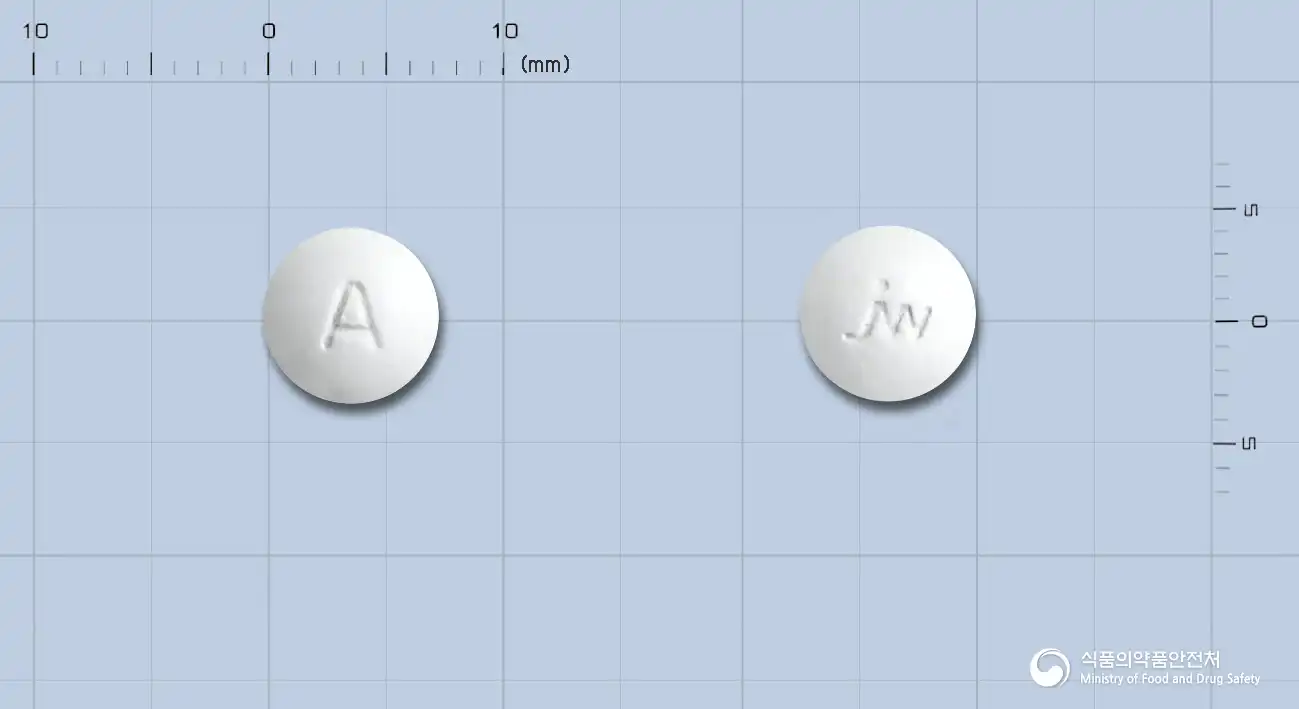
Cyclophosphamide 50mg
Tablet · Prescription medication
JW Pharmaceutical Corporation
Cyclophosphamide
Prescription medication
JW Pharmaceutical Corp.
Even with the same ingredient, the dose and directions can differ by strength and dosage form. Talk to a doctor or pharmacist before switching from a medication you are already taking.
No questions yet.
For anything that needs medical judgment, consult a doctor or pharmacist.
This drug information is based on data provided by the Korea Ministry of Food and Drug Safety.
Consult a doctor or pharmacist for accurate dosage, administration, and usage instructions.