한국어
 English
 日本語
 中文(简体)
 Viewing now
Urinonjeong (Benzbromarone)
Benzbromarone 50mg
Tablet · Prescription medication
Hanlim Pharmaceutical Co., Ltd.
MFDS item code 199502668 · Approved 1995.03.27 · Insurance code 645301370
Improves hyperuricemia associated with gout and hyperuricemia accompanying hypertension
This medication is used for conditions associated with hyperuricemia, particularly gout and hypertension accompanied by hyperuricemia. Gout is a condition that occurs due to elevated uric acid levels in the body, and this medication helps to lower blood uric acid levels, thereby alleviating symptoms. Moreover, it contributes to maintaining health by regulating uric acid levels in patients with hypertension associated with hyperuricemia. Through these effects, it assists patients in alleviating symptoms and managing their health.
Gout Adults: Administer benzbromarone 25 mg or 50 mg orally once daily, then administer a maintenance dose of 50 mg per dose, 1 ∼ 3 times daily. Hypertension with hyperuricemia Adults: Administer 50 mg per dose orally, 1 ∼ 3 times daily. Adjust the dose as appropriate according to symptoms.
This medication may cause serious liver impairment mainly within 6 months of starting treatment; hence, regular liver function tests are required for at least 6 months. If liver function test results are abnormal or symptoms of jaundice appear, the medication should be discontinued immediately, and appropriate treatment should be sought. During treatment, if symptoms such as loss of appetite, nausea, vomiting, a feeling of weakness, abdominal pain, diarrhea, fever, urinary tract infection symptoms, or yellowing of the conjunctiva occur, the medication should be stopped right away, and a professional examination should be obtained. This medication should not be used in patients allergic to this drug or bromides, those with a history of kidney stones, those with poor kidney function, pregnant women, or women who may become pregnant. If symptoms such as skin rash, itching, or flushing of the face occur, the medication should be discontinued, and regular liver function tests should be conducted as hepatitis or liver dysfunction may develop. Gastrointestinal symptoms such as digestive disorders, diarrhea, constipation, abdominal pain, and nausea may occur, so caution is necessary. Adequate fluid intake is required during the use of this medication, with a minimum of 1.5–2 liters of beverages daily to prevent uric acid stones or kidney issues. Additionally, this medication may trigger initial gout attacks, so it is recommended to take it alongside other medications used for treating gout when first starting. Patients with high blood pressure may experience side effects more frequently, hence caution is advised. There may be interactions with other medications, particularly when taken with allopurinol, blood thinners, antituberculosis drugs, and aspirin, so consultation with a professional is necessary. Women who are pregnant or breastfeeding are advised not to take this medication, and if it is unavoidable, breastfeeding should be avoided. Safety for children has not been established, so it is preferable not to use it in children. Elderly patients may have decreased body functions, so caution in adjusting dosages is necessary. Finally, this medication should be kept out of reach of children and not transferred to other containers for safety.
Not everyone experiences these, and they can vary from person to person.
This medication may be sensitive to light; therefore, it should be stored in an opaque container that does not allow light in. Furthermore, it is important to keep it at room temperature, avoiding extremes of heat or cold, to maintain the medication’s efficacy.
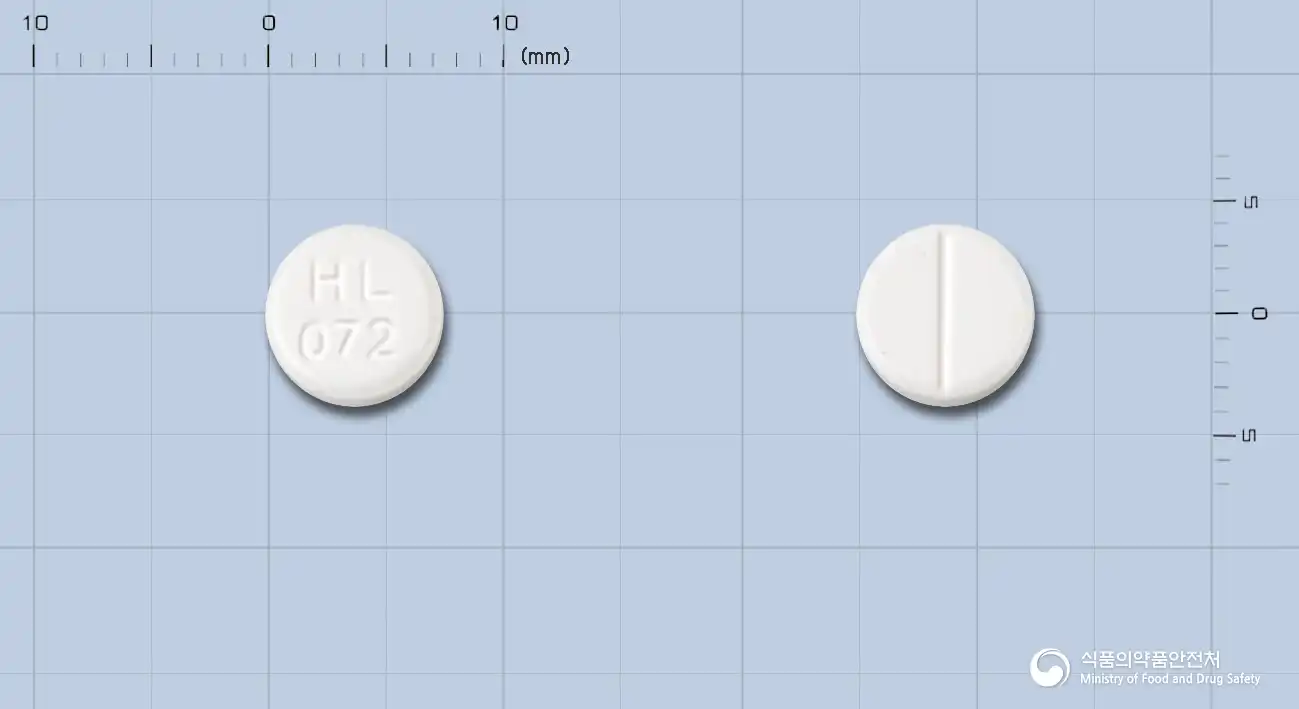
White round tablets
30 tablets/bottle, 300 tablets/bottle
Even with the same ingredient, strength, dosage form and how it is taken can differ.
Even with the same ingredient, the dose and directions can differ by strength and dosage form. Talk to a doctor or pharmacist before switching from a medication you are already taking.
No questions yet.
For anything that needs medical judgment, consult a doctor or pharmacist.
This drug information is based on data provided by the Korea Ministry of Food and Drug Safety.
Consult a doctor or pharmacist for accurate dosage, administration, and usage instructions.